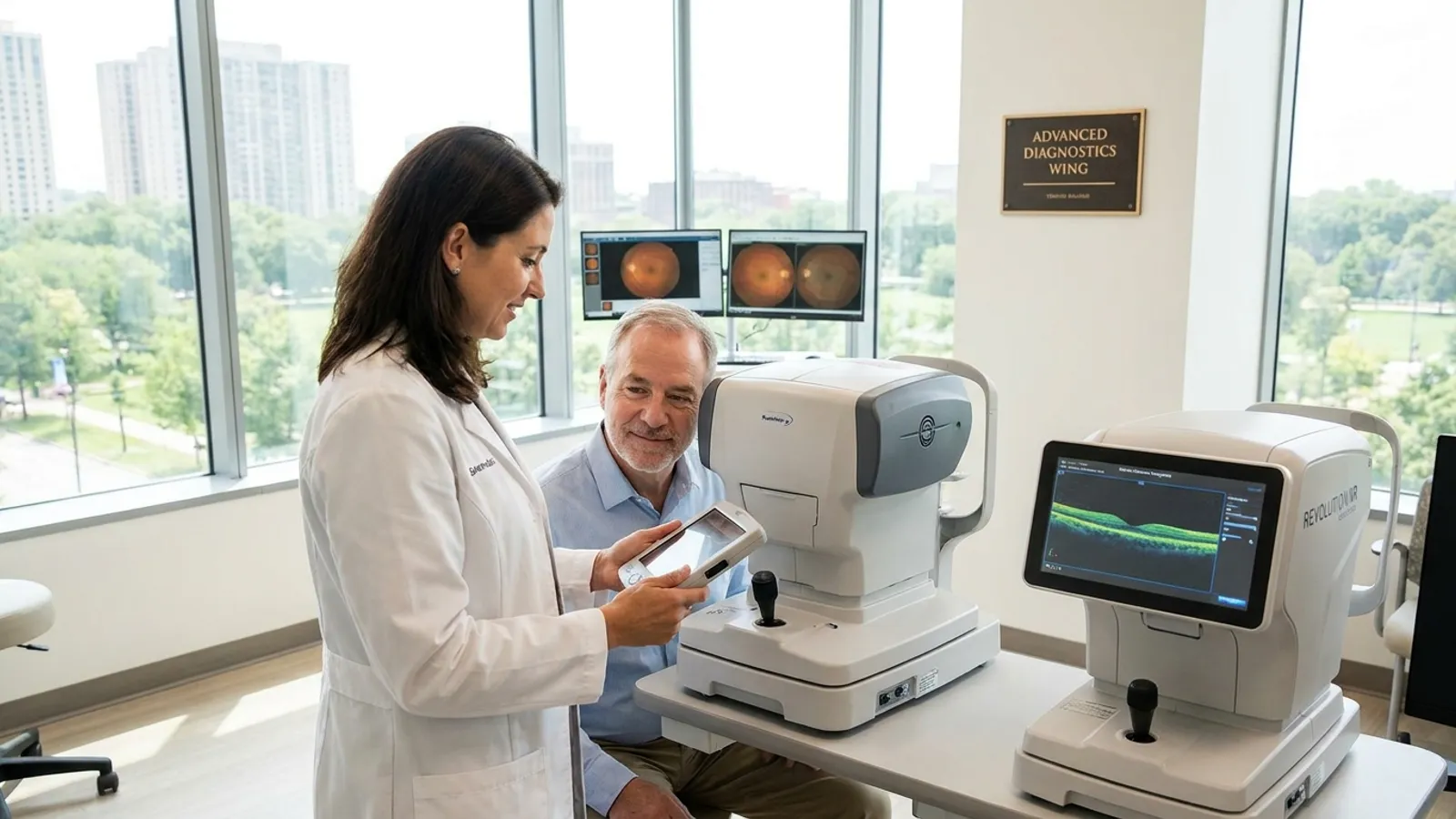
Comprehensive Full-Body Check-Up in Turkey
A full body check up in Turkey combines advanced imaging, lab tests, and specialist consultations in a single day to assess your overall health.


Quick Answer: A comprehensive full-body checkup is a streamlined, single-day diagnostic evaluation that combines advanced imaging, laboratory tests, and specialist consultations to assess organ function and identify early disease markers.
Key Takeaways:
- Full-body health screenings are completed within a 4- to 8-hour window on a single day.
- Diagnostic packages include comprehensive blood panels, cardiovascular evaluations, and targeted radiological imaging.
- International patients travel to Turkey to access JCI-accredited facilities and cost-effective elective diagnostics.
- Proper preparation requires an 8- to 12-hour fast prior to the initial blood draw.
- Post-screening consultations provide immediate clinical feedback and facilitate necessary specialist referrals.
A full-body checkup is a structured medical evaluation designed to assess a patient's baseline health, screen for asymptomatic conditions, and evaluate organ function through clinical testing. By combining radiology, cardiology, and pathology, these proactive health screenings provide a detailed physiological profile to help guide preventive care, manage genetic risks, and establish long-term wellness strategies.
Overview: What is a Comprehensive Full-Body Check-Up?
A comprehensive full-body checkup is a proactive medical evaluation that combines laboratory analysis, advanced imaging, and specialist consultations to assess organ function and detect early markers of disease before clinical symptoms develop.
Unlike routine primary care visits that address specific acute complaints, a comprehensive screening is designed to evaluate the entire body systematically. This approach targets silent conditions such as hypertension, early-stage metabolic disorders, cardiovascular disease, and certain malignancies. By establishing a physiological baseline, physicians can track changes over time, account for family medical history, and implement precise preventive interventions.
Packages are routinely stratified by age and gender to maximize clinical relevance. For example, a screening for a male over 50 will prioritize prostate health and cardiovascular risk, whereas a package for a female in her 30s may focus on thyroid function, bone density, and gynecological health. These targeted assessments ensure that patients undergo only the most appropriate and evidence-based diagnostic evaluations without unnecessary radiation or testing.
Core Components: What Tests Are Included in a Full-Body Health Check?
Comprehensive screening packages include a complete blood count (CBC), comprehensive metabolic and lipid panels, cardiovascular evaluations (ECG and echocardiogram), radiological imaging (such as ultrasound or whole-body MRI), and age- or gender-specific cancer markers.
The diagnostic scope of a full-body checkup extends well beyond standard primary care diagnostics. The process begins with extensive laboratory work to evaluate kidney and liver function, blood glucose levels, cholesterol profiles, thyroid hormones, and vitamin deficiencies. Following the lab work, patients undergo specialized imaging and functional tests to assess internal organs, lung capacity, and cardiovascular efficiency.
To provide a comprehensive health check overview, screening packages typically integrate the following clinical categories:
| Diagnostic Category | Specific Tests Included | Clinical Purpose |
|---|---|---|
| Laboratory Pathology | CBC, Lipid Panel, HbA1c, Liver/Kidney function panels | Assesses metabolic health, detects anemia, and evaluates organ efficiency. |
| Cardiology | Electrocardiogram (ECG), Echocardiogram, Treadmill Stress Test | Evaluates heart rhythm, structural integrity, and coronary blood flow. |
| Radiology & Imaging | Chest X-ray, Whole Abdominal Ultrasound, Bone Densitometry | Visualizes organ structure, detects abnormal masses, and measures bone density. |
| Specialist Consultations | Internal Medicine, Cardiology, Gynecology/Urology, Ophthalmology | Provides clinical context to diagnostic data and comprehensive physical examinations. |
Depending on the selected tier, packages may also include advanced modalities such as low-dose CT scans for lung screening, spirometry for pulmonary function, or specialized tumor markers (such as PSA for men or CA-125 and CA 15-3 for women) to screen for specific oncological risks.
How Long Does the Health Screening Process Take?
A complete medical checkup is designed for efficiency, typically requiring 4 to 8 hours within a single day, as all blood draws, imaging scans, and specialist examinations are coordinated consecutively within the same facility.
International patients benefit from a highly streamlined itinerary managed by a dedicated checkup coordinator. The day begins early in the morning with fasting blood tests and abdominal ultrasound imaging. Once these initial diagnostics are complete, patients are typically provided with a customized breakfast before proceeding to the remaining functional tests and specialist consultations.
The consecutive scheduling eliminates the need for multiple appointments across different days or locations. Patients transition directly from radiology to cardiology, and then to internal medicine, guided through each department by hospital staff. This consolidated timeline ensures that all necessary clinical data is collected rapidly, allowing the medical team to compile the final report by the late afternoon of the same day.
Why Choose Turkey for Medical Tourism and Health Screenings?
Turkey provides international patients with rapid access to JCI-accredited hospitals, state-of-the-art diagnostic technology, and multidisciplinary medical teams, offering extensive executive health packages at a fraction of the out-of-pocket costs found in the US or Europe.
The continuous growth of medical tourism in Turkey is driven by the country's integration of advanced healthcare infrastructure and highly competitive pricing models. Patients traveling for elective diagnostics can access comprehensive executive packages that would typically require prolonged wait times, multiple referrals, or significant private funding in their home healthcare systems.
Facilities in the Voumed network adhere to rigorous international safety and quality standards, ensuring that diagnostic accuracy matches or exceeds global benchmarks. International patient departments handle all logistical aspects of the visit, streamlining the experience for travelers. These administrative and logistical services typically include:
- Multilingual translation and patient coordination throughout the entire hospital stay.
- Airport-to-hotel and hotel-to-hospital VIP transfers.
- Assistance with medical record translation and pre-arrival clinical scheduling.
- Transparent, all-inclusive pricing with no hidden fees for standard package inclusions.
How to Prepare for Your Yearly Physical and Diagnostic Tests
To ensure accurate laboratory results, patients must fast for 8 to 12 hours prior to their blood draw, abstain from alcohol and caffeine for 24 hours, and bring a complete list of current medications and previous medical records.
Proper preparation is critical for the clinical accuracy of a yearly physical. Consuming food or sugary beverages before the blood draw can artificially elevate blood glucose and triglyceride levels, leading to skewed metabolic data. Plain water consumption is permitted and actively encouraged to facilitate easier venous access during the blood draw and to prepare for pelvic or abdominal ultrasounds, which require a full bladder for optimal imaging.
Patients should adhere to specific clinical guidelines prior to their appointment:
- Avoid strenuous physical exercise for at least 24 hours to prevent elevated muscle enzyme levels in the blood results.
- Withhold morning doses of specific medications (such as insulin or certain antihypertensives) until after the blood draw, strictly as directed by a coordinating physician.
- Wear comfortable, two-piece clothing to easily accommodate physical exams, ECG lead placement, and radiological imaging.
- Bring any previous diagnostic reports, pathology results, or imaging CDs to establish a comparative baseline for the reviewing physician.
Reviewing Your Results: The Post-Screening Consultation
Upon completion of all tests, a coordinating physician reviews the compiled data with the patient, providing a detailed health report, evidence-based lifestyle recommendations, and immediate referrals to specialized departments if any abnormalities require further investigation.
The final stage of the checkup involves a comprehensive exit consultation. During this meeting, an internal medicine specialist synthesizes the pathology results, imaging reports, and clinical notes from other specialists to present a cohesive overview of the patient's current health status. The physician explains each biomarker, contextualizing the data against standard reference ranges and the patient's individual medical history.
If the checkup reveals a previously undetected health issue, the hospital's multidisciplinary structure allows for immediate clinical action. Patients can be seamlessly referred to oncology, endocrinology, or surgical departments for further diagnostic workup, such as a targeted biopsy or advanced MRI, often within the same week. All patients receive a translated digital and physical copy of their complete medical dossier, ensuring precise continuity of care when they return home and share the findings with their local primary care provider.
Not sure which hospital is right for your case?
Upload your medical reports and our AI will match them against the verified capabilities of every hospital in our network.
- Upload your reports (no account needed)
- Our AI matches your case with hospitals that can actually treat it
- You choose who receives your case. We present it in the hospital’s own language, and the hospital replies directly to you
Free and anonymous. Your documents stay private until you decide to send them.