Arthroscopic Surgery

Arthroscopic Surgery

Tbilisi

Arthroscopic Surgery in Tbilisi is available at 3 hospitals in the Voumed network.

Arthroscopy is a minimally invasive, keyhole technique that lets a surgeon see inside a joint with a small camera and repair the damage through incisions only a few millimetres long, avoiding the large cut of open surgery. It is used to treat the torn cartilage, ligaments and tendons that cause pain, locking, catching or instability in the knee, shoulder, hip, ankle, elbow and wrist, and it is the standard of care for many sports and overuse injuries. Because the openings are tiny, recovery is faster, pain is less and the scar is minimal, which is why patients often travel abroad to have it done by experienced arthroscopic and sports surgeons. The short procedure and quick early recovery fit neatly into a planned medical trip with clear milestones before flying home.

On this page

At a glance

Anaesthesia
general, spinal or local, depending on the joint
Hospital stay
usually a day case, occasionally one overnight stay
Procedure time
about 30 minutes to 2 hours, depending on the repair
Recovery
walking the same day for many knee procedures; physiotherapy over weeks
Time before flying home
usually about 5 to 10 days, after the wounds and movement are reviewed
Results visible
relief of locking and catching soon after healing; full strength over weeks to months

What it is

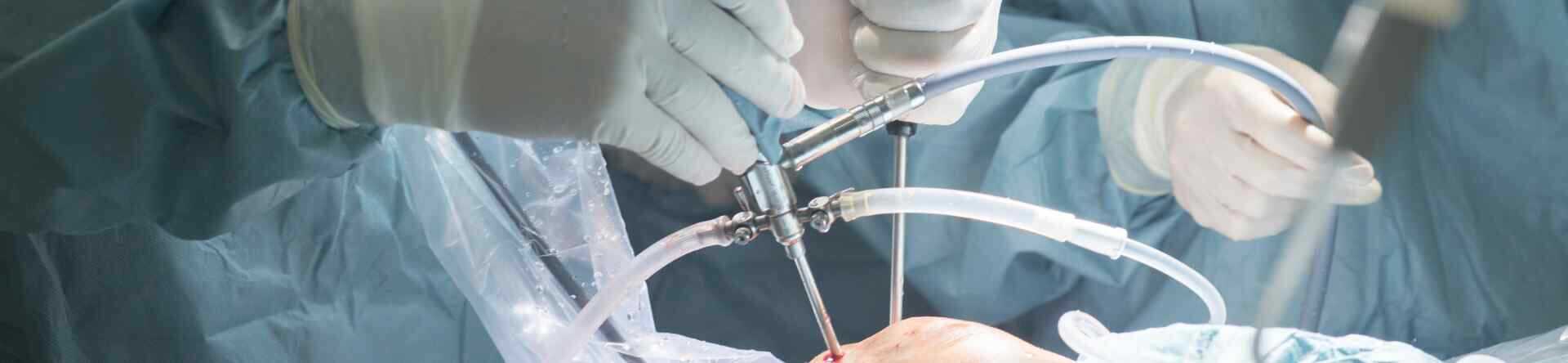
Arthroscopy, which literally means looking inside a joint, is both a way of diagnosing joint problems and a way of treating them. The surgeon uses an arthroscope, a slim fibre-optic camera attached to a narrow tube, which is passed through a small opening and sends a magnified, live image of the inside of the joint onto a screen. Working from that clear view, the surgeon passes fine instruments through one or two further tiny openings to trim, repair, reconstruct or remove the damaged tissue. The same technique covers a wide range of operations, from smoothing or repairing torn cartilage and stitching a torn meniscus to reconstructing a snapped ligament or repairing a torn tendon, all carried out through openings of about half a centimetre rather than a long incision.

When it is recommended

Arthroscopy is recommended for structural joint problems that cause pain, swelling, locking, catching, giving way or loss of movement and that have not settled with rest, medication, injections or physiotherapy. In the knee it treats meniscus tears, anterior cruciate ligament tears, damaged cartilage, loose fragments and instability. In the shoulder it repairs rotator cuff tears, treats impingement, frees a frozen shoulder and stabilises a joint that keeps dislocating. It is also used for problems of the hip, ankle, elbow and wrist, including ankle cartilage damage, tennis elbow and wrist conditions such as carpal tunnel syndrome and ganglion cysts. It is most valuable when the damage is to soft tissue or cartilage that can be repaired or tidied, rather than a joint so worn that it needs replacing.

How it is performed

The choice of anaesthesia depends on the joint and the operation, and may be general, where the patient is fully asleep, spinal, which numbs the lower body for knee and ankle work, or local for a smaller procedure. After the skin is cleaned and the joint is gently filled with sterile fluid to open up the space, the surgeon makes a small incision and inserts the arthroscope, with one or two more small incisions for the working instruments. The light and camera at the tip show the interior on a screen, and once the problem is confirmed the corrective work is carried out, whether that is trimming or stitching cartilage, reconstructing a ligament with a graft or repairing a tendon. At the end the instruments are removed, the small openings are closed with a stitch or adhesive strips and a dressing is applied. The procedure usually takes about 30 minutes to 2 hours depending on what is repaired.

Candidacy and preparation

A good candidate has a joint problem confirmed by examination and imaging such as an MRI scan, is in a general state of health that allows safe anaesthesia, and has symptoms that justify surgery rather than continued non-surgical care. Preparation includes a review of the scans, blood tests where needed and an anaesthetic assessment, with regular medicines and any blood thinners adjusted on medical advice. Stopping smoking helps healing, particularly for ligament and tendon repairs. For international patients, an existing MRI and clinical report can often be reviewed before travel so the likely procedure is planned in advance, while the final examination and confirmation of the operation are completed in person, since the exact repair is sometimes decided once the joint is seen directly through the arthroscope.

Recovery and planning your treatment abroad

Recovery is quicker than after open surgery because the tissues around the joint are barely disturbed. Many knee and shoulder patients go home the same day, and for simpler knee procedures walking with support often begins the same day, while more complex reconstructions need a brace, crutches or a sling and a more gradual programme. Physiotherapy is central to the result and usually starts within days, guiding safe movement and rebuilding strength. When planning a trip abroad, it is sensible to allow about 5 to 10 days in the destination city so the wounds can be checked, early movement established and a clear home rehabilitation plan provided before flying, with longer stays for major reconstructions. Because immobility on long flights raises the risk of blood clots, the team advises on timing, moving in the cabin and any precautions. After returning home, follow-up continues remotely by message or video, with interpreters and coordinators on hand, and physiotherapy can be continued near home.

Risks, safety and results

Performed by an experienced surgeon in a properly equipped centre, arthroscopy is a safe procedure with a strong track record, and because it avoids a large incision the risks are lower than with open surgery, though no operation is entirely without risk. Expected early effects such as swelling, bruising, stiffness and mild discomfort settle within days to weeks with rest, elevation and physiotherapy. Less common risks include infection, bleeding into the joint, a blood clot in the leg, stiffness, injury to nearby nerves or vessels, or a repair that does not fully heal and occasionally needs revision; careful surgery, early movement and good rehabilitation keep these uncommon. Most patients return to work and daily life quickly and, after completing their physiotherapy, regain a stable, pain-free joint and often go back to sport. Choosing a qualified surgeon, completing the assessment and following the rehabilitation plan closely are the keys to a safe experience and a lasting result.

Frequently asked questions

These answers are general guidance and may vary by provider. Confirm the details with the hospital you choose.

Is arthroscopy major surgery?

It is far less invasive than open surgery because the surgeon works through openings of only about half a centimetre rather than a large cut. The tissues are barely disturbed, which is why pain is less, the scar is minimal and recovery is generally quicker, though the seriousness depends on what is being repaired inside the joint.

What anaesthesia is used?

It depends on the joint and the operation. It may be general anaesthesia, where you are fully asleep, spinal anaesthesia that numbs the lower body for knee and ankle work, or local anaesthesia for a smaller procedure. The anaesthetist recommends the safest option for you, and you feel nothing during surgery.

How many days should I plan to stay abroad?

Most patients plan about 5 to 10 days in the destination city for a straightforward procedure, and longer for a major reconstruction such as a ligament repair. This allows the surgery, the wound check and enough early rehabilitation for the surgeon to confirm you are ready before you fly home.

When can I fly home after surgery?

Usually within about 5 to 10 days for most procedures, once the wounds are healing and early movement is established. Because sitting still on a long flight raises the risk of blood clots, your team will advise on timing, moving in the cabin and any precautions, with a longer wait after larger reconstructions.

How soon will I be able to walk or use the joint?

For many simple knee procedures, walking with support often starts the same day. More complex repairs and reconstructions need a brace, crutches or a sling and a staged programme, and your surgeon and physiotherapist will set out exactly when and how to load the joint.

Will I need physiotherapy, and can I do it at home?

Yes, physiotherapy is essential to a good result and usually begins within days. It can be started during your stay and then continued with a physiotherapist near your home, following the written plan your surgeon provides, with remote guidance as needed.

Can I return to sport after arthroscopy?

Most patients return to their previous activity, and many athletes go back to sport after completing rehabilitation. The timing depends on the joint and the repair, from a few weeks for a simple procedure to several months for a ligament reconstruction, and your surgeon will guide a safe return.

How does follow-up work once I am home?

Your surgeon gives you a written aftercare and rehabilitation plan and stays reachable for remote follow-up by message or video. Routine wound checks and physiotherapy can be continued near your home, and interpreter support is available throughout.

Not sure which hospital fits your case?

Upload your medical records and let AI match you to the right hospital.

Upload records and get matched

Available at these hospitals

Specialties

Not sure which hospital fits your case?

Upload your medical records and let AI match you to the right hospital.

Upload records and get matched