Deep Brain Stimulation (DBS)
Tbilisi
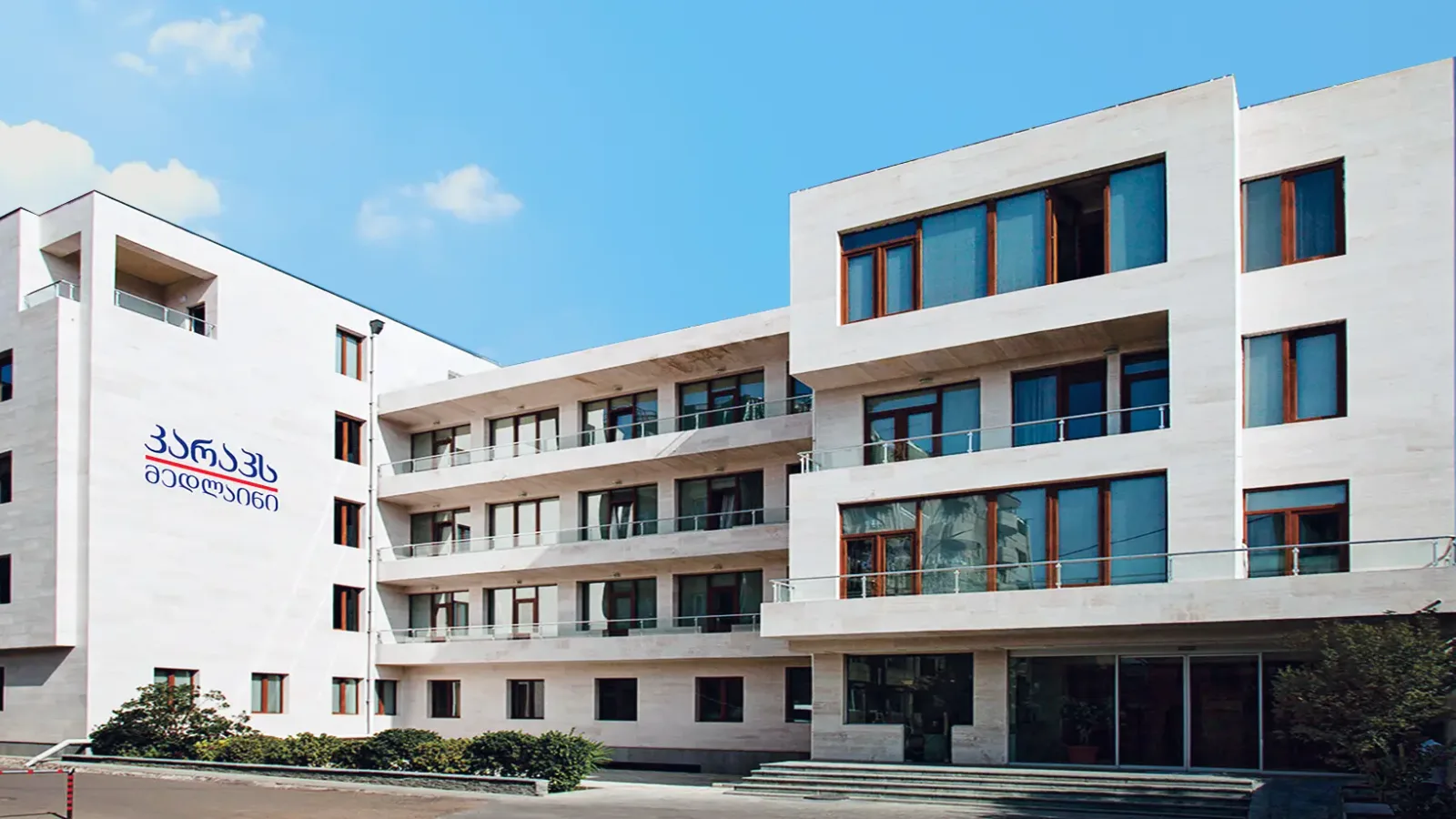
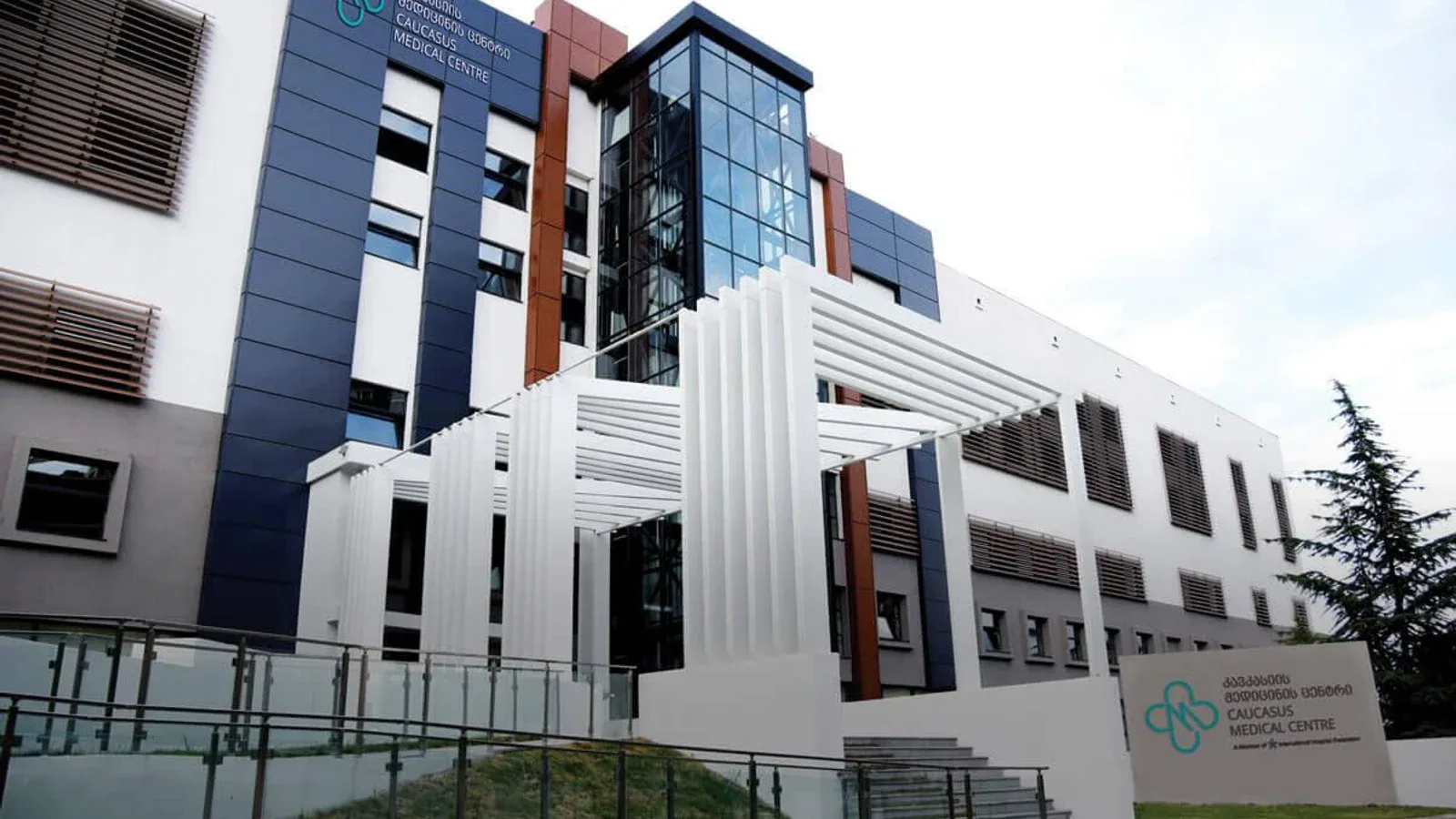
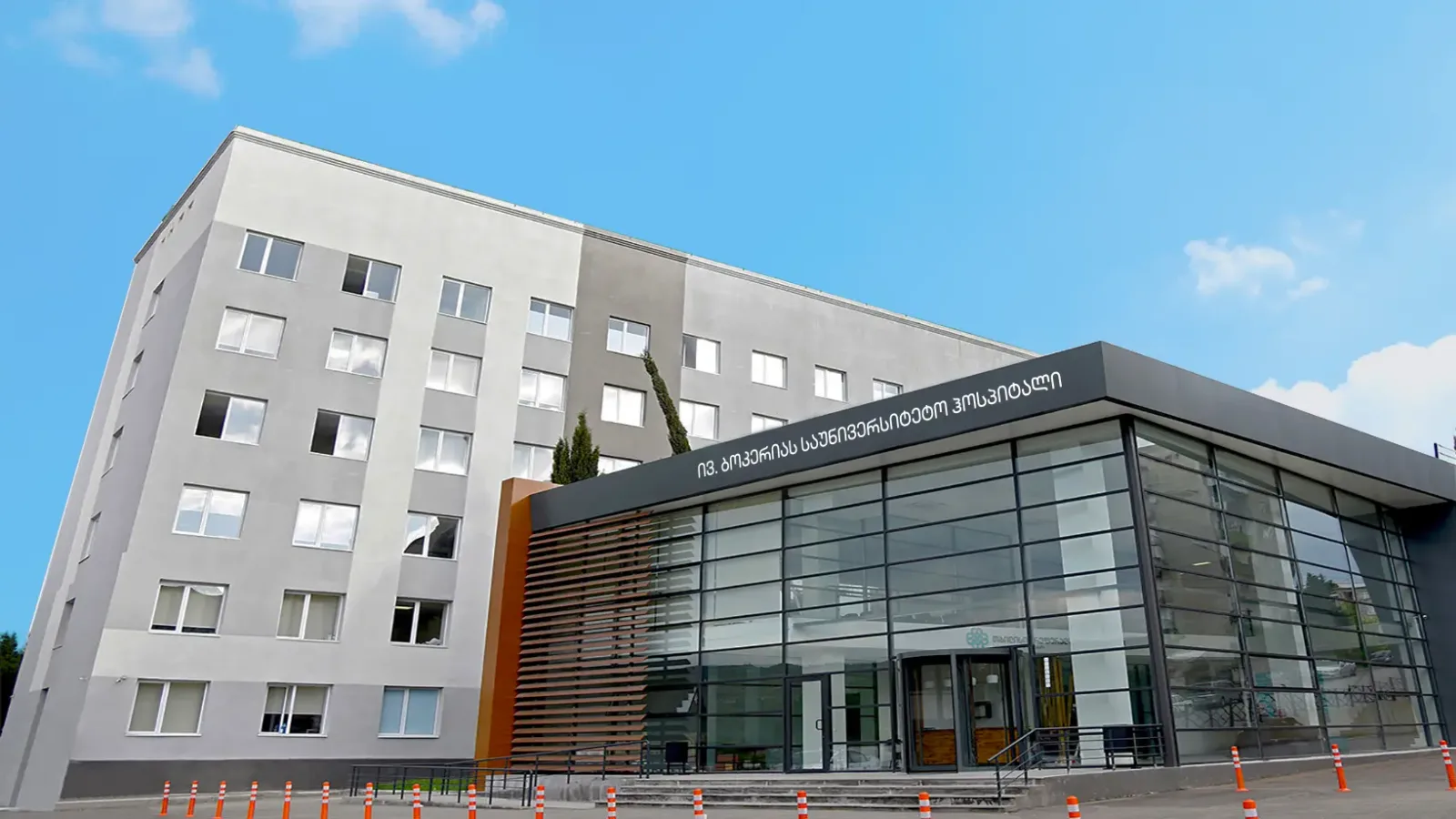
Deep Brain Stimulation (DBS) in Tbilisi is available at 3 hospitals in the Voumed network.
Deep brain stimulation, often called a brain pacemaker, is an implanted system that sends gentle electrical pulses to precise points deep in the brain to calm the abnormal activity behind movement disorders such as Parkinson's disease, essential tremor and dystonia. For people whose tremor, stiffness or slowness can no longer be controlled by medication alone, it can give back steadiness, independence and quality of life, and unlike older operations it does not destroy brain tissue and can be adjusted or switched off at any time. The benefit can be striking, with tremor that lasted years easing within a short time of the system being switched on. Many patients travel abroad for deep brain stimulation to reach experienced functional-neurosurgery teams, precise stereotactic planning and the careful programming that the treatment depends on, often with shorter waiting times than at home.
On this page
At a glance
- Anaesthesia
- usually awake under local anaesthesia for electrode placement; general anaesthesia for the battery
- Hospital stay
- usually 2 to 4 days, sometimes done in two stages a short time apart
- Procedure time
- about 3 to 5 hours, varying with the targets and the approach
- Recovery
- light activity within days; the system is switched on and tuned over the following weeks
- Time before flying home
- usually 1 to 2 weeks, once the wound has healed and initial programming is set
- Results visible
- a clear easing of symptoms as the stimulation is adjusted over the first weeks to months
What it is
Deep brain stimulation is a treatment in which thin electrodes are placed with great precision into specific deep structures of the brain and connected, through wires running under the skin, to a small battery-powered stimulator implanted near the collarbone, much like a heart pacemaker. The stimulator delivers continuous, carefully measured electrical pulses that quieten the disordered signals causing tremor, rigidity, slowness or abnormal posturing. It does not cure the underlying disease, but by helping the brain's movement circuits work more smoothly it can dramatically reduce symptoms and the need for high doses of medication. A key advantage is that the system is fully adjustable: the strength and pattern of stimulation can be fine-tuned to each patient as the disease changes, and the whole system can be turned off or removed if ever needed. The result is a flexible, reversible treatment shaped around the individual.
When it is recommended
Deep brain stimulation is considered when a movement disorder is no longer well controlled by medication, or when medication helps but causes troubling side effects such as involuntary movements or unpredictable swings between good and bad periods. It is most established for advanced Parkinson's disease, essential tremor that does not settle with drugs, and several forms of dystonia, where it can ease tremor, stiffness and abnormal muscle contractions. It is also used in selected cases of drug-resistant epilepsy and certain severe obsessive-compulsive disorder, and research continues into further conditions. It is not the right choice for everyone: candidates are chosen carefully after detailed assessment, because the treatment works best in people whose symptoms still respond at least partly to medication and who do not have advanced memory problems. The aim throughout is a clear, lasting gain in daily function.
How it is performed
Planning begins with high-resolution brain imaging that is fed into a computer to calculate the exact target points, often within a millimetre. Electrode placement is usually carried out with the patient awake but comfortable under local anaesthesia, because the brain has no pain nerves and being awake lets the team test the stimulation and confirm it eases symptoms without unwanted effects before fixing the electrodes. A precise guiding frame or frameless navigation holds the trajectory, and in some centres the placement is done fully asleep using detailed imaging to verify position. Once the electrodes are correctly sited, a second, shorter step under general anaesthesia tunnels the connecting wires under the skin and implants the stimulator near the collarbone or in the chest. The procedure is often staged, with the stimulator placed at the same sitting or a short time later. The whole operation usually takes about 3 to 5 hours. The system is generally switched on a little later, once early swelling settles, and then programmed over several visits.
Candidacy and preparation
A suitable candidate is someone with a confirmed movement disorder whose symptoms still respond at least partly to medication but can no longer be controlled well enough, and who is healthy enough for surgery. Careful selection is essential: before surgery, patients undergo detailed neurological assessment, specialised imaging, a trial that confirms how far symptoms respond, and a cognitive and psychological evaluation, since the treatment is offered only to those likely to gain a clear benefit. Memory testing matters because advanced memory problems can make the treatment less suitable. Preparation also includes routine blood tests, heart checks and a medication review, with blood thinners adjusted in advance on medical advice. For international patients much of this work-up can begin remotely: recent scans, medication lists and symptom histories are reviewed before travel so that, on arrival, the assessment can be completed and surgery planned efficiently.
Recovery and planning your treatment abroad
After surgery most patients stay in hospital for about 2 to 4 days, with the wounds healing over the following one to two weeks. The stimulation is usually not switched on straight away; once early swelling settles, the system is activated and then carefully programmed, with the settings adjusted over several visits and refined in the weeks and months that follow to find the best balance of benefit and comfort. When planning treatment abroad, it is sensible to allow roughly 1 to 2 weeks in the destination city so the wound can heal, the system can be switched on and the first programming session completed before flying. Air travel is generally safe once the team confirms the wound is healing well; staff can provide a card or note about the implanted device for security checks. Further fine-tuning of the settings can often be arranged with a specialist near home or continued remotely, and the battery is checked periodically and eventually replaced in a short procedure. International patient teams provide interpreters and coordinators throughout so language is never a barrier.
Risks, safety and results
In experienced hands and a properly equipped hospital, deep brain stimulation is a well-established and relatively safe operation, and because it does not destroy brain tissue it is reversible and adjustable. As with any brain surgery it carries some risk, including a small chance of bleeding or infection, and the implanted hardware can occasionally need adjustment or, rarely, revision. Stimulation-related effects such as tingling, changes in speech, mood or balance are usually mild and can often be corrected by changing the settings, which is one of the strengths of an adjustable system. The benefit is measured by how much daily life improves: in well-selected patients, tremor, stiffness and slowness ease substantially, many reduce their medication, and independence returns. The treatment does not stop the underlying disease from progressing, but it can give years of better function and comfort. With careful patient selection, precise placement and attentive programming, most patients gain a clear and lasting improvement.
Frequently asked questions
These answers are general guidance and may vary by provider. Confirm the details with the hospital you choose.
Is deep brain stimulation a cure?
No. Deep brain stimulation does not cure or stop the underlying disease, but it can greatly ease symptoms such as tremor, stiffness and slowness and improve quality of life. Because the system is adjustable and reversible, the stimulation can be fine-tuned over time and switched off or removed if ever needed.
Will I be awake during the surgery?
For placing the electrodes, you are usually awake but comfortable under local anaesthesia, so the team can test the stimulation and confirm it eases your symptoms before fixing them in place. The brain has no pain nerves, so this is not painful. Implanting the battery near the collarbone is done under general anaesthesia.
How many days should I plan to stay abroad?
Plan for roughly 1 to 2 weeks in the destination city. This allows for the surgery, a hospital stay of about 2 to 4 days, wound healing, switching the system on once early swelling settles and a first programming session before you are cleared to fly home.
When will I feel the benefit?
Some effects, especially on tremor, can be felt soon after the system is switched on, but the full benefit builds gradually as the settings are tuned over the first weeks to months. Programming is a process, and several adjustments are usually needed to find the best result for you.
When can I fly home after the operation?
Most patients fly home once the wounds have healed and the first programming session is done, usually around 1 to 2 weeks after surgery. Staff can give you a card or note about your implanted device to show at airport security, where you should ask for a hand search rather than walking through certain scanners.
How is the device adjusted and maintained?
The settings are programmed and fine-tuned by a specialist, often over several visits, and can be adjusted as your needs change. Follow-up tuning can frequently be arranged near your home or continued remotely. The battery is checked periodically and, after some years, replaced in a short, simpler procedure.
Who is not suitable for deep brain stimulation?
It is not the right choice for everyone. People whose symptoms no longer respond at all to medication, or who have advanced memory problems or certain other conditions, may not benefit. This is why a detailed assessment, including imaging and cognitive testing, is done first, so the treatment is offered only to those likely to gain a clear benefit.
Not sure which hospital fits your case?
Upload your medical records and let AI match you to the right hospital.
Upload records and get matchedAvailable at these hospitals
Specialties
Not sure which hospital fits your case?
Upload your medical records and let AI match you to the right hospital.
Upload records and get matched