Laparoscopic Gynecologic Surgery
Tbilisi
Laparoscopic Gynecologic Surgery in Tbilisi is available at 3 hospitals in the Voumed network.
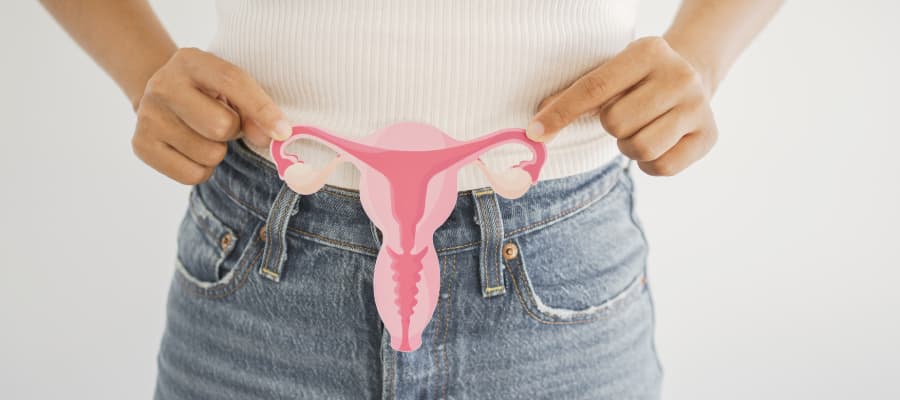
Laparoscopic gynaecological surgery treats a wide range of conditions of the womb, ovaries and pelvis through a few small keyhole incisions instead of one large abdominal cut, which means less pain, less blood loss, a much smaller scar and a far quicker return to normal life. A thin camera and fine instruments are passed through openings of about half a centimetre to one centimetre, giving the surgeon a magnified view of the pelvic organs on a screen. The same approach handles everything from removing fibroids and ovarian cysts to hysterectomy and the surgery of endometriosis, often as a single planned operation. Many women travel abroad for this surgery to reach experienced minimally invasive teams and modern operating facilities, and because the recovery is so quick it fits a medical trip particularly well. With good planning, the operation, a short recovery and the first check can all be completed in a single visit.
On this page
At a glance
- Anaesthesia
- general anaesthesia
- Hospital stay
- day case or one overnight stay for most procedures
- Procedure time
- about 1 to 3 hours, depending on the condition treated
- Recovery
- light activities within a few days; back to most routines in 1 to 2 weeks
- Time before flying home
- usually about 5 to 7 days, once the surgeon confirms healing
- Results
- symptom relief is often immediate, with the body settling fully over a few weeks
What it is
Laparoscopic gynaecological surgery, also called keyhole surgery, is a minimally invasive way of operating inside the pelvis. The surgeon makes a small incision near the navel and passes through it a laparoscope, a slim tube carrying a light and a high-definition camera, then gently inflates the abdomen with carbon dioxide gas to create space to work. Two or three further tiny incisions allow fine instruments to be introduced, and the whole operation is carried out while the surgeon watches a magnified, well-lit image on a monitor. Because the abdominal wall is barely disturbed, the body suffers far less trauma than in open surgery, which translates into less pain, a lower risk of wound infection and internal scar tissue, and a much faster recovery. The same technique covers the full range of gynaecological operations, from a simple cyst removal to the careful surgery of advanced endometriosis or early cancer, with the more complex cases sometimes performed with the help of a surgical robot.
When it is recommended
Laparoscopy is recommended whenever a pelvic condition needs surgery but can be reached safely through keyhole access, which today covers most gynaecological operations. It is commonly used to remove uterine fibroids while keeping the womb intact, a procedure called myomectomy that suits women who wish to preserve fertility; to remove the womb when fibroids, adenomyosis, heavy bleeding or early cancer make that necessary; and to diagnose and treat endometriosis, for which laparoscopy is the recognised gold standard because it allows the deposits to be both seen and removed. It is also used to remove ovarian cysts while sparing the ovary, to treat an ectopic pregnancy, to repair a prolapse of the womb or vaginal vault, and to investigate chronic pelvic pain or unexplained infertility. The right choice between keyhole, robotic and open surgery is made after imaging and assessment, balancing the diagnosis, its complexity and the patient's wishes, especially regarding future fertility.
How it is performed
The operation is carried out under general anaesthesia, so the patient is asleep and feels nothing. After a small incision at the navel, the laparoscope is inserted and the abdomen is gently inflated with gas to open up a clear working space; two or three further incisions of about half a centimetre take the instruments. The surgeon then performs the specific procedure under the magnified view: in a myomectomy the fibroids are dissected out and the womb is repaired in layers with absorbable stitches; in a hysterectomy the womb is freed and removed, usually through the vagina, with or without the cervix; in endometriosis surgery the deposits are precisely excised or destroyed and any affected structures carefully separated; and cysts are removed while as much healthy ovary as possible is preserved. The gas is then released, the instruments are withdrawn and the tiny incisions are closed with a stitch or surgical glue. Most procedures take between one and three hours depending on their complexity, and the small wounds leave only faint marks once healed.
Candidacy and preparation
A good candidate is a woman whose condition is suited to keyhole surgery and who is generally fit for a general anaesthetic, though many factors such as previous abdominal operations or the size of a fibroid are weighed when choosing the approach. Preparation begins with a clear diagnosis, usually from a pelvic ultrasound and, when needed, an MRI, along with blood tests and any swabs or smear results required before surgery. The team explains the planned procedure, its goal and its effect on fertility, and reviews current medicines, pausing blood thinners in advance on medical advice. Smoking is best stopped beforehand to aid healing. For international patients, much of this can begin remotely: scans, reports and a health questionnaire can be reviewed before travel so that the plan is largely agreed in advance, with the final assessment, any remaining tests and consent completed in person shortly before the operation.
Recovery and planning your treatment abroad
Recovery from keyhole gynaecological surgery is notably quick. Most patients go home the same day or after one night, with only mild discomfort that is easily controlled by simple painkillers, and the small wounds need little care. A common, harmless after-effect is some shoulder-tip discomfort from the gas used during surgery, which clears within a day or two. Light activities and gentle walking are encouraged within a few days, desk work and most routines return within one to two weeks, and more strenuous activity such as sport and heavy lifting is avoided for about four to six weeks. Planning a trip abroad, it is sensible to stay in the destination city for roughly 5 to 7 days, which covers the operation, a short rest and a first check that healing is on track before flying. Air travel is comfortable once the surgeon confirms recovery is progressing well at that visit. Afterwards, follow-up continues remotely by message or video, and any specific advice on physical or sexual activity is provided in writing, with interpreter support available throughout.
Risks, safety and results
In experienced hands and a proper hospital setting, laparoscopic gynaecological surgery is safe and very well established, and its keyhole nature actually lowers several risks compared with open surgery, including wound infection, blood loss and the formation of internal adhesions. As with any operation it still carries some risk: minor effects such as bruising at the incisions, temporary bloating and the shoulder discomfort from the gas are common and settle quickly. Less common risks include bleeding, infection, a blood clot, or injury to a nearby structure such as the bowel, bladder or a ureter, and in a small number of cases the surgeon may need to convert to open surgery to complete the operation safely. The results are generally excellent: fibroid and cyst removal relieves symptoms directly, endometriosis surgery brings significant pain relief and can improve fertility, and fertility-preserving procedures protect the chance of future pregnancy. Choosing a skilled team, allowing enough recovery time before flying and following the aftercare advice are the keys to a safe experience and a lasting result.
Frequently asked questions
These answers are general guidance and may vary by provider. Confirm the details with the hospital you choose.
What is laparoscopic gynaecological surgery and how is it different from open surgery?
It is keyhole surgery for conditions of the womb, ovaries and pelvis, done through a few incisions of about half a centimetre to one centimetre using a camera and fine instruments, instead of a single large abdominal cut. Compared with open surgery it causes less pain, less blood loss, a much smaller scar, a lower risk of wound infection, and a far quicker recovery, which is why it has become the standard for most gynaecological operations.
Which conditions can be treated this way?
A very wide range, including uterine fibroids (myomectomy), removal of the womb (hysterectomy), endometriosis, ovarian cysts including endometriomas, ectopic pregnancy, prolapse of the womb or vaginal vault, adenomyosis, and the investigation of chronic pelvic pain or infertility. Some early gynaecological cancers are also treated laparoscopically. The right approach is decided after imaging and assessment of your specific case.
Will I still be able to have children afterwards?
Many laparoscopic procedures are specifically designed to preserve fertility. A myomectomy removes fibroids while keeping the womb intact, cyst removal spares as much healthy ovary as possible, and endometriosis surgery can actually improve the chance of pregnancy. A hysterectomy, by contrast, removes the womb and ends fertility, so the choice of procedure is discussed carefully with your goals in mind before any operation.
How long should I plan to stay abroad?
Most people plan to stay in the destination city for about 5 to 7 days. This allows time for the final assessment and the operation, a short rest, and a first check that healing is on track before you fly home. Because recovery from keyhole surgery is quick, this is usually enough even for more involved procedures.
When can I fly home after the surgery?
Most patients can fly home around 5 to 7 days after surgery, once the surgeon confirms at the follow-up check that healing is progressing well. Flying earlier is sometimes possible after a simple, short procedure, but waiting for that check is safer and lets any early issue be dealt with before you travel.
Is the recovery painful, and how soon can I return to normal life?
Discomfort is usually mild and well controlled with simple painkillers, much less than after open surgery. Light activities and walking are encouraged within a few days, desk work and most routines return within one to two weeks, and strenuous activity such as sport and heavy lifting is avoided for about four to six weeks. After procedures involving the womb, the surgeon gives specific advice on physical and sexual activity during healing.
How does follow-up work once I am home?
Your surgeon provides a written summary of the procedure and an aftercare plan, and stays reachable for remote follow-up by message or video. Routine tasks such as removing any non-dissolving stitches or reviewing a pathology result can be coordinated with a doctor near your home, and interpreter support is available throughout so that language is never a barrier.
Not sure which hospital fits your case?
Upload your medical records and let AI match you to the right hospital.
Upload records and get matchedAvailable at these hospitals
Specialties
Not sure which hospital fits your case?
Upload your medical records and let AI match you to the right hospital.
Upload records and get matched