Spinal Surgery

Spinal Surgery

Tbilisi

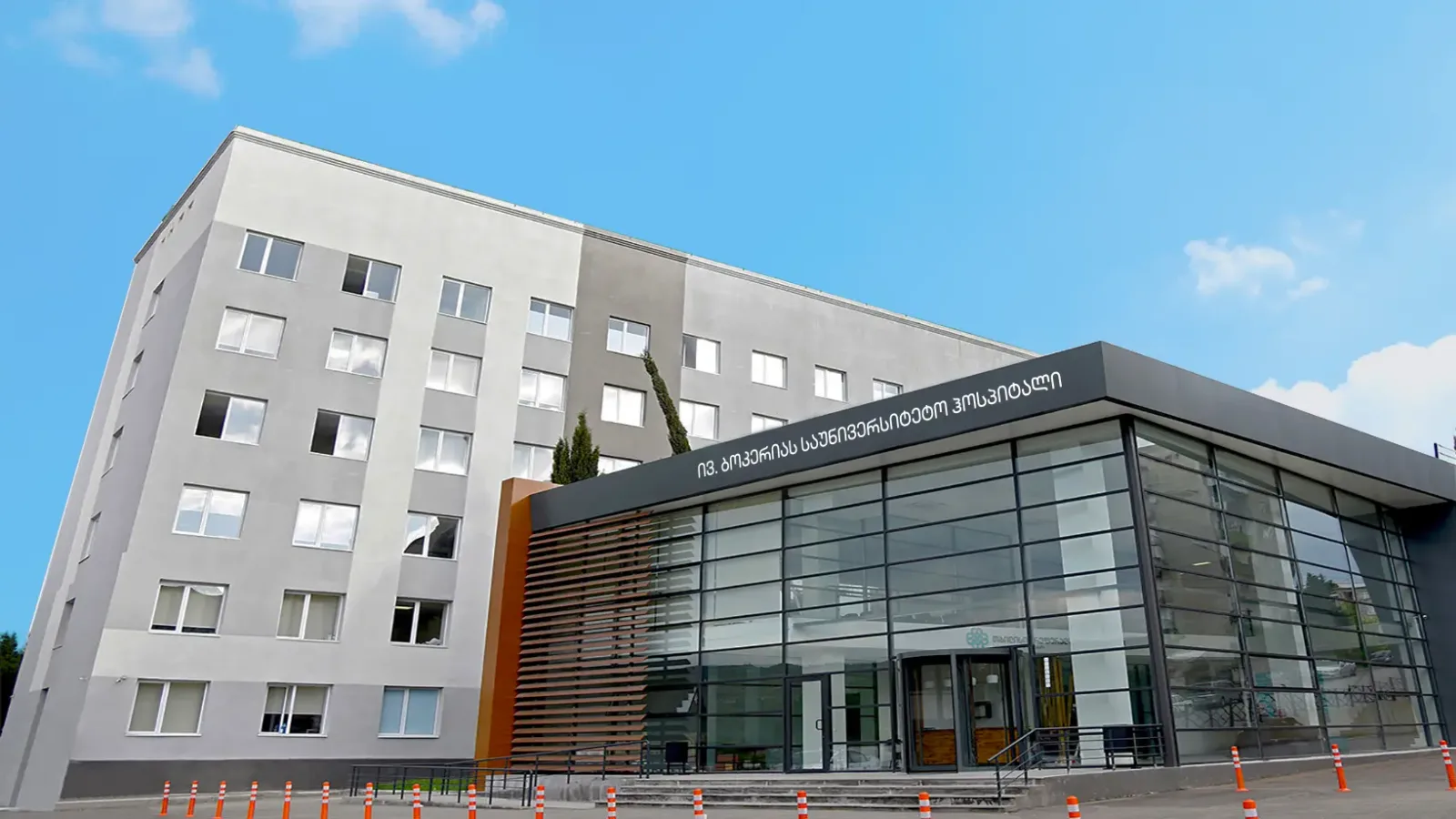
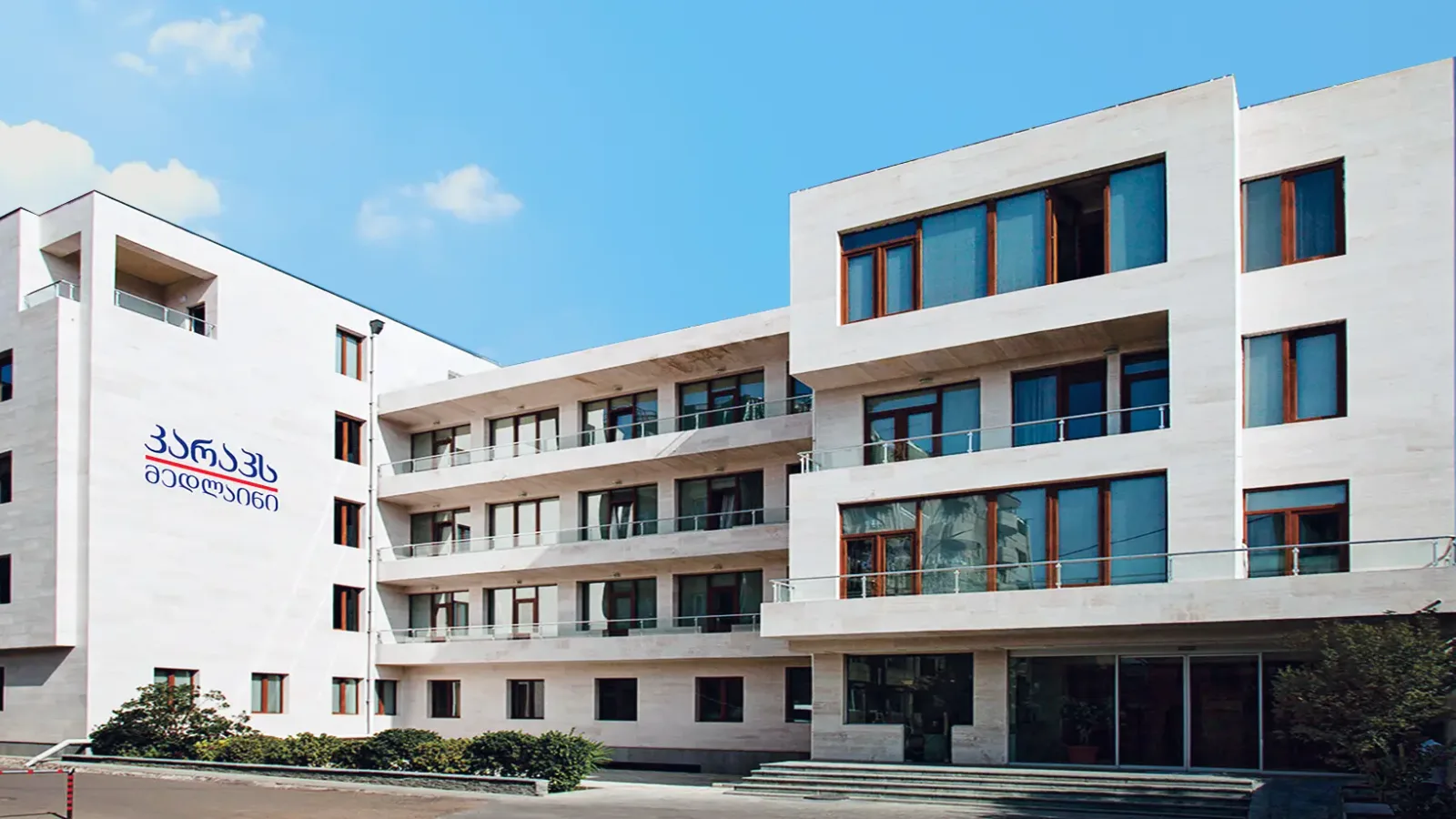
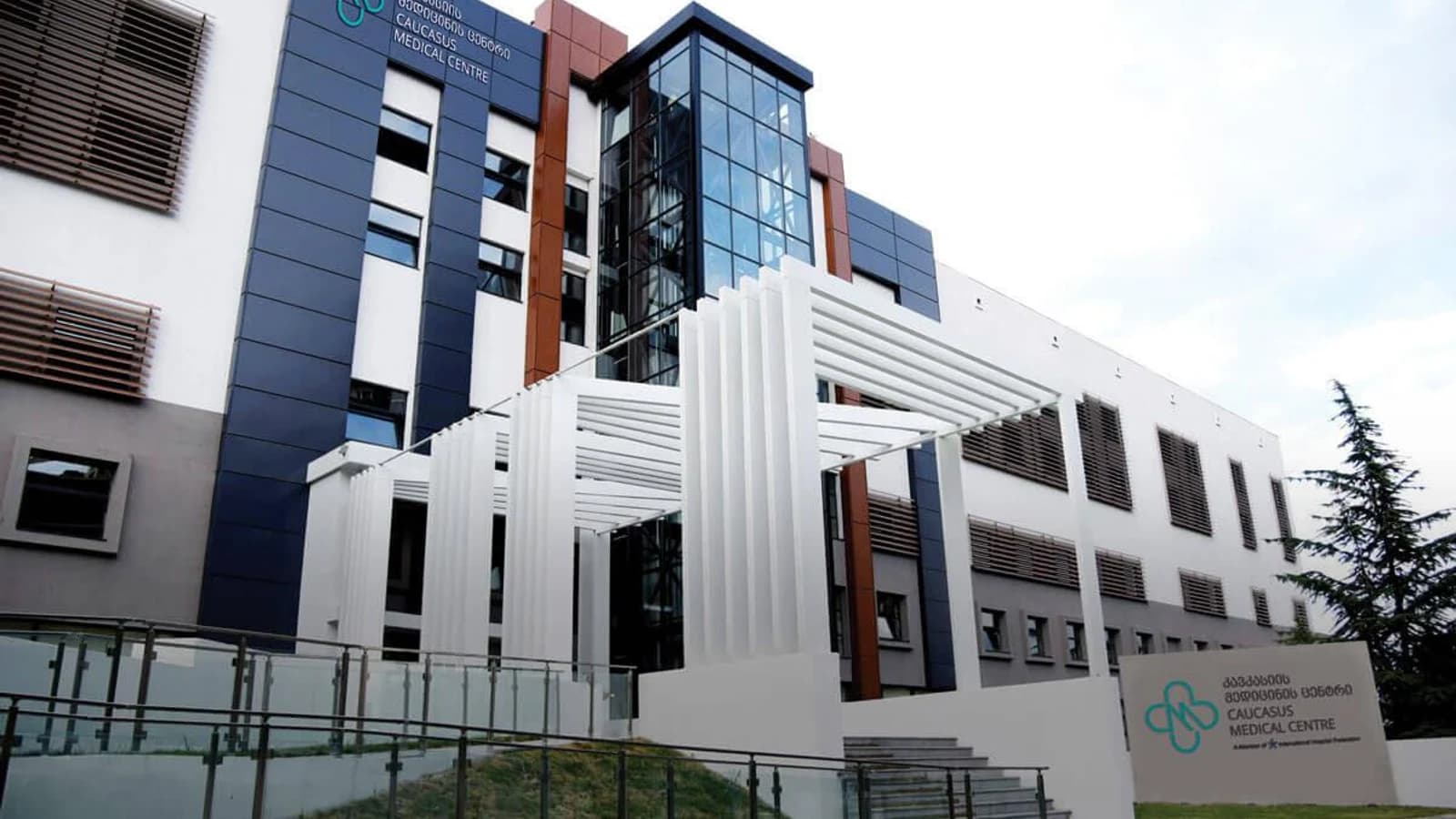
Spinal Surgery in Tbilisi is available at 3 hospitals in the Voumed network.

Spinal surgery treats problems of the spine such as a herniated disc, a narrowed spinal canal or a pinched nerve that causes pain, weakness or numbness in the back, legs or arms. One of its most modern forms is fully endoscopic surgery, performed through a tiny opening of only six to seven millimetres, which lets the surgeon remove the herniated tissue while sparing muscle and bone, so many patients go home the same day and return to normal life within about a week. The great majority of spine problems never need an operation and settle with rest, medication and physical therapy, so surgery is reserved for the smaller group who truly need it. Many patients travel abroad for spinal surgery to reach experienced spine teams, minimally invasive techniques and modern operating-room technology gathered under one roof, often with shorter waiting times than at home.

On this page

At a glance

Anaesthesia
general, spinal or local anaesthesia, depending on the operation
Hospital stay
often same-day or one night for endoscopic disc surgery; a few days for larger operations
Procedure time
about 30 to 90 minutes for a disc, longer for complex spine surgery
Recovery
light daily activity within days; most return to work within about a week after endoscopic surgery
Time before flying home
usually 7 to 14 days, once the wound has healed and the team approves
Results visible
leg or arm pain from a pinched nerve often eases right after surgery

What it is

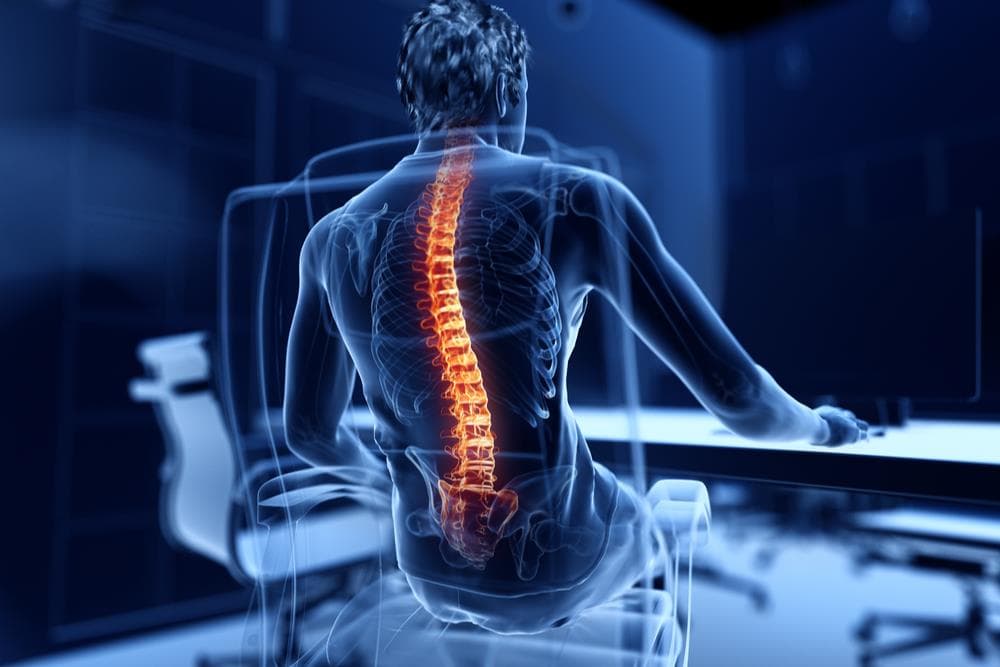
Spinal surgery is a group of operations that relieve pressure on the nerves of the spine or stabilise the spinal column. The most common reason is a herniated disc, also called a slipped disc, one of the most frequent health problems of our time, which can occur at almost any age when the soft cushion between two vertebrae bulges out and presses on a nearby nerve. The classic symptom is pain that shoots down a leg or arm, sometimes with numbness or weakness. Other reasons for surgery include a narrowed spinal canal that cramps the nerves, and instability of the spine. Importantly, about 97 to 98 percent of people with a herniated disc get better without surgery; only a small group truly need an operation. For that group, modern techniques aim to fix the problem through the smallest possible opening, protecting the muscle and bone around the spine so recovery is quick and comfortable.

When it is recommended

Surgery is recommended only for the small share of patients whose symptoms are severe, do not improve with non-surgical care, or signal nerve damage that should not be left untreated. Clear reasons to operate without delay include severe and persistent leg or arm pain, progressive loss of strength in a limb, or loss of control of the bladder or bowel, which is an emergency. For a herniated disc that is causing disabling pain but no urgent nerve damage, surgery is usually considered once a reasonable period of rest, medication and physical therapy has not brought enough relief. A narrowed spinal canal may be treated surgically when walking distance shrinks and standing becomes painful despite non-surgical measures. The choice of operation depends on the exact problem and its position in the spine, and the decision is made together with the patient after imaging confirms the cause and the necessary checks confirm fitness for surgery.

How it is performed

The operation is planned from detailed imaging, usually MRI, that pinpoints the herniation or narrowing. In fully endoscopic disc surgery, the most minimally invasive option, the surgeon reaches the affected disc through a six to seven millimetre incision in the back or side using a small camera, passing between the muscles without cutting bone, and removes the herniated tissue that is pressing on the nerve; a skin incision of about seven millimetres is enough, and this operation usually takes only about thirty to forty minutes. Because the work happens in such a small area, tissue damage and bleeding are minimal and the chance of scar adhesions is lower than with older methods. Anaesthesia is flexible: the procedure can be done under general anaesthesia with the patient asleep, spinal anaesthesia that numbs from the waist down, or local anaesthesia that numbs only the operated area, which is especially valuable for patients who cannot have general anaesthesia. Larger or more complex spine operations, for stenosis or instability, may use microsurgical decompression or stabilisation and take longer. The surgeon chooses the least invasive technique that fully solves the problem.

Candidacy and preparation

A suitable candidate is someone whose imaging clearly shows a problem, such as a herniated disc or a narrowed canal, that matches their symptoms and is likely to improve with surgery, and who is well enough for the operation. The endoscopic method can be offered to essentially all patients who need herniated disc surgery, and unlike some other techniques it is not made more difficult by being overweight. Preparation begins with the imaging and clinical assessment that confirm the diagnosis and the right operation, followed by routine pre-operative tests such as blood work and, where appropriate, heart checks, and a review of all medicines, with blood thinners adjusted in advance on medical advice. A clear discussion of the goals and realistic expectations is part of planning. For international patients much of this can begin remotely: recent scans and reports are reviewed before travel, so on arrival the plan can be confirmed quickly and surgery scheduled with little delay.

Recovery and planning your treatment abroad

Recovery from minimally invasive disc surgery is usually quick. Many patients are discharged the same day or after one night, walk soon afterwards and return to daily and social life within a week, with most going back to work within about that time; bleeding is minimal compared with older techniques. In the early weeks it is important to rest sensibly, avoid heavy lifting, follow the surgeon's advice and build activity up gradually, after which even very active people can return to their previous pace. Larger spine operations need a longer, more graded recovery, often supported by physical therapy. When planning treatment abroad, it is sensible to allow roughly 7 to 14 days in the destination city so the wound can heal, stitches can be removed if needed and a follow-up check completed before flying. Air travel is generally comfortable once the surgeon confirms healing is on track, with simple precautions such as moving around during a long flight. Afterwards, follow-up continues remotely by message, shared scans and video, rehabilitation can be arranged near home, and international patient teams provide interpreters and coordinators so language is never a barrier.

Risks, safety and results

In experienced hands and a properly equipped hospital, spinal surgery is a safe and well-established treatment, and minimally invasive techniques are designed specifically to keep risks low by sparing muscle and bone. As with any surgery there is some risk, including infection, bleeding, a reaction to anaesthesia, or, less commonly, nerve irritation, a leak of spinal fluid, or a disc herniation that returns at the same level. Endoscopic surgery, by working through a tiny opening, keeps tissue damage, bleeding and the chance of scar adhesions lower than older approaches. The benefit is often immediate and clear: leg or arm pain caused by a pinched nerve frequently eases right after the pressure is relieved, and most patients return quickly to an active life. Numbness or weakness that was present before surgery may improve more gradually as the nerve recovers. Choosing an experienced team, allowing enough time before flying and following the aftercare and rehabilitation advice are the keys to a safe experience and a lasting result.

Frequently asked questions

These answers are general guidance and may vary by provider. Confirm the details with the hospital you choose.

Do I really need surgery for a herniated disc?

Usually not. About 97 to 98 percent of people with a herniated disc improve without surgery, using rest, medication and physical therapy. Surgery is for the small group with severe pain that does not settle, or with warning signs such as progressive weakness or loss of bladder or bowel control, which needs urgent treatment.

What anaesthesia is used for disc surgery?

It is flexible. Endoscopic disc surgery can be done under general anaesthesia with you asleep, spinal anaesthesia that numbs you from the waist down, or local anaesthesia that numbs only the operated area. The local option is especially valuable for patients who cannot safely have general anaesthesia.

How long is the hospital stay?

For fully endoscopic disc surgery, many patients go home the same day or after one night. Larger or more complex spine operations, such as those for a narrowed canal or instability, usually need a few days in hospital so recovery and the wound can be monitored before discharge.

How many days should I plan to stay abroad?

Plan for roughly 7 to 14 days in the destination city. This covers the surgery, a short rest, wound healing, removal of any stitches and a follow-up check confirming that healing is on track before you are cleared to fly home.

When can I fly home after spine surgery?

Most patients fly home once the wound has healed and the surgeon confirms recovery is progressing well, usually around 7 to 14 days after surgery depending on the operation. On the flight, simple steps such as getting up and moving around help; your team will give you specific advice for the journey.

How quickly will I recover and get back to work?

After endoscopic disc surgery, recovery is usually quick: most people return to daily life within a week and to work within about that time. It is important to avoid heavy lifting and increase activity gradually at first. Larger operations need a longer recovery, often with physical therapy to rebuild strength.

How does follow-up work once I am home?

You receive a written aftercare and rehabilitation plan, and your surgeon stays reachable for remote follow-up by message, shared scans and video. Physical therapy and routine tasks such as removing stitches can be done by a clinician near your home, and interpreter support is available throughout so nothing is lost in translation.

Not sure which hospital fits your case?

Upload your medical records and let AI match you to the right hospital.

Upload records and get matched

Available at these hospitals

Specialties

Not sure which hospital fits your case?

Upload your medical records and let AI match you to the right hospital.

Upload records and get matched