

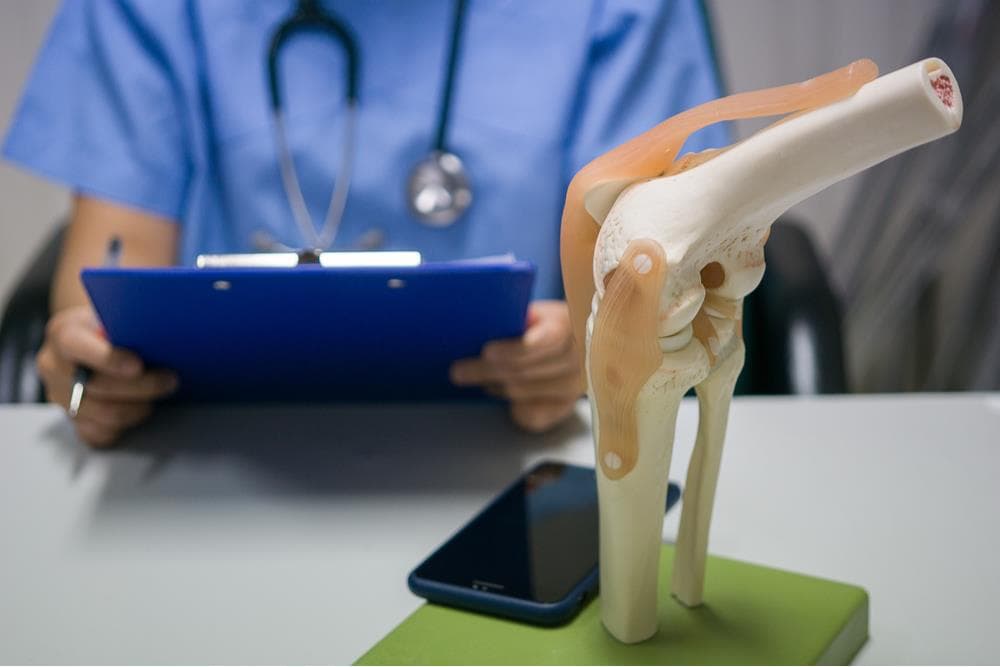
Orthopedics and Traumatology

Orthopedics and Traumatology is available at 34 hospitals across 13 cities in the Voumed network.
34 hospitals provide care in this specialty across 7 countries through the Voumed network; 23 of them hold JCI accreditation.
Orthopedics and traumatology is the field that keeps the body moving, caring for the whole musculoskeletal system of bones, joints, ligaments, tendons, muscles and the nerves that serve them. It treats worn and arthritic joints, sports injuries, fractures and dislocations, spine and disc problems, hand and foot conditions, and the orthopedic conditions of childhood. The aim is always the same: to relieve pain and restore confident, full movement, whether through physiotherapy and minor procedures or major surgery such as joint replacement. Patients often travel abroad for this care because procedures like hip and knee replacement and arthroscopic surgery rely on experienced teams, modern implants and rehabilitation, and because they can combine a planned operation with a focused recovery before returning home.
Key takeaways
- Two halves share one clinic: slow structural wear such as arthritis on one side, sudden breaks and dislocations on the other, both aimed at pain free movement.
- An operation is not the automatic answer, since physiotherapy, injections and other conservative measures settle a large share of complaints before any incision.
- Keyhole work inside a joint often sends the patient home the same day, while a new hip or knee usually holds them a few nights on the ward.
- Computer navigation and robotic assistance seat an implant to fine tolerances, which supports smooth function and a longer working life for the replacement.
- Swelling and clot risk after lower limb surgery push the flight home back by roughly two weeks, so a stay of one to three weeks is planned from the start.
On this page
At a glance
- Sub-specialties
- joint replacement, sports traumatology and arthroscopy, hand surgery, pediatric orthopedics, spine surgery, foot and ankle surgery, limb lengthening
- Common procedures
- knee and hip replacement, arthroscopic knee and shoulder surgery, ligament and meniscus repair, fracture fixation, disc and spine surgery, tendon repair
- Common reasons to travel
- experienced surgical teams, modern implants and technology, structured rehabilitation, shorter waiting times
- Typical hospital stay
- day case for many arthroscopic procedures, 1 to 4 nights for joint replacement and major surgery
- Anaesthesia
- general or regional (spinal) for major surgery, local or regional for smaller procedures, chosen with the patient
- Typical first step
- a consultation with examination and imaging, so the cause of pain or loss of movement is understood before any plan
Overview
Orthopedics and traumatology brings together two closely linked parts. Orthopedics deals mainly with chronic and structural problems of the musculoskeletal system, including arthritis, worn joints, congenital and acquired deformities and conditions that develop over time, while traumatology covers the urgent care of sudden injuries such as fractures and dislocations from falls, sport or accidents. The shared goal is to return patients of any age to pain free, fully functional movement. Because of this, treatment reaches well beyond the operating room to include preventive advice, physiotherapy, rehabilitation and non-surgical options, and the right path is chosen for each person and each problem rather than applied as a single standard route.
Conditions and sub-specialties
The range of conditions is broad. Joint replacement and arthroplasty treat hips, knees and other joints worn by arthritis. Sports traumatology and arthroscopy address ligament tears such as the anterior cruciate ligament, meniscus and cartilage injuries, and recurrent dislocations. Hand surgery and microsurgery treat nerve compression, tendon injuries, trigger finger and complex hand problems. Pediatric orthopedics cares for developmental hip dysplasia, bone and limb differences and childhood fractures. Spine surgery manages disc herniation, narrowed canals, scoliosis and instability. Foot and ankle surgery, limb lengthening and deformity correction, and orthopedic oncology complete the picture. Common reasons people seek care include knee and hip osteoarthritis, back and neck pain, rotator cuff and shoulder problems, tennis elbow, heel pain, sciatica and fractures of all kinds.
Common treatments and procedures
Care ranges from simple measures to advanced reconstruction. Many problems improve with physiotherapy, rehabilitation, injections and other non-surgical treatments, and these are often the first step. When surgery is needed, arthroscopy uses a small camera and instruments through tiny incisions to repair a torn meniscus, reconstruct a ligament or clean up a damaged joint, usually with a faster recovery. Joint replacement removes a worn hip or knee and replaces it with a durable implant to restore pain free movement, increasingly with computer assisted or robotic precision in planning the implant position. Traumatology fixes broken bones with plates, screws, rods and other techniques so they heal in the correct position. Hand, spine and foot procedures, tendon and ligament repair, and limb lengthening round out a wide surgical toolkit, with each plan built around the individual.
Diagnostics and technology
Good orthopedic care starts with a precise diagnosis. The journey begins with a thorough clinical examination that tests movement, strength and stability, supported by imaging that maps the problem in detail, including x-ray for bones and alignment, MRI for ligaments, cartilage and soft tissue, CT for complex fractures and bone shape, and ultrasound for tendons. Gait and motion analysis can be used for complex or pediatric cases. In surgery, modern technology improves accuracy: arthroscopic cameras allow keyhole repair inside a joint, while computer navigation and robotic assistance help position implants in joint replacement very precisely, which supports good function and longer implant life. After surgery, structured physiotherapy and rehabilitation are an essential part of the technology of recovery, guiding the joint or bone safely back to strength.
What to expect as an international patient
For people who travel, care usually begins with a remote review of symptoms and any existing scans, so a provisional plan and likely length of stay are clear before arrival. An in person examination and any further imaging then confirm the diagnosis and the recommended treatment. Stay depends on the procedure: many arthroscopic operations are day cases, while joint replacement typically means a few nights in hospital followed by early rehabilitation nearby before flying. After major lower limb surgery, a short wait reduces the risk of swelling and clots, so most patients plan one to three weeks in the destination city in total. The team provides a clear rehabilitation plan and remote follow-up for home, and interpreter and international patient support help with coordination, consent and daily questions throughout.
Frequently asked questions
These answers are general guidance and may vary by provider. Confirm the details with the hospital you choose.
What is the difference between orthopedics and traumatology?
Orthopedics deals mainly with chronic and structural musculoskeletal conditions such as arthritis, worn joints and deformities, while traumatology manages sudden injuries such as fractures and dislocations from falls, sport or accidents. The two work as one team, so you are guided to the right treatment whether your problem developed over time or happened in an instant.
How long should I plan to stay abroad for a joint replacement?
It depends on the operation and your recovery. Many arthroscopic procedures are day cases needing only a short stay, while a hip or knee replacement usually means a few nights in hospital and early rehabilitation nearby, with most patients planning one to three weeks in the destination city in total before it is safe to fly home.
Will I have a general anaesthetic, or can it be done with a spinal or regional block?
Both are used. Major surgery such as joint replacement is often done under general or regional (spinal) anaesthesia, while smaller arthroscopic or hand procedures may use regional or local anaesthesia. The choice is made with you during planning, based on the procedure and your health.
When can I fly home after orthopedic surgery?
After keyhole surgery many patients can travel within a few days, while after a hip or knee replacement a wait of about two weeks is usually advised to lower the risk of swelling and blood clots. Your surgeon will give clear, personalised advice and may suggest measures for the flight before you book your return.
Is surgery always needed, or can my problem be treated without an operation?
Surgery is not always needed. Many orthopedic conditions improve with physiotherapy, rehabilitation, injections and other non-surgical measures, which are often tried first. An operation is recommended only when it offers the best result for your particular problem, and the approach is always chosen for the individual.
Is it safe to travel abroad for orthopedic surgery?
It can be, when care is provided by experienced surgical teams in a properly equipped hospital with modern implants and structured rehabilitation. Sharing your scans in advance, choosing an accredited centre, allowing enough recovery time before flying and following the rehabilitation plan are the keys to a safe experience and a good result.
Will there be interpreter or language support during my stay?
Yes. International patient services commonly include interpreters and coordinators who help with appointments, consent, instructions and everyday questions, so that language is never a barrier to understanding your treatment and your rehabilitation.
How does rehabilitation and follow-up work once I am home?
Your team gives you a written rehabilitation plan with exercises and milestones, and arranges remote follow-up by message or video. Ongoing physiotherapy and routine checks can usually be continued with a clinician near your home, while your surgical team stays reachable to review progress, check healing and adjust the plan as you recover.
Not sure which hospital fits your case?
Upload your medical records and let AI match you to the right hospital.
Upload records and get matchedAvailable in these cities
Not sure which hospital fits your case?
Upload your medical records and let AI match you to the right hospital.
Upload records and get matched