

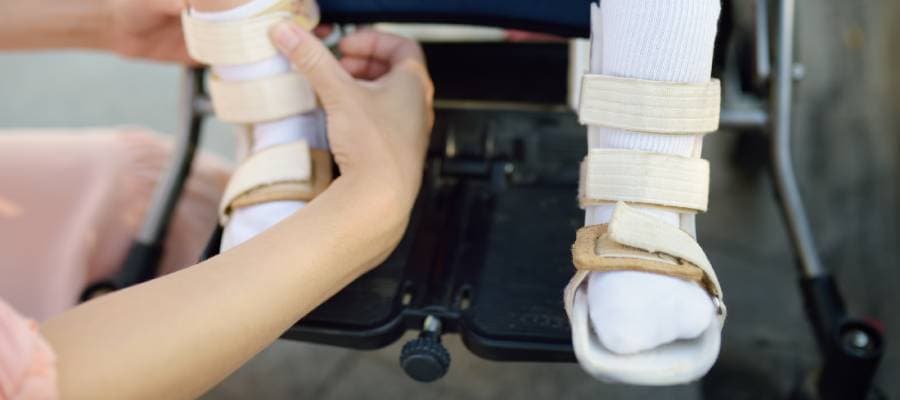
Physical Medicine and Rehabilitation

Physical Medicine and Rehabilitation is available at 30 hospitals across 11 cities in the Voumed network.
30 hospitals provide care in this specialty across 6 countries through the Voumed network; 20 of them hold JCI accreditation.
Physical medicine and rehabilitation, also called PM&R or physiatry, is the medical field that restores movement, strength and independence after illness, injury or surgery. Rather than focusing on a single operation, it treats the whole person over time, combining personalised exercise, manual therapy, advanced device treatments and, in leading centres, robotic systems to reduce pain and rebuild function. It spans an unusually wide range, from neurological recovery after a stroke or spinal cord injury to orthopaedic rehabilitation after joint surgery, and from chronic back pain to programmes for children. Patients travel for this care because some destinations are advanced rehabilitation hubs, with intensive, technology-assisted programmes and experienced multidisciplinary teams that are hard to find closer to home. Because real recovery takes time, rehabilitation is often a structured programme of weeks rather than a single visit.
Key takeaways
- This work is counted in weeks rather than appointments, because rebuilding strength, balance and independence needs a structured programme spread over time.
- Robot guided systems repeat a movement far more often than hands alone can manage, and that is how a damaged nervous system relearns walking and grip.
- Pool water lets a painful or weak limb move under less load, while electrotherapy, ultrasound and laser act on pain and healing.
- Goals are written as measurable targets at the very first assessment, so progress is judged by figures instead of impressions.
- Exercise stays the backbone of every plan and continues at home, which is why the patient leaves with a written home programme.
On this page
At a glance
- What it treats
- loss of movement, strength and function after stroke, spinal cord and brain injury, orthopaedic surgery, amputation and chronic musculoskeletal pain
- Sub-specialties
- neurological, orthopaedic, stroke and brain injury, spinal cord injury, pediatric, pelvic floor, cardiac and pulmonary rehabilitation
- Common reasons to travel
- advanced rehabilitation hubs, robotic and technology-assisted therapy, intensive multidisciplinary programmes
- Care setting
- inpatient programmes for intensive rehabilitation, outpatient sessions for ongoing therapy, both built around the patient
- Typical programme length
- often several weeks, sometimes longer, depending on the condition and goals
- Typical first step
- a detailed assessment of pain, movement, strength and function that sets measurable goals and a personalised plan
What physical medicine and rehabilitation treats
PM&R manages the physical limitations and pain caused by congenital conditions, illness, injury or trauma, and it aims to do more than relieve symptoms. Its goals are to stop a condition from progressing where possible, to recover lost function, and to help each person reach the highest level of independence their situation allows. The field covers musculoskeletal problems such as neck and back pain, disc herniation, osteoarthritis, fibromyalgia, sports injuries and recovery after orthopaedic surgery, as well as neurological conditions such as stroke, spinal cord injury, multiple sclerosis and Parkinson's disease. Care is delivered by a team built around the patient, including rehabilitation physicians, physiotherapists, occupational therapists and speech and language therapists, who design and apply a plan tailored to that individual and adjust it as recovery progresses.
Neurological rehabilitation
Recovery after damage to the brain, spinal cord or nervous system is one of the most demanding and rewarding parts of the field. After a stroke, a spinal cord injury, a traumatic brain injury or in conditions such as multiple sclerosis and Parkinson's disease, the nervous system can be helped to reorganise and relearn movement through intensive, repeated and well-targeted training. Programmes focus on regaining walking, balance, and arm and hand function, alongside speech, swallowing and the activities of daily living, so that people can return to as full a life as possible. Because the early period after an injury is often when the most gain is possible, starting an appropriate programme and following it closely matters a great deal, and progress is tracked against clear, measurable goals.
Robotic and technology-assisted rehabilitation
Modern rehabilitation goes far beyond routine exercise, and this is where leading centres stand apart. For neurological conditions such as stroke and spinal cord injury, robot-assisted systems guide precise, repeated movements that help the brain and nervous system relearn walking and arm and hand control, delivering far more repetitions than a therapist could by hand. These are combined with advanced device treatments, including electrotherapy, ultrasound, laser, magnetic field therapy and hydrotherapy, which act on muscles and tissues to relieve pain, reduce inflammation and speed recovery. Targeted technology lets the team safely raise the intensity of therapy and measure progress objectively, which is one reason patients seek out centres with this capability.
The therapies in a rehabilitation programme
Each programme is built from several methods chosen for the patient's condition and goals. Exercise therapy is the core, rebuilding muscle strength, joint range of motion, balance and coordination, and it is the part patients continue at home. Manual therapy uses hands-on techniques such as joint mobilisation, soft-tissue massage, myofascial release and nerve mobilisation to ease musculoskeletal pain. Physical agents such as electrotherapy, ultrasound and laser support healing and pain relief, while hydrotherapy in heated pools lets painful or weak limbs move with less load and against gentle resistance. Occupational therapy retrains the activities of daily life, and orthotic and prosthetic fitting, with training to use these aids well, completes the picture for those who need them.
Specialised rehabilitation programmes
Beyond general physiotherapy, dedicated programmes address specific needs. Stroke and brain injury rehabilitation focuses on intensive, repetitive training and walking re-education to recover lost function. Spinal cord injury programmes work on mobility, transfers and independence, often with robotic gait support. Pediatric rehabilitation supports children with developmental conditions, cerebral palsy, spina bifida and congenital muscle disease through age-appropriate, play-based therapy. A pelvic floor rehabilitation unit treats incontinence and related problems, while cardiac and pulmonary rehabilitation help people rebuild fitness after heart or lung disease, and geriatric rehabilitation manages balance, fall risk and muscle loss in older adults. Each programme is shaped by a detailed assessment and reviewed regularly as the patient improves.
What to expect as an international patient
For people who travel, the journey usually begins with a remote review of records, imaging and previous treatment, so the team can advise on the likely programme and its length before anyone arrives. On arrival, a detailed assessment of pain, movement, strength and function sets measurable goals and a personalised plan, which may be delivered as an intensive inpatient programme, as outpatient sessions, or as a combination of the two. Because meaningful recovery takes time, many rehabilitation programmes run for several weeks or longer, so it helps to plan accommodation, finances and any companion's stay accordingly. Interpreter and international patient services support consultations and daily therapy, and a clear home-exercise programme with remote follow-up lets progress continue once the patient returns home.
Frequently asked questions
These answers are general guidance and may vary by provider. Confirm the details with the hospital you choose.
What does the physical medicine and rehabilitation department treat?
A wide range of functional loss, pain and movement limitation, including musculoskeletal problems such as neck and back pain, disc herniation, osteoarthritis and fibromyalgia, neurological conditions such as stroke, spinal cord injury, multiple sclerosis and Parkinson's disease, and rehabilitation after orthopaedic surgery, amputation and in children. The aim is to recover function and independence, not only to relieve symptoms.
What is robotic rehabilitation and who benefits from it?
It is advanced therapy in which robot-assisted systems guide precise, repeated movements to help recover walking and arm and hand function, delivering many more repetitions than manual therapy alone. It is especially helpful in neurological conditions such as stroke and spinal cord injury, where it supports the nervous system in relearning movement, and it is one reason patients seek out advanced rehabilitation centres.
How long does a rehabilitation programme last?
It depends on the condition and goals. Recovery after major neurological injury, such as a stroke or spinal cord injury, often needs an intensive programme of several weeks or longer, while rehabilitation for a specific orthopaedic problem may be shorter. The team gives a realistic estimate after the first assessment so you can plan a longer stay if one is needed.
Will I be admitted to hospital, or can I have outpatient sessions?
Both are possible, and the choice depends on the intensity of care you need. Intensive neurological or post-injury rehabilitation is often delivered as an inpatient programme, while ongoing therapy and musculoskeletal problems are frequently managed as outpatient sessions. Many patients move from inpatient to outpatient care as they improve.
How is a rehabilitation programme planned?
It begins with a detailed assessment of pain, movement limitation, muscle strength and function. The rehabilitation physician and therapists then build a personalised plan of exercise, manual therapy and device treatments, set measurable goals, apply the plan in regular sessions and adjust it as you progress, with your active participation throughout.
Can rehabilitation help after a stroke?
Yes. Stroke rehabilitation uses intensive, repetitive exercise, robotic systems and walking re-education to help recover lost movement, speech and daily function. Starting an appropriate programme early and following it closely supports the best possible return of function, and progress is measured against clear goals along the way.
Will there be interpreter or language support during therapy?
Yes. International patient services commonly include interpreters and coordinators who help with consultations, consent, the daily therapy sessions and home-exercise instructions, so that you understand each step of the programme and language is not a barrier to effective rehabilitation.
How does follow-up work once I return home?
Your team provides a clear written home-exercise programme and arranges remote follow-up by message, photo or video to check technique and adjust the plan. Many of the gains made in an intensive programme are maintained and built on through home exercise, and routine therapy can often continue with a physiotherapist near your home.
Not sure which hospital fits your case?
Upload your medical records and let AI match you to the right hospital.
Upload records and get matchedAvailable in these cities
Not sure which hospital fits your case?
Upload your medical records and let AI match you to the right hospital.
Upload records and get matched