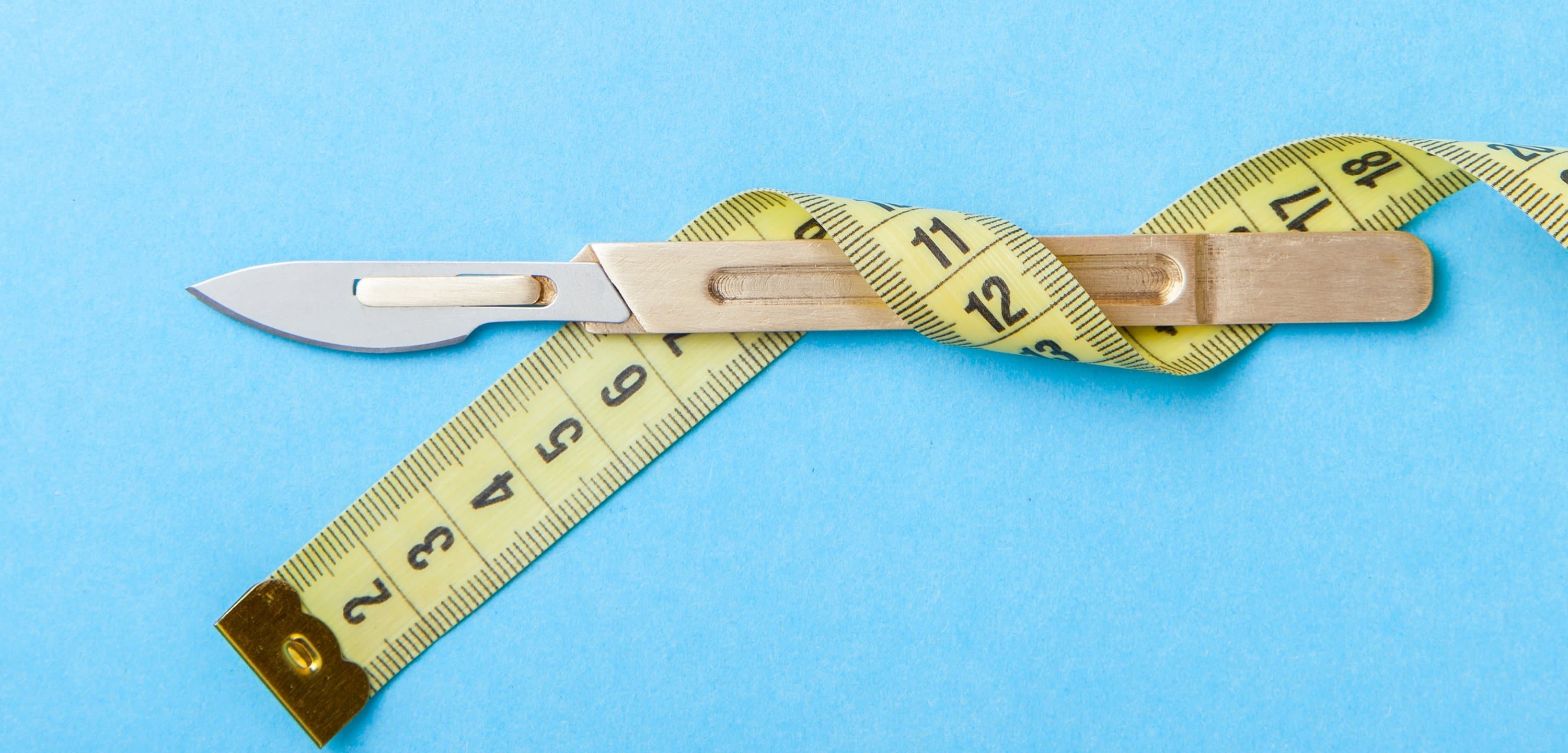
Gastric Bypass

Gastric Bypass

Gebze

Gastric Bypass in Gebze is available at 1 hospital in the Voumed network.

Gastric bypass is a combined weight-loss operation that both makes the stomach much smaller and reroutes the path food takes through the intestine, so a person feels full on small portions and absorbs fewer calories. By working in two ways at once, restriction and reduced absorption, it produces strong, durable weight loss and is one of the most effective operations for obesity that occurs alongside type 2 diabetes. It is performed through a few small keyhole incisions and is well established worldwide. Many patients travel abroad for gastric bypass to reach experienced bariatric teams, full multidisciplinary assessment and coordinated long-term follow-up, and to begin lasting change away from everyday pressures.

On this page

At a glance

Anaesthesia
general anaesthesia
Hospital stay
about 3 to 4 nights
Procedure time
about 2 to 3 hours
Recovery
light activity within days; desk work by about 2 to 3 weeks
Time before flying home
usually 8 to 12 days, once recovery is confirmed
Results visible
most weight lost over the first 12 to 24 months

What it is

Gastric bypass reduces the working volume of the stomach and shortens the route food travels through the small intestine. The surgeon creates a small stomach pouch from the top of the stomach and connects it directly to a lower section of the small intestine, so food bypasses most of the stomach and the first part of the intestine. Because the pouch is small, fullness comes quickly with modest portions, and because part of the intestine is bypassed, the body absorbs fewer of the calories that are eaten. There are two common forms. In Roux-en-Y gastric bypass the small pouch is joined to a re-routed loop of intestine, and in mini gastric bypass the stomach is shaped into a tube and joined to the intestine with a single connection, which is technically simpler. The weight-loss mechanism is the same in both.

When it is recommended

Gastric bypass is mainly recommended for people with severe or morbid obesity, particularly when obesity is accompanied by other conditions, the most important of which is type 2 diabetes. It is often the preferred choice when blood sugar is hard to control, because rerouting the intestine has a strong, early effect on the way the body handles sugar, frequently improving diabetes well before most of the weight is lost. It also suits people with severe acid reflux, for whom a bypass can ease symptoms that a purely restrictive operation might worsen. Other obesity-linked conditions such as high blood pressure, sleep apnea and high cholesterol commonly improve too. The decision between bypass and other bariatric operations is made individually after a full assessment.

How it is performed

Gastric bypass is performed under general anaesthesia, so the patient is asleep and feels nothing. It is carried out by the closed, laparoscopic (keyhole) method through about four to six small ports, and robotic assistance is also used in some cases. The surgeon first creates a small pouch at the top of the stomach using stapling instruments, then divides and reconnects the small intestine so that food travels from the pouch into the rerouted limb, bypassing the lower stomach and the first part of the intestine. The new connections are checked carefully and tested for any leak during the operation. The larger part of the stomach is left in place and continues to play a role in the body, even though food no longer passes through it. The whole procedure usually takes about two to three hours.

Candidacy and preparation

A good candidate is an adult whose weight has not responded to non-surgical methods, often with weight-related conditions such as type 2 diabetes, and who is ready to follow a lasting nutrition plan and long-term follow-up. Preparation is thorough and multidisciplinary, typically involving the bariatric surgeon together with specialists in nutrition, endocrinology and, where helpful, psychology, plus blood tests, an assessment of the heart and breathing and sometimes an endoscopy. Because bypass changes how nutrients are absorbed, lifelong vitamin and mineral supplements are part of the plan and are discussed in advance. Smoking and certain blood-thinning medicines are paused before surgery on medical advice. For international patients, much of the early work can be done remotely from medical records and questionnaires, with final checks completed in person before the operation.

Recovery and planning your treatment abroad

Most patients stay in hospital for about three to four nights, beginning to walk within hours and moving onto clear fluids, then following a staged eating plan that progresses from liquids to soft foods and carefully to solid food over several weeks under a dietitian's guidance. Light activity resumes within days; heavy lifting is avoided for about six weeks, while walking, stairs and gentle routines are encouraged early. People with calm, desk-based work can usually return after about two to three weeks. When planning a trip abroad, it is sensible to stay in the destination city for about 8 to 12 days so that early recovery can be confirmed before flying. Air travel is generally comfortable once the surgeon gives the go-ahead, and follow-up then continues remotely, with interpreters and coordinators commonly provided so language is never a barrier.

Risks, safety and results

When performed by an experienced bariatric team in a proper hospital setting, gastric bypass is a safe and well-established operation, though as a more complex procedure it carries some risk. Early effects such as tiredness, nausea and mild discomfort settle within days. Less common risks include bleeding, infection, a leak at a connection, blood clots, narrowing of a join or, later, nutrient deficiencies if supplements are not taken. Eating large amounts of sugar too quickly can cause a temporary reaction called dumping, which the staged diet helps avoid. Weight loss is gradual and strongest in the first months, with most loss achieved over roughly twelve to twenty-four months and a large share of excess weight lost. Following the nutrition plan, taking lifelong vitamins and staying in long-term follow-up protect both the result and overall health.

Frequently asked questions

These answers are general guidance and may vary by provider. Confirm the details with the hospital you choose.

Is gastric bypass done under general or local anaesthesia?

It is always performed under general anaesthesia, so you are fully asleep and feel nothing during the operation. An anaesthesia team monitors you throughout the surgery and the early recovery period.

How many days should I plan to stay abroad?

Most people plan to stay in the destination city for about 12 to 16 days in total. This covers pre-operative checks, the hospital stay of three to four nights, a short rest and a final review of your recovery before you fly home.

What is the difference between gastric bypass and gastric sleeve?

A sleeve only reduces the size of the stomach, while a bypass also reroutes the intestine so the body absorbs fewer calories. Bypass often gives a stronger effect on type 2 diabetes and severe reflux, but the right choice depends on your health and is decided after a full assessment.

Does gastric bypass help with type 2 diabetes?

Yes, it is one of the most effective operations for type 2 diabetes that occurs with obesity. Rerouting the intestine improves the way the body handles sugar early, often before most of the weight is lost, though results vary by individual.

When can I fly home after surgery?

Most patients fly home around 8 to 12 days after surgery, once the surgeon confirms that early recovery is going well. Waiting for this check is safer, and the care team can advise on simple measures such as moving regularly during the flight to reduce the risk of clots.

When will I see weight-loss results?

Weight comes off gradually, fastest in the first months and continuing over roughly twelve to twenty-four months, by which time a large share of excess weight is usually lost. Many obesity-related conditions improve along the way.

Will I need to take vitamins for life?

Yes. Because a bypass changes how some nutrients are absorbed, lifelong vitamin and mineral supplements are an essential part of the plan, along with periodic blood tests. Your team explains this clearly and supports you with remote follow-up after you return home.

How does follow-up work once I am home?

Your team gives you a written plan and stays reachable for remote follow-up by message or video, including nutrition guidance. Routine blood tests can usually be done by a clinician near your home and shared with the team, and interpreter support is available throughout.

Not sure which hospital fits your case?

Upload your medical records and let AI match you to the right hospital.

Upload records and get matched

Available at these hospitals

Specialties

Not sure which hospital fits your case?

Upload your medical records and let AI match you to the right hospital.

Upload records and get matched