Physiotherapy
Gebze
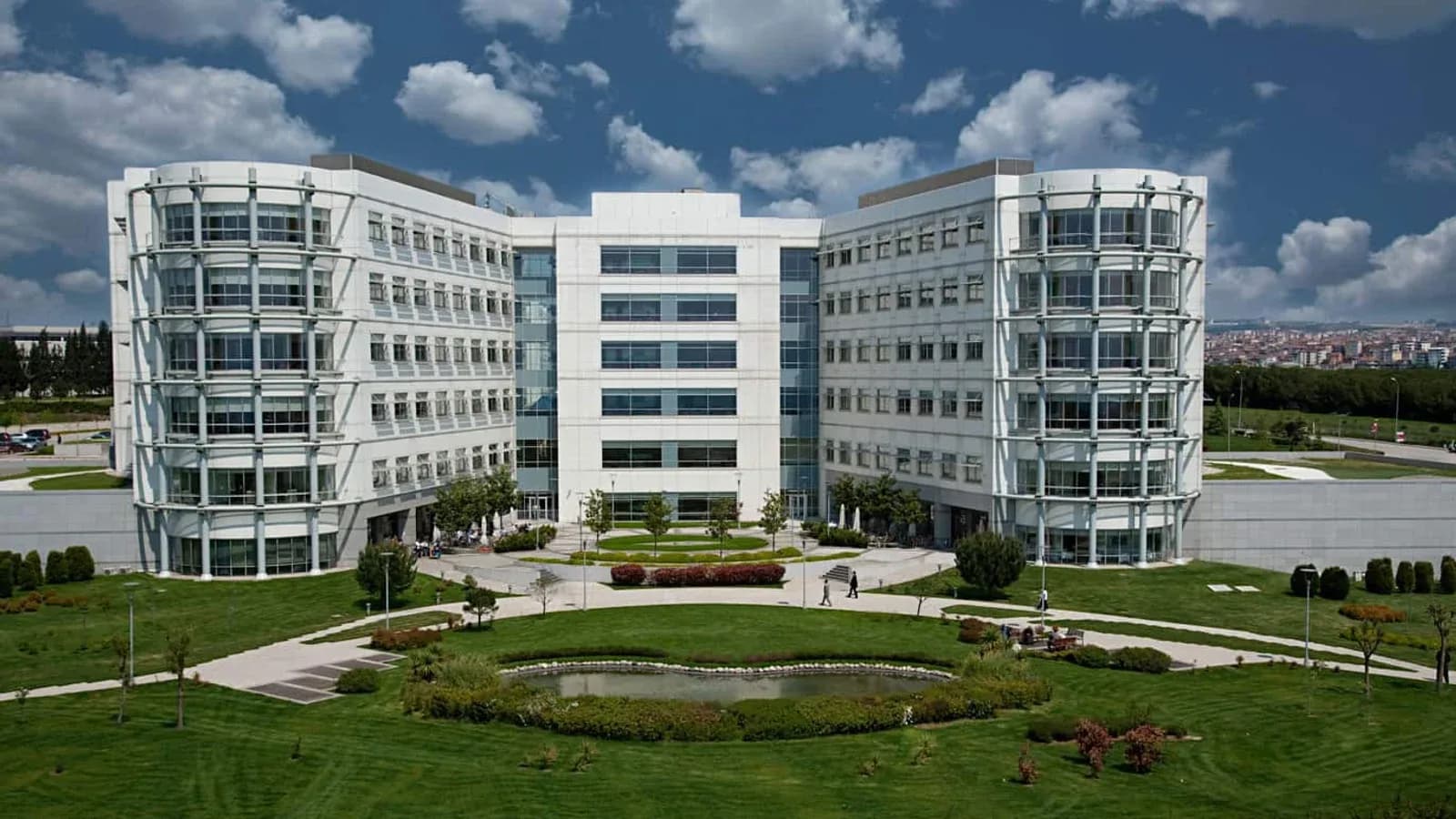
Physiotherapy in Gebze is available at 1 hospital in the Voumed network.
Physiotherapy is a structured, drug-free treatment that restores movement, builds strength and relieves pain by combining hands-on techniques, guided exercise and supporting therapies. It helps a very wide range of people: those recovering from orthopaedic surgery or a fracture, patients regaining movement after a stroke or other neurological event, and anyone living with long-standing back, neck or joint pain. A physical medicine and rehabilitation physician assesses the problem and designs the plan, which qualified physiotherapists then deliver and adjust as the patient improves. Many people travel abroad for rehabilitation to reach dedicated centres, intensive daily programmes and modern equipment that may not be available close to home, and to recover with focused support over a concentrated period.
On this page
At a glance
- Setting
- outpatient in most cases; inpatient when part of recovery from major surgery or a neurological event
- Programme length
- a few weeks for a focused problem, longer for neurological recovery
- Session frequency
- typically 2 to 5 sessions per week, each around 45 to 60 minutes
- What it helps
- pain, weakness, stiffness, poor balance and difficulty walking or using a limb
- Typical first step
- an assessment by a rehabilitation physician, who sets goals and prescribes the programme
What it is
Physiotherapy is the science of restoring physical function through movement and targeted treatment rather than surgery or long-term medication. It brings together manual therapy such as joint mobilisation and soft-tissue work, individually prescribed exercise, and supporting methods including electrotherapy, heat, ultrasound and water-based therapy. The aim is not only to ease symptoms but to rebuild the underlying capacity to move, so that a person can return to daily activities, work and the things they enjoy. Treatment is always tailored: the same diagnosis in two people can call for very different programmes depending on age, fitness, goals and how the problem affects everyday life.
When it is used and who it helps
Physiotherapy is used across almost every area of medicine. After orthopaedic surgery such as joint replacement, spinal surgery or ligament repair, it speeds the return of movement and protects the result. In neurological recovery, after a stroke, brain or spinal-cord injury, or in conditions such as multiple sclerosis or Parkinson's disease, it retrains movement and helps prevent the complications of reduced activity. It also treats long-standing musculoskeletal pain in the back, neck, shoulder and knee, sports injuries, and the general weakness and stiffness that follow a long illness or a period in bed. It suits people of all ages, from children with developmental conditions to older adults working to stay independent and steady on their feet.
How it is done
After the assessment, the physiotherapist guides the patient through a programme built from several elements. Manual therapy uses skilled hands to mobilise stiff joints, release tight muscles and reduce pain directly. Therapeutic exercise, progressing from gentle assisted movement to active strengthening, balance and coordination training, forms the core of every plan. Supporting methods are added where they help: electrotherapy to ease pain or re-activate weak muscles, ultrasound and heat to support tissue healing, and water-based therapy, which uses the buoyancy of a pool to allow movement with less load on painful or healing joints. Where intensive, highly repetitive practice is needed, robotic and technology-assisted systems can be added. The team is led by a rehabilitation physician and includes physiotherapists and, when relevant, occupational and other therapists, all working to one shared plan that is reviewed and advanced at regular intervals.
What to expect and candidacy
Treatment begins with a thorough assessment of how you move, your strength, balance and the activities that are difficult, so that clear, realistic goals can be set. Sessions are active and you take part throughout; some techniques, such as deep soft-tissue work or moving a stiff joint, can cause brief soreness that is different from your underlying pain and settles quickly. Comfortable, loose clothing that gives access to the area being treated is best. Almost anyone can benefit, and the programme is simply adapted to your condition, fitness and any other health issues; a small number of acute problems are settled first before active exercise begins. A home exercise programme is a central part of treatment, so that the gains made in the clinic are reinforced between sessions.
Progress and planning your rehabilitation abroad
How long a programme lasts depends on the problem. A focused issue, such as recovery after a single joint operation, often improves over a few weeks of regular sessions, while neurological recovery is a longer, step-by-step process. For an intensive course abroad, it is common to plan a concentrated block of daily or near-daily sessions over two to four weeks, which can achieve in a short, focused stay what might otherwise take much longer. Before you travel, an assessment can often be started remotely from your medical reports so the plan is ready on arrival. Crucially, physiotherapy continues at home: you leave with a clear written home programme and guidance your local clinician can follow, and the team stays reachable for remote follow-up by message or video so progress is not lost once you return.
Safety and results
Physiotherapy is one of the safest forms of treatment in medicine, because it works with the body's own capacity to recover and uses no surgery and, in itself, no medication. When delivered by qualified professionals under a physician's direction, serious problems are very rare; the most common experience is temporary muscle soreness as the body adapts to new activity. The benefits are well established: less pain, more movement, greater strength and a faster, safer return to independent life, with the added value that patients learn to manage and protect their own bodies. Results depend on the condition and on consistent effort, but for most people a properly designed and followed programme produces a clear, lasting improvement in how they move and feel.
Frequently asked questions
These answers are general guidance and may vary by provider. Confirm the details with the hospital you choose.
How many physiotherapy sessions will I need?
It depends on the condition. A focused problem, such as recovery after one operation, may need 10 to 20 sessions over a few weeks, while neurological rehabilitation can continue for months. Your rehabilitation physician sets an initial course after assessment and reviews your progress at regular intervals, so the plan is shortened or extended according to how you respond.
How long should I plan to stay abroad for a rehabilitation programme?
Many people plan a concentrated block of two to four weeks of daily or near-daily sessions, which makes good use of a focused trip. The exact length is set after your assessment and depends on your goals and how quickly you progress; some shorter, intensive courses are arranged for a specific, well-defined problem.
Can I continue the treatment at home after I return?
Yes, and this is built into the plan. You leave with a clear written home exercise programme and instructions a clinician near you can follow, so the progress made abroad is maintained and continued. The team also stays available for remote follow-up by message or video to adjust the programme as you improve.
Is physiotherapy painful?
It should not be sharply painful. Some techniques, such as moving a stiff joint or deep soft-tissue work, can cause brief soreness, especially in the first sessions; this is normal, different from your underlying pain and settles quickly. Your physiotherapist works within your tolerance and adjusts the treatment to your response, so you should always say if something feels too much.
Is physiotherapy part of a longer rehabilitation stay?
It can be. For recovery after major surgery or a neurological event, physiotherapy is usually one part of a broader rehabilitation programme that may also include occupational therapy, technology-assisted training and other supports, all coordinated by the same team. For a single focused problem it may be the only treatment needed.
Will language be a barrier during my sessions?
No. Centres that treat international patients provide interpreter and coordinator support, so instructions, exercises and progress can be followed clearly in your own language. Because physiotherapy is highly practical and demonstration-based, communication during sessions is usually straightforward with this support in place.
Is it safe to travel by air before or after a programme?
For most rehabilitation this is not a concern, as the treatment itself does not involve surgery. If you are recovering from a recent operation or a serious medical event, the team will advise on the right timing for travel based on your individual situation. In general, planning your sessions in a single focused block keeps travel simple and predictable.
Can children have physiotherapy?
Yes. Paediatric physiotherapy supports children with conditions such as cerebral palsy, developmental delay and recovery after injury or surgery. Programmes are adapted to the child's age and stage of development, are usually play-based to keep them engaged, and place the family at the centre of the plan so that practice continues at home.
Not sure which hospital fits your case?
Upload your medical records and let AI match you to the right hospital.
Upload records and get matchedAvailable at these hospitals
Specialties
Not sure which hospital fits your case?
Upload your medical records and let AI match you to the right hospital.
Upload records and get matched