Urology

Urology

Gebze

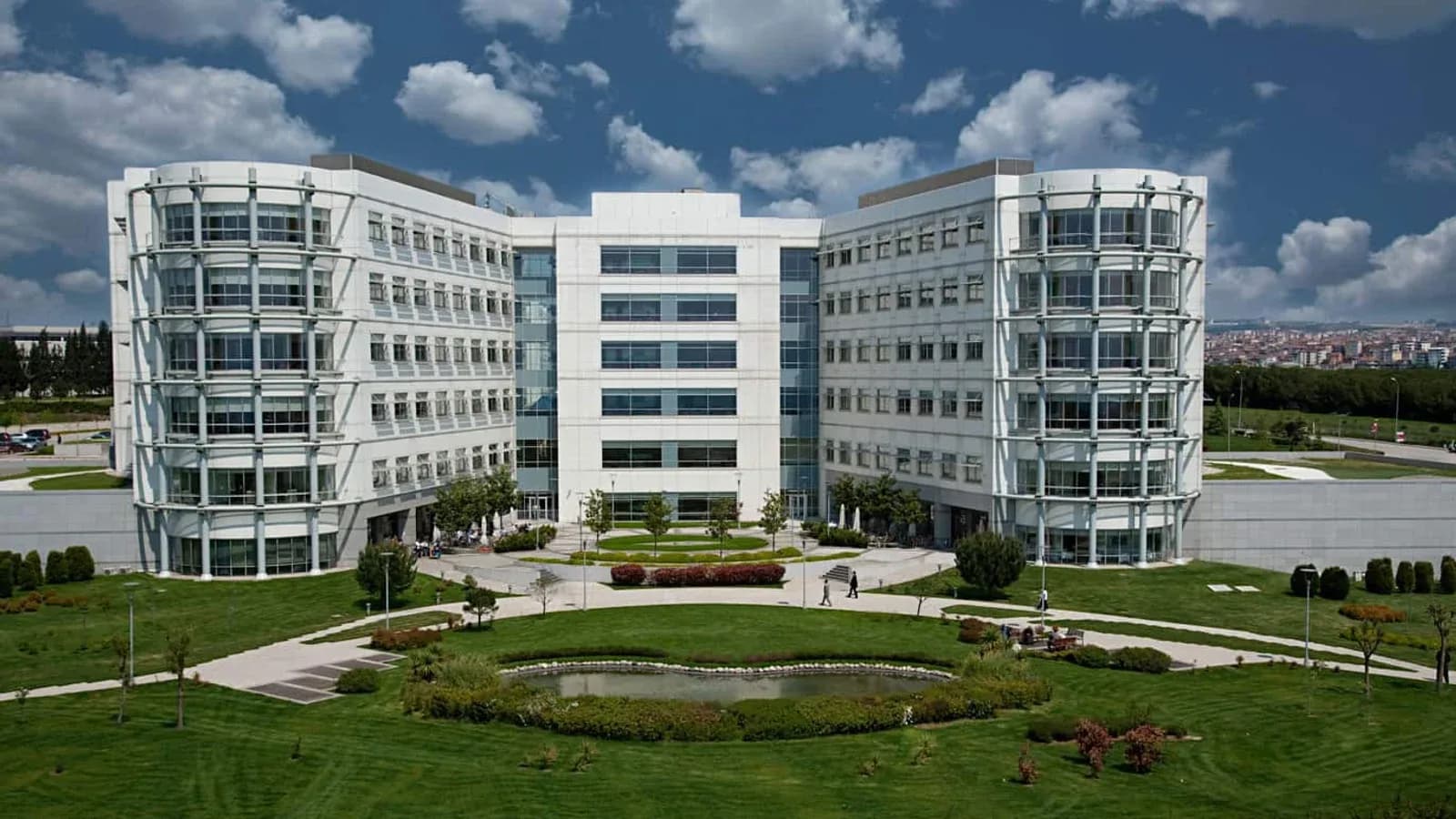
Urology care in Gebze is available at 1 hospital in the Voumed network, with 2 related treatments.

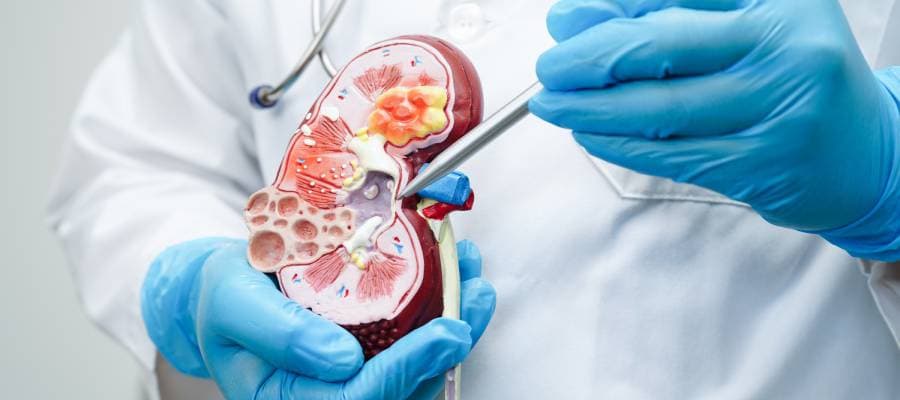
Urology is the surgical and medical specialty that cares for the urinary system in both men and women and for the male reproductive system. Despite a common impression that it is only men's health, it treats everyone, from a child with a congenital problem to an older adult with prostate disease, and a great deal of its work, such as kidney stones, urinary infections and incontinence, applies equally to women. It spans the kidneys, ureters, bladder and urethra, and in men the prostate, testes and penis, and although urologists operate, they also treat with medication and lifestyle change. Patients often travel abroad for urology because so much of it is now done with minimally invasive, endoscopic and robotic techniques that offer precise treatment, smaller incisions and faster recovery, delivered by experienced teams with advanced technology.

On this page

At a glance

Sub-specialties
endourology and stone disease, uro-oncology, andrology and male fertility, female and functional urology, robotic and laparoscopic urology, paediatric urology
Common procedures
kidney stone removal by endoscopy or shock waves, prostate surgery, bladder and kidney cancer surgery, robotic prostatectomy, treatment of incontinence, varicocele repair
Common reasons to travel
experienced surgical teams, advanced endoscopic and robotic technology, shorter waiting times for planned treatment
Typical hospital stay
day case or one night for many stone and endoscopic procedures, a few nights after major cancer or reconstructive surgery
Anaesthesia
local, spinal or general, chosen according to the procedure and the patient
Typical first step
a consultation with urine and blood tests and an ultrasound, with further imaging or endoscopy if needed

Overview

Urology combines careful diagnosis with a wide range of treatments matched to the individual. Many conditions are managed without surgery, using medication, dietary and lifestyle change, and monitoring, which can dissolve or pass small stones, relieve the symptoms of an enlarged prostate or treat an infection. When a procedure is needed, urology has become one of the most minimally invasive of the surgical fields: stones are reached and broken up through natural passages or with shock waves from outside the body, tumours of the bladder are removed through a telescope, and operations on the prostate and kidney are increasingly performed with keyhole and robotic surgery. This precision means less pain, shorter stays and a quicker return to normal life. Across all of it, the goal is to protect kidney function, restore comfortable urination and preserve reproductive and sexual health.

Conditions and sub-specialties

Urology answers a broad range of needs across the lifespan. Stone disease, the formation of hard deposits in the kidney or urinary tract, is one of the most common and painful reasons to seek care, and is the focus of endourology. Uro-oncology treats cancers of the prostate, bladder, kidney and testis, where early diagnosis matters because some, especially prostate cancer, are often silent at first. In men, andrology covers erectile difficulty, male infertility and conditions such as varicocele, while prostate enlargement, very common with age, causes a weak stream and frequent or night time urination. Female and functional urology treats urinary incontinence, recurrent infections and pelvic floor problems, a key and sometimes overlooked part of women's health. Paediatric urology corrects congenital anomalies and childhood bedwetting, and neuro-urology manages bladder problems caused by nerve conditions. Each sub-specialty brings focused expertise to a particular group of conditions.

Common treatments and procedures

Treatment ranges from tablets to advanced surgery, always chosen for the individual. For stones, small ones may be managed with fluids and medication, while larger ones are treated with shock wave lithotripsy from outside the body or with endoscopic procedures that reach the stone through natural passages and break it up, often with no incision at all. An enlarged prostate is treated with medication or, when needed, with endoscopic or laser surgery to relieve obstruction. For urinary cancers, surgery may be endoscopic, laparoscopic or robotic, including robot assisted removal of the prostate or kidney that aims to preserve function. Incontinence is treated with pelvic floor therapy, medication or minimally invasive surgery, and andrology offers treatments for erectile difficulty and procedures such as varicocele repair to support fertility. Many of these are day case or short stay procedures, and the plan often combines diagnosis and treatment in a single visit.

Diagnostics and technology

A precise diagnosis comes from combining simple tests with targeted imaging and endoscopy. Urine and blood tests, including the PSA test in men, give an early picture, while ultrasound of the kidneys, bladder and prostate is a safe, radiation free first look. CT is especially valuable for stones and for staging cancers, and MRI of the prostate helps target a biopsy precisely to suspicious areas. Endoscopy, passing a fine telescope into the bladder or up to the kidney, allows the urologist both to see a problem directly and often to treat it in the same session. Urodynamic studies measure how the bladder fills and empties when incontinence or functional problems are suspected. Together these tools pinpoint the cause, so treatment is accurate and, wherever possible, minimally invasive.

What to expect as an international patient

For people who travel, the journey usually begins with a remote review of existing scans, test results and reports, so a provisional plan can be discussed before arrival. On arrival, the diagnosis is confirmed with any needed tests, and many stone and endoscopic procedures can then be carried out as a day case or with a single overnight stay and a short recovery. Larger operations, such as robotic cancer surgery, mean a few nights in hospital and a longer recovery before travel. Most patients plan to stay in the destination city for several days to about two weeks depending on the procedure, so that healing and urinary function can be checked before they fly home. Interpreter and international patient support helps throughout, and your team provides written instructions and arranges remote follow up once you are back home.

Frequently asked questions

These answers are general guidance and may vary by provider. Confirm the details with the hospital you choose.

What does urology treat?

Urology cares for the kidneys, ureters, bladder and urethra in both sexes, and for the male reproductive organs. It treats kidney and urinary stones, urinary infections, incontinence, prostate disease, cancers of the urinary system, erectile difficulty and male infertility, as well as congenital problems in children. It is both a surgical and a medical specialty, so many conditions are treated without an operation.

Is urology only for men?

No. While urology includes male reproductive and prostate health, it plays a key role in women's health too, treating urinary incontinence, recurrent cystitis and pelvic floor problems such as prolapse. Conditions like kidney stones, urinary infections and cancers of the urinary system affect both sexes, and children are treated for congenital anomalies and bedwetting.

When should I see a urologist?

See a urologist for pain or difficulty passing urine, blood in the urine, frequent or night time urination, a weak stream, kidney or flank pain, leaking of urine, a lump in the testis, erectile difficulty or trouble conceiving. Because some urinary cancers, prostate cancer in particular, are often silent at first, regular checks and the PSA test are an important part of men's health from middle age onward.

Will I need open surgery, or can it be done with keyhole or robotic surgery?

Much of urology is now minimally invasive. Stones are often treated through natural passages or with shock waves and no incision, bladder tumours are removed through a telescope, and prostate and kidney operations are increasingly done with keyhole or robotic surgery. These approaches mean smaller incisions, less pain and a faster recovery. Your urologist will explain which method suits your condition and why.

Is the procedure done under general, spinal or local anaesthesia?

It depends on the procedure. Many endoscopic and stone treatments are done under general or spinal anaesthesia, while some smaller procedures use local anaesthesia. Robotic and major surgery is performed under general anaesthesia. The anaesthesia team reviews your health beforehand and chooses the safest, most comfortable option for your treatment.

How many days should I plan to stay abroad, and when can I fly home?

Many stone and endoscopic procedures are a day case or one overnight stay with a short recovery, so a stay of a few days may be enough. After major cancer or reconstructive surgery, most patients plan to stay for around one to two weeks so healing and urinary function can be checked. Your team confirms when it is safe to fly, usually once the urine is clear and any catheter has been managed, before you book your return.

Is it safe to travel abroad for urological treatment?

It can be, when care is provided by an experienced team in an accredited hospital with proper imaging, endoscopic and surgical facilities. The keys to a safe experience are sharing your full medical history and scans in advance, allowing enough recovery time before flying, and following the aftercare plan. Interpreter and coordinator support helps ensure nothing is lost in translation throughout your care.

How does follow up work once I am home?

Your team gives you a written plan covering medication, fluids, activity and warning signs, and arranges remote follow up by message or video. Routine checks such as urine and blood tests, a PSA level or an ultrasound can usually be done by a clinician near your home and shared with the team, who remain reachable to review results and answer questions during your recovery.

Not sure which hospital fits your case?

Upload your medical records and let AI match you to the right hospital.

Upload records and get matched

Available at these hospitals

Procedures

Technologies and equipment

Prostate Fusion Biopsy (3D Imaging and Navigation)

Prostate fusion biopsy is an advanced way of taking tissue samples from the prostate to diagnose prostate cancer accurately. It blends two types of imaging, a detailed MRI scan taken in advance and live ultrasound during the procedure, into a single three-dimensional picture. This "fusion" lets the doctor see exactly where any suspicious areas lie and guide the biopsy needle straight to them, rather than sampling the gland at random. The result is a more precise, targeted biopsy that improves the detection of cancers that genuinely need treatment, while helping to avoid unnecessary findings.

View technology

ESWL (Shock Wave Lithotripsy)

ESWL (Extracorporeal Shock Wave Lithotripsy) is a non-surgical way to break up stones in the urinary system, such as kidney and ureter stones, without any incision. High-energy shock waves are generated outside the body and focused precisely onto the stone, shattering it into small fragments that can then pass naturally with the urine. Because nothing is inserted into the body and no cut is made, ESWL is one of the gentlest stone treatments available. It is typically a same-day procedure, after which most people return home and pass the broken fragments over the following days.

View technology

Da Vinci Robotic Surgery

The da Vinci robotic surgical system lets a surgeon perform complex operations through a few small keyhole incisions instead of one large cut. Sitting at a nearby console, the surgeon controls tiny wristed instruments and a magnified high-definition three-dimensional camera, while the robotic arms translate every hand movement into precise, steady motion inside the body. The system never acts on its own: the surgeon is in full control at all times. For patients, this minimally invasive approach often means less pain, smaller scars, less blood loss and a quicker return to normal life.

View technology

HoLEP (Holmium Laser Enucleation of the Prostate)

HoLEP (Holmium Laser Enucleation of the Prostate) is a minimally invasive laser treatment for an enlarged prostate, a very common condition in older men that can make passing urine difficult. Benign prostatic enlargement narrows the channel through which urine flows, causing symptoms such as a weak stream, frequent urination and getting up at night. HoLEP uses a holmium laser passed through the urethra, with no external cut, to separate the overgrown inner prostate tissue from its outer shell and remove it completely. By taking out the whole obstructing tissue, it offers durable relief and works well even for very large prostates.

View technology

Rezum (Water Vapor Therapy)

Rezum is a minimally invasive treatment for an enlarged prostate that uses the natural energy stored in water vapour, or steam, to gently shrink the overgrown tissue. Benign prostatic enlargement is a common condition in older men, where the prostate grows and presses on the urinary channel, causing symptoms such as a weak stream, frequent urination and getting up at night. Rezum delivers small, precise bursts of steam directly into the enlarged tissue through the urethra, with no cutting. Over the following weeks the treated tissue is naturally reabsorbed, the channel opens up, and urinary symptoms improve.

View technology

Optilume (Drug-Coated Balloon)

Optilume is a minimally invasive treatment for urethral stricture, a narrowing of the urethra, the tube that carries urine out of the body. A stricture, usually caused by scar tissue, can make passing urine difficult and tends to come back after simple stretching procedures. Optilume combines two actions in one device: a balloon that gently widens the narrowed segment, and a medicine coating that is released into the wall of the urethra to discourage new scar tissue from forming. By tackling both the narrowing and the cause of recurrence, it aims to give longer-lasting relief than older methods, all through a single, no-incision procedure.

View technology

Thulium Laser (ThuLEP)

Thulium laser is a modern surgical laser used mainly to treat an enlarged prostate, a common cause of urinary difficulty in older men. Its best-known use is the ThuLEP technique (Thulium Laser Enucleation of the Prostate), in which the overgrown inner prostate tissue is removed through the urethra with no external cut. A defining feature of the thulium laser is that it penetrates tissue only very shallowly, which allows extremely precise cutting and excellent sealing of small blood vessels as it works. The result is a minimally invasive treatment with little bleeding, a short recovery and durable relief of urinary symptoms.

View technology

HIFU for Prostate Cancer

HIFU (High Intensity Focused Ultrasound) is a non-surgical, targeted treatment for prostate cancer that destroys diseased tissue using precisely focused sound waves, without any cut to the body. A probe placed in the back passage delivers focused ultrasound energy that heats and destroys only the cancerous part of the prostate, while sparing the healthy tissue and nearby structures as much as possible. Because it is so targeted, HIFU aims to treat the cancer while protecting urinary control and sexual function. It is mainly used for early, localised prostate cancer and for men who want a minimally invasive option.

View technology

Dual-Energy CT

Dual-energy CT is an advanced form of computed tomography that scans the body at two different X-ray energy levels at the same time. A standard CT uses a single energy and shows mainly the shape and density of tissues, but by comparing how structures behave at two energies, dual-energy CT can tell different materials apart far more precisely. This added information helps doctors characterise what they see, such as distinguishing one type of tissue or deposit from another, and it can often be achieved with less contrast agent and a lower radiation dose. It uses X-rays, as all CT does, but with techniques designed to keep exposure low.

View technology

Not sure which hospital fits your case?

Upload your medical records and let AI match you to the right hospital.

Upload records and get matched