EBUS Endobronchial Ultrasound
Gebze
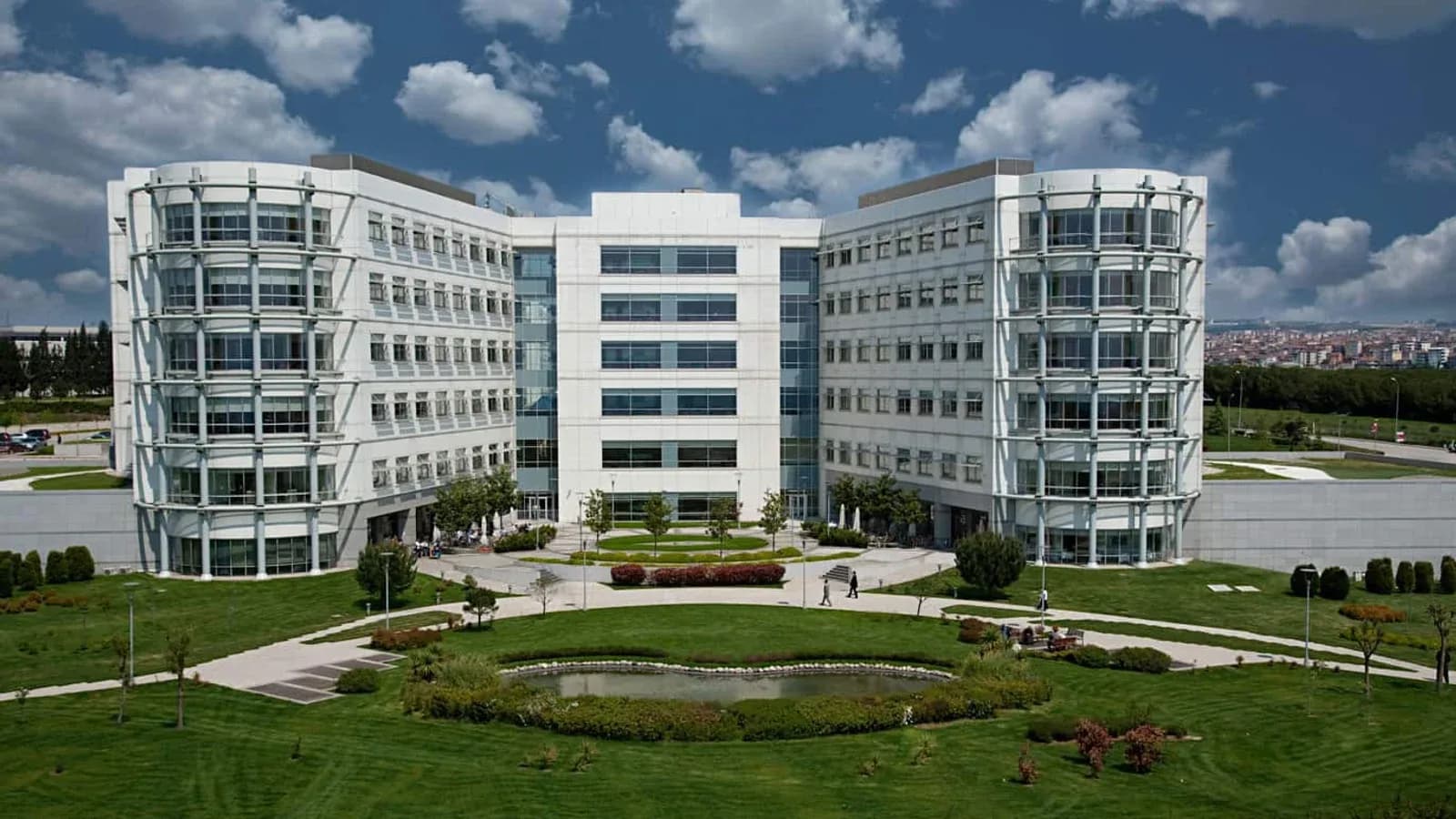
EBUS Endobronchial Ultrasound in Gebze is available at 1 hospital in the Voumed network.
Endobronchial ultrasound (EBUS) is a minimally invasive method that combines bronchoscopy with ultrasound to examine the airways and the tissues and lymph nodes that surround them. A thin, flexible bronchoscope carrying a camera and a small ultrasound probe is passed through the mouth into the airways, where the probe creates real-time images of structures just beyond the airway wall, such as lymph nodes and masses that cannot be seen with a camera alone. Under this live ultrasound guidance, a fine needle can take samples for the laboratory in the same session, all without any surgical incision.
On this page
At a glance
- Type
- minimally invasive bronchoscopy combined with ultrasound and sampling
- Used for
- diagnosing and staging lung cancer and assessing chest lymph nodes
- Key benefit
- images and samples deep chest structures without surgery
- Sedation
- usually performed under local anaesthesia with light sedation
- Where it is used
- accredited pulmonology and endoscopy centres abroad
What it is
EBUS is an advanced form of bronchoscopy, the examination of the airways with a thin flexible tube. A standard bronchoscope shows only the inside surface of the airways, but EBUS adds an ultrasound probe at its tip, so the doctor can also see through the airway wall to the structures around it. This is particularly important for the lymph nodes and tissues in the central part of the chest, an area that previously often required surgery to reach. By combining a clear ultrasound view with the ability to pass a fine needle, EBUS allows these structures to be both imaged and sampled in a single, gentle procedure.
How it works
The procedure is usually carried out under local anaesthesia with light sedation to keep the patient relaxed and comfortable. The flexible bronchoscope is passed through the mouth and into the airways, and its camera guides the way while the ultrasound probe produces images of the lymph nodes and tissues beyond the airway wall. When a target is identified, a fine needle is passed through the scope and, under continuous ultrasound guidance, samples cells or tissue from the node or mass. These samples are sent to the laboratory for analysis. The whole process is done through the natural airway, so no cut is made in the chest.
What it shows and who it helps
EBUS is widely used to diagnose and stage lung cancer, which means working out whether and how far it has spread to the lymph nodes in the chest, information that is crucial for choosing the right treatment. It also helps evaluate enlarged lymph nodes and masses in the central chest from other causes, including lymphoma, tuberculosis, sarcoidosis and infections. It is often recommended when a scan has shown a node or mass that needs a tissue diagnosis, offering a way to obtain that sample without a larger operation. The approach is always tailored to the individual case.
Benefits and what to expect
The main benefit of EBUS is that it provides both detailed images and tissue samples of hard-to-reach chest structures in one minimally invasive session, often avoiding the need for surgery. It causes little discomfort, allows a quick recovery, and serious complications are rare. Because it is usually done with sedation rather than general anaesthesia, most people go home the same day after a short period of monitoring. You may have a mild sore throat or cough for a short while afterwards. The samples are examined in the laboratory, and the care team explains the results and next steps once they are ready.
Frequently asked questions
These answers are general guidance and may vary by provider. Confirm the details with the hospital you choose.
Is EBUS safe?
Yes. EBUS is a well-established, minimally invasive procedure with a strong safety record, performed by an experienced team using continuous monitoring. Because it works through the natural airways with no incision, serious complications are rare. Any procedure carries some risk, which the team explains beforehand, but most people experience only mild, short-lived effects such as a sore throat.
Will I be awake, and is it painful?
It is usually performed under local anaesthesia with light sedation, so you are relaxed and comfortable and feel little or nothing during the procedure. The airways are numbed to suppress coughing, and the sedation helps you tolerate it easily. Most people remember little of it afterwards.
Do I need to fast or prepare beforehand?
Yes, you will normally be asked not to eat or drink for several hours before the procedure because of the sedation. The team will also give instructions about any blood-thinning or other medicines that may need to be adjusted, and will check your medical history in advance.
How long does it take and what is recovery like?
The procedure usually takes about thirty to sixty minutes. Afterwards you rest and are monitored for a short time as the sedation wears off, and most people go home the same day. You may have a mild sore throat or cough briefly, and you should arrange for someone to accompany you home after sedation.
When will I get my results?
The samples taken during EBUS are sent to the laboratory, where examining them takes a few days. Your doctor then discusses the findings with you and explains what they mean for diagnosis, staging and the next steps in your care.
Not sure which hospital fits your case?
Upload your medical records and let AI match you to the right hospital.
Upload records and get matchedAvailable at these hospitals
Specialties
Not sure which hospital fits your case?
Upload your medical records and let AI match you to the right hospital.
Upload records and get matched