TomoTherapy

Gebze

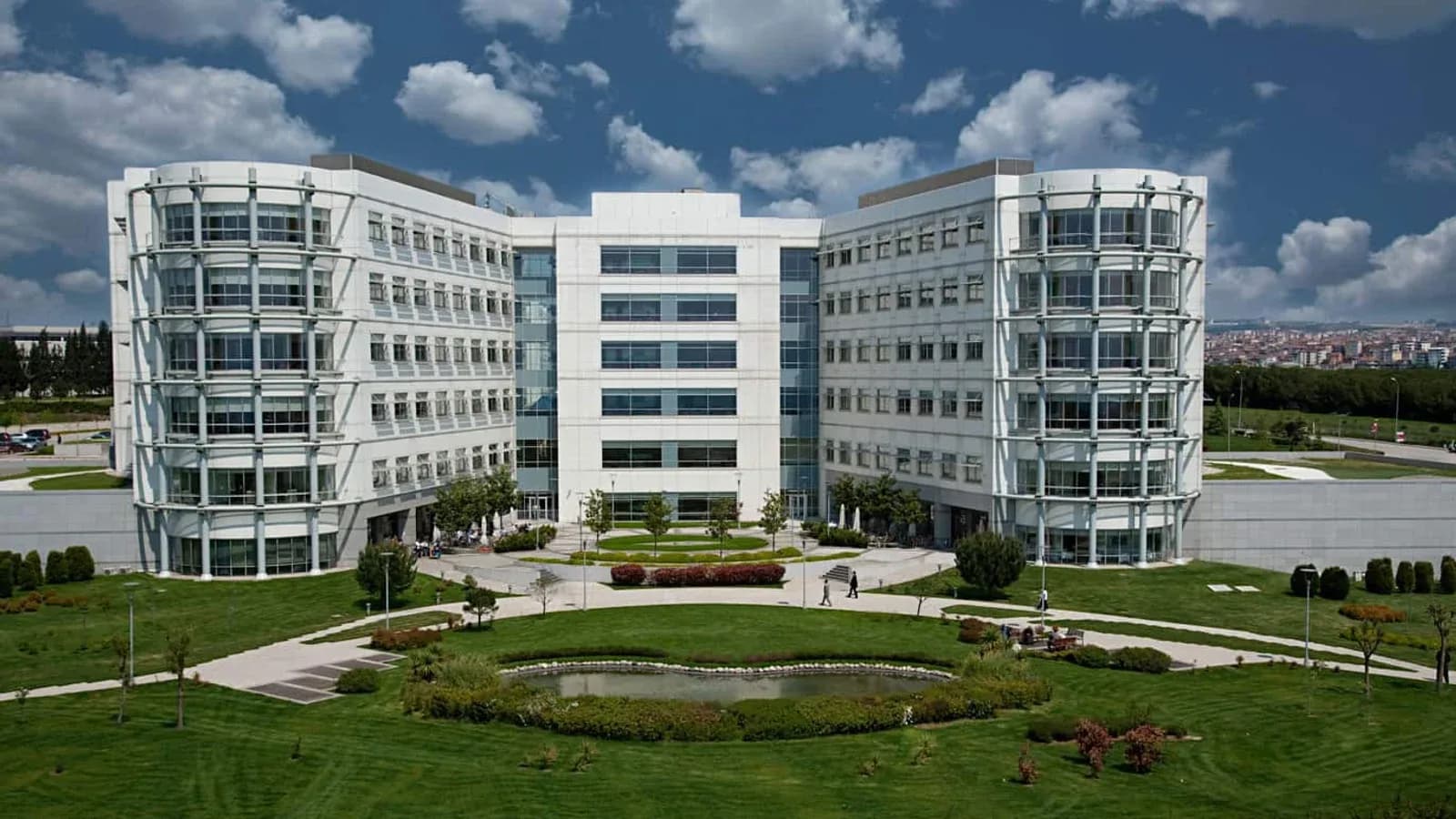
TomoTherapy in Gebze is available at 1 hospital in the Voumed network.

TomoTherapy is an image-guided radiotherapy system that delivers radiation in a continuous spiral as the treatment ring rotates around the patient, much like a CT scanner. Built-in CT imaging lets the radiation oncology team confirm the tumour's exact position before every session, and the beam is divided into many small beamlets that paint the dose precisely onto the target. This slice-by-slice approach is well suited to complex or unusually shaped tumours and to large or long treatment areas, while keeping nearby healthy organs better protected.

On this page

At a glance

Type
helical (spiral) image-guided radiotherapy system with built-in CT
Used for
complex, irregular or extended targets, including head and neck, lung, prostate, breast and lymphatic tumours
Key benefit
precise, slice-by-slice dose shaping with daily CT image guidance
Session
non-invasive and painless, usually around fifteen minutes
Where it is used
leading accredited radiotherapy centres abroad

What it is

TomoTherapy combines a linear accelerator with CT imaging on a ring-shaped gantry that spins continuously around the patient. Because the radiation source rotates a full circle while the couch moves slowly through the opening, the beam reaches the tumour from every angle along its length, in a spiral or helical pattern. This design lets the system shape the dose to the contour of the target slice by slice, much as a 3D printer builds up an object layer by layer. The same hardware also produces a CT image at each visit, so treatment is guided by an up-to-date picture of the body rather than an older scan.

How it works

The team first creates a detailed plan from your scans, outlining the tumour and the healthy organs to protect. At each session, a CT image is taken on the machine to check your position and the tumour's location, and small adjustments are made before treatment begins. The beam is then split into thousands of tiny beamlets whose strength is varied continuously as the ring rotates and you move slowly through it, so the dose builds up exactly where it is needed and stays low in surrounding tissue. You lie still and feel nothing from the radiation; a typical session takes around fifteen minutes.

What it treats and who it helps

TomoTherapy is used for a wide range of cancers, including tumours of the head and neck, lung, prostate, breast, and the lymphatic system. Its slice-by-slice, all-angle delivery is especially useful for tumours with a complex or irregular shape, those wrapped around healthy structures, and large or long target areas that are hard to treat with a fixed beam, such as multiple sites at once or treatments that span a long length of the body. The decision to use radiotherapy, and which technique fits best, always rests with a radiation oncologist after reviewing the diagnosis and imaging.

Benefits and what to expect

By sculpting the dose from every angle and confirming the target with daily CT, TomoTherapy concentrates radiation on the tumour while sparing nearby healthy organs, which can mean fewer side effects. It is non-invasive and given on an outpatient basis, so there is no surgery, no anaesthesia and usually no hospital stay, and most people continue their normal routine during the course. Treatment is divided into a series of short daily sessions over days or weeks. Side effects, when they occur, are usually limited to the treated area and ease after the course ends; your team explains what to expect and monitors you throughout.

Frequently asked questions

These answers are general guidance and may vary by provider. Confirm the details with the hospital you choose.

Is the treatment painful?

No. You cannot feel the radiation beam, much like having a CT scan. You simply lie still while the ring rotates around you, and each session usually lasts about fifteen minutes.

Why is a CT scan taken each time?

The daily CT lets the team confirm your position and the tumour's exact location before treatment, so the dose lands precisely on the target. It is a key part of what makes the treatment so accurate.

Will I be radioactive afterward?

No. TomoTherapy is external radiotherapy and leaves nothing inside your body, so you are not radioactive and it is safe to be around others, including children, after a session.

What kinds of tumours is it good for?

It is particularly suited to complex or irregularly shaped tumours, targets that wrap around healthy organs, and large or long areas. Your radiation oncologist decides whether it is the best option for your specific cancer.

How many sessions will I need?

That depends on the type and stage of the cancer. Treatment is usually given as a series of short daily sessions over several days or weeks, and your team explains your exact schedule in advance.

Can I keep working during treatment?

Most people can. Sessions are short and non-invasive, so many continue working and their usual activities, though your team will advise on anything specific to your case.

Not sure which hospital fits your case?

Upload your medical records and let AI match you to the right hospital.

Upload records and get matched

Available at these hospitals

Specialties

Not sure which hospital fits your case?

Upload your medical records and let AI match you to the right hospital.

Upload records and get matched