Oncologic Rehabilitation
Istanbul
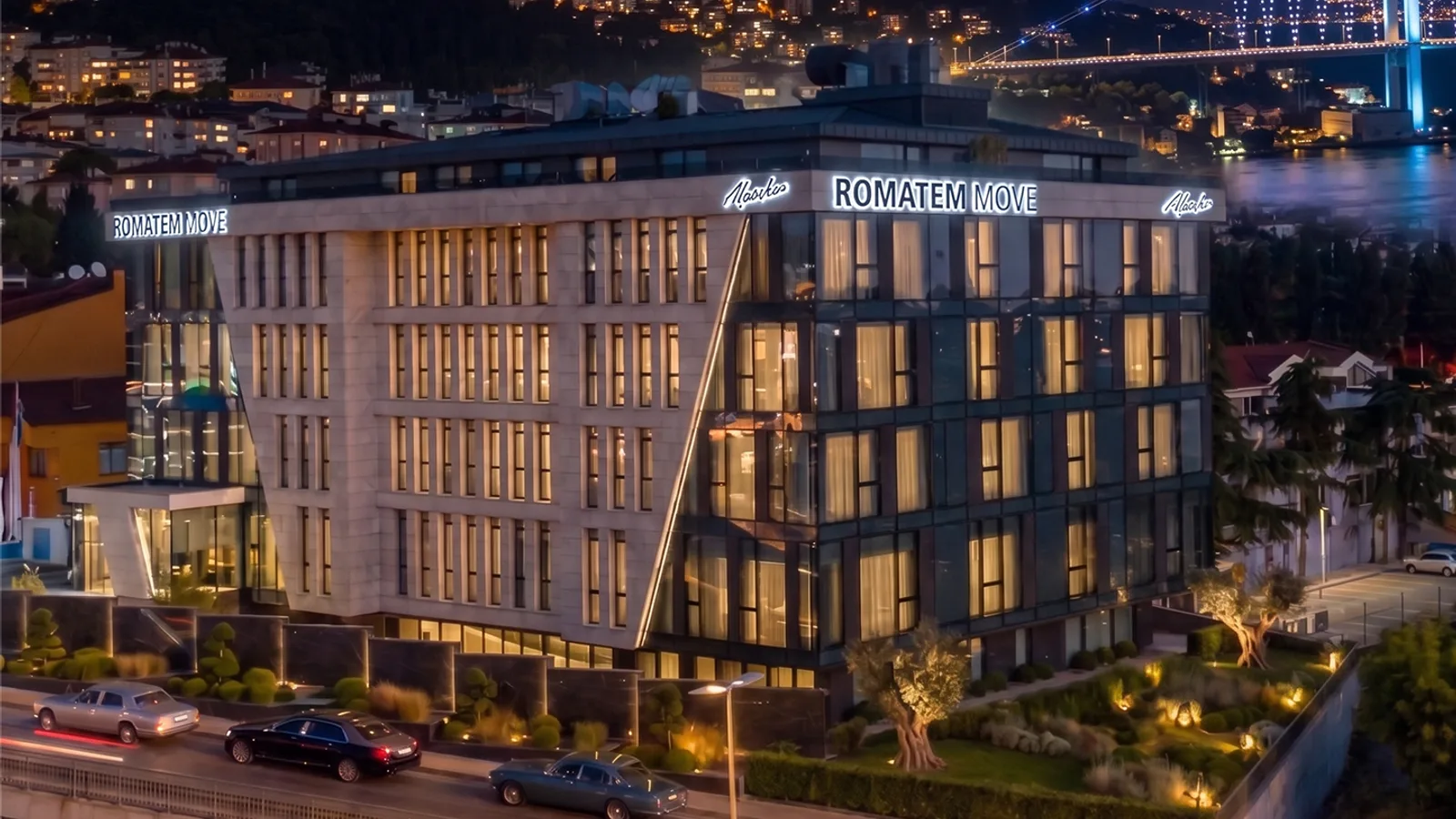
Oncologic Rehabilitation in Istanbul is available at 1 hospital in the Voumed network.
Oncologic rehabilitation is a multidisciplinary treatment programme that manages the physical, functional and emotional effects that follow cancer treatment with surgery, chemotherapy or radiotherapy. After treatment, many people are left with muscle loss, deep fatigue, restricted movement, pain, swelling and problems with balance and coordination, and without structured rehabilitation these can seriously erode quality of life. The programme rebuilds strength, mobility and energy in a safe, graded way, helping survivors not only recover but return to a full and active life. Many patients travel abroad for oncologic rehabilitation to reach centres where an experienced team, modern equipment and a concentrated programme come together, allowing them to regain function faster and with expert support after a long and demanding course of treatment.
On this page
At a glance
- Setting
- usually outpatient or day programme; inpatient for those needing closer support
- Programme length
- commonly several weeks, often around 4 to 8 weeks, sometimes in blocks
- Session frequency
- typically several therapy sessions each week
- What it helps
- fatigue, weakness, stiffness, pain, swelling, balance, loss of daily function
- Team
- rehabilitation physician with oncology, physiotherapists, dietitians and psychological support
- Typical first step
- an assessment of strength, range of motion, stamina and independence
What it is
Oncologic rehabilitation is the branch of rehabilitation that helps the body recover from the wide-ranging effects of cancer and its treatment. Rather than treating the cancer itself, it addresses what the illness and the powerful treatments leave behind: weakness, fatigue that does not lift with rest, stiff joints and limited movement, pain, swelling and reduced fitness. It is built around a personalised, safe exercise model, combined with targeted therapies for the specific problems each person faces. Because cancer treatment affects the whole person, the programme deliberately brings together physical recovery, nutrition and emotional support, so that survivors rebuild not just their bodies but their confidence and their place in daily life.
When it is used and who it helps
The programme helps people during and after treatment for many types of cancer, whenever the illness or its treatment has reduced strength, movement or independence. It supports recovery after cancer surgery, where stiffness, weakness and restricted movement are common, and after chemotherapy or radiotherapy, which often leave lasting fatigue, muscle loss and reduced fitness. It offers rehabilitation tailored to specific cancers: shoulder and arm function and swelling after breast cancer, swallowing, speech and neck movement after head and neck cancer, breathing and stamina after lung cancer, and core strength and continence after gynaecological or gastrointestinal cancer. It is suitable for anyone whose daily life has been limited by the effects of cancer treatment and who wants to rebuild capacity, ease symptoms and return to normal activities.
How the programme works
Care is tailored to the type of cancer and to the stage of recovery, using a safe, individually planned exercise model. After assessing muscle strength, range of motion, stamina, balance and how independent the person is in daily tasks, the team builds a plan that combines a personalised exercise programme with management of the specific problems present, such as pain, swelling, stiffness or fatigue. Treatment draws on physical therapy, graded conditioning to rebuild endurance, muscle strengthening, lymphoedema therapy where swelling is present and breathing rehabilitation where needed, supported by exercise and performance systems, electrotherapy and balance and coordination platforms; these tools are positive signals of a well-equipped centre rather than a requirement for good care. Nutrition support helps rebuild muscle, and psychological support addresses the emotional weight of the cancer journey. The team typically includes a rehabilitation physician working with oncology, physiotherapists, dietitians and psychological support, and progress is reviewed regularly so the plan advances safely.
What to expect and candidacy
A good candidate is someone whose cancer treatment is complete or stable enough to begin graded rehabilitation, as confirmed by their oncology team. The programme is carefully paced to the realities of cancer recovery, where fatigue can fluctuate from day to day, so intensity is matched to how the person feels and built up gradually as strength and energy return. Early sessions focus on gentle movement, restoring range of motion and rebuilding basic stamina, progressing toward fuller strength, balance and daily function. Family involvement is welcomed, as encouragement and shared understanding support recovery. For international patients, recent reports such as treatment summaries, surgical details and current imaging can be reviewed in advance, so that a safe, realistic plan and an expected duration are agreed before travel and the detailed assessment is completed on arrival.
Progress and planning your rehabilitation abroad
Recovery from cancer treatment unfolds over weeks and months, and oncologic rehabilitation is usually delivered as a focused course or in blocks. A typical programme runs for about 4 to 8 weeks, with some patients returning for further blocks as they continue to rebuild. Planning a stay abroad, it is sensible to allow several weeks for a meaningful course, with comfortable accommodation nearby and, if wished, a family member able to stay. Before returning home, the team provides a tailored home exercise programme, advice on swelling, energy management and nutrition and a plan for continuing therapy locally, and remote follow-up by message or video keeps progress on track. The strength, mobility and energy regained during the programme are maintained and built upon by keeping up the exercises at home.
Safety and results
Delivered by an experienced team in coordination with oncology, oncologic rehabilitation is safe, with the programme carefully adapted to each person's treatment, current condition and energy levels. Exercise is graded and monitored so it supports recovery without overtaxing the body, and any swelling, pain or fatigue is managed as part of the plan. The benefits are well recognised: structured rehabilitation reduces cancer-related fatigue, rebuilds strength and stamina, improves movement and daily function, helps control swelling and supports emotional wellbeing and a return to normal life. Results depend on the type of cancer, the treatments received and the individual's condition, but most people regain meaningful function, feel markedly stronger and more energetic and reclaim activities they value.
Frequently asked questions
These answers are general guidance and may vary by provider. Confirm the details with the hospital you choose.
How long does an oncologic rehabilitation programme take?
A typical programme runs for about 4 to 8 weeks, and some patients return for further blocks as they keep rebuilding. Recovery from cancer treatment continues over months, so the programme is paced to steady, lasting progress rather than a quick fix.
Is the programme inpatient or outpatient?
Oncologic rehabilitation is usually delivered as an outpatient or day programme, with several therapy sessions a week. An inpatient stay may be offered to those who need closer support, especially soon after major surgery or intensive treatment.
Can I continue the rehabilitation at home?
Yes. Before you leave, the team gives you a tailored home exercise programme with advice on swelling, energy management and nutrition, and remote follow-up by message or video helps keep your progress on track. Keeping up the exercises at home sustains the gains.
Can a family member stay with me during treatment?
Yes, and it is welcomed. A relative can attend sessions, learn how to support exercises and daily activity and accompany you throughout, and accommodation for a companion is usually available nearby for the length of the programme.
Is it safe to travel and exercise after cancer treatment?
Once your oncology team confirms your treatment is complete or stable enough, graded rehabilitation and travel for it are generally safe. The case is reviewed in advance from your reports, and exercise is matched to your condition and energy so it supports recovery without overtaxing you.
Will an interpreter be available if I do not speak the local language?
Yes. International patient teams routinely provide interpreters and a coordinator, so that the assessment, the exercise instructions and the advice on swelling, nutrition and recovery are fully understood in your own language.
When will I notice improvement?
Many patients feel early gains in energy, movement and mood within the first weeks, as gentle activity rebuilds stamina and eases stiffness. Strength and function then continue to improve across the programme and over the months that follow.
Not sure which hospital fits your case?
Upload your medical records and let AI match you to the right hospital.
Upload records and get matchedAvailable at these hospitals
Specialties
Not sure which hospital fits your case?
Upload your medical records and let AI match you to the right hospital.
Upload records and get matched