HIL (High-Intensity Laser Therapy)

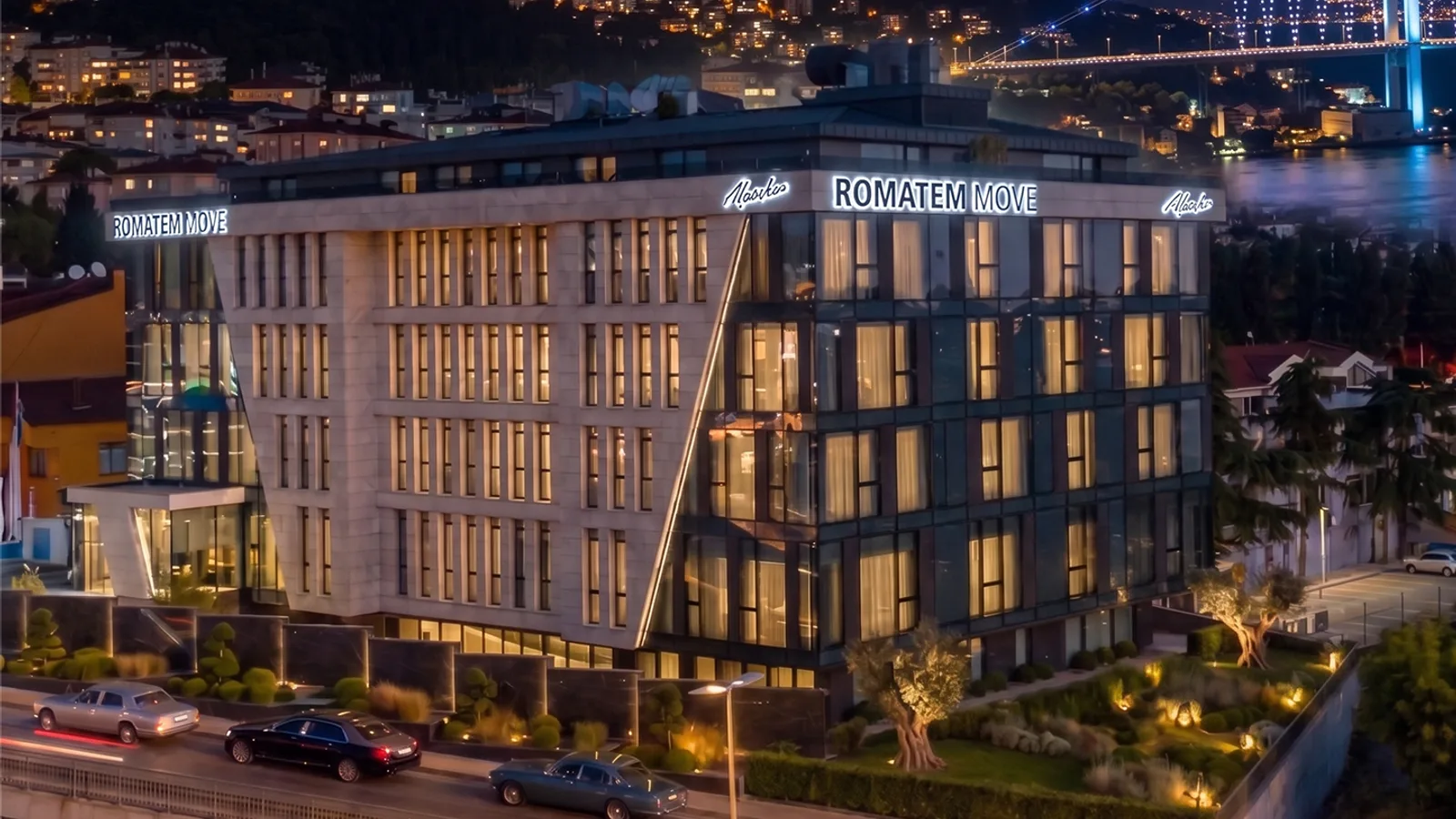
Istanbul

HIL (High-Intensity Laser Therapy) in Istanbul is available at 1 hospital in the Voumed network.

High-intensity laser therapy (HIL) is a modern physical-therapy treatment that uses a focused beam of laser light to reach deep tissues, ease pain and speed up healing. The laser energy is absorbed by the cells, where it raises their metabolism, improves blood flow, reduces inflammation and swelling, calms irritated nerves and supports tissue repair. Because it is more powerful than the low-level lasers used in older treatments, it can act on structures deeper under the skin, such as joints, tendons and the spine. It is a non-invasive, drug-free option, given in short sessions, that is often used alongside exercise and other physiotherapy.

On this page

At a glance

Type
rehabilitation device (high-intensity therapeutic laser)
Used for
pain relief, reducing inflammation and supporting tissue healing
Key benefit
reaches deep tissues without needles, medication or surgery
Session
typically about ten to thirty minutes, repeated over several visits
Where it is used
advanced rehabilitation centres abroad

What it is

The device is a therapeutic laser that produces a concentrated beam of light at a power high enough to pass through the skin and reach deeper tissues. A therapist holds a hand piece over the treatment area and moves it across the skin, delivering the laser energy where it is needed. Unlike a surgical laser, it does not cut or burn; instead it warms and stimulates the tissue gently. The settings, such as the power, wavelength and duration, can be adjusted for the body part being treated and whether the problem is recent or long-standing, which lets the therapist tailor each session to the patient.

How it works

The treatment relies on a process called photobiostimulation. As the laser light is absorbed, it gives the cells a boost of energy that speeds up their natural repair work. Blood flow to the area increases, which brings oxygen and nutrients and helps clear away inflammation and swelling. At the same time, the laser helps calm overactive pain signals in the nerves, so discomfort eases. Because the beam is strong, it can reach tissues that lie deep beneath the surface and act on them more quickly and powerfully than gentler lasers, while the patient simply feels a pleasant warmth during the session.

What it helps with and who it helps

The therapy is widely used for painful conditions of the muscles, joints, tendons and nerves. Typical uses include disc problems and back or neck pain, osteoarthritis and other joint complaints, tendinitis and bursitis, sports injuries, trapped or irritated nerves, nerve pain such as neuropathy, and slow-healing wounds. It suits people who want a non-invasive, drug-free way to control pain and support healing, whether the problem is recent and acute or long-standing and chronic. It is not suitable for everyone, so a specialist reviews the patient's condition and history before recommending it.

Benefits and what to expect

The main benefits are reduced pain, less inflammation and faster healing, often achieved without medication or any recovery time. Sessions are short, usually around ten to thirty minutes, and most people feel only a gentle warmth, with no need for needles or anaesthesia. A course often involves a small number of sessions for recent problems and a longer series for chronic ones, with many people noticing improvement as the course progresses. The laser is usually combined with exercise and other physiotherapy for the best result. A specialist explains the expected number of sessions and any precautions beforehand.

Frequently asked questions

These answers are general guidance and may vary by provider. Confirm the details with the hospital you choose.

Does the laser therapy hurt?

No. Most people feel only a pleasant warmth over the treated area during the session. The laser does not cut or burn the skin, and there is no need for needles or anaesthesia, so the treatment is generally very comfortable.

Is it safe, and are there side effects?

It is a well-established, non-invasive treatment that is considered safe when carried out by a trained therapist. Protective eyewear is used during the session. Side effects are uncommon and usually mild, and the therapist checks beforehand whether the treatment is suitable for you.

How many sessions will I need?

It depends on your condition. Recent, acute problems often need only a few sessions, while long-standing, chronic ones usually require a longer series. Your therapist will plan a course based on your diagnosis and how you respond.

How long does each session take and is there recovery time?

Each session usually lasts about ten to thirty minutes, depending on the area treated. The therapy is non-invasive, so there is no downtime: most people return to their normal activities straight after the session.

What conditions can it treat?

It is commonly used for disc and spine-related pain, osteoarthritis, tendinitis and bursitis, sports injuries, nerve entrapments, nerve pain and slow-healing wounds. A specialist confirms whether your specific problem is likely to benefit.

Is it suitable for everyone?

No. There are some situations where laser therapy is not advised, so a specialist reviews your medical history and current health first. If it is not suitable, the team can suggest other treatments that fit your needs.

Not sure which hospital fits your case?

Upload your medical records and let AI match you to the right hospital.

Upload records and get matched

Available at these hospitals

Specialties

Not sure which hospital fits your case?

Upload your medical records and let AI match you to the right hospital.

Upload records and get matched