Cardiology
Heart Transplant Life Expectancy: Survival Rates, Longevity, and Ted Warner's 36-Year Journey

Quick Answer: Average heart transplant life expectancy in the UK currently sees median survival reach 12 to 15 years, with more than 80% of recipients surviving the first year and exceptional individuals living past 30 years. Long-term graft survival depends on lifelong immunosuppression, rigorous infection control, and routine surveillance by specialist cardiothoracic teams.
Key Takeaways:
- Current UK registry data shows adult post-transplant survival rates between 80% and 85% at one year, with median survival extending beyond 12 to 15 years.
- Ted Warner, who received a donor heart at Papworth Hospital in 1990 and died in November 2026 at age 95, proved that a donor heart can function effectively for 36 years.
- Qualifying for the UK transplant waiting list requires comprehensive multi-system screening to confirm end-stage heart failure without prohibitive contraindications.
- Lifelong immunosuppressive therapy protects the donor graft from acute and chronic rejection, though it requires ongoing monitoring to manage infection and kidney risks.
- Under UK opt-out organ donation laws, adults are considered donors unless they record a refusal, though family discussion remains essential for organ retrieval.
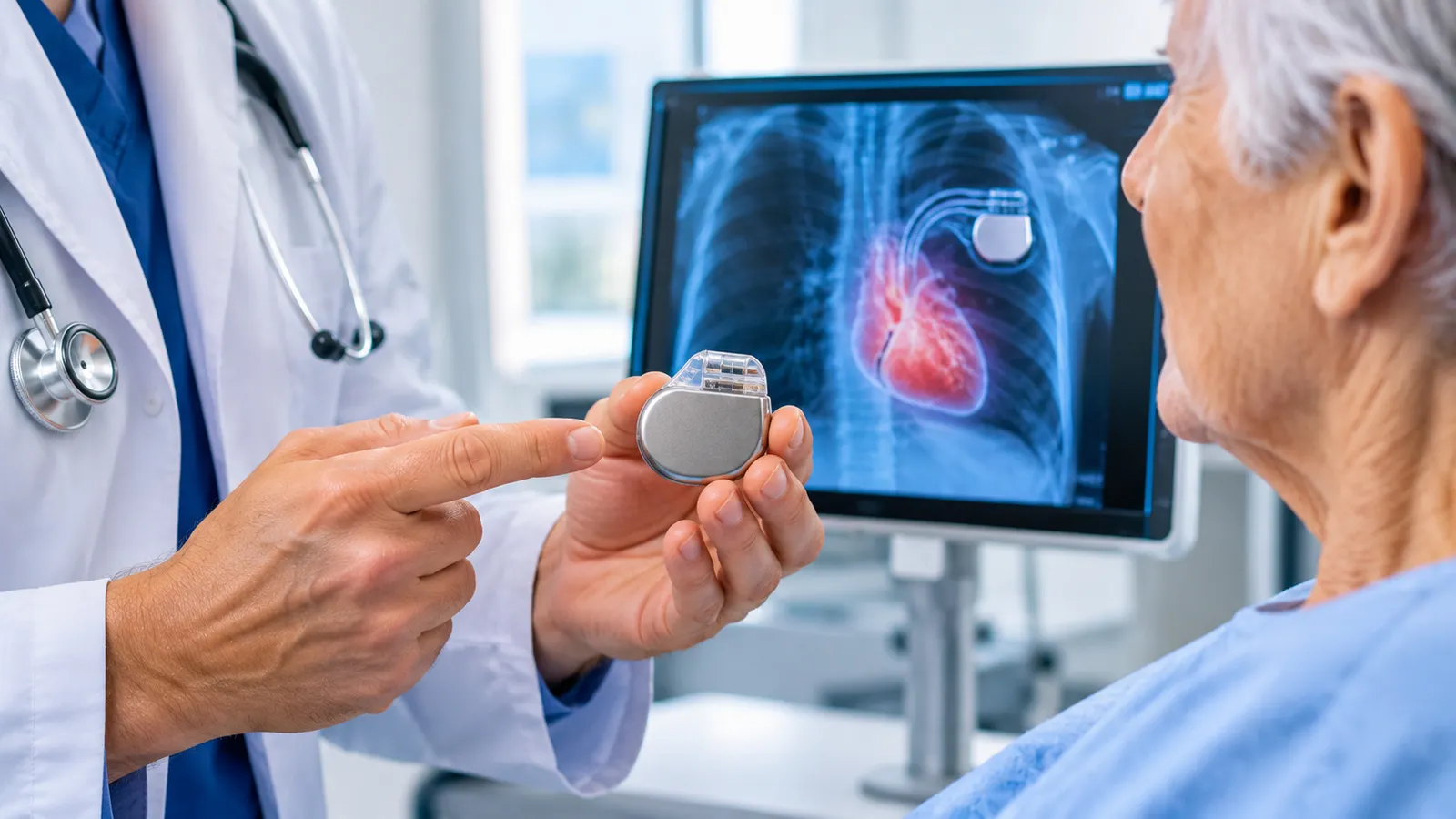
A heart transplant is a major surgical procedure in which a diseased human heart is replaced with a healthy heart from an organ donor who has died. It serves as an established surgical intervention for severe, irreversible heart failure when medical therapies, resynchronisation devices, and surgical reconstructions have reached their therapeutic limits.
Ted Warner: Remembering the UK's Oldest Heart Transplant Recipient
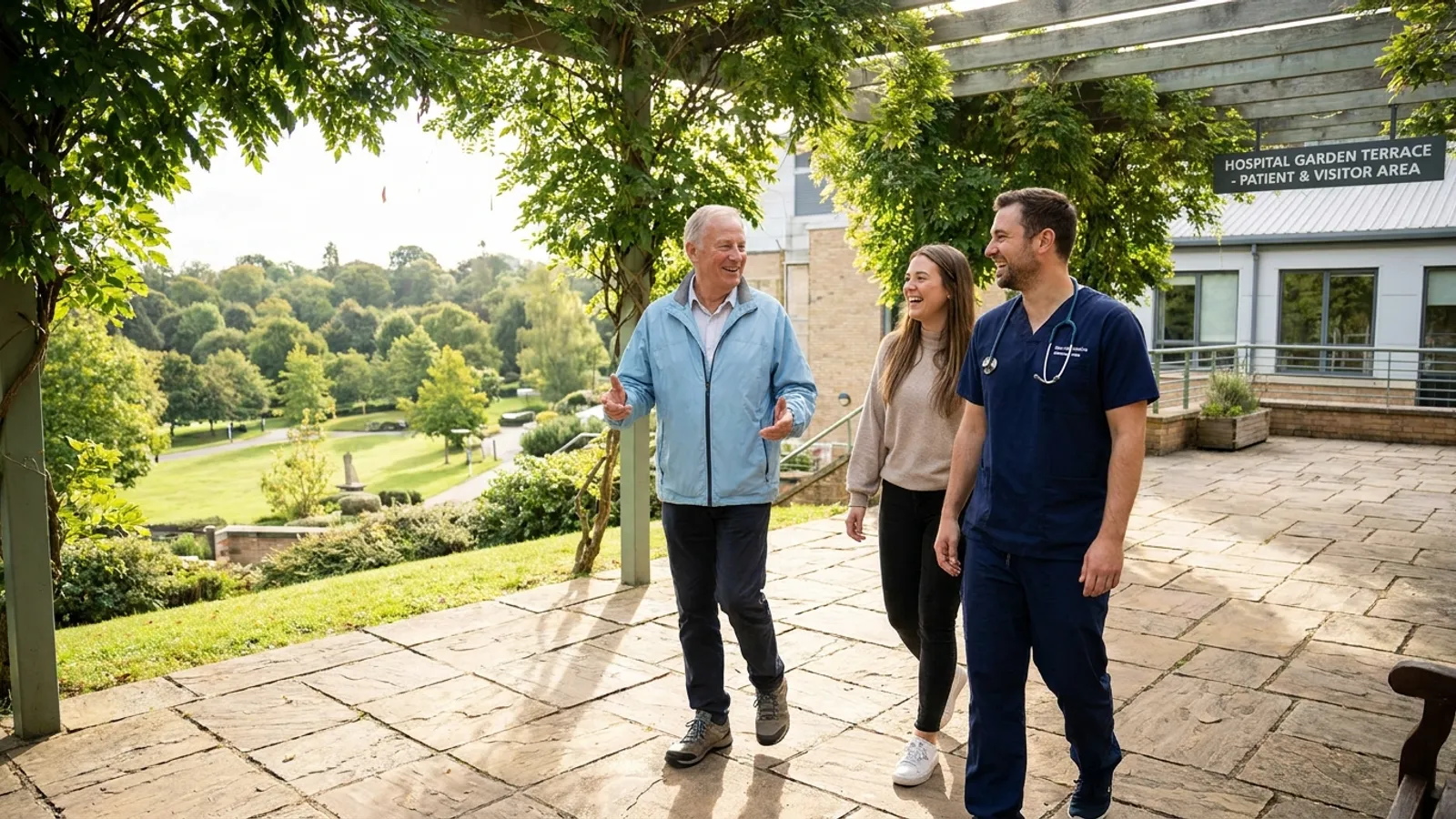
Ted Warner passed away peacefully in November 2026 at the age of 95, having lived for 36 years following his heart transplant at Cambridgeshire's Papworth Hospital in 1990. His journey stands as a testament to the longevity achievable through cardiothoracic surgery, skilled post-operative management, and dedicated patient care.
Mr Warner received his transplant when cardiac transplantation techniques and early immunosuppression protocols were still maturing across the National Health Service (NHS). At the time of his operation, median survival following heart transplantation rarely exceeded a decade. His ability to maintain robust cardiac function into his mid-nineties challenged traditional clinical boundaries. His life provided tangible evidence that a transplanted heart can sustain a full lifespan.
Colleagues and clinicians widely recognised him as the longest heart transplant survivor in the United Kingdom, and among the oldest in world history. Throughout his three and a half decades post-transplant, he adhered closely to clinical guidance. He managed structured medication routines and attended regular outpatient reviews at Royal Papworth Hospital.
As a pioneering heart transplant recipient, Ted Warner offered clear hope to thousands of cardiac patients across the UK and internationally. His case demonstrated that when surgical precision aligns with patient compliance, proactive renal monitoring, and vigilant immunosuppression titration, donor organs can thrive across multiple decades without premature structural breakdown.
Heart Transplant Life Expectancy: Survival Rates and What the Data Shows
Current reported data from NHS Blood and Transplant indicates that around 80% to 85% of adult heart transplant recipients survive past the critical first year, with median survival extending beyond 12 to 15 years. Advances in immunosuppression and infection control mean many recipients now live active lives for two to three decades or longer.
Long-term survival figures continue to improve as cardiothoracic centres refine donor organ preservation, perioperative management, and post-discharge surveillance. The benchmark registry from the International Society for Heart and Lung Transplantation (ISHLT) shows comparable figures across high-volume international centres. While the immediate post-operative period carries the highest acute risk, patients who navigate the first 12 months with stable graft function show a sharp upward trajectory in expected lifespan.
Clinical outcome metrics evaluate survival at standardised intervals. The following table illustrates the typical survival milestones documented in UK and international adult cardiac transplant registries:
| Post-Transplant Milestone | Average Survival Rate Range | Primary Clinical Focus Areas |
|---|---|---|
| 1 Year | 80%-85% | Primary graft dysfunction, acute cellular rejection, acute bacterial and viral infections |
| 5 Years | 70%-75% | Early cardiac allograft vasculopathy (CAV), renal function maintenance, calcineurin inhibitor toxicity |
| 10 Years | 55%-60% | Chronic allograft rejection, metabolic management, secondary malignancies |
| 15+ Years | 35%-45% | Cumulative immunosuppression side effects, chronic CAV, age-related comorbidities |
| 20+ Years | 20%-25% | Long-term graft durability, structural valve integrity, tailored low-dose immunosuppression |
When evaluating heart transplant life expectancy, clinicians consider multiple individual variables rather than relying solely on population averages. The overall heart transplant success rate is influenced by the recipient's biological age, the primary aetiology of heart failure, baseline pulmonary vascular resistance, and pre-existing kidney or liver conditions.
Recipients whose underlying condition was non-ischaemic dilated cardiomyopathy, or who received transplants at a younger adult age without chronic diabetes, frequently demonstrate superior graft longevity. Consequently, life expectancy after heart transplant is not a fixed ceiling; modern clinical registries reveal that an increasing proportion of compliant, low-risk recipients routinely reach the 20- and 30-year thresholds. The sustained improvement in the heart transplant survival rate highlights the transition of cardiothoracic transplantation from an experimental rescue intervention into a durable, restorative therapy.
Who Needs a Heart Transplant? Clinical Assessment and the Waiting List
A heart transplant is indicated for patients with end-stage heart failure or irreversible cardiogenic shock for whom conventional medications, cardiac resynchronisation devices, or surgical repairs are no longer effective. Candidates undergo comprehensive multi-system assessment before being listed on the NHS urgent or non-urgent national transplant waiting list based on clinical severity.
Cardiothoracic teams evaluate patients who have reached New York Heart Association (NYHA) Class III or Class IV functional limitation, where physical activity produces severe breathlessness, fatigue, and fluid retention despite optimal medical therapy. Common underlying diagnoses include:
- Ischaemic cardiomyopathy following extensive myocardial infarction
- Idiopathic dilated cardiomyopathy
- Hypertrophic or restrictive cardiomyopathy with intractable symptoms
- Congenital heart defects with failed secondary surgical palliation
- Severe valvular heart disease unsuitable for conventional repair or replacement
- Intractable, life-threatening ventricular arrhythmias resistant to ablation and device therapy
The formal assessment process takes place across several days at a designated UK transplant centre. Specialists conduct cardiopulmonary exercise testing (CPET) to measure peak oxygen consumption (VO2 max). A peak VO2 below 12 to 14 mL/kg/min typically supports transplant listing. Diagnostic investigations also include right-heart catheterisation to measure pulmonary artery pressures and pulmonary vascular resistance, coronary angiography, complete renal and hepatic profiling, and psychological assessment.
Contraindications prevent listing if other organ systems cannot survive the operation or immunosuppression. These include fixed severe pulmonary hypertension (which would trigger acute failure of the thin-walled donor right ventricle), active systemic malignancy, untreated active infections, severe chronic kidney disease unsuited for combined heart-kidney transplantation, and ongoing tobacco or substance dependence. Once accepted, patients are categorised on the national allocation register based on clinical urgency, with the most critically ill patients supported by temporary mechanical circulatory support placed on the urgent or super-urgent waiting tiers.
The Surgical Journey: What Happens During the Procedure and Early Recovery
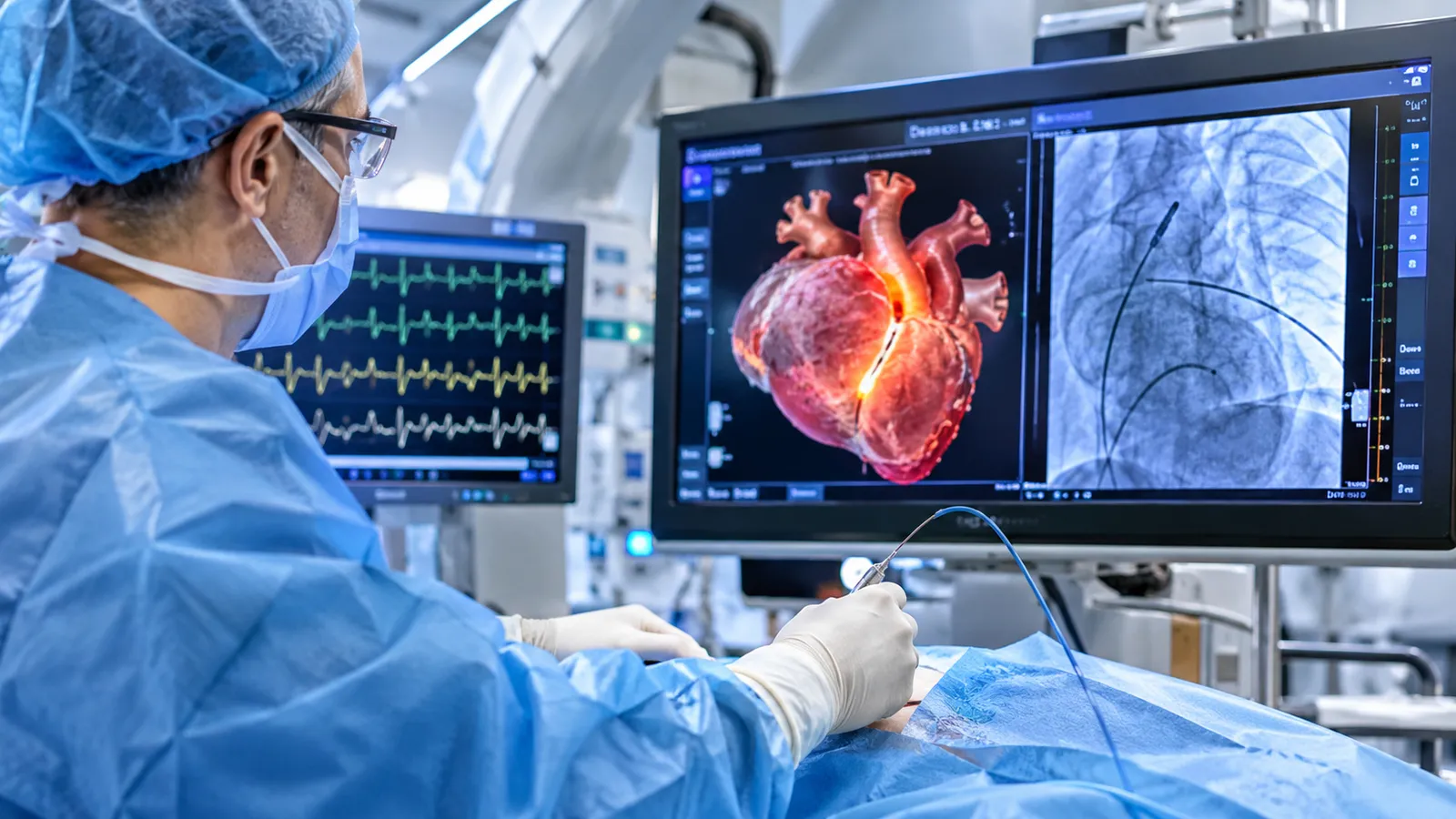
Heart transplant surgery is an open-chest operation performed under general anaesthesia using a heart-lung bypass machine to circulate blood while the diseased heart is excised and the donor organ carefully anastomosed. Following the four- to eight-hour operation, patients spend several days in an intensive care unit (ICU) for continuous haemodynamic monitoring before moving to a specialised cardiac ward.
The surgical team coordinates directly with the retrieval team at the donor hospital. Timing is critical: cold ischaemic time, the duration the donor heart spends on ice or in an ex-vivo perfusion preservation machine, must ideally stay below four hours to minimise cellular injury and primary graft dysfunction. Once the donor heart arrives in the operating theatre, the recipient is placed on cardiopulmonary bypass. The diseased organ is removed, typically using the bicaval orthotopic technique, which preserves the recipient's native left atrium and superior and inferior vena cava connections while reducing post-operative tricuspid regurgitation and rhythm disturbances.
The surgeon sutures the donor organ into position, meticulously connecting the left atrium, inferior vena cava, superior vena cava, pulmonary artery, and ascending aorta. Once surgical anastomoses are secured, blood flow is restored through the coronary vessels, the heart is re-warmed, and spontaneous rhythm is re-established (often aided by temporary pacing wires or internal defibrillation).
Early heart transplant recovery begins in the cardiothoracic intensive care unit. Critical care steps include:
- Invasive haemodynamic monitoring to balance cardiac output and keep systemic vascular resistance within tight parameters.
- Inotropic and vasopressor drug infusions to support right and left ventricular contractility during initial reperfusion recovery.
- Gradual weaning from mechanical ventilation, typically achieving extubation within 24 to 48 hours if gas exchange and clinical stability allow.
- Intensive chest tube and pericardial drain monitoring to prevent haemothorax or cardiac tamponade.
- Immediate introduction of induction immunosuppression agents and prophylactic antimicrobial therapies.
Most recipients step down from the ICU to a cardiac transplant ward within four to seven days. The hospital stay averages two to three weeks, during which physiotherapists initiate gentle mobilising, respiratory exercises, and independent daily care routines.
Lifelong Immunosuppressive Therapy and Protecting the Graft
Transplant recipients must take immunosuppressive medications daily for life to prevent their immune system from recognising the donor heart as foreign tissue and attacking it. Modern regimens typically combine calcineurin inhibitors, antimetabolites, and corticosteroids, requiring routine therapeutic drug monitoring to balance rejection prevention against infection and kidney risks.
Because a transplanted heart expresses donor human leukocyte antigens (HLA) that the recipient's immune cells recognise as non-self, T-lymphocytes and B-lymphocytes mount an immune response. Left unsuppressed, this cascade triggers acute cellular rejection or antibody-mediated rejection, leading to graft failure. Standard maintenance therapy relies on a triple-drug regimen:
- Calcineurin Inhibitors (CNIs): Tacrolimus (or ciclosporin) acts as the backbone of therapy by blocking interleukin-2 synthesis and halting T-cell activation. Blood trough levels must be measured via routine blood tests to avoid under-dosing (rejection risk) or overdosing (nephrotoxicity, neurotoxicity, hypertension).
- Antimetabolites: Mycophenolate mofetil (or azathioprine) inhibits purine synthesis, preventing rapid lymphocyte proliferation. Common side effects include gastrointestinal upset and mild bone marrow suppression (leukopenia).
- Corticosteroids: Prednisolone provides broad anti-inflammatory and immunosuppressive coverage, particularly in the early post-operative months. Clinicians gradually taper steroids over the first year to minimise risks of osteoporosis, weight gain, glucose intolerance, and skin fragility.
Patients must strictly avoid skipping doses or altering timings. Missing even single doses can trigger subclinical rejection cascades that damage microscopic coronary architecture. Furthermore, food and drug interactions require strict supervision: grapefruit juice, St John's wort, non-steroidal anti-inflammatory drugs (NSAIDs), and certain macrolide antibiotics interact with cytochrome P450 3A4 pathways, altering calcineurin inhibitor blood levels.
Life After Transplant: Daily Routines, Exercise, and Specialist Monitoring
Long-term recovery involves structured cardiac rehabilitation, tailored low-impact exercise, meticulous food safety precautions, and scheduled surveillance endomyocardial biopsies or non-invasive biomarker assays to detect early rejection. Most patients gradually resume everyday activities, driving, and work within three to six months post-surgery.
Because the surgical process severs the vagus and sympathetic nerve connections (cardiac denervation), a transplanted heart behaves differently from a native heart. A denervated heart maintains a higher resting heart rate (typically 90 to 100 beats per minute) because it lacks parasympathetic braking tone. During physical exercise, the heart cannot accelerate immediately via autonomic nerve impulses; instead, it relies on circulating catecholamines (adrenaline and noradrenaline) to increase stroke volume and rate. Patients must incorporate extended warm-up and cool-down periods so heart rate and blood pressure adapt safely.
Post-operative surveillance follows a rigorous schedule:
- Endomyocardial Biopsies: Under local anaesthesia, a cardiologist inserts a bioptome via the right internal jugular vein into the right ventricle to harvest microscopic myocardial tissue fragments. Biopsies occur weekly in the first month, tapering to monthly, and then annually or as clinically indicated to identify cellular rejection before symptoms appear.
- Echocardiography: Regular ultrasound examinations assess left ventricular ejection fraction, myocardial wall thickness, and valve motion.
- Coronary Angiography and Intravascular Ultrasound (IVUS): Annual or biennial imaging monitors for cardiac allograft vasculopathy (CAV), an accelerated form of coronary disease distinct to donor hearts.
- Infection Prevention Routines: Due to continuous immunosuppression, patients practise scrupulous hand hygiene, avoid unpasteurised dairy and undercooked meats, receive recommended non-live vaccines (such as seasonal influenza and pneumococcal vaccines), and report low-grade fevers immediately.
Cardiovascular rehabilitation begins in the hospital and continues in outpatient clinics, guiding recipients back to brisk walking, cycling, non-contact sports, and domestic tasks. Driving can usually resume once the sternum has fully healed (typically after 8 to 12 weeks), subject to Driver and Vehicle Licensing Agency (DVLA) notification and specialist medical approval.
Potential Risks, Complications, and Graft Health
Cardiothoracic transplantation carries recognised surgical and immunological risks, including acute allograft rejection, opportunistic infections, cardiac allograft vasculopathy, and renal impairment from immunosuppressive medications. Regular clinical monitoring, protocol adjustments, and prompt reporting of early symptoms significantly reduce the severity of these complications.
Primary graft dysfunction (PGD) represents an acute early complication, occurring within the first 24 to 72 hours in up to 10% to 20% of cases. It involves poor ventricular contractility without an obvious mechanical cause and often requires temporary veno-arterial extracorporeal membrane oxygenation (VA-ECMO) support while the stunned donor myocardium recovers.
Beyond the surgical perioperative phase, long-term clinical risks include:
- Acute Rejection (Cellular and Antibody-Mediated): Most common within the first six months. Symptoms can include fatigue, ankle swelling, shortness of breath, or new arrhythmias, though it is frequently asymptomatic and only caught on routine biopsy. Treatment involves pulsed intravenous methylprednisolone, antithymocyte globulin, or plasmapheresis.
- Opportunistic Infections: Heightened immunosuppression leaves patients vulnerable to cytomegalovirus (CMV), Pneumocystis jirovecii pneumonia (PJP), and fungal pathogens. Prophylactic therapies (co-trimoxazole, valganciclovir) are routinely administered for the first 6 to 12 months.
- Cardiac Allograft Vasculopathy (CAV): A progressive, diffuse narrowing of the donor coronary arteries caused by chronic, low-grade immune-mediated inflammation. Unlike traditional atherosclerosis, CAV affects the entire length of the vessel and does not present with classical angina due to cardiac denervation. It is managed with statins, mTOR inhibitors (everolimus), and occasionally coronary stents.
- Nephrotoxicity and Metabolic Disorders: Calcineurin inhibitors constrict renal arterioles, resulting in chronic decline in glomerular filtration rate over decades. Hypertension, hyperlipidaemia, and post-transplant diabetes mellitus are common metabolic consequences requiring proactive medical therapy.
- Secondary Malignancies: Suppressed immune surveillance increases the lifetime risk of non-melanoma skin cancers (squamous cell and basal cell carcinomas) and post-transplant lymphoproliferative disorder (PTLD). Sun protection and annual dermatological screening are mandatory.
Patients must seek emergency medical attention if they experience sudden breathlessness, fever above 38°C, dizziness or syncope, rapid unexplained weight gain (fluid retention), or severe peripheral oedema.
Organ Donation in the UK: How the Opt-Out System Saves Lives
Under Max and Keira's Law in England and equivalent deemed consent legislation across Wales and Scotland, adults are considered to have agreed to be organ donors unless they have opted out or fall into an exempt group. Despite the opt-out framework, specialist nurses always consult families, making open family conversations about donation wishes vital to securing donor organs.
Prior to the passage of opt-out legislation, thousands of individuals on organ waiting lists faced long delays or died before a suitable organ became available. Under the current legal framework:
- Adults aged 18 and over who have lived in England for at least 12 months and have mental capacity are presumed to support organ donation upon death.
- Excluded groups include children, individuals lacking mental capacity to understand the rules, and visitors or temporary residents.
- Every individual retains the legal right to opt out by registering their refusal on the NHS Organ Donor Register at any time.
Despite deemed consent, organ procurement does not proceed against the wishes of the donor's immediate family. In clinical practice, NHS specialist nurses in organ donation (SNODs) approach grieving families to discuss the potential donor's known values and wishes. If a family strongly objects or states the individual held unrecorded objections, donation is cancelled.
For this reason, recording clear preferences on the NHS Organ Donor Register and discussing those choices openly with relatives remains the single most effective way to prevent misunderstanding, alleviate family distress at end of life, and maintain a viable donor pool for cardiac transplant candidates.
Frequently Asked Questions
Heart transplant life expectancy varies based on recipient age, underlying health, and medication adherence, with many recipients living well over a decade and extraordinary individuals like Ted Warner reaching several decades. Consistent specialist follow-up and healthy daily habits remain the primary drivers of long-term graft survival.
How long does a heart transplant last?
A donor heart routinely functions effectively for 12 to 15 years on average, with many continuing beyond 20 to 30 years without graft failure. Its durability depends on preventing rejection episodes, managing blood pressure and cholesterol, avoiding CMV infections, and maintaining kidney function. While cardiac allograft vasculopathy can restrict heart transplant lifespan over decades, regular surveillance allows clinicians to adjust medical regimens early to prolong graft health.
How long can you live with a heart transplant?
Recipients can live for decades post-transplantation; national registries consistently document individuals surviving 25, 30, and even 36 years, as evidenced by Ted Warner. Survival depends primarily on keeping the immune system balanced to protect the graft while mitigating risks of infection and chronic kidney disease. Maintaining cardiovascular health through daily physical activity, avoiding tobacco, and attending scheduled cardiothoracic reviews provides the best opportunity for longevity.
Can a patient undergo a second heart transplant if the first graft fails?
Yes, repeat cardiac transplantation (re-transplantation) is technically feasible and performed in carefully selected candidates facing severe late graft failure or intractable allograft vasculopathy. However, eligibility is assessed stringently because re-transplantation carries higher procedural risks, greater surgical complexity due to sternal adhesions, and heightened sensitisation to donor antibodies. Patients must meet standard physical and organ criteria to ensure safe surgical recovery.
What practical daily habits protect the donor heart over time?
Patients protect their donor graft by taking every immunosuppressive dose at the exact designated time, monitoring daily blood pressure and weight, eating a heart-healthy diet low in salt and saturated fats, and avoiding raw seafood or unpasteurised foods. Regular moderate aerobic exercise maintains muscle strength and cardiovascular conditioning, while daily broad-spectrum sunscreen prevents post-transplant skin complications associated with long-term immunosuppressive medications.
Not sure which hospital is right for your case?
Upload your medical reports and our AI will match them against the verified capabilities of every hospital in our network.
- Upload your reports (no account needed)
- Our AI matches your case with hospitals that can actually treat it
- You choose who receives your case. We present it in the hospital's own language, and the hospital replies directly to you
Free and anonymous. Your documents stay private until you decide to send them.