Robotic Surgery (da Vinci)

Robotic Surgery (da Vinci)

Tbilisi

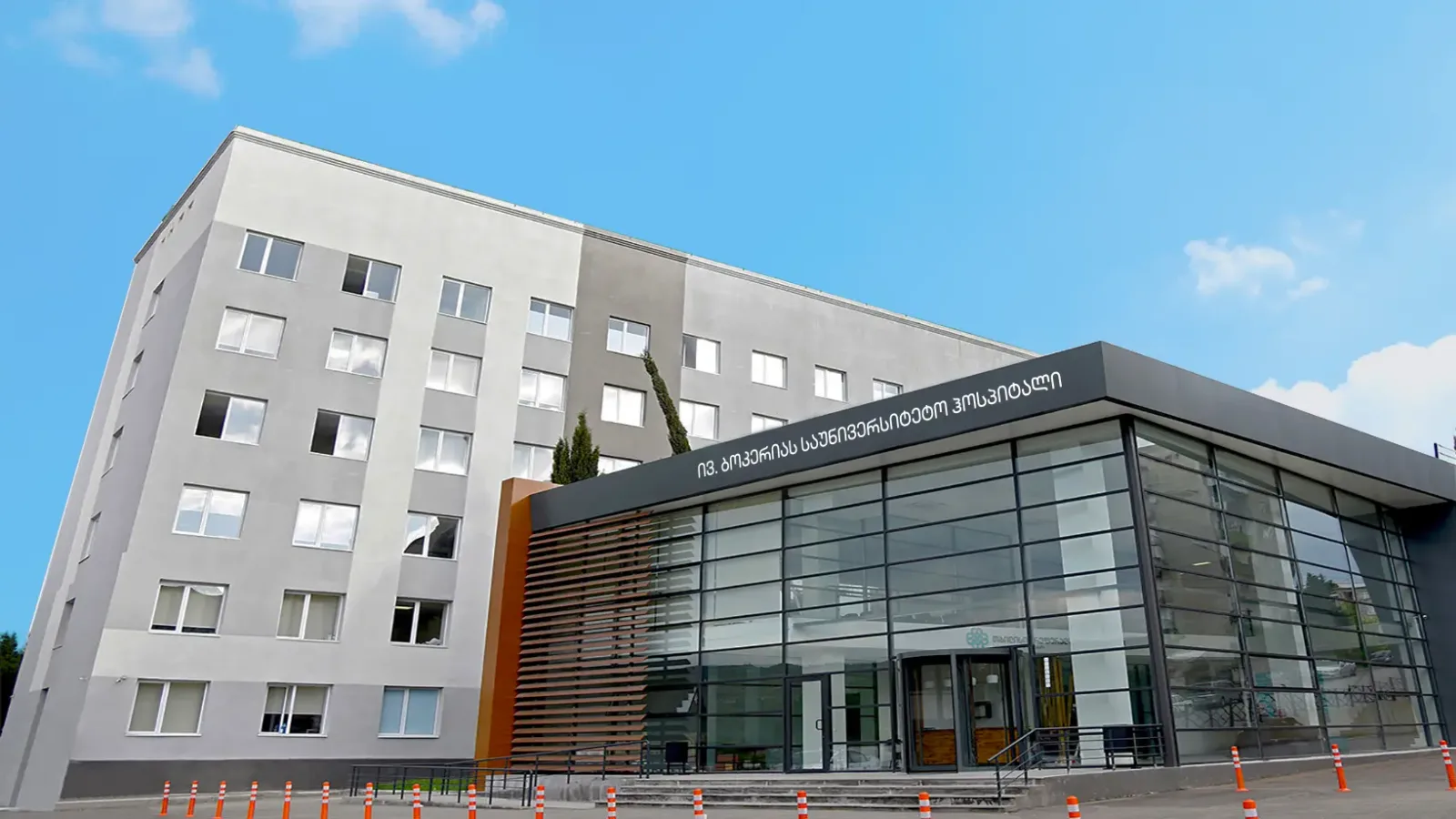
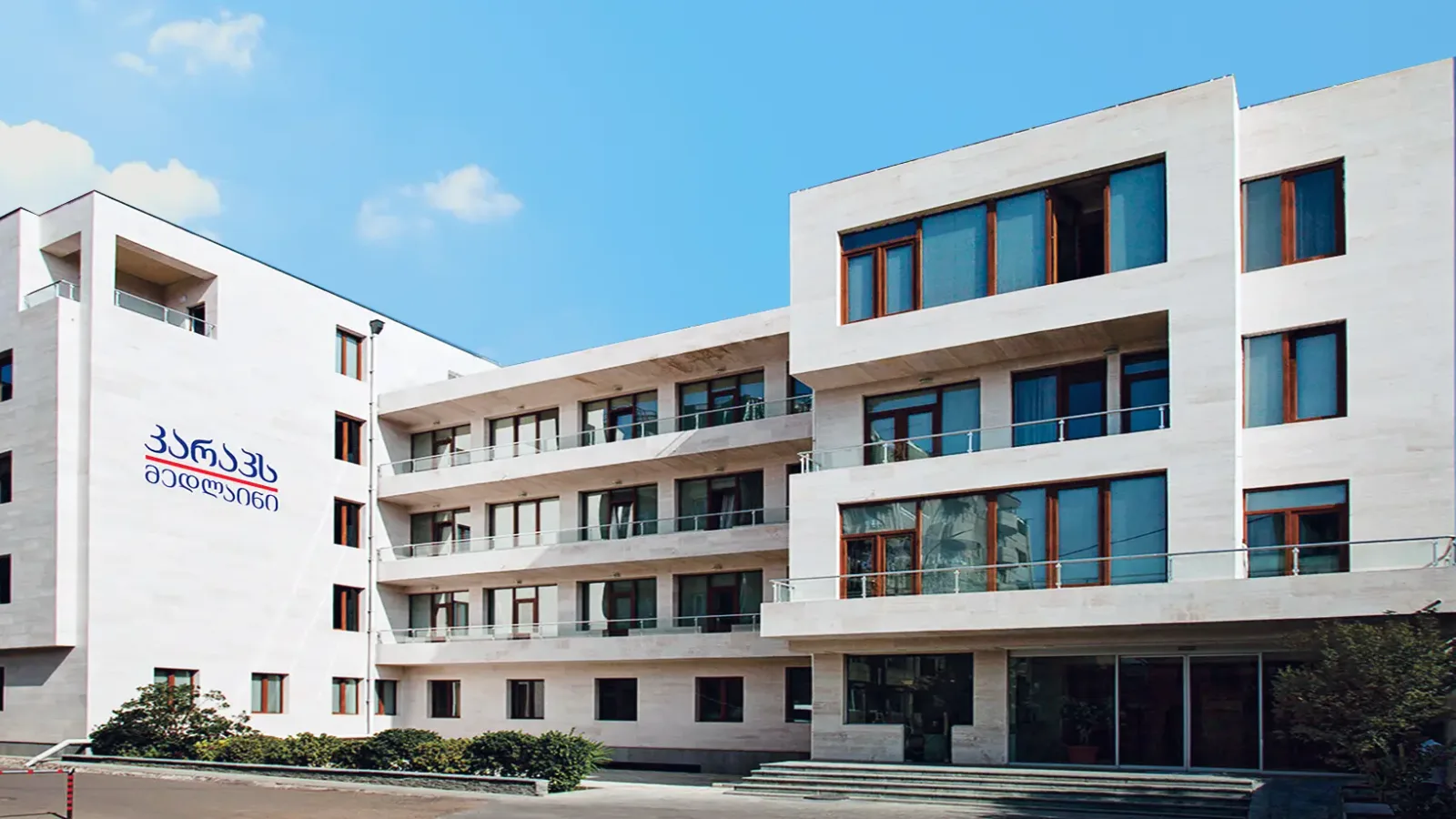
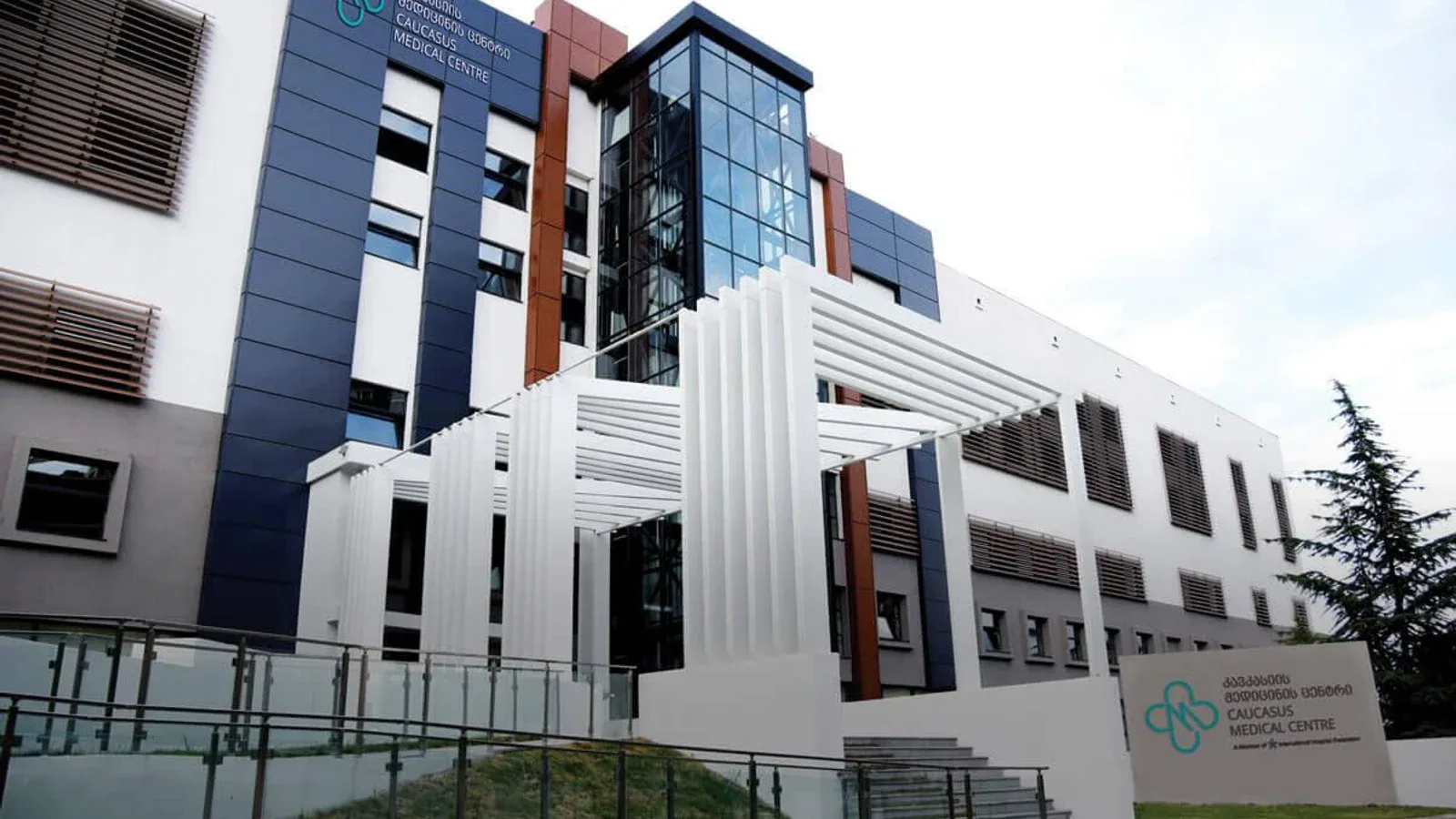
Robotic Surgery (da Vinci) in Tbilisi is available at 3 hospitals in the Voumed network.

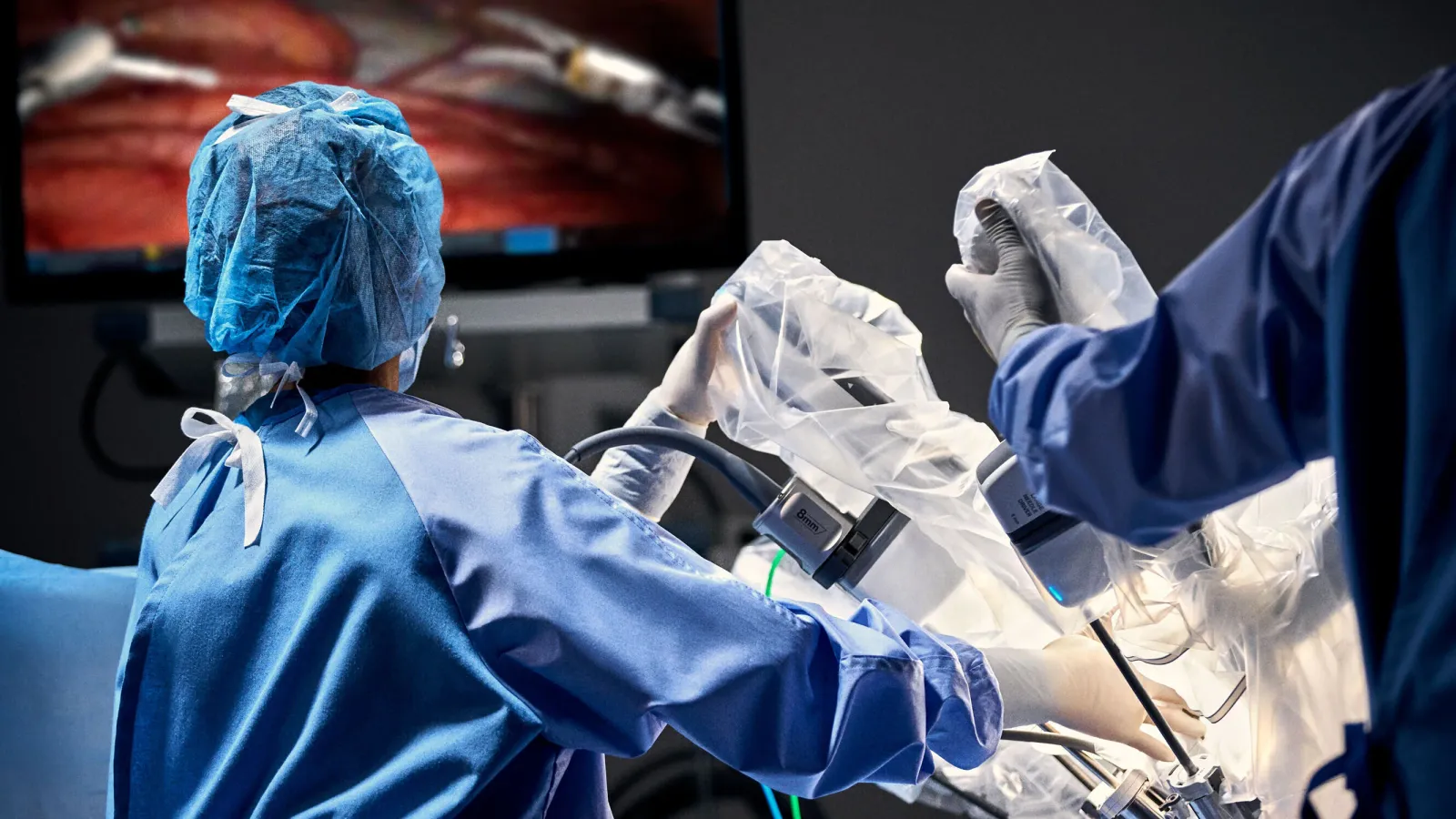
Robotic surgery is a minimally invasive surgical approach in which the surgeon operates through a few small incisions while seated at a console, controlling fine wristed instruments and a magnified three-dimensional camera. The robotic platform does not act on its own; it faithfully translates the surgeon's hand movements into precise, tremor-free motions inside the body, allowing delicate work in deep and confined spaces that is difficult through a large open cut. The result is the same operation with smaller wounds, less blood loss, less pain and a faster recovery than open surgery. Many patients travel abroad for robotic surgery to reach experienced teams, the latest robotic systems, short waiting times and a calm, supported recovery away from home.

On this page

At a glance

Anaesthesia
general anaesthesia
Hospital stay
usually 1 to 3 nights, depending on the operation
Procedure time
about 1.5 to 4 hours, depending on the operation
Recovery
light activity within days; desk work within 2 to 4 weeks
Time before flying home
usually 7 to 10 days, once healing is confirmed
Results visible
smaller scars at once; full recovery over 3 to 6 weeks

What it is

Robotic surgery, often known by the name of the most widely used platform, is a way of performing keyhole operations with greater precision and control. The surgeon sits at a console a few steps from the operating table and looks into a high-definition, magnified three-dimensional view of the surgical field. Hand and finger movements at the console are scaled down and steadied, then carried out by slim instruments on robotic arms passed through small incisions, each with a wrist that bends and rotates far beyond what the human hand can do inside the body. It is not a separate disease treatment but a refined surgical method, an evolution of laparoscopy, used to carry out many established operations through smaller wounds with finer control.

When it is recommended

The robotic approach is considered when an operation can be done through small incisions and would benefit from precise dissection, careful preservation of nerves and fine suturing in a deep or narrow space. It is well suited to operations in the pelvis and abdomen, where the magnified view and wristed instruments help protect important structures. Common examples include removal of the prostate for cancer with preservation of the nerves that control continence and erection, kidney-sparing removal of a tumour, removal of the womb or fibroids, surgery for endometriosis, and bowel cancer surgery, among others. It is chosen for a particular patient when its advantages in precision and recovery outweigh the alternatives, and when open surgery is not specifically required by the situation.

How it is performed

The operation is performed under general anaesthesia, so the patient is fully asleep. The surgeon makes a few small incisions, usually around one centimetre, through which a camera and the robotic instruments are placed; gentle carbon dioxide gas creates a working space inside the abdomen or pelvis. Seated at the console, the surgeon views the magnified three-dimensional image and controls the instrument arms, whose movements are filtered of any tremor and scaled for fine precision, while a surgical team remains at the patient's side throughout. The wristed instruments allow cutting, dissecting and stitching at angles that are difficult with straight keyhole tools, which is especially valuable for reconstruction and nerve-sparing work. At the end the instruments are removed and the small incisions are closed. Depending on the operation, the procedure usually takes about 1.5 to 4 hours.

Candidacy and preparation

A good candidate is generally someone who is suitable for keyhole surgery and fit for a general anaesthetic. Suitability depends on the specific condition, previous operations and overall health, and is confirmed after examination, imaging and any tests the operation requires, such as staging scans for cancer. Routine blood tests and a heart trace where appropriate confirm fitness for anaesthesia. Smoking is best stopped beforehand, and blood-thinning medicines are paused on medical advice. There are situations where open surgery remains the better choice, such as very large tumours, certain emergencies, or extensive scarring from previous surgery, and the team will say so honestly. For international patients, scans and reports can be reviewed remotely before travel, so the plan is confirmed quickly on arrival.

Recovery and planning your treatment abroad

Because the wounds are small, recovery is usually quicker and more comfortable than after open surgery. Most patients are encouraged to walk the same day or the next, and the hospital stay is commonly one to three nights depending on the operation. Light activity resumes within days and desk work within two to four weeks, while heavy lifting and strenuous exercise are avoided for several weeks while healing completes. Planning a trip abroad, it is sensible to stay in the destination city for about 7 to 10 days so that early healing can be checked and, after cancer surgery, the first results discussed before flying. Air travel is comfortable once the surgeon confirms recovery is on track. Follow-up then continues remotely by message or video, with interpreter support, and any longer-term monitoring such as cancer follow-up can be arranged near your home.

Risks, safety and results

Robotic surgery is well established and safe in trained hands, and shares the general risks of any operation under anaesthesia, including bleeding, infection and the small risks of anaesthesia itself. Specific to keyhole and robotic surgery, there is an uncommon chance that the operation needs to be converted to open surgery if it cannot be completed safely through small incisions; this is a sensible safety decision, not a complication. Compared with open surgery, robotic procedures generally mean less blood loss, fewer wound problems, less pain and a shorter recovery, while achieving the same or better disease control. Compared with standard keyhole surgery, the three-dimensional view, steadier instruments and greater range of motion support more precise dissection and reconstruction, which is particularly valuable for nerve-sparing and cancer operations in confined spaces.

Frequently asked questions

These answers are general guidance and may vary by provider. Confirm the details with the hospital you choose.

Does the robot perform the surgery by itself?

No. The surgeon performs the entire operation; the robotic system simply translates the surgeon's hand movements into precise, tremor-free motions of the instruments. The surgeon is in control at all times from a console beside the operating table, with a full surgical team at the patient's side throughout.

Which operations can be done robotically?

Many established operations across several specialties, including removal of the prostate for cancer, kidney-sparing tumour removal, removal of the womb or fibroids, surgery for endometriosis, bowel and bladder cancer surgery, and selected chest operations. Whether the robotic approach suits your specific operation is confirmed by the surgical team after assessment.

What anaesthesia is used, and is the surgery painful?

Robotic surgery is done under general anaesthesia, so you are fully asleep and feel nothing during the operation. Because the incisions are small, pain afterward is usually mild and well controlled with simple painkillers, and most people are walking within a day.

How many days should I plan to stay abroad?

Most patients plan to stay in the destination city for about 7 to 10 days. This covers the operation, one to three nights in hospital, a check that early healing is on track and, after cancer surgery, an initial discussion of results before you fly home.

When can I fly home after robotic surgery?

Most patients fly home once the surgeon confirms healing is progressing well, usually around 7 to 10 days after surgery. The exact timing depends on the operation; your surgeon advises when air travel is safe at your follow-up visit.

What are the advantages over open surgery?

The robotic approach generally means smaller incisions, less blood loss, less pain, a lower risk of wound problems and a faster return to normal activities than open surgery, while achieving the same or better disease control and, where relevant, better preservation of nerve function.

Is interpreter support available, and how does follow-up work from home?

Yes. International patient teams routinely provide interpreters and a coordinator so you understand every step in your own language. After you return home, follow-up continues remotely by message or video, and any longer-term monitoring, such as cancer follow-up tests, can be arranged near your home and shared with your surgical team.

Not sure which hospital fits your case?

Upload your medical records and let AI match you to the right hospital.

Upload records and get matched

Available at these hospitals

Specialties

Not sure which hospital fits your case?

Upload your medical records and let AI match you to the right hospital.

Upload records and get matched