General Surgery

General Surgery

Tbilisi

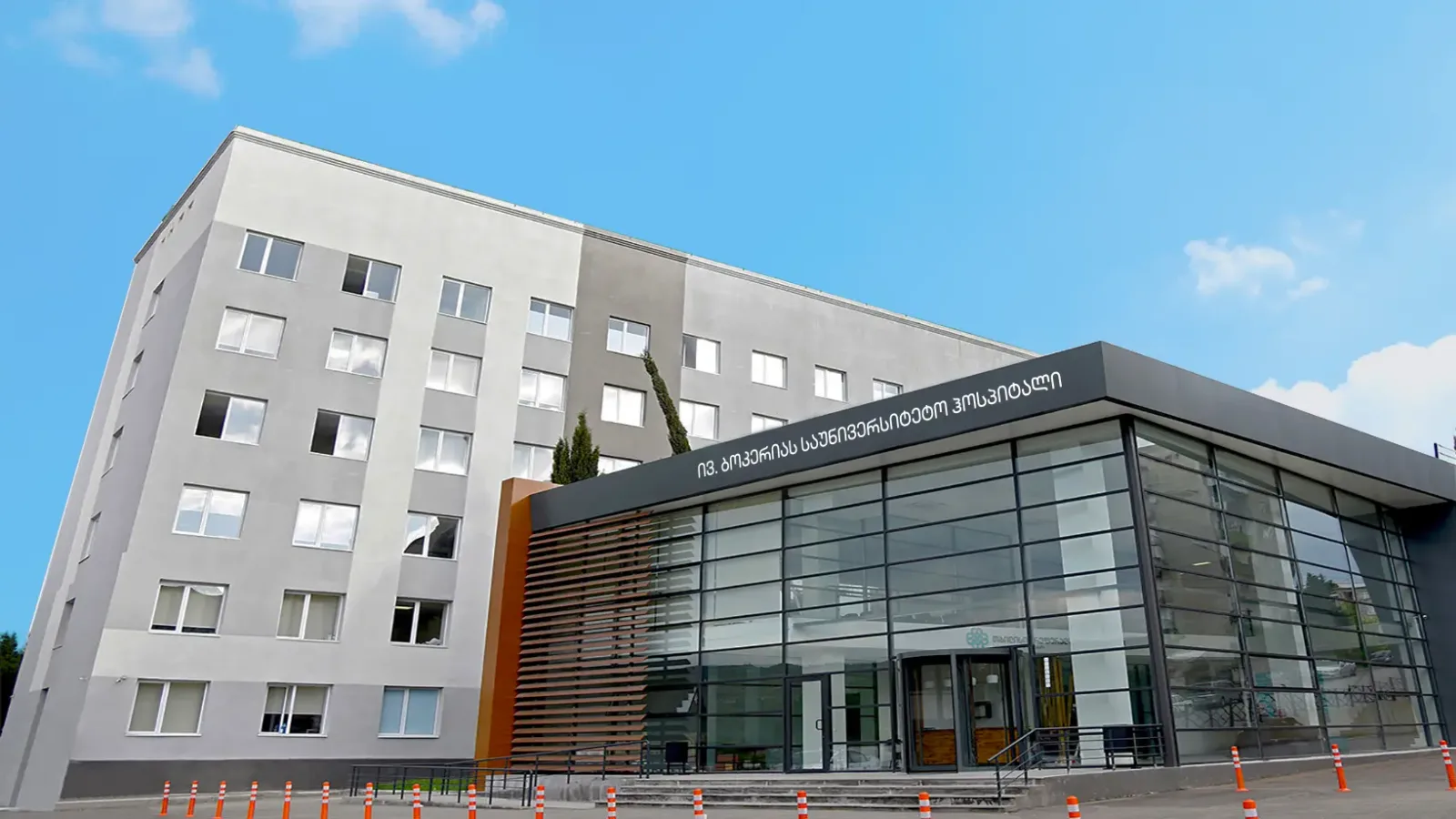
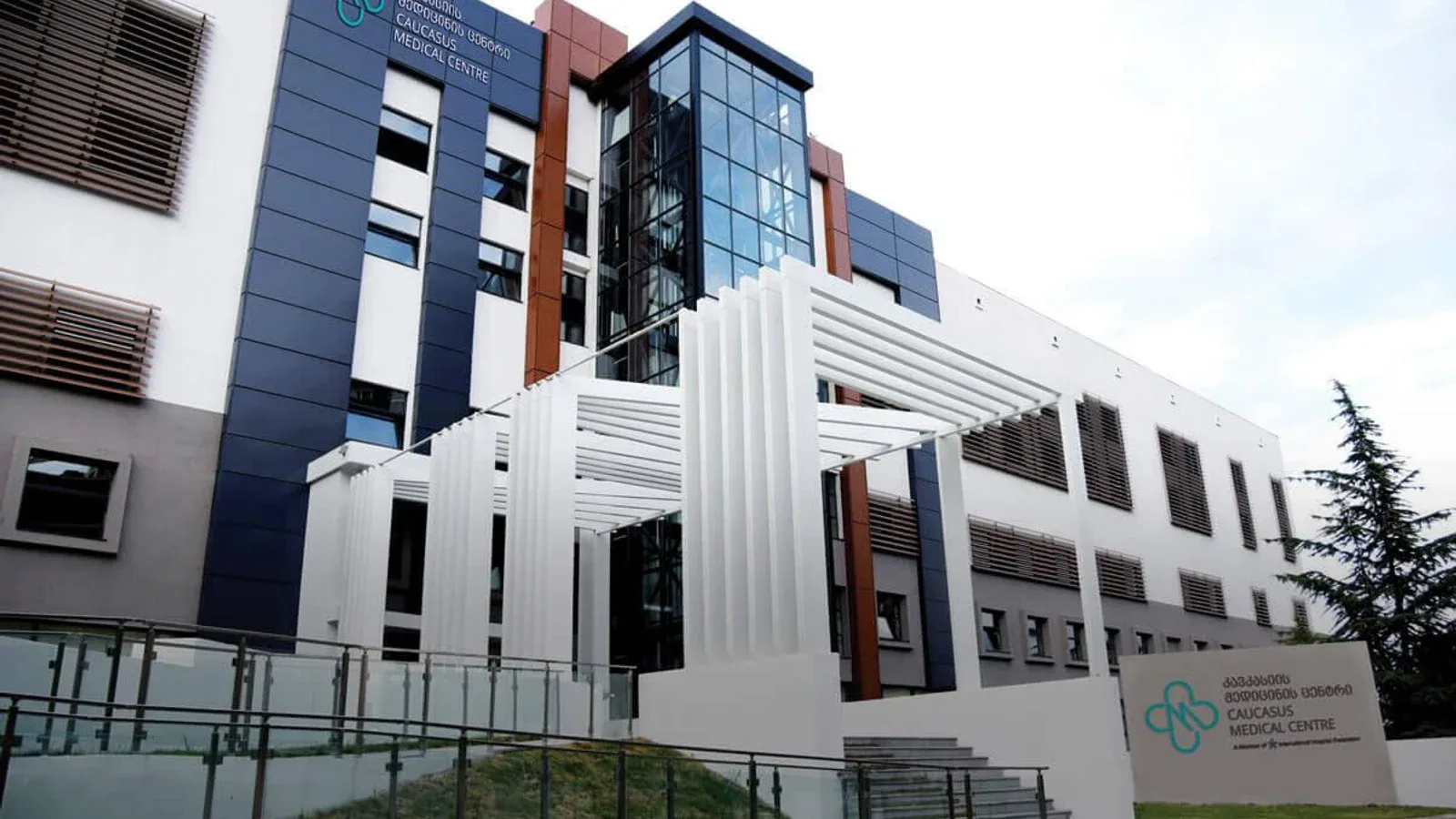
General Surgery care in Tbilisi is available at 3 hospitals in the Voumed network, with 2 related treatments.

General surgery is one of the broadest fields in surgery, looking after the organs of the abdomen and the digestive tract along with the thyroid, the breast and the body's hormone producing glands. It treats both everyday problems such as hernias, gallstones and appendicitis and serious disease such as cancer of the stomach, bowel, liver and pancreas. Patients travel abroad for this care because it brings together experienced surgical teams, modern operating theatres, keyhole and robotic techniques and a coordinated, multidisciplinary approach to cancer, all under one roof. Because so many conditions overlap here, the field rests on a deep shared foundation of anatomy, nutrition, wound healing and intensive care that supports many other surgical branches.

On this page

At a glance

Sub-specialties
gastrointestinal and colorectal surgery, hepato-pancreato-biliary surgery, endocrine and thyroid surgery, breast surgery, hernia surgery, proctology, surgical oncology
Common conditions
hernias, gallstones, appendicitis, haemorrhoids, nodular goitre, and cancers of the stomach, bowel, liver, pancreas, thyroid and breast
Common procedures
hernia repair, gallbladder removal, appendix removal, thyroid surgery, bowel and stomach resection, breast surgery
Common reasons to travel
experienced teams, keyhole and robotic options, a multidisciplinary cancer council, short waiting times
Typical hospital stay
day case or 1 night for many keyhole operations, several nights for major abdominal or cancer surgery
Anaesthesia
usually general anaesthesia; some minor procedures use local or regional anaesthesia
Typical first step
a consultation with imaging and blood tests, often started remotely with your existing scans and reports

What general surgery covers

General surgery diagnoses and operates on disease of the digestive organs, the oesophagus, stomach, small and large intestine, rectum, liver, gallbladder and pancreas, together with common conditions such as hernia, appendicitis and haemorrhoids. It also includes endocrine surgery of the thyroid and related glands, and the surgical treatment of benign and malignant breast disease. What ties these areas together is a shared base of knowledge, anatomy, physiology, metabolism, nutrition, wound healing and intensive care, which is why general surgery underpins so many other surgical fields. In modern practice a general surgeon often develops a deeper focus in one of these areas while still being able to manage the broad range of abdominal emergencies and planned operations.

Digestive tract and liver, pancreas and bile duct surgery

A large part of general surgery deals with the gastrointestinal tract: reflux and conditions of the oesophagus, stomach disease, and benign and malignant tumours of the small and large intestine and rectum. Gallstones, hernias of the abdominal wall and anorectal problems are among the most frequent reasons for an operation. Hepato-pancreato-biliary surgery is a more specialised area within the field, treating benign disease and tumours of the liver, pancreas and bile ducts, including complex operations for pancreatic and bile duct cancer. For any cancer, the surgical plan is set out together with imaging and pathology so that the operation fits the stage and location of the disease precisely.

Thyroid and endocrine surgery

Endocrine surgery treats conditions of the body's hormone producing glands that need an operation, including benign and malignant thyroid disease, nodular and overactive goitre, thyroid cancer, and disorders and tumours of the parathyroid and adrenal glands. Two refinements make this surgery safer and more comfortable. Energy devices seal blood vessels precisely, which lowers the risk of bleeding, and continuous nerve monitoring protects the nerves that control the voice during thyroid and parathyroid surgery, so the surgeon can confirm nerve function throughout the operation. In selected cases the thyroid can be removed through a hidden, scarless approach, sparing the neck from a visible incision.

Breast surgery

Benign breast lumps and breast cancer are managed with modern surgical techniques, an individual plan and a multidisciplinary team. Wherever it is oncologically safe, the principle is breast conserving surgery, removing only the tumour and a margin of healthy tissue while preserving the breast. When the whole breast has to be removed, plastic and reconstructive surgery performed in the same operation can rebuild a natural shape, so that a woman does not have to live with the loss of the breast. Decisions about the type of surgery, the need for additional treatment and the timing of reconstruction are made together with the patient and the wider cancer team.

Minimally invasive surgery and the cancer council

Many general surgery operations are now carried out with minimally invasive techniques, first laparoscopic, or keyhole, surgery and increasingly robotic surgery. Working through a few small incisions can mean less pain, less blood loss, a lower risk of wound problems and a quicker return to normal life than open surgery. For cancer, a multidisciplinary council brings surgeons together with medical and radiation oncologists, radiologists and pathologists so that every case is reviewed and the plan is agreed across specialties before treatment begins. This shared decision making is one of the main reasons patients seek experienced centres for complex abdominal and cancer surgery.

What to expect as an international patient

For patients who travel, the process usually begins remotely: scans, blood results and pathology reports are reviewed and a provisional plan is discussed before arrival. On arrival, an examination and any further tests confirm the diagnosis and fitness for anaesthesia, and the operation is scheduled. The length of stay depends on the procedure, from a day case or a single night for many keyhole operations to several nights for major abdominal or cancer surgery, followed by a few more days nearby so the surgeon can check wound healing and bowel function before you fly. Interpreter and international patient support helps with appointments, consent and instructions, and a written aftercare plan with remote follow up lets your care continue once you are home.

Frequently asked questions

These answers are general guidance and may vary by provider. Confirm the details with the hospital you choose.

What does general surgery treat?

It treats surgical disease of the digestive organs, the oesophagus, stomach, intestine, rectum, liver, gallbladder and pancreas, along with hernia, appendicitis and haemorrhoids, as well as thyroid and other endocrine surgery and breast surgery, both benign conditions and cancer.

Is general surgery done with keyhole or robotic techniques?

Often yes. Many operations are performed laparoscopically, through a few small incisions, and increasingly with robotic systems, which can mean less pain, less blood loss and a faster recovery. Whether a keyhole approach suits your case is decided after assessment.

How many days should I plan to stay abroad?

It depends on the operation. Many keyhole procedures are a day case or a single night, while major abdominal or cancer surgery usually means several nights in hospital and a few more days nearby, so the surgeon can confirm healing before you travel home.

When can I fly home after surgery?

For minor keyhole operations many patients can fly within a few days. After major abdominal or cancer surgery a longer wait of one to two weeks is usual, to lower the risk of clots and to confirm wounds and bowel function are recovering. Your team gives you clear, personalised advice before you book your return.

How is thyroid surgery made safer?

Energy devices seal blood vessels precisely to reduce bleeding, and continuous nerve monitoring protects the nerves that control the voice, so the surgeon can check nerve function throughout the operation. In suitable cases a scarless approach avoids a visible neck incision.

Can the breast be preserved in breast cancer surgery?

Wherever it is safe, only the tumour and a margin of healthy tissue are removed and the breast is preserved. When the whole breast must be removed, reconstruction in the same operation can rebuild a natural shape.

Will there be interpreter or language support?

Yes. International patient services commonly provide interpreters and coordinators who help with appointments, consent, instructions and day to day questions, so that language is not a barrier to safe care.

How does follow up work once I am home?

You are given a written aftercare plan, and follow up can continue remotely by message, photo or video. Routine wound care or stitch removal can usually be done by a clinician near your home, and your surgical team stays reachable for any questions during recovery.

Not sure which hospital fits your case?

Upload your medical records and let AI match you to the right hospital.

Upload records and get matched

Available at these hospitals

Procedures

Technologies and equipment

Hybrid Operating Room

A hybrid operating room is a surgical theatre that combines a full operating room with advanced, built-in medical imaging in the same space. Instead of relying on portable equipment or moving a patient to a separate scanning room, the team has a fixed, high-resolution imaging system, such as a robotic angiography arm, a CT scanner or an MRI, positioned right at the operating table. This lets surgeons see detailed live pictures of the body during the procedure and combine open surgery with minimally invasive, catheter-based techniques in a single session. For the patient, it can mean a less invasive operation, immediate confirmation that the surgery worked, fewer transfers between rooms and, often, a safer option when the case is complex or high-risk.

View technology

Toumai Robotic Surgery System

Toumai is an advanced robotic surgery system that lets a surgeon perform complex minimally invasive operations through a few small keyhole incisions. The surgeon works from a console a short distance from the operating table, guiding flexible robotic arms that copy every hand movement precisely while filtering out natural tremor. A high-definition camera gives a magnified, depth-accurate view inside the body, so delicate work in narrow spaces becomes more controlled and stable. As with all surgical robots, the system never acts on its own; the surgeon directs every motion and remains fully in control from start to finish.

View technology

Da Vinci Robotic Surgery

The da Vinci robotic surgical system lets a surgeon perform complex operations through a few small keyhole incisions instead of one large cut. Sitting at a nearby console, the surgeon controls tiny wristed instruments and a magnified high-definition three-dimensional camera, while the robotic arms translate every hand movement into precise, steady motion inside the body. The system never acts on its own: the surgeon is in full control at all times. For patients, this minimally invasive approach often means less pain, smaller scars, less blood loss and a quicker return to normal life.

View technology

Not sure which hospital fits your case?

Upload your medical records and let AI match you to the right hospital.

Upload records and get matched