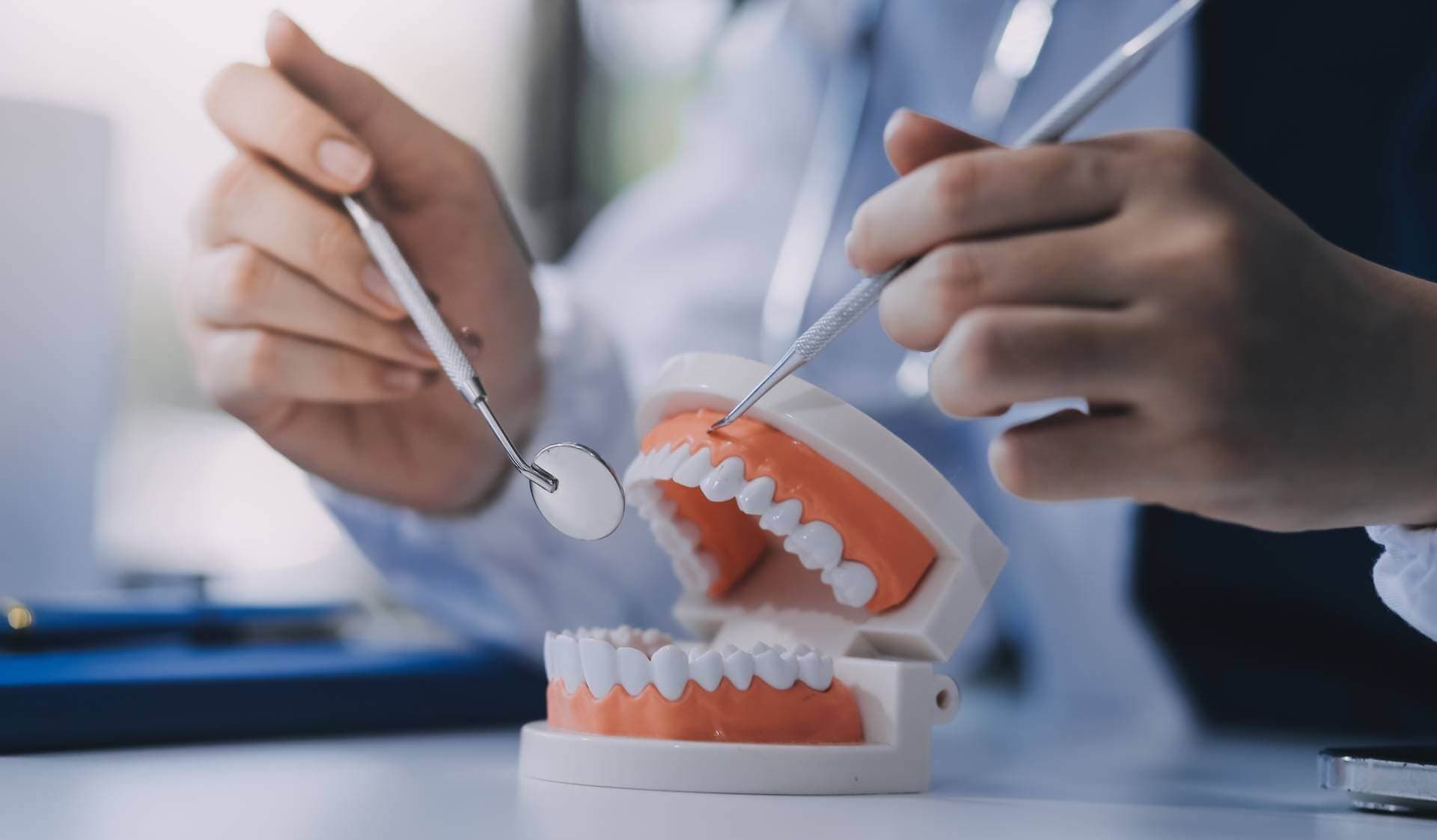
Dental, Oral and Maxillofacial Surgery
Tbilisi
Dental, Oral and Maxillofacial Surgery care in Tbilisi is available at 1 hospital in the Voumed network.
Oral, dental and maxillofacial surgery is the field where dentistry meets medicine, caring for the teeth, jaws and the soft tissues of the mouth, face and neck. Most people associate it only with tooth extraction, yet it reaches much further, from impacted wisdom teeth and dental implants to jaw joint disorders, facial trauma and surgery that corrects how the upper and lower jaws meet. It is one of the most common reasons people travel for treatment, because a full set of implants, a smile makeover or complex jaw work can often be planned and completed efficiently in a short stay by experienced surgical and dental teams. The goal is always a result that both works well and looks natural.
On this page
At a glance
- Sub-specialties
- dental implantology, oral surgery, orthognathic (jaw) surgery, bone grafting and sinus lifting, jaw joint surgery, restorative and cosmetic dentistry
- Common procedures
- dental implants, full arch and full mouth restoration, wisdom tooth removal, smile design, veneers and crowns, bone grafting
- Common reasons to travel
- efficient multi step treatment in one trip, experienced implant and surgical teams, hospital grade facilities
- Typical hospital stay
- most dental and implant work is outpatient; complex jaw surgery may need 1 to 2 nights
- Anaesthesia
- local anaesthesia for most dentistry, sedation or general anaesthesia for larger surgery
- Typical first step
- a consultation with an examination and scans, often started remotely from photos and x rays
Overview
Oral and maxillofacial surgery is a surgical branch of dentistry concerned with diagnosing and treating diseases, injuries and deformities of the hard and soft tissues of the mouth, jaws, face and neck. Its surgeons hold broad training in both dentistry and medicine, which lets them carry out the more complex procedures that general dentists do not, from placing implants in difficult bone to repairing facial fractures and realigning the jaws. The same specialty also overlaps with restorative and cosmetic dentistry, so a single treatment plan can combine surgery, implants and the crowns or veneers that finish a smile. Whether a problem is present from birth or has arisen later through decay, gum disease, trauma or ageing, the plan is built around the individual mouth.
Conditions it treats
The field handles a wide range of conditions. Among the most common are missing teeth that can be replaced with implants, and impacted teeth, especially wisdom teeth that cannot find enough room and cause pain, infection or crowding. It also covers worn or heavily decayed teeth needing restoration, a bite that does not meet correctly, jaw and facial trauma such as fractures, and temporomandibular joint disorders that show as limited mouth opening, locking, pain or clicking. Benign cysts and other lesions of the mouth and jaw, oral infections and abscesses that can spread if left untreated, and jaws that are too far forward, back or asymmetric all fall within the specialty. Many international patients come to replace several missing teeth at once or to combine surgery with a complete cosmetic restoration.
Dental implants, bone surgery and smile restoration
A dental implant is a small titanium root placed where a tooth is missing, restoring both chewing function and appearance, and it is one of the central areas of the specialty. When there is not enough bone to anchor an implant, the foundation can be rebuilt first: sinus lifting adds bone graft beneath the floor of the sinus in the upper jaw, while bone grafting restores volume where the jawbone has resorbed. For people missing most or all of their teeth, full arch solutions can support a fixed bridge on a small number of implants. Surgical and prosthetic planning is handled together, often guided by 3D imaging, so the final crowns, bridges or dentures fit precisely and last. Cosmetic finishing such as veneers, crowns and gum contouring then completes the smile.
Treatments and procedures
Treatment ranges from simple, minimally invasive work to complex reconstructive surgery. Minimally invasive procedures include surgical removal of decayed, broken or impacted teeth, removal of small cysts and biopsy of suspicious areas. Implant and bone surgery covers implant placement, sinus lifting and bone grafting. Jaw and face reconstruction repairs fractured bones with small plates and screws, and functional and aesthetic surgery includes orthognathic (jaw) surgery to correct the bite and smile design through gum reshaping and tooth restoration. Restorative dentistry, with crowns, bridges, veneers and modern root canal treatment, often completes the plan. Depending on the procedure and the patient, work is carried out under local anaesthesia, sedation or general anaesthesia, always under sterile conditions with careful infection control.
What to expect as an international patient
For people who travel, planning usually begins remotely: photographs, x rays and a description of the problem let the team outline a likely plan and the time it will need. On arrival, an examination and 3D scan confirm the details, and many treatments, including extractions, implant placement and cosmetic work, can begin the same visit. Implant treatment often involves two stages, a surgical visit to place the implants and a later visit to fit the final teeth once the bone has healed, though temporary teeth are usually provided in between so no one leaves with a gap. A typical trip for implants or a smile makeover may last several days to about two weeks depending on the work involved. Interpreter and international patient support is widely available, and the team provides a written aftercare plan and remote follow up for any healing questions once you are home.
Frequently asked questions
These answers are general guidance and may vary by provider. Confirm the details with the hospital you choose.
Is oral and maxillofacial surgery just tooth extraction?
No. Alongside extractions it covers dental implants, full mouth restoration, impacted teeth, jaw and facial trauma, temporomandibular joint disorders, oral cysts and lesions, infections, and surgery to correct how the jaws meet.
How many days do I need to stay for dental treatment abroad?
It depends on the plan. Simple work may need only a couple of days, while implants or a full smile makeover often mean a stay of several days to around two weeks, sometimes split into two trips so the implants can heal before the final teeth are fitted.
What if there is not enough jawbone for an implant?
Procedures such as sinus lifting or bone grafting rebuild a solid foundation so the implant can integrate successfully, even when the bone is initially too thin or too low. This may add some time to the overall plan.
Is treatment done under local or general anaesthesia, and is it painful?
Most dentistry and many implant procedures are done comfortably under local anaesthesia, sometimes with sedation for anxious patients, while larger jaw surgery is performed under general anaesthesia. Modern techniques keep the procedure itself painless, with mild soreness afterwards managed by simple pain relief.
When can I fly home after dental or jaw surgery?
After routine implants or extractions, flying home within a day or two is usually fine. After larger jaw surgery your surgeon may advise waiting a little longer until early healing is confirmed, and will give you clear, personalised guidance before you book your return.
What is orthognathic surgery?
It is surgery that corrects a mismatch between the upper and lower jaws, improving the bite, chewing and facial balance. It is usually planned together with orthodontic treatment, so braces or aligners straighten the teeth before and after the operation.
Will there be interpreter or language support?
Yes. International patient services commonly include interpreters and coordinators who help with the consultation, treatment plan, consent and scheduling, so you fully understand each step.
How do follow ups and any final fittings work once I am home?
Your team provides a written aftercare plan and stays reachable for remote follow up. For two stage implant treatment, the final teeth are fitted on a planned return visit once healing is complete; routine checks and any minor adjustments can often be done by a dentist near your home in coordination with the surgical team.
Not sure which hospital fits your case?
Upload your medical records and let AI match you to the right hospital.
Upload records and get matchedAvailable at these hospitals
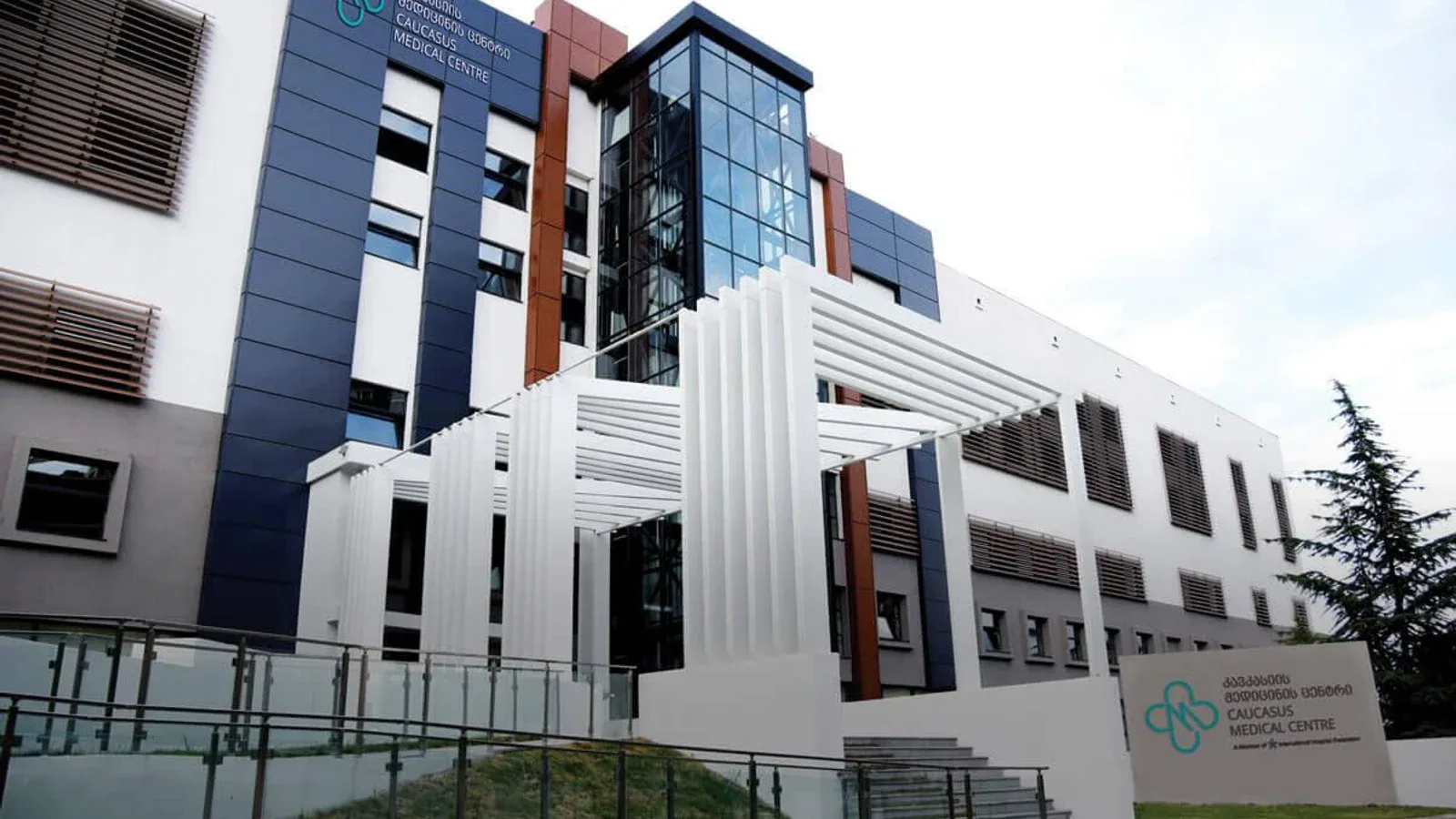
Technologies and equipment
Not sure which hospital fits your case?
Upload your medical records and let AI match you to the right hospital.
Upload records and get matched