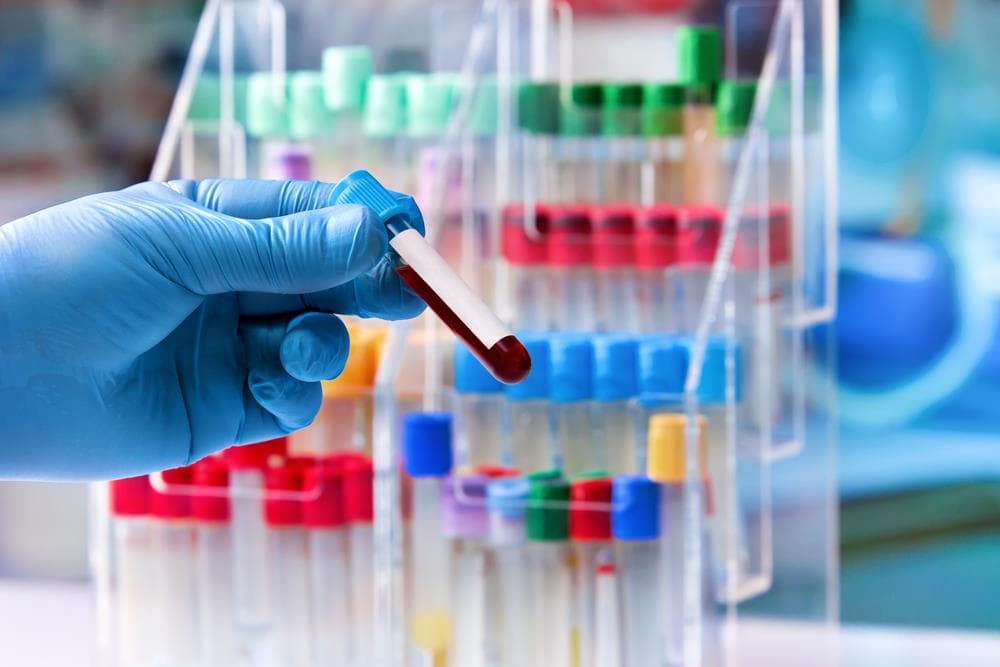
Hematology
Tbilisi
Hematology care in Tbilisi is available at 1 hospital in the Voumed network.
Hematology diagnoses and treats diseases of the blood, bone marrow, lymphatic system and the organs that make blood, covering both non-cancerous problems and blood cancers. The range runs from common conditions such as anemia and clotting disorders to serious diseases such as leukemia, lymphoma and myeloma, as well as inherited disorders such as thalassemia and sickle cell disease. Patients travel for hematological care to obtain an accurate diagnosis, access to modern treatment including chemotherapy, targeted therapy and, for selected patients, bone marrow transplant, and the close coordination with oncology and intensive support that complex blood disease requires. Because outcomes in many blood cancers have improved markedly in recent years, the focus is on precise diagnosis followed by a treatment plan delivered safely under one roof.
On this page
At a glance
- Sub-specialties
- benign hematology, hematologic oncology, bone marrow transplantation, bleeding and clotting disorders, hemoglobinopathies, therapeutic apheresis
- Common tests and procedures
- complete blood count and blood film, clotting tests, bone marrow examination, genetic and immunology testing, therapeutic apheresis, transfusion, chemotherapy, bone marrow transplant
- Common reasons to travel
- an accurate diagnosis for an abnormal blood count, access to modern therapy and transplant, strong supporting laboratory and intensive care
- Typical visit
- diagnosis is outpatient over a few days; treatment varies from day-unit infusions to several weeks of inpatient care for intensive therapy or transplant
- Anaesthesia
- usually none; a bone marrow sample is taken under local anaesthesia, sometimes with light sedation
- Typical first step
- a complete blood count and blood film, with a bone marrow examination when a clearer diagnosis is needed
Overview
Hematology has two closely linked sides. Benign, or non-cancerous, hematology deals with disorders such as anemia, low or abnormal blood counts, and problems with how the blood clots, many of which are common and treatable once the cause is found. Hematologic oncology deals with cancers of the blood and lymphatic system, including the leukemias, lymphomas and myeloma, which are serious diseases that nonetheless respond increasingly well to modern treatment. The same specialist often follows a patient across both worlds, because an abnormal blood count can point to either a simple deficiency or a serious disease, and only the right tests can tell them apart. This is why a careful, staged diagnosis is the heart of the field.
Conditions and sub-specialties
The conditions are wide-ranging. Anemias, including iron, vitamin B12 and folate deficiency anemias, are among the most common reasons for referral, alongside low white cells or platelets. Blood cancers include the acute and chronic leukemias, Hodgkin and non-Hodgkin lymphoma, multiple myeloma, and the myelodysplastic and myeloproliferative diseases. Bleeding and clotting disorders include hemophilia and other inherited and acquired conditions that cause abnormal bleeding or an abnormal tendency to form clots. Inherited disorders of the red cells, such as thalassemia and sickle cell disease, are also managed here, often from childhood. Therapeutic apheresis, which filters and treats the blood, and bone marrow transplantation are dedicated areas that support the treatment of the most serious diseases.
Common treatments and procedures
Treatment is matched precisely to the diagnosis. Many non-cancerous conditions are corrected with medication, iron or vitamin replacement, or by treating an underlying cause, and transfusion supports patients whose blood counts are low. For blood cancers, chemotherapy delivered in a high-standard service remains a mainstay, increasingly combined with targeted and immune-based therapies that act on the specific disease. Therapeutic apheresis removes or exchanges components of the blood for selected conditions. For some patients, a bone marrow transplant replaces diseased marrow with healthy blood-forming cells and offers the prospect of a cure. These treatments are supported by strong laboratory, transfusion and intensive care services, and the more intensive ones are delivered as inpatient care with careful protection against infection.
Diagnostics and technology
Diagnosis in hematology rests on examining the blood itself. The complete blood count measures the red cells, white cells and platelets, and a blood film examines their appearance under the microscope, often giving the first clue to the diagnosis. Clotting tests assess how well the blood forms a clot, and a reticulocyte count shows how actively new red cells are being made. When a clearer picture is needed, a bone marrow examination samples the factory where blood is produced, and genetic and immunology tests identify the precise type of a leukemia or lymphoma, which now guides modern targeted treatment. Imaging stages lymphoma and assesses lymph nodes and organs, so that the whole disease is mapped before treatment begins.
What to expect as an international patient
For people travelling from abroad, the journey depends on the diagnosis. Reaching the diagnosis is usually outpatient and can often be completed within a few days, with blood tests, a bone marrow examination if needed and the results discussed before a plan is set. Treatment then varies widely. Some patients need only medication or day-unit infusions and can largely manage from accommodation nearby, while intensive chemotherapy or a bone marrow transplant means a longer stay, sometimes several weeks of inpatient care with strict protection against infection. Because blood disease often needs continuing follow-up, the plan is designed so that monitoring and supportive care can continue with a doctor at home once the intensive phase is complete. Interpreter and international patient support guide the whole pathway.
Frequently asked questions
These answers are general guidance and may vary by provider. Confirm the details with the hospital you choose.
What does a hematologist treat?
A hematologist treats diseases of the blood, bone marrow and lymphatic system, both non-cancerous and cancerous. This includes anemia, low white cells or platelets, leukemia, lymphoma and myeloma, the myelodysplastic and myeloproliferative diseases, bleeding and clotting disorders, and inherited conditions such as thalassemia and sickle cell disease.
When should I see a hematologist?
Unexplained or persistent anemia, abnormal blood counts on a routine test, easy bruising or bleeding, recurrent blood clots, enlarged lymph nodes, frequent infections or a known inherited blood condition are all reasons to be assessed by a hematologist, so that the cause can be found and the right treatment started.
How long will I need to stay?
It depends entirely on the diagnosis. Reaching a diagnosis is usually outpatient over a few days. Treatment ranges from medication and day-unit infusions, which need only short visits, to intensive chemotherapy or a bone marrow transplant, which can mean several weeks of inpatient care. Your team will give you a clear timeline once the diagnosis is confirmed.
Is a bone marrow test painful?
A bone marrow examination is taken under local anaesthesia, sometimes with light sedation, so the area is numbed and the procedure is brief. There may be brief pressure during the sample, and any soreness afterwards is usually mild and settles within a day or two, with simple aftercare advice from your team.
How are leukemia and lymphoma treated?
Blood cancers are first diagnosed precisely with blood tests, a bone marrow examination, genetic studies and imaging, then treated according to the exact type. Treatment may combine chemotherapy with targeted and immune-based therapies and, for selected patients, a bone marrow transplant, all coordinated closely with oncology and supported by strong laboratory and intensive care services.
When can I fly home, and how does follow up continue?
This depends on the treatment. After a diagnostic visit or simple treatment, flying is usually unrestricted once any procedure has settled. After intensive treatment or a transplant, your team will advise a safe time to travel, often when blood counts and immunity have recovered enough. Blood disease usually needs continuing monitoring, which is planned so it can be carried on with a doctor near your home.
Will there be interpreter or language support?
Yes. International patient services commonly include interpreters and coordinators who help with appointments, consent, complex explanations and everyday questions, which matters especially in hematology, where the diagnosis and treatment plan can be detailed and need to be understood clearly throughout the journey.
Can inherited blood disorders such as thalassemia be managed here?
Yes. Inherited disorders of the red blood cells, such as thalassemia and sickle cell disease, are diagnosed and managed in hematology, often from childhood, with regular monitoring, transfusion and other supportive treatment, and for selected patients a bone marrow transplant. The plan is designed to continue with a local doctor between specialist reviews.
Not sure which hospital fits your case?
Upload your medical records and let AI match you to the right hospital.
Upload records and get matchedAvailable at these hospitals
Not sure which hospital fits your case?
Upload your medical records and let AI match you to the right hospital.
Upload records and get matched