CAR T-Cell Therapy

Heidelberg

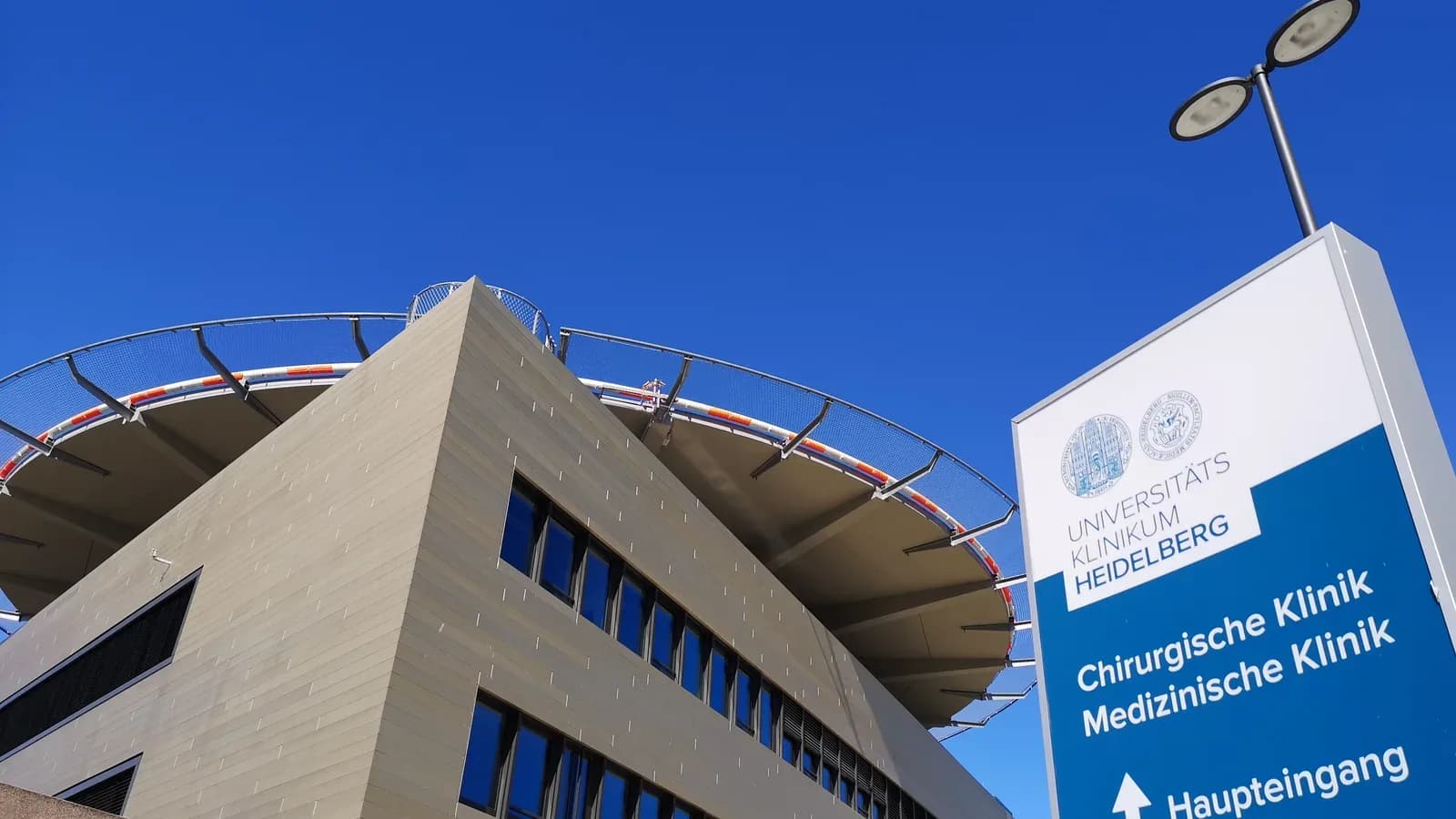
CAR T-Cell Therapy in Heidelberg is available at 1 hospital in the Voumed network.

CAR T-cell therapy is an advanced form of immunotherapy that turns a patient's own immune cells into a living treatment for blood cancers. A type of white blood cell called the T-cell is collected from the patient, sent to a specialist laboratory and genetically reprogrammed to recognise and attack the cancer, then grown in large numbers and given back as a single infusion. Because the treatment uses the body's own cells that have been taught to seek out the disease, it can work against leukaemia, lymphoma and myeloma that have come back or no longer respond to standard drugs. It is a complex, highly specialised treatment delivered only in experienced centres, which is why many people travel abroad to reach a unit with the laboratory links, the trained team and the intensive support that CAR T-cell therapy requires. The path involves several steps over a number of weeks, so understanding the timeline, the in-hospital monitoring and how follow-up continues at home is as important as the science itself.

On this page

At a glance

Setting
specialist inpatient cell therapy unit, with close monitoring after the infusion
Treatment steps
cell collection, laboratory engineering of the cells, a short course of preparatory chemotherapy, then a single infusion
Time from collection to infusion
usually a few weeks while the cells are engineered
Hospital stay
commonly around two to several weeks around the infusion, depending on the response
Main early risk
cytokine release syndrome and temporary nerve effects, both watched for and treated promptly
Time before flying home
typically several weeks after the infusion, once the team confirms it is safe
Follow-up
regular blood tests and reviews, which can largely continue with a haematologist near home

What it is

CAR T-cell therapy, short for chimeric antigen receptor T-cell therapy, is a treatment that re-engineers the patient's own T-cells so they can recognise a specific marker on the surface of cancer cells. T-cells are part of the immune system and normally hunt down threats, but cancer cells often hide from them. In this treatment, T-cells are collected and, in the laboratory, a new receptor is added to their surface that acts like a homing device for the cancer. The modified cells are multiplied into many millions and returned to the body, where they continue to divide, patrol the bloodstream and destroy cancer cells carrying that marker. Unlike a drug that is cleared from the body, these living cells can persist and keep working for a long time, which is what gives the approach its lasting effect. It is used mainly for certain blood cancers and is given as a one-time infusion rather than a repeated course.

When it is recommended

CAR T-cell therapy is generally considered for blood cancers that have returned after earlier treatment or that have not responded to standard therapy, rather than as a first treatment. The cancers most often treated this way include certain types of acute lymphoblastic leukaemia, several forms of large B-cell and other lymphomas, and multiple myeloma. It is typically discussed once other proven options, such as chemotherapy or a stem cell transplant, have been tried or carefully weighed, and the decision is always made by a specialist team that reviews the exact diagnosis, previous treatments and the patient's general health. Because the treatment is demanding, candidates need enough organ function and fitness to come through the process safely. For each person, the team confirms that the cancer carries the marker the engineered cells are designed to find, since this is what makes the therapy work.

How it is performed

The process unfolds in clear stages. First, T-cells are collected from the blood through a procedure called apheresis, in which blood passes through a machine that separates out the white cells and returns the rest to the body; this takes a few hours and does not require surgery. The collected cells are sent to a specialist laboratory, where the new receptor is added and the cells are grown into very large numbers, a step that usually takes a few weeks. While the cells are being made, the patient may continue other treatment to keep the cancer in check. Shortly before the cells are returned, a short course of preparatory chemotherapy is given over a few days to make room in the immune system so the new cells can expand. The engineered cells are then given back through a single infusion into a vein, much like a blood transfusion. After the infusion the patient stays under close observation, because the cells become most active in the following days and any reaction needs to be managed quickly.

Candidacy and preparation

A suitable candidate has a blood cancer of a type known to respond, has usually been through earlier treatment, and is well enough in terms of heart, lung, kidney and liver function to tolerate an intensive therapy. Preparation begins with confirming the diagnosis and checking that the cancer carries the target marker, along with scans and blood tests to map the extent of disease and a thorough assessment of fitness. Because there is a gap of several weeks between collecting the cells and giving them back, the plan includes how the cancer will be controlled in the meantime. Patients are counselled in detail about the steps, the expected hospital stay and the early risks, and a carer is usually asked to be available during the most intensive period. For international patients, much of the initial review of pathology, scans and treatment history can be done remotely, so that eligibility is largely established before travel and the in-person assessment confirms the plan and sets the schedule.

Recovery and planning your treatment abroad

Recovery from CAR T-cell therapy is different from recovery after surgery, because the most important phase is the close monitoring in the days and weeks after the infusion. Many patients remain in or very near the hospital for a period that commonly runs from about two weeks to several weeks, so that any early reaction can be treated at once and blood counts can recover. During this time fatigue is common, and the team checks regularly for the specific effects this treatment can cause. Because the engineered cells stay active and the immune system needs time to rebuild, the plan also covers the weeks that follow, when infection precautions and frequent blood tests remain important. For treatment abroad, it is wise to plan for an extended stay in the destination city and to expect that flying home is only advised once the team confirms recovery is on track. After that, follow-up settles into regular blood tests and reviews that can largely be carried out by a haematologist near home, with the treating centre reachable for advice and the shared written plan guiding ongoing care.

Risks, safety and results

CAR T-cell therapy can produce powerful and lasting responses in cancers that were previously very hard to treat, but it is an intensive treatment with specific risks that are the reason it is delivered only in experienced units. The best-known early effect is cytokine release syndrome, a reaction to the rapid activity of the new cells that can cause fever, low blood pressure and flu-like symptoms; it is closely watched for and treated effectively with specific medicines. Some patients also experience temporary effects on the nervous system, such as confusion or difficulty with speech, which usually resolve with treatment and monitoring. Because the immune system is suppressed for a time, there is a raised risk of infection, and blood counts can fall, so careful monitoring, preventive measures and prompt treatment are central to safety. Longer term, the team keeps watch on immune recovery. Choosing a unit with the right expertise, completing the monitoring period and keeping the home and treating teams in close contact are the keys to a safe course and to giving the treatment the best chance of a durable result.

Frequently asked questions

These answers are general guidance and may vary by provider. Confirm the details with the hospital you choose.

How long does the whole CAR T-cell process take from start to finish?

It is best thought of in stages. After the cells are collected, the laboratory needs a few weeks to engineer and grow them. A short course of preparatory chemotherapy is then given over a few days, followed by the single infusion, after which a monitoring period of about two weeks to several weeks in or near the hospital is usual. From the first appointment to being cleared to travel home, it is sensible to plan for a stay of several weeks.

Is CAR T-cell therapy a single treatment or a repeated course?

For most people it is given as a one-time infusion rather than a repeated course like ordinary chemotherapy. The reason is that the engineered cells continue to multiply and stay active inside the body for a long time, so a single dose can keep working. The intensive part is the preparation and the monitoring around that one infusion.

When can I fly home after the treatment?

Flying home is usually advised only after the monitoring period, once your team confirms that any early reactions have settled, your blood counts are recovering and your infection risk is acceptable. In practice this is commonly several weeks after the infusion. Because the timing depends on how you respond, plan for an extended stay and treat the return date as flexible.

What is cytokine release syndrome and should I be worried about it?

It is the most common early reaction and happens because the new cells become very active against the cancer, which can cause fever, a drop in blood pressure and flu-like symptoms. It is expected, it is closely monitored in a specialist unit, and there are effective medicines to control it. Being treated in an experienced centre is exactly what makes this risk manageable.

Will the engineered cells use my own immune cells or a donor's?

In the standard approach the cells are your own. They are collected from your blood, reprogrammed in the laboratory and then returned to you, which avoids the rejection issues seen with donor cells. This is one of the features that distinguishes the treatment from a stem cell transplant that uses donor cells.

How does follow-up work once I am back home?

Before you travel home you receive a full written summary of the treatment and a follow-up schedule. Ongoing care is mainly regular blood tests and reviews, together with infection precautions while the immune system rebuilds, and a haematologist near your home can carry out most of this. The treating centre stays reachable for advice, and interpreter support is available so that language is never a barrier.

Can CAR T-cell therapy be combined with other cancer treatments?

It is usually used as a distinct step for cancers that have come back or stopped responding, but it sits within a wider plan. Other treatment may be used beforehand to keep the cancer controlled while the cells are being made, and the team decides what, if anything, follows based on how the disease responds. The whole sequence is coordinated by the specialist team so each part supports the others.

Not sure which hospital fits your case?

Upload your medical records and let AI match you to the right hospital.

Upload records and get matched

Available at these hospitals

Specialties

Not sure which hospital fits your case?

Upload your medical records and let AI match you to the right hospital.

Upload records and get matched