

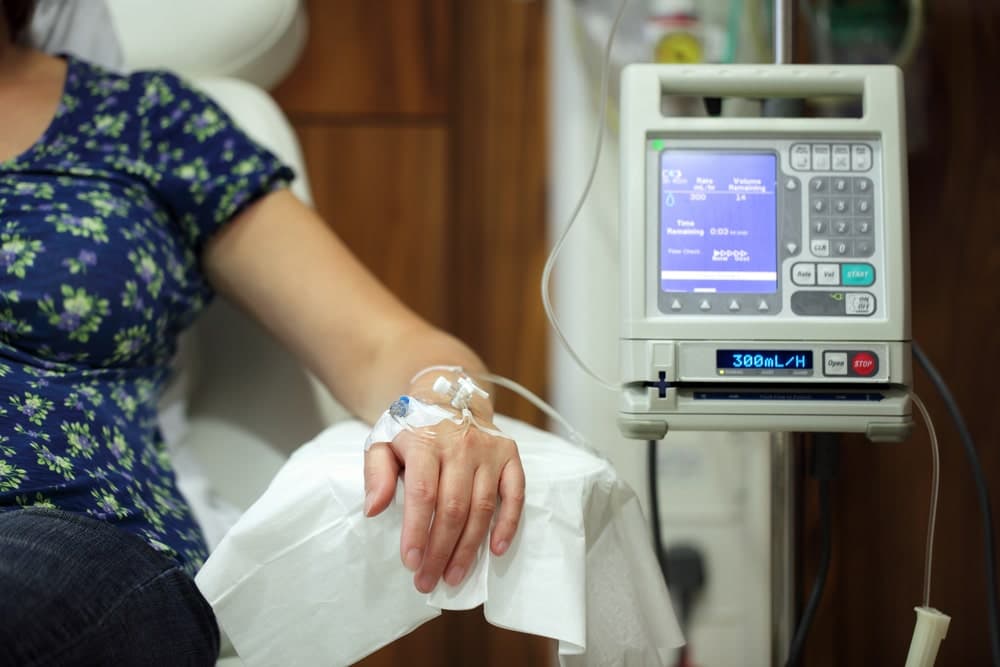
Oncology

Oncology is available at 32 hospitals across 13 cities in the Voumed network.
32 hospitals provide care in this specialty across 7 countries through the Voumed network; 22 of them hold JCI accreditation.
Oncology is the branch of medicine that diagnoses, treats and follows cancer, the group of diseases in which abnormal cells grow and can spread through the body. Modern cancer care is a team effort: medical oncology uses drug treatments such as chemotherapy, targeted therapy and immunotherapy, radiation oncology treats with precisely focused radiation, and surgical oncology removes tumours, while pathology, radiology, nuclear medicine and supportive care knit the plan together. Because no single specialist sees the whole picture alone, the most important decisions are usually made by a multidisciplinary tumour board that agrees one personalised plan. Patients often travel abroad for cancer care to reach experienced cancer teams, advanced radiotherapy and imaging, and timely access to treatment, all coordinated under one roof.
Key takeaways
- The choice of treatment belongs to a tumour board rather than to one doctor, so surgery, drug therapy and radiation are sequenced into a single agreed plan.
- Two answers shape everything that follows: what the tumour is under the microscope, and how far it has travelled on imaging.
- Molecular and genetic testing of tumour tissue can point to drugs matched to that biology, which is why two people with the same organ affected may receive different therapy.
- Drug infusions and radiation sessions need no anaesthesia and are usually outpatient, while anaesthesia belongs to cancer operations and to some biopsies and ablation.
- Asking for a second opinion is a routine step and not a challenge to the team, and many international patients travel for exactly that review of pathology and scans.
On this page
At a glance
- Sub-specialties
- medical oncology, radiation oncology, surgical oncology, haemato-oncology, nuclear medicine, interventional oncology
- Common treatments
- chemotherapy, targeted therapy and immunotherapy, radiotherapy, cancer surgery, ablation and artery directed therapies, bone marrow transplant
- Common reasons to travel
- experienced multidisciplinary cancer teams, advanced radiotherapy and PET imaging, timely access and second opinions
- Typical hospital stay
- many treatments are outpatient or a day case, with longer admission for major surgery or transplant
- Anaesthesia
- none for most drug and radiation treatment, local for some procedures, general for cancer surgery
- Typical first step
- review of pathology and scans, accurate staging, and a plan agreed by the tumour board
Overview
Cancer care follows a clear sequence that is shaped to the individual diagnosis. It begins with a precise diagnosis from a biopsy and pathology, then accurate staging with imaging to learn the type of cancer and whether it has spread, because the right treatment depends entirely on getting these two answers right. From there a tumour board, made up of the relevant specialists, agrees a plan that may combine surgery, drug therapy and radiation in a particular order. Treatment is increasingly personalised: molecular and genetic testing of the tumour can reveal targets that match specific drugs, so therapy is chosen for the biology of that cancer rather than a single standard regimen. Throughout, supportive care manages symptoms and side effects and protects quality of life, and survivorship follow up watches for recurrence and helps recovery. The aim is always the best possible outcome with the least possible burden.
Conditions and sub-specialties
Oncology covers cancers arising anywhere in the body, and most centres organise care around tumour type. Common solid tumours include breast, lung, colorectal, prostate, stomach and gynaecological cancers, while haemato-oncology treats cancers of the blood and lymphatic system such as lymphoma, leukaemia and myeloma, often with bone marrow transplant as an option. Medical oncology leads systemic drug treatment, radiation oncology delivers radiotherapy, and surgical oncology performs cancer operations, frequently with organ preserving and minimally invasive techniques. Nuclear medicine contributes both imaging and certain targeted treatments, and interventional oncology offers image guided therapies through a needle. Children's cancers are managed by dedicated paediatric oncology teams. Bringing these disciplines together means a patient with a complex cancer is assessed from every relevant angle in one coordinated programme.
Common treatments and procedures
The main treatments are used alone or in combination according to the plan. Medical oncology delivers chemotherapy and, increasingly, targeted, so called smart, drugs and immunotherapy that harnesses the immune system, options chosen in line with international guidelines and the patient's situation. Radiation oncology uses advanced systems to focus radiation precisely on the tumour while sparing healthy tissue, allowing comfortable treatment with fewer side effects. Surgical oncology removes tumours and affected tissue, often with laparoscopic, robotic and organ preserving approaches. Interventional radiology can destroy tumours through a small needle puncture using ablation, and can deliver artery directed therapies that concentrate treatment in the tumour. For blood cancers, bone marrow transplant can be part of curative treatment. Supportive treatments, from anti sickness medication to pain control and nutrition, run alongside to keep the patient as well as possible.
Diagnostics and technology
Accurate diagnosis and staging guide every decision, and imaging is central to both. PET-CT combines a metabolic scan with a CT to locate the cancer focus and reveal whether disease has spread to distant organs, detecting small lesions with high resolution. CT and MRI map the tumour's size and relationship to nearby structures, and ultrasound and endoscopy help reach and sample lesions. The definitive answer comes from pathology, where a biopsy is examined under the microscope and tested for molecular and genetic markers that can match a patient to targeted or immune therapy. Blood tests and tumour markers help monitor response over time. Together these tools confirm the type and stage of the cancer, so the team can choose treatment with precision and track how well it is working.
What to expect as an international patient
For people who travel, the journey usually begins with a remote review of existing pathology, scans and reports, so a provisional plan can be discussed before arrival. On arrival, the diagnosis and staging are confirmed, sometimes with a repeat biopsy or fresh imaging, and the tumour board agrees the definitive plan. The length of stay depends on the treatment: some patients come for a defined course of radiotherapy or a cycle of drug treatment, others for surgery followed by recovery, and follow up cycles may be arranged so that part of the care can continue at home. Most patients plan for a stay that matches their specific treatment phase, and the team explains this clearly in advance. Interpreter and international patient support helps with appointments, consent and instructions, and a written plan and remote follow up keep care connected once you return home.
Frequently asked questions
These answers are general guidance and may vary by provider. Confirm the details with the hospital you choose.
How is a cancer treatment plan decided?
The plan is agreed by a multidisciplinary tumour board, where medical, radiation and surgical oncologists, together with radiologists, pathologists and other specialists, review your diagnosis and staging and agree one personalised approach. This shared decision means the recommendation reflects the full picture of your cancer rather than the view of a single doctor, and it can combine surgery, drug therapy and radiation in the order best for you.
Should I get a second opinion before treatment?
A second opinion is a normal and reasonable step, especially for a complex or unusual cancer or when treatment options differ. Reviewing your pathology and scans afresh can confirm the diagnosis and staging and check that the proposed plan is the best one. Many international patients travel specifically for a second opinion, and a good team welcomes it as part of careful, evidence based care.
Will I need chemotherapy, radiotherapy or surgery?
It depends on the type and stage of your cancer. Some cancers are treated mainly with surgery, others mainly with drug therapy or radiation, and many with a planned combination. After staging, the tumour board explains which treatments are recommended, in what order and why, so you understand the plan and what each step is intended to achieve.
How long will I need to stay abroad?
This varies with the treatment. A course of radiotherapy or a cycle of drug treatment runs over a defined number of days or weeks, while surgery means an admission plus a recovery period before travel. The team gives you a clear schedule in advance, and where possible follow up cycles can be arranged so that part of your treatment continues closer to home.
Are chemotherapy and radiotherapy done under anaesthesia?
No. Chemotherapy is usually given as an infusion or tablets without anaesthesia, often as an outpatient, and radiotherapy is painless and needs no anaesthesia, with each session lasting only minutes. Anaesthesia is used for cancer surgery and for some procedures such as certain biopsies or ablation, and the team explains beforehand what each treatment involves.
Is it safe to travel for cancer treatment, and can I fly during it?
Travelling for cancer care can be safe when it is coordinated by an experienced team in an accredited centre and your fitness to travel is assessed. Whether you can fly between treatments depends on your blood counts, recent surgery and overall condition, so the team advises on timing. Sharing your full history in advance and following the plan closely are the keys to safe, connected care.
How does follow up work once I am home?
Cancer follow up continues for years, so the team gives you a written plan covering medication, warning signs and the schedule of scans and blood tests. Much of this monitoring can be done by an oncologist near your home and shared with the team, who remain reachable to review results, adjust treatment and answer questions, keeping your care joined up across borders.
What is oncology?
Oncology is the medical field devoted to diagnosing, treating and following up cancer, the diseases in which abnormal cells multiply and can spread. It is not one discipline but several working together: drug treatment comes from medical oncology, focused radiation from radiation oncology and tumour removal from surgical oncology, with pathology, radiology, supportive care and nuclear medicine tying the plan together. Because no individual specialist sees every angle, the decisive choices are made by a multidisciplinary tumour board that settles on one personalised plan.
Not sure which hospital fits your case?
Upload your medical records and let AI match you to the right hospital.
Upload records and get matchedAvailable in these cities
Not sure which hospital fits your case?
Upload your medical records and let AI match you to the right hospital.
Upload records and get matched