Fotona StarWalker MaQX
Istanbul
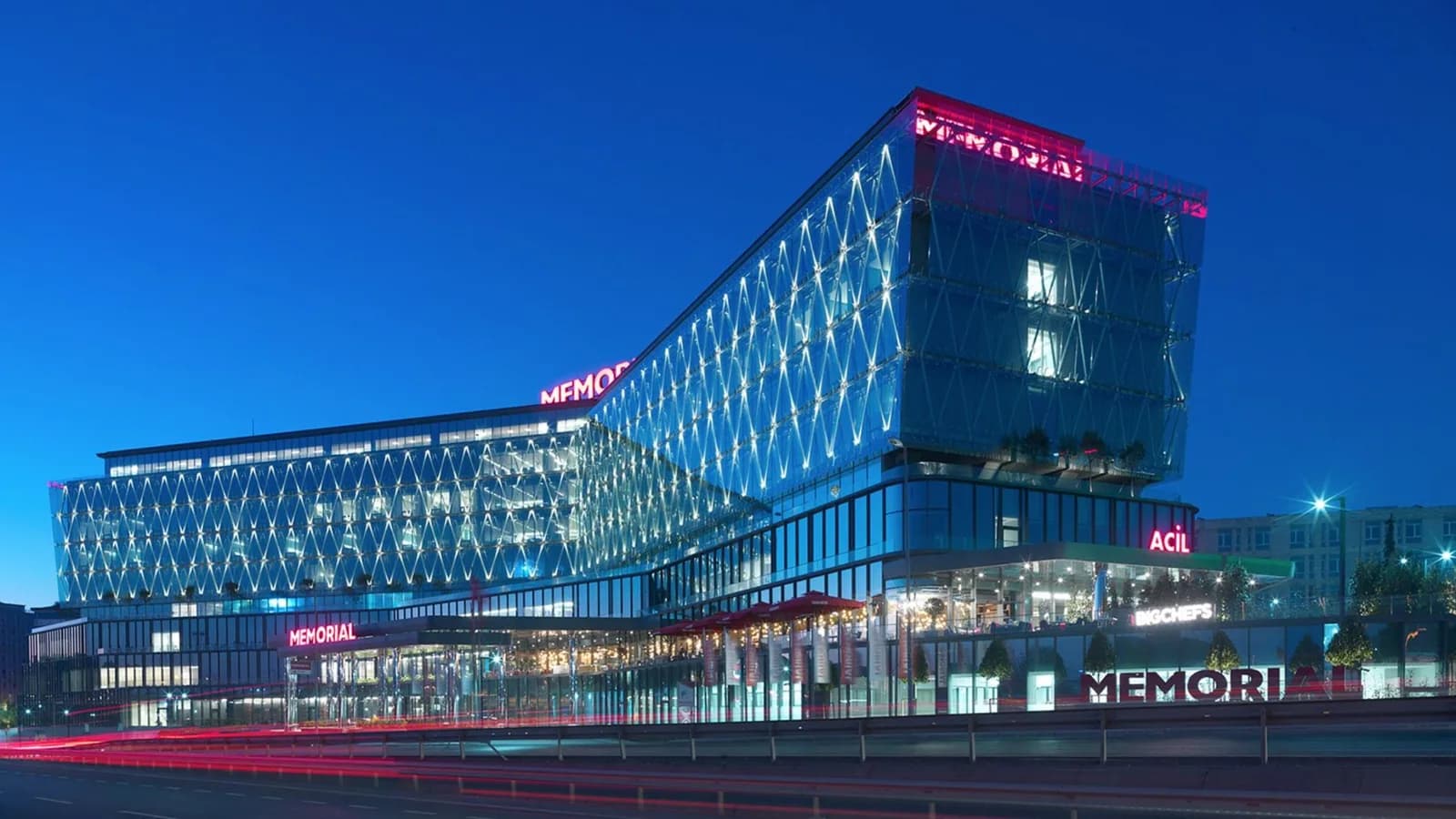
Fotona StarWalker MaQX in Istanbul is available at 1 hospital in the Voumed network.
Fotona StarWalker MaQX is an advanced aesthetic laser system designed to treat pigment and tattoos with very high precision. It works with Q-switched Nd:YAG and KTP lasers and can fire extremely short bursts of light, including picosecond and high-energy nanosecond pulses across several wavelengths. Because the energy is delivered in such brief, powerful flashes, the laser shatters pigment particles while sparing the surrounding skin, which means effective treatment with short recovery and minimal heat damage.
On this page
At a glance
- Type
- Q-switched, multi-wavelength picosecond and nanosecond aesthetic laser
- Used for
- tattoo removal, pigmentation (sun spots, melasma), vascular marks, acne and scars, skin rejuvenation, hair reduction
- Key benefit
- precise pigment clearance with minimal heat damage and short recovery
- Session
- short outpatient sessions, no general anaesthesia
- Where it is used
- dermatology and aesthetic clinics in leading accredited centres abroad
What it is
Fotona StarWalker MaQX is a high-performance laser platform built for the demanding work of clearing pigment and ink from the skin. It combines two Q-switched laser sources and several wavelengths so the same device can target different colours of pigment and tattoo ink at different depths. Its defining feature is the ability to release light in ultra-short pulses, measured in picoseconds and nanoseconds. The shorter and stronger the pulse, the more it relies on a fast mechanical, rather than purely heat-based, effect to break pigment into tiny fragments. This allows strong results on stubborn marks while keeping unwanted warming of the surrounding tissue low.
How it works
During a session the clinician selects the wavelength and pulse setting that matches the target, then moves a handpiece over the area in quick flashes of light. The light is absorbed by the pigment or tattoo ink, which heats and breaks apart in an instant into microscopic particles. The body's own immune system then gradually clears these particles away over the following weeks. Because the pulses are so brief, most of the energy goes into shattering the pigment rather than heating the skin, so the surrounding tissue is largely protected. The treatment uses no needles and no incisions, and a cooling step or numbing cream can be added for comfort.
What it is used for and who it helps
StarWalker MaQX is used mainly for tattoo removal and for pigmentation concerns such as sun spots, age spots and certain cases of melasma. It also supports treatment of some vascular marks, acne and scars, gentle skin rejuvenation and hair reduction. It helps people who want to remove or fade an unwanted tattoo, even multicoloured ones, and those who want to even out pigmentation and improve skin clarity. Results depend on the type, colour, depth and age of the pigment, and on skin type, so a clinician examines the area first, explains how many sessions are realistically needed and confirms the treatment is suitable and safe for you.
Benefits and what to expect
The key benefits are precision and a gentler recovery: by shattering pigment in ultra-short pulses, the system can clear difficult marks while limiting heat to the surrounding skin, which supports a shorter healing time. Tattoo removal and stubborn pigmentation usually need a course of sessions spaced several weeks apart, because the body clears the fragmented pigment gradually between visits and fading continues over time. After a session the treated area may look pink, slightly swollen or temporarily frosted, and a small scab can form before healing. Sun protection and following the aftercare advice are important. The care team gives a personalised plan and spacing for safe, steady results.
Frequently asked questions
These answers are general guidance and may vary by provider. Confirm the details with the hospital you choose.
Is the treatment painful?
Most people tolerate it well. The flashes can feel like a quick, hot snap against the skin, and a numbing cream or cooling can be used to keep you comfortable. Sessions are usually short.
How many sessions will I need for a tattoo?
Tattoos almost always need several sessions spaced a few weeks apart, because the body clears the broken-down ink gradually. The exact number depends on the size, colours, depth and age of the tattoo, and a clinician will estimate this for you.
Will it remove all tattoo colours?
The multi-wavelength design lets it target many ink colours, and dark inks usually respond best. Some colours are more stubborn than others, so a clinician will set realistic expectations after examining the tattoo.
Is there downtime?
Downtime is usually short. The area may be pink, swollen or scabbed for a few days as it heals. You can generally continue daily life with simple aftercare and sun protection.
Is it safe for pigmentation like melasma?
It can be used for certain pigmentation problems, but melasma in particular needs careful, conservative settings and expert assessment, because aggressive treatment can worsen it. A clinician decides if and how it should be treated.
When will I see results?
Pigment and tattoos fade gradually between and after sessions as the body clears the fragments, so improvement builds over the course of treatment rather than appearing all at once.
Not sure which hospital fits your case?
Upload your medical records and let AI match you to the right hospital.
Upload records and get matchedAvailable at these hospitals

Specialties
Not sure which hospital fits your case?
Upload your medical records and let AI match you to the right hospital.
Upload records and get matched