

Dermatology
Istanbul

Dermatology care in Istanbul is available at 14 hospitals in the Voumed network.
Dermatology diagnoses and treats conditions of the skin, hair, nails and visible mucous membranes, from common complaints such as acne, eczema and psoriasis to the early detection of skin cancer. Because the skin is the body's largest and most visible organ, many problems can be recognised early and treated before they progress, which is one reason a clear skin diagnosis is so reassuring. Patients often travel for dermatological care to combine expert assessment, modern diagnostic tools such as dermoscopy and a single coordinated plan that covers medical, surgical and cosmetic skin concerns together. The field spans lifelong conditions that need steady control and one-off worries such as a changing mole, and a good consultation sorts the urgent from the routine.
At a glance
- Sub-specialties
- medical dermatology, dermato-oncology, dermato-allergy, interventional and surgical dermatology, cosmetic dermatology, paediatric dermatology
- Common tests and procedures
- full skin examination, dermoscopy, skin biopsy, patch and prick allergy testing, cryotherapy, electrocautery, minor lesion and nail surgery, phototherapy
- Common reasons to travel
- experienced teams, prompt skin cancer screening, access to advanced diagnostics, a single plan for medical and cosmetic concerns
- Typical visit
- most care is outpatient, often resolved over a few visits across several days, with no overnight stay for routine work
- Anaesthesia
- usually none; a small lesion or nail procedure is done under local anaesthesia
- Typical first step
- a full skin examination with dermoscopy, and a biopsy only when a tissue sample is needed
Not sure which hospital fits your case?
Upload your medical records and let AI match you to the right hospital.
Upload records and get matchedAvailable at these hospitals
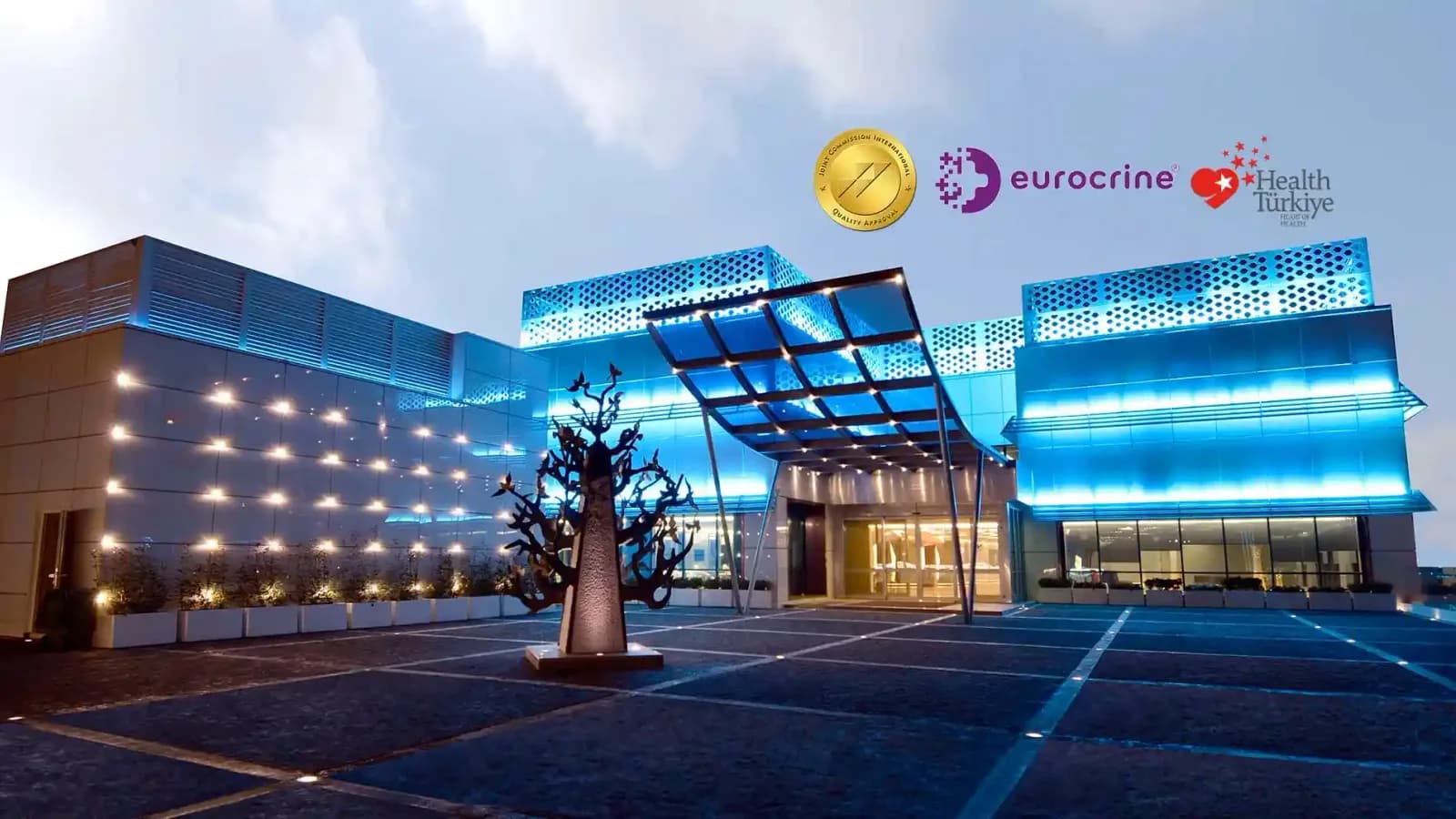

Liv Hospital Ulus
 istanbul

- Specialties
- 24
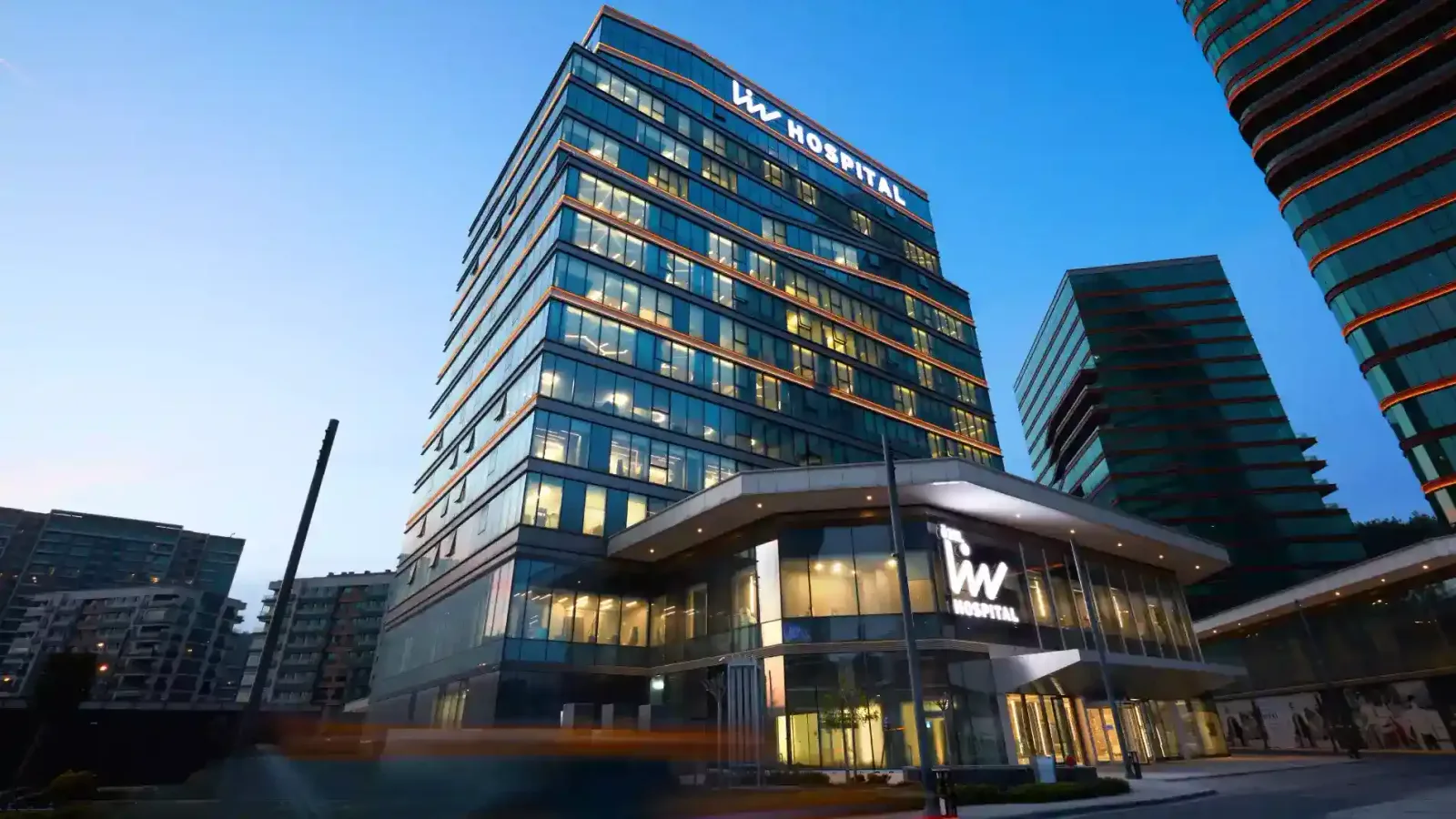
Liv Hospital Vadistanbul
istanbul
- Specialties
- 24
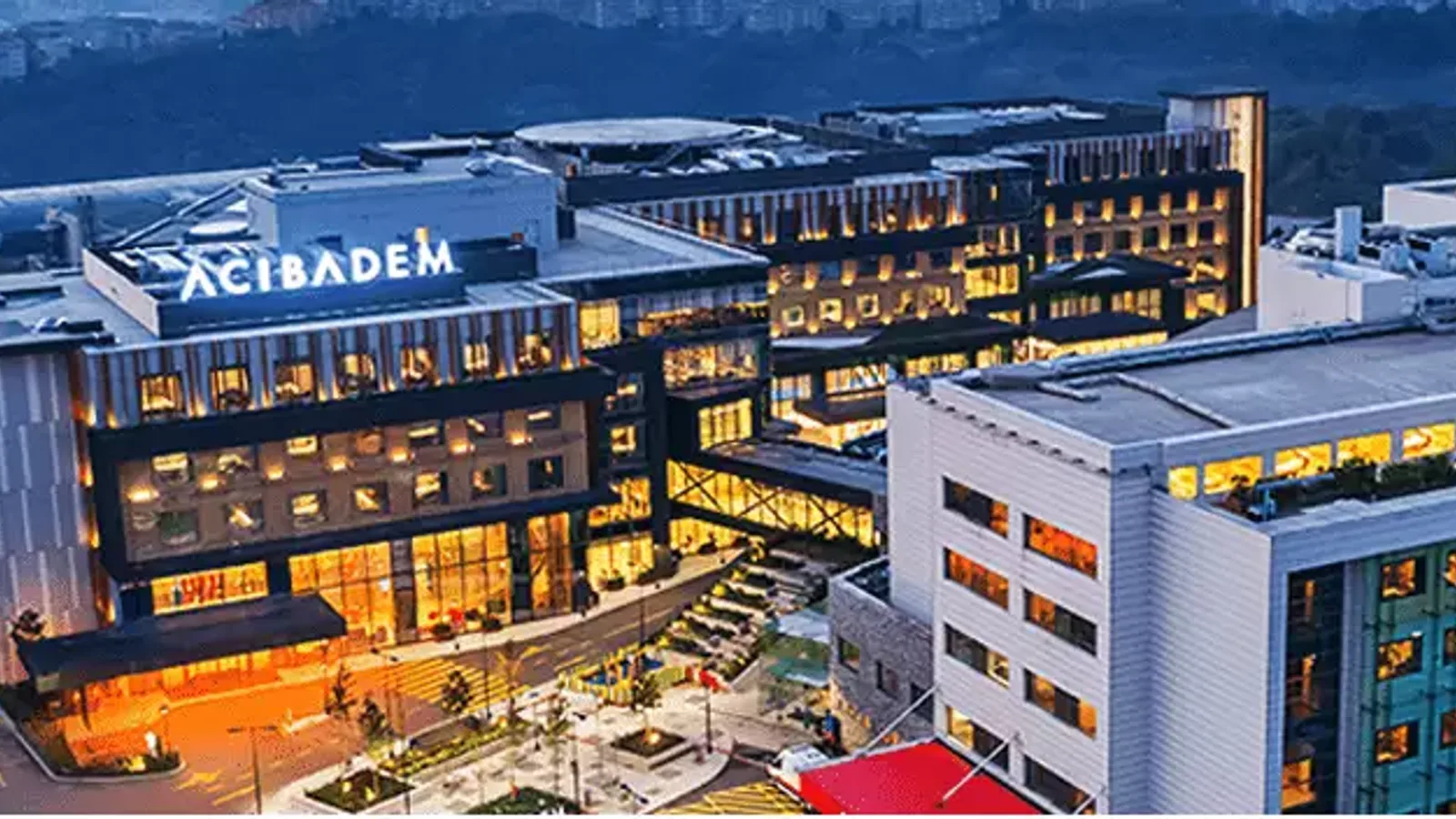

Acıbadem Maslak Hospital
istanbul
- Specialties
- 29

Liv Hospital Topkapı
istanbul
- Specialties
- 19
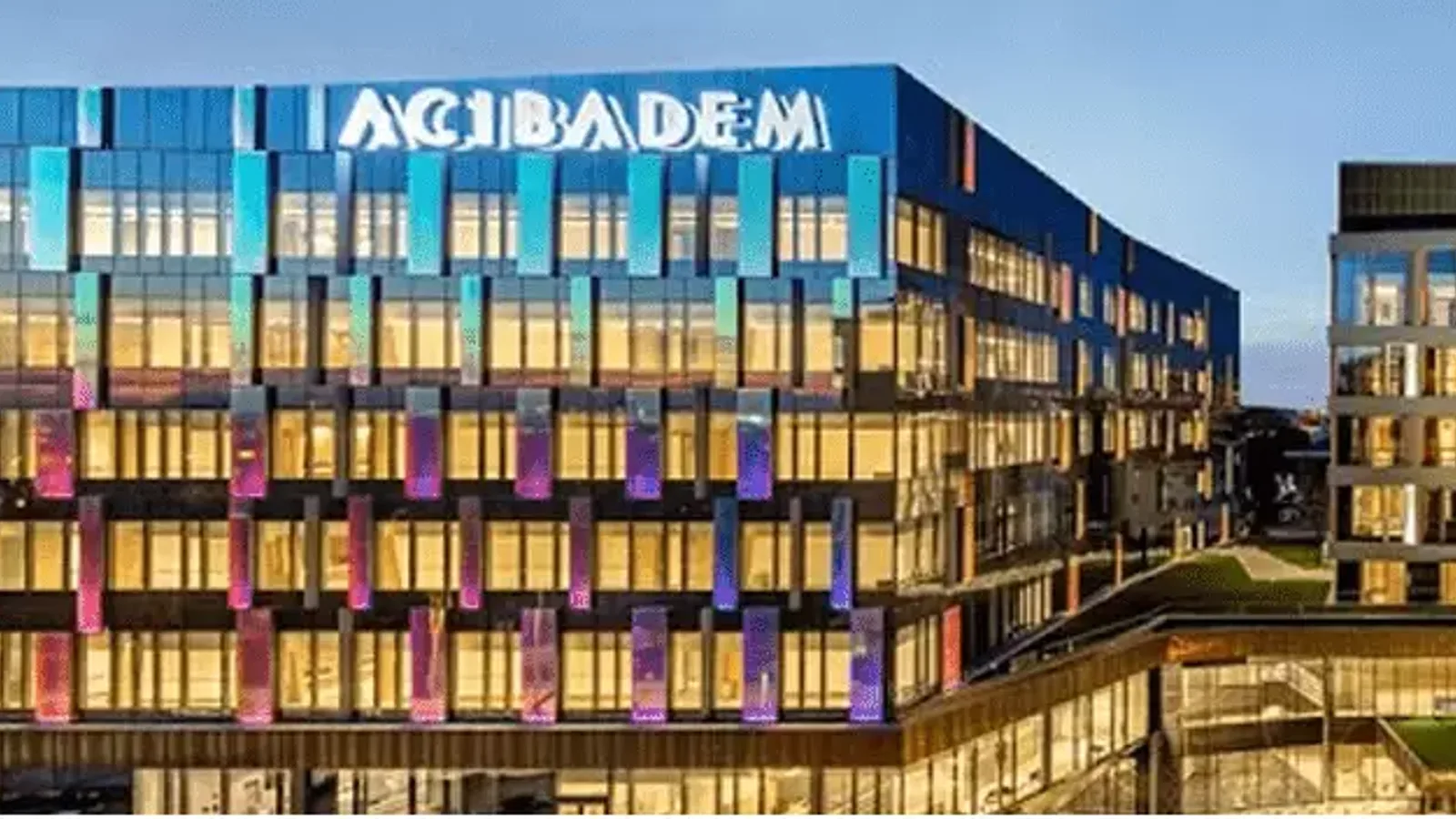
Acıbadem Altunizade Hospital
istanbul
- Specialties
- 28
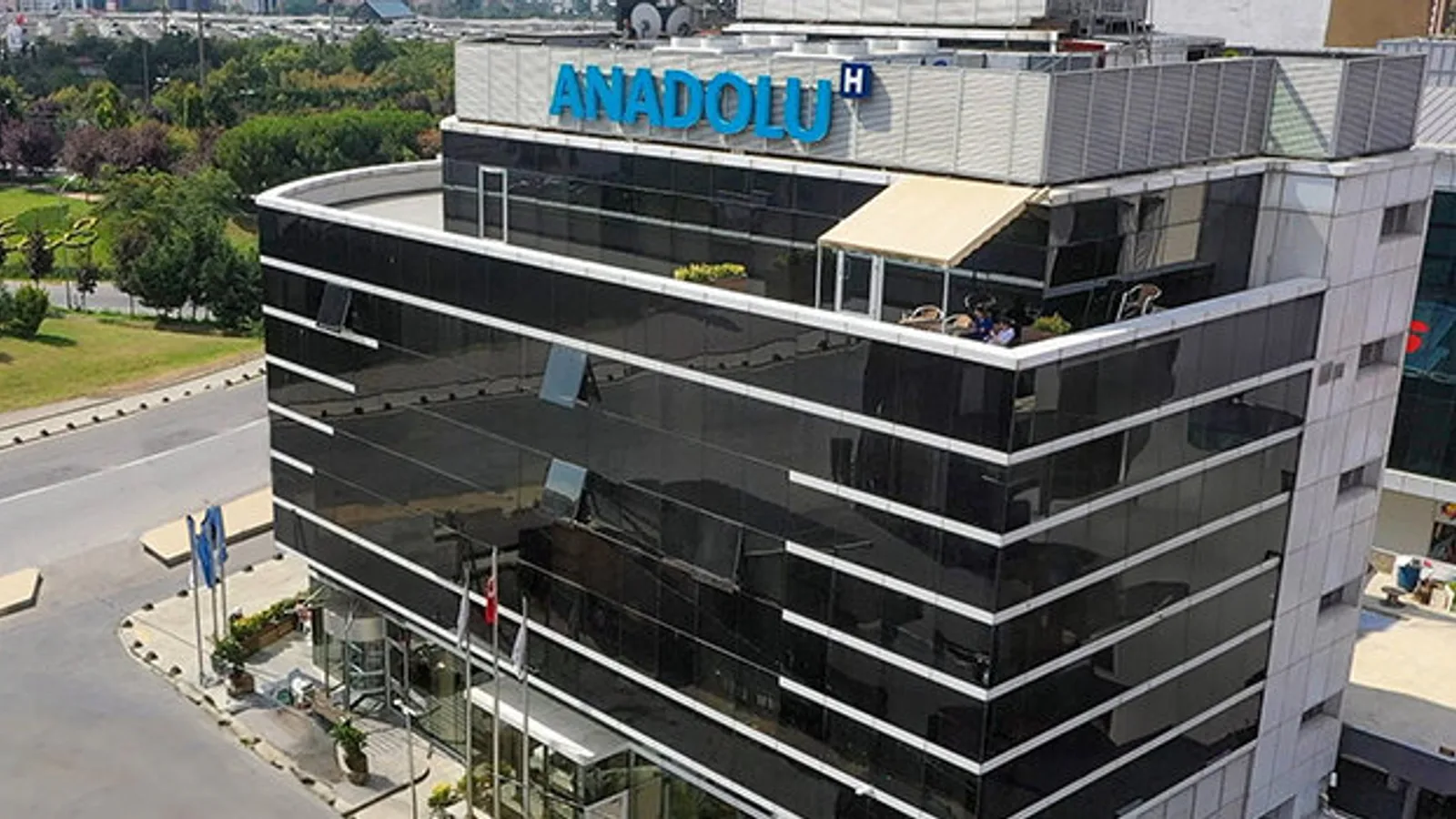

Anadolu Medical Center Ataşehir
istanbul
- Specialties
- 10
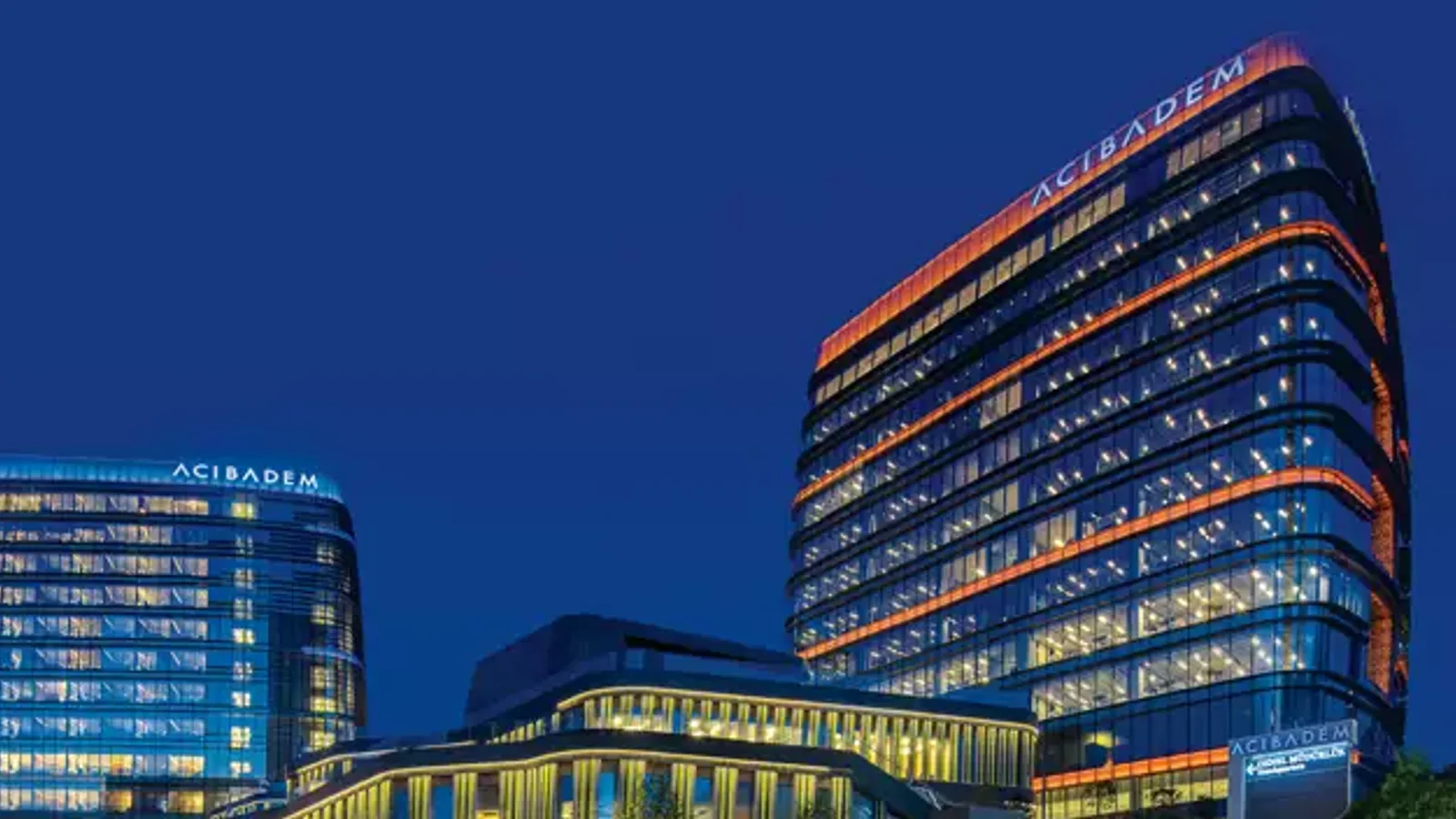
Acıbadem Ataşehir Hospital
istanbul
- Specialties
- 29
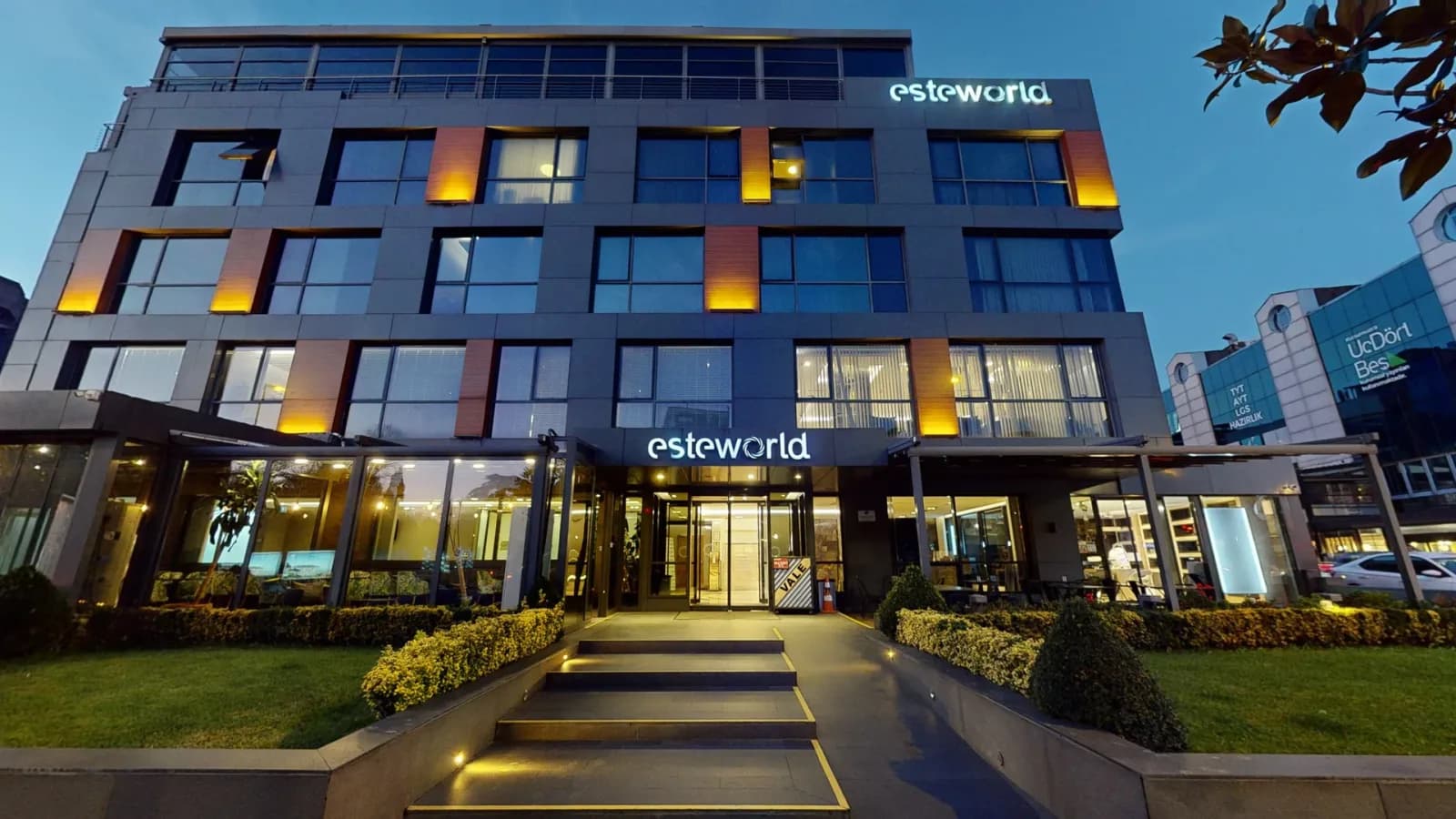

Esteworld Altunizade
istanbul
- Specialties
- 3
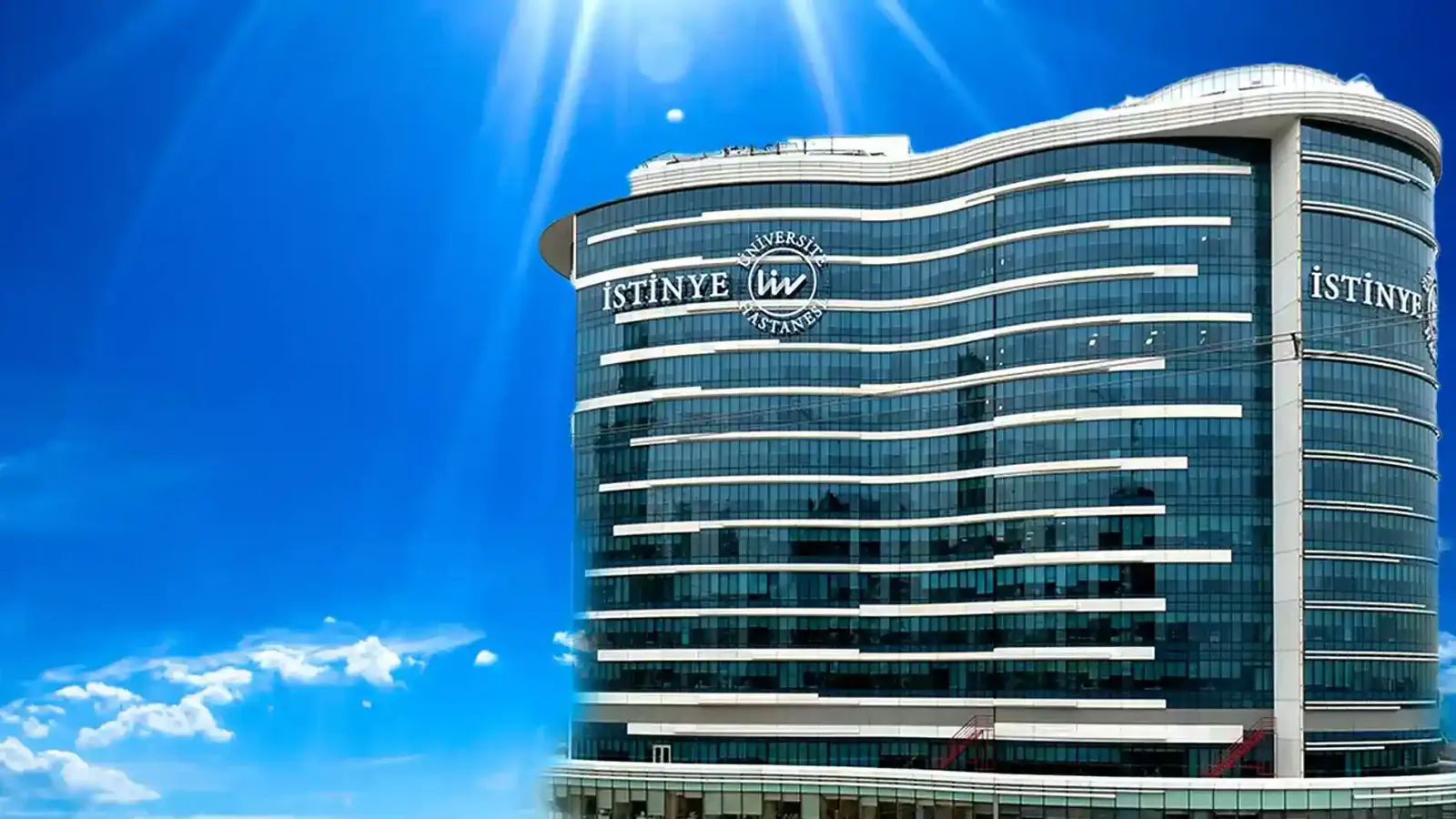
Liv Hospital Bahçeşehir
istanbul
- Specialties
- 24
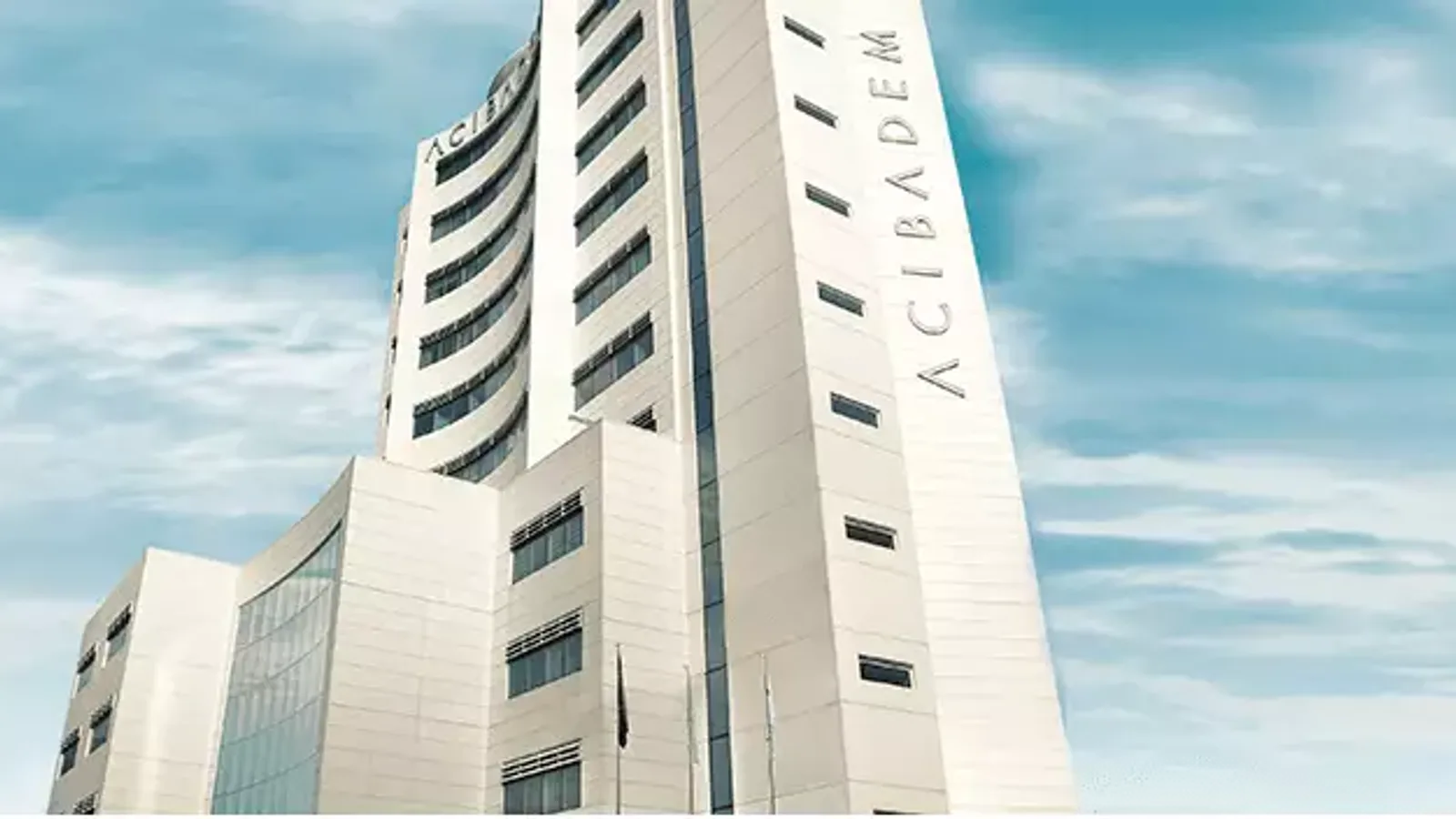
Acıbadem Fulya Hospital
istanbul
- Specialties
- 23
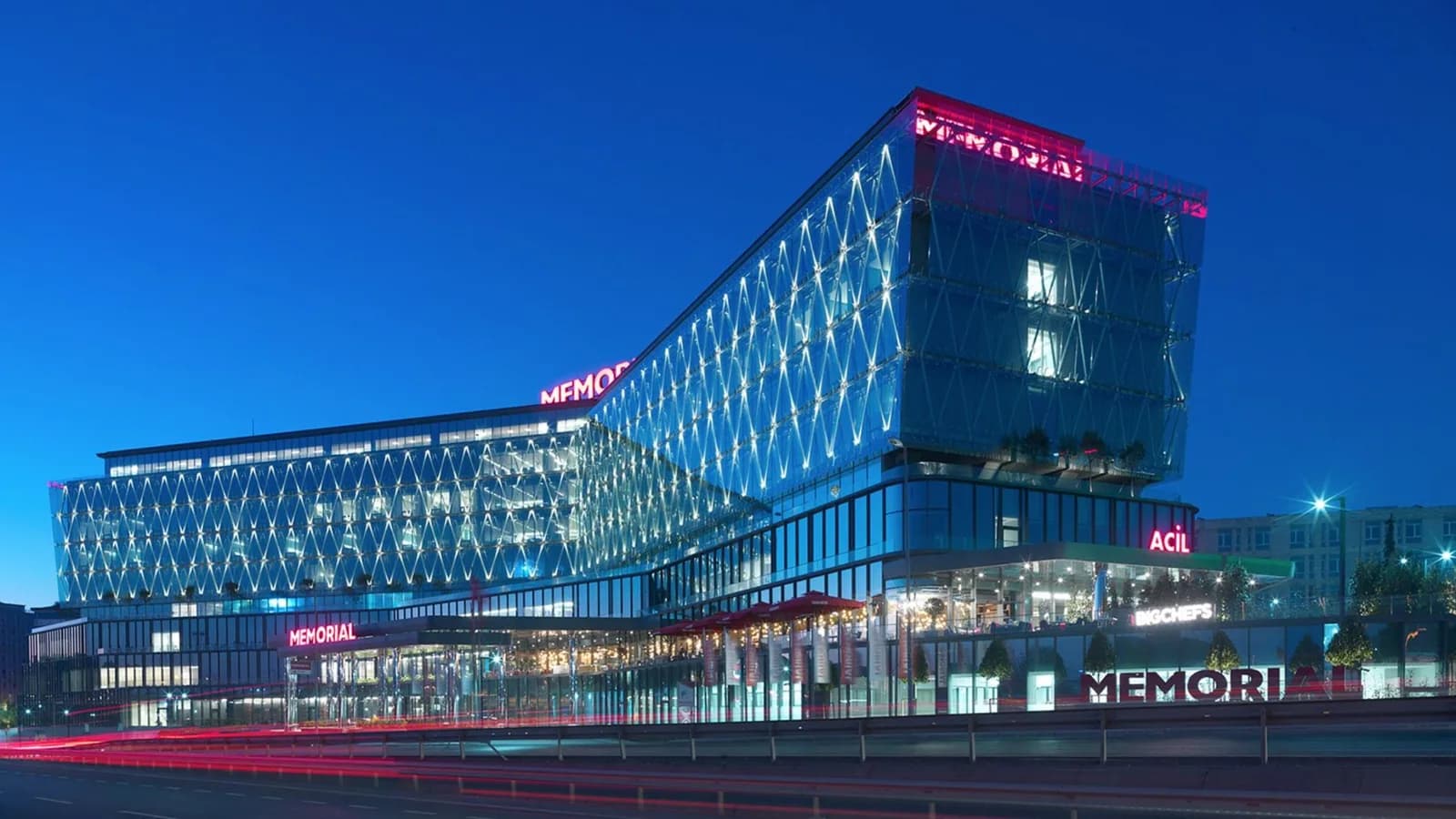

Memorial Bahçelievler Hospital
istanbul
- Specialties
- 31
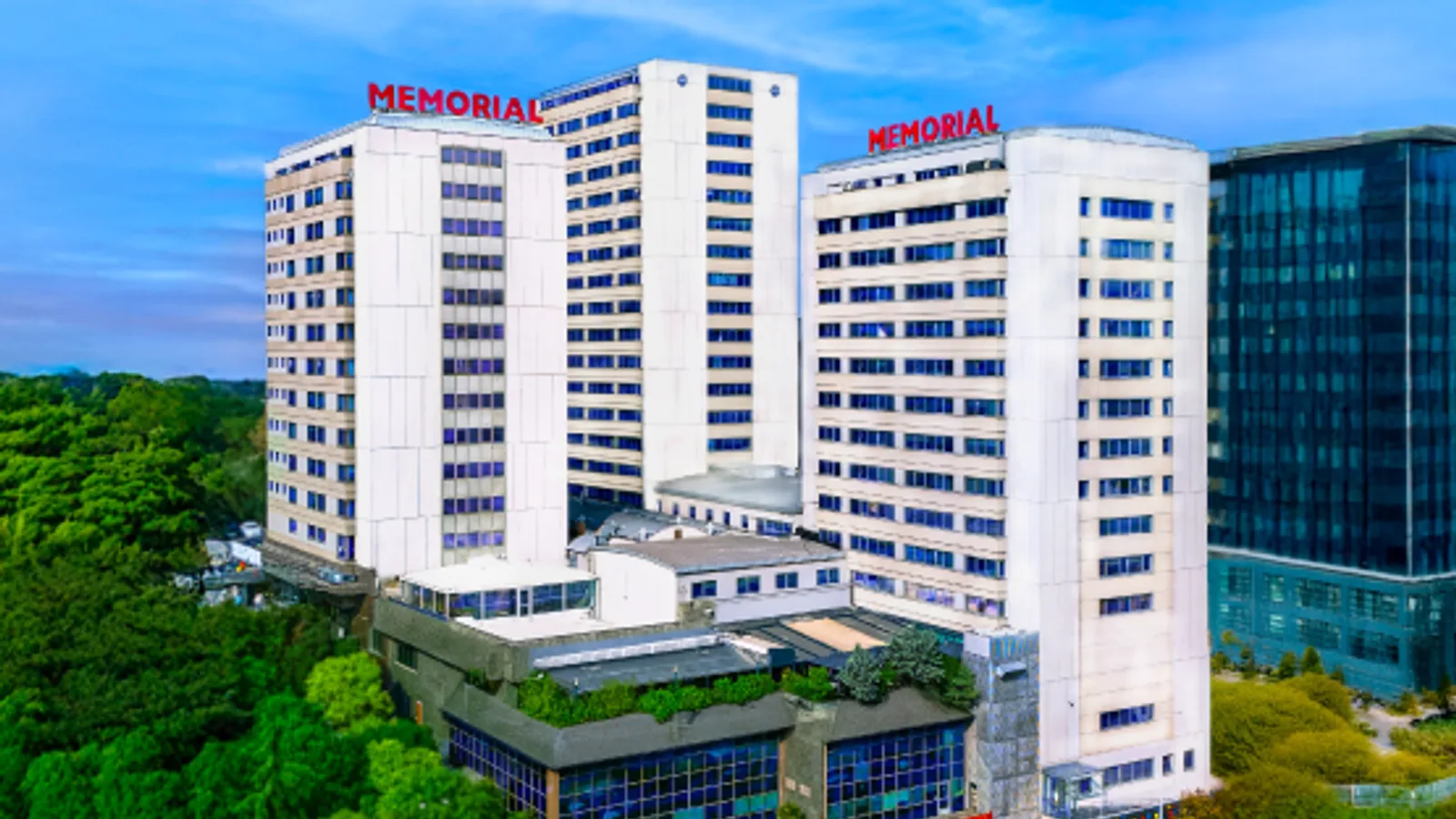
Memorial Şişli Hospital
istanbul
- Specialties
- 29
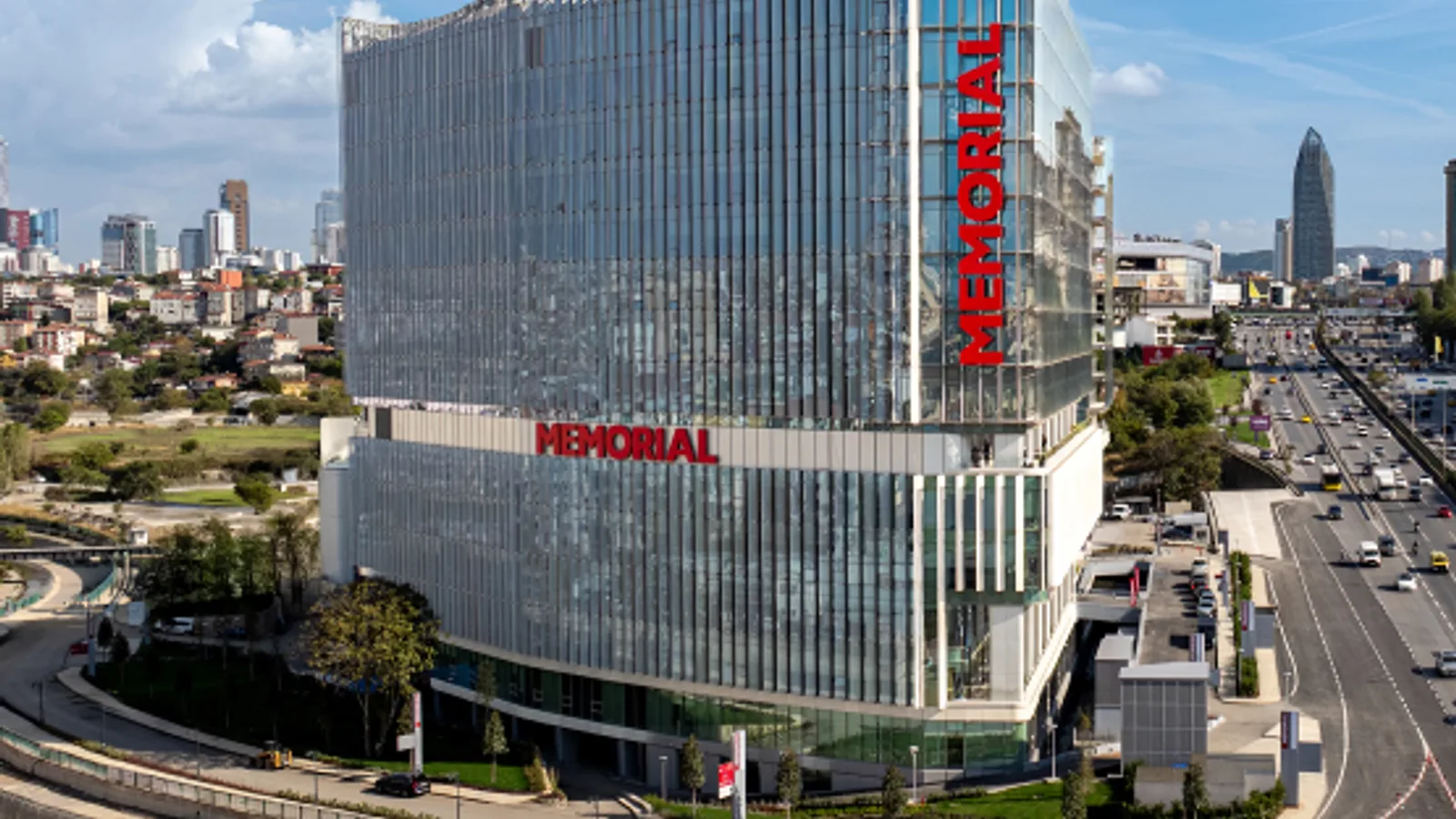
Memorial Göztepe Hospital
istanbul
- Specialties
- 25
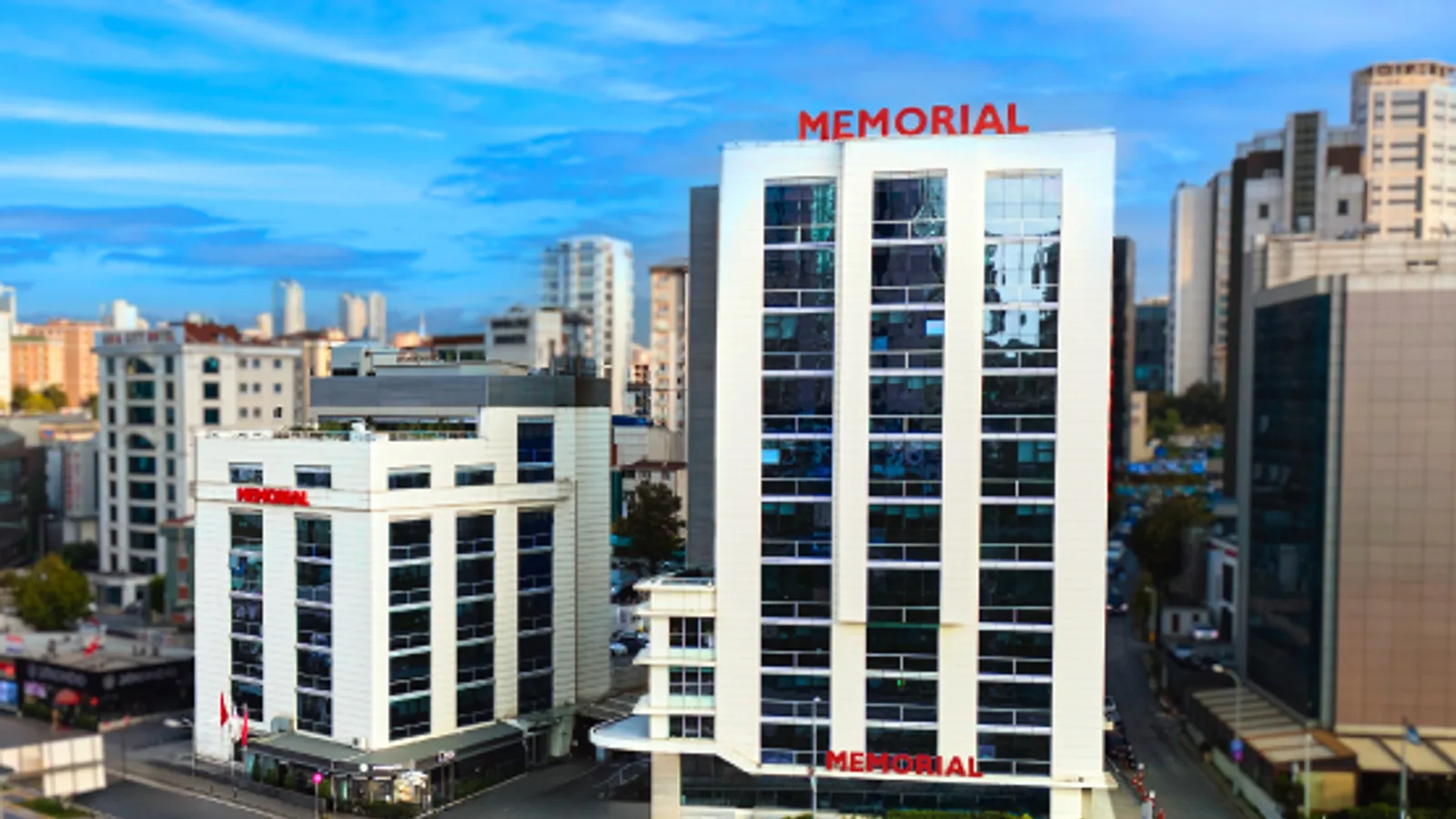
Memorial Ataşehir Hospital
istanbul
- Specialties
- 28
Technologies and equipment
CO2 Fractional Laser
The CO2 fractional laser is a carbon dioxide skin resurfacing system that delivers energy in thousands of tiny microscopic columns rather than treating the whole surface at once. This fractional pattern leaves healthy skin untouched between each treated point, which speeds healing while the controlled heat triggers collagen and elastin renewal in the deeper layers. The result is smoother texture, firmer skin and a fresher tone, with a recovery that is shorter than older fully ablative lasers. It is one of the most versatile tools in aesthetic dermatology for scars, wrinkles and sun damage.
Q-Switched Laser
The Q-switched laser is a dermatological laser that fires extremely short, very high-energy pulses of light, measured in billionths of a second, to shatter pigment in the skin. Because the burst is so brief and powerful, it breaks up dark pigment and tattoo ink into tiny fragments while leaving the surrounding skin largely unharmed. The body then carries those fragments away naturally over the following weeks. This makes the Q-switched laser the standard tool for removing unwanted pigmentation and tattoos and for refreshing uneven, sun-damaged skin, with little downtime between sessions.
AI Digital Dermatoscopy
AI digital dermatoscopy is an advanced way of examining and tracking moles and other skin lesions to support the early detection of skin cancer, especially melanoma. A special magnifying camera photographs the skin in fine detail, and computer software, including artificial intelligence, helps the dermatologist analyse each lesion and store the images so they can be compared over time. The AI acts as a second set of eyes that highlights features and changes worth a closer look, but it does not make the diagnosis. The dermatologist always interprets the images and decides on any next steps.
Observ 320 Skin Analysis
Observ 320 is a skin imaging and analysis system used in dermatology to look beneath the surface of the skin and assess its type and condition in detail. Using patented LED lighting and a set of filters, it photographs the face under different light modes to reveal features the naked eye cannot see, such as hidden pigmentation, fine lines, congested pores and the network of blood vessels just below the surface. This gives the clinician a clear, objective picture of the skin so that care can be planned precisely and progress tracked over time.
Gold Needle Fractional Radiofrequency
Gold needle fractional radiofrequency is a non-surgical skin rejuvenation treatment that combines fine micro-needles with radiofrequency heat energy. Ultra-thin needles coated with gold pass through the surface and deliver controlled warmth into the deeper layers of the skin, where collagen and elastin are made, while the outer skin is largely protected. This dual action tightens and refines the skin, softens wrinkles and improves scars, with little downtime and no incisions. It is a popular choice for people who want firmer, smoother skin without surgery.
Total Body Mole Mapping
Total body mole mapping is a digital dermoscopy method for the early detection of skin cancer, especially melanoma. Instead of examining moles only by eye, a clinician uses high-resolution cameras and magnified dermoscopic imaging to photograph and catalogue every mole and spot on the body. These images form a baseline record, and at later visits the same areas are re-imaged and compared, so even subtle new or changing lesions stand out. Catching a suspicious change early, when a mole is most treatable, is the single most valuable benefit of this painless, non-invasive check.
HydraFacial
HydraFacial is a needle-free skin rejuvenation treatment that cleanses, exfoliates, extracts and hydrates the skin in a single comfortable session. A handpiece uses a patented vortex technology to lift away dead cells and debris while at the same time bathing the skin in serums rich in hyaluronic acid, peptides and antioxidants. It suits almost every skin type, causes no real downtime and leaves the face looking brighter, smoother and more refreshed straight after the visit.
IPL (BBL) Intense Pulsed Light
IPL, or intense pulsed light, also known by the brand name BBL (BroadBand Light), is a light-based skin treatment that uses a broad spectrum of wavelengths rather than a single laser beam. Filters let the clinician select the right band of light for each concern, so one device can address brown spots, redness, broken capillaries and overall skin dullness, and even reduce unwanted hair. The light is absorbed by pigment or by the small vessels causing redness, gently breaking them down so the skin clears and looks more even. It is a versatile, comfortable treatment with little to no downtime.
Fotona SP Dynamis
Fotona SP Dynamis is a versatile aesthetic laser platform that brings two complementary laser wavelengths together in one device. An Nd:YAG laser reaches deeper layers of the skin to firm and remodel from within, while an Erbium:YAG laser works on the surface to resurface and refine. Because a single system can be tuned for many goals, it is used across a wide range of non-surgical skin treatments, from facial rejuvenation and tightening to acne, scars, pigment, hair removal and intimate aesthetics, all without incisions or injections.
Fotona StarWalker MaQX
Fotona StarWalker MaQX is an advanced aesthetic laser system designed to treat pigment and tattoos with very high precision. It works with Q-switched Nd:YAG and KTP lasers and can fire extremely short bursts of light, including picosecond and high-energy nanosecond pulses across several wavelengths. Because the energy is delivered in such brief, powerful flashes, the laser shatters pigment particles while sparing the surrounding skin, which means effective treatment with short recovery and minimal heat damage.
Not sure which hospital fits your case?
Upload your medical records and let AI match you to the right hospital.
Upload records and get matched