Total Body Mole Mapping

Istanbul

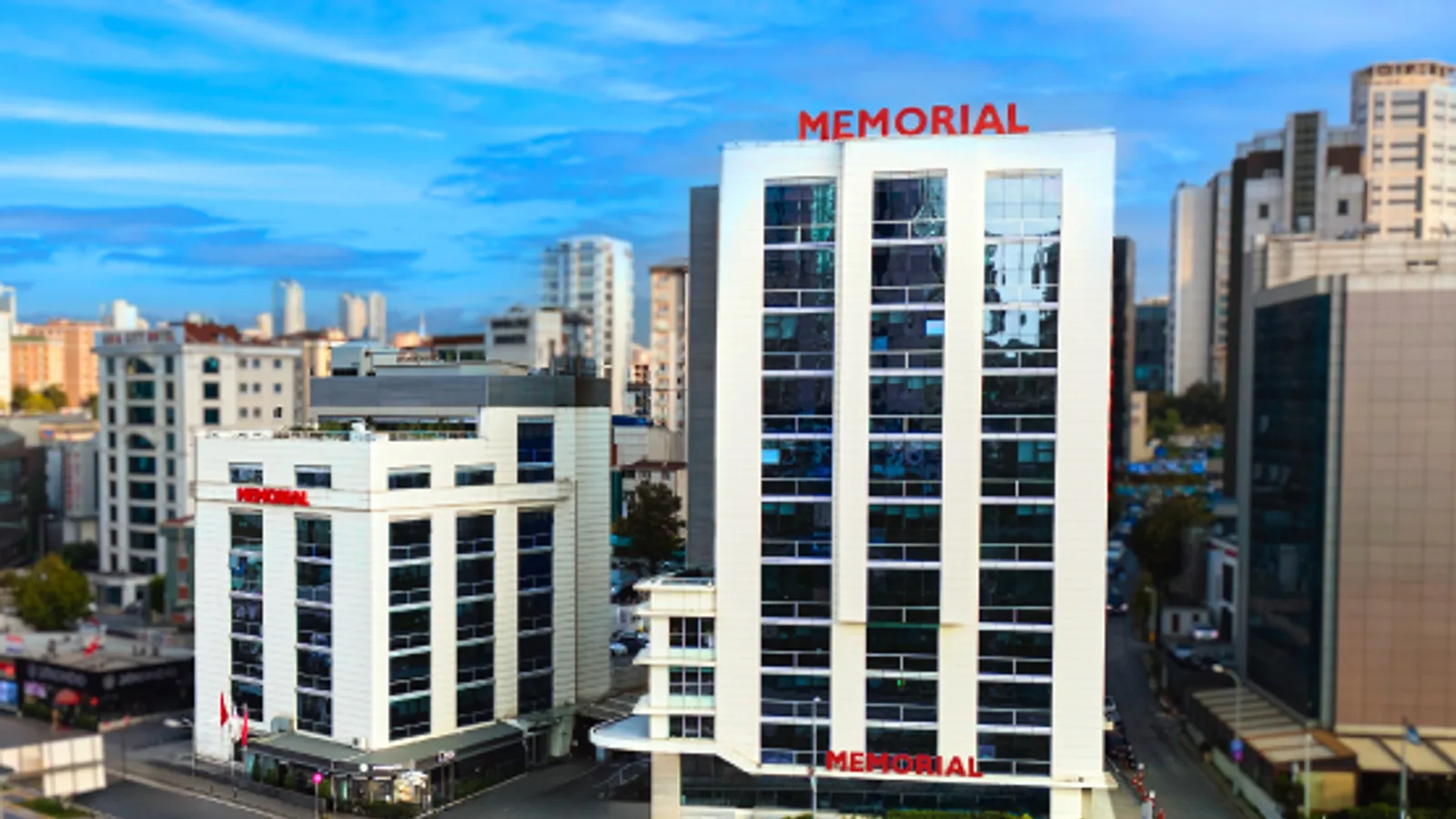
Total Body Mole Mapping in Istanbul is available at 1 hospital in the Voumed network.

Total body mole mapping is a digital dermoscopy method for the early detection of skin cancer, especially melanoma. Instead of examining moles only by eye, a clinician uses high-resolution cameras and magnified dermoscopic imaging to photograph and catalogue every mole and spot on the body. These images form a baseline record, and at later visits the same areas are re-imaged and compared, so even subtle new or changing lesions stand out. Catching a suspicious change early, when a mole is most treatable, is the single most valuable benefit of this painless, non-invasive check.

On this page

At a glance

Type
digital dermoscopy and whole-body photographic mole surveillance
Used for
early detection and monitoring of melanoma and other skin cancers
Key benefit
tracks change over time to catch suspicious lesions early
Session
painless, non-invasive imaging with no needles or recovery
Where it is used
dermatology units in leading accredited centres abroad

What it is

Mole mapping combines two layers of imaging. First, overview photographs record the location of every mole across the whole skin surface, creating a body map. Second, a dermatoscope, a special magnifying device with polarised light, captures detailed close-up images of individual moles, revealing patterns of colour and structure invisible to the naked eye. All of this is stored digitally as a baseline. The aim is not to treat anything on the day but to build an accurate, comparable record of the skin so that change, the key warning sign of skin cancer, can be reliably detected at future checks.

How it works

During the session you undress to allow the whole skin surface to be photographed, and the system records standardised images from head to toe. Individual moles of interest are then imaged in close-up through the dermatoscope. The pictures are stored and, at follow-up appointments, the software and clinician compare the new images side by side with the baseline. A mole that has changed in size, shape, colour or border, or a spot that is entirely new, is flagged for closer review. If a lesion looks suspicious, the clinician may recommend a simple removal and laboratory check; most moles, however, are confirmed as harmless and simply continue to be monitored.

What it treats and who it helps

Mole mapping does not treat moles; it watches them. It is especially valuable for people at higher risk of skin cancer: those with many moles, atypical or irregular moles, fair skin that burns easily, a personal or family history of melanoma, significant past sun exposure or sunburns, or a weakened immune system. It also reassures anyone who simply wants careful monitoring of a mole they are unsure about. By providing an objective record, it reduces unnecessary removals of harmless moles while helping ensure that a genuinely changing lesion is not missed.

Benefits and what to expect

The check is completely painless and non-invasive, with no needles, anaesthesia or recovery; a session simply involves imaging and usually takes a moderate amount of time depending on how many moles you have. You receive a clear baseline record of your skin and, where needed, advice on which moles to watch. For higher-risk individuals, repeat mapping is typically recommended at regular intervals, often once a year, so changes can be tracked reliably. Between visits, monthly self-checks and consistent sun protection remain important, since early detection and prevention work hand in hand.

Frequently asked questions

These answers are general guidance and may vary by provider. Confirm the details with the hospital you choose.

Is mole mapping painful or invasive?

No. It is purely a photographic and imaging process, so there are no needles, no cutting and no anaesthesia, and nothing to recover from. The dermatoscope simply rests lightly on the skin to take magnified pictures, and you can return to normal activities immediately.

How often should I have it done?

For people at higher risk, an annual mapping is commonly advised so that any change can be compared against the baseline, though your dermatologist may suggest more or less frequent checks based on your individual risk and what the images show.

Who should consider mole mapping?

It is most useful for those with many or atypical moles, fair skin, a history of significant sun exposure or sunburn, or a personal or family history of melanoma or other skin cancers. Anyone worried about a particular mole can also benefit from objective monitoring.

What happens if a mole looks suspicious?

If an image shows a worrying change or a new lesion, the clinician examines it more closely and may recommend removing it for a laboratory check. This is a minor procedure, and most flagged moles turn out to be harmless and are simply kept under observation.

Does mole mapping replace self-checks and sun protection?

No, it complements them. Regular self-examination between visits and consistent sun protection remain essential, because preventing damage and noticing change early together give the best protection against skin cancer.

Not sure which hospital fits your case?

Upload your medical records and let AI match you to the right hospital.

Upload records and get matched

Available at these hospitals

Specialties

Not sure which hospital fits your case?

Upload your medical records and let AI match you to the right hospital.

Upload records and get matched