Plasma Tonsil Treatment
Istanbul
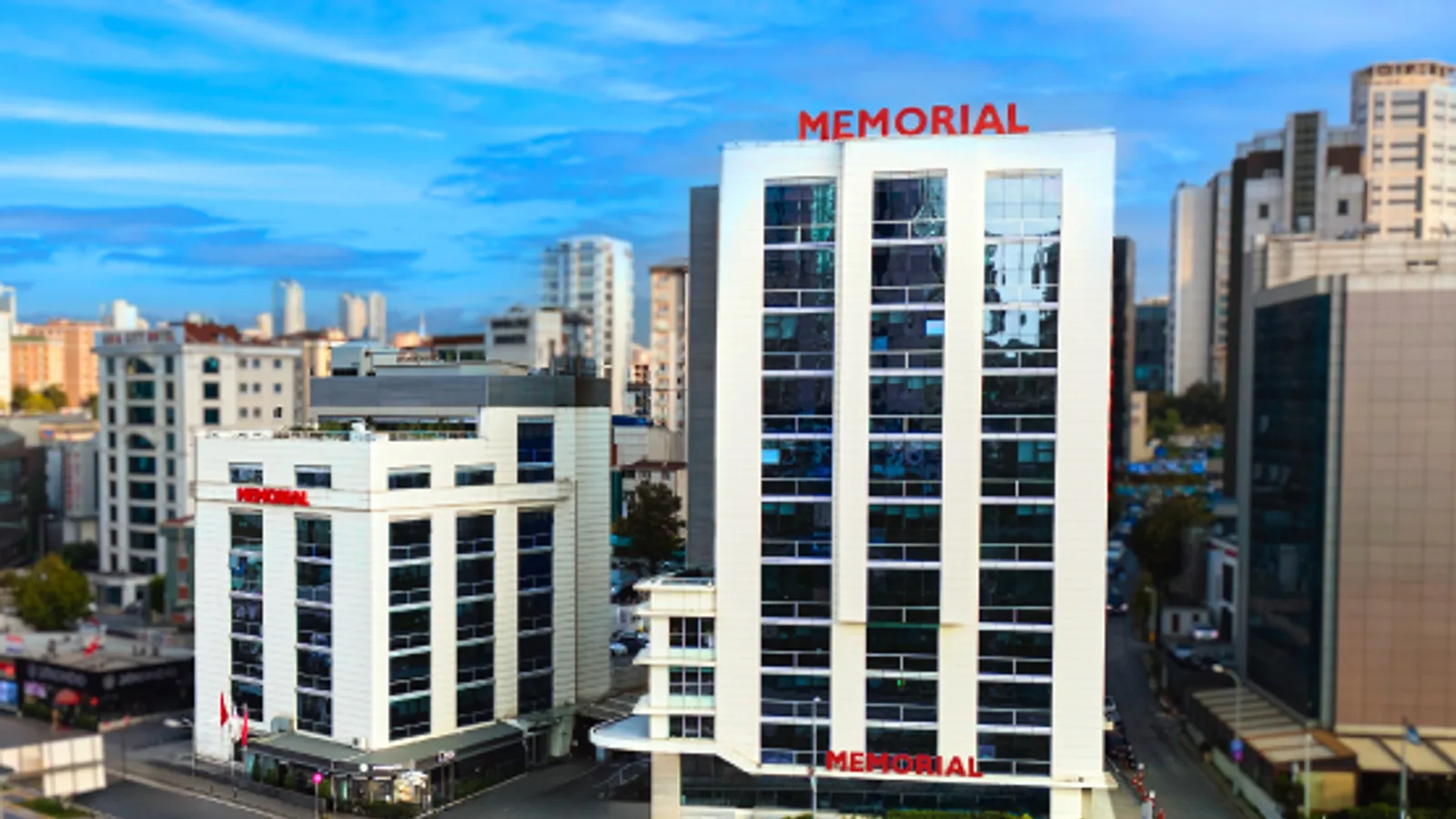
Plasma Tonsil Treatment in Istanbul is available at 1 hospital in the Voumed network.
Plasma technology is a low-temperature, minimally invasive method for treating enlarged tonsils, the two soft-tissue pads at the back of the throat that can block breathing and cause repeated infections. Rather than cutting with heat at high temperature, it uses controlled radiofrequency energy to break down tissue gently, so the tonsils can be reduced or removed precisely with very little bleeding. Because it works at a much lower temperature than older electrical methods, it tends to cause less damage to the surrounding throat, which usually means less pain and a quicker recovery, an advantage that is especially welcome in children.
On this page
At a glance
- Type
- low-temperature plasma (radiofrequency) tonsil treatment
- Used for
- enlarged tonsils causing snoring, breathing pauses in sleep and recurrent infections
- Key benefit
- controlled reduction or removal with minimal bleeding and less pain
- Anaesthesia
- general anaesthesia, usually as a short day procedure
- Where it is used
- leading accredited ENT centres abroad
What it is
Plasma tonsil treatment uses a fine instrument that passes radiofrequency energy through a thin layer of saline to create a focused plasma field at its tip. This field works at a relatively low temperature, around 40 to 60 degrees, and breaks tissue down into tiny particles instead of burning it at high heat. The surgeon can use it either to shrink enlarged tonsils while keeping some healthy tissue, or to remove them completely, depending on the problem. Because the energy is precise and low-temperature, it spares much of the surrounding tissue and seals small vessels as it works.
How it works
The procedure is carried out under general anaesthesia, so the child or adult is fully asleep and feels nothing. Working through the open mouth, with no external incision, the surgeon applies the plasma instrument to the tonsil tissue, reducing or removing it in a controlled way. The low operating temperature and the sealing of small vessels keep bleeding to a minimum during and after the procedure. Because there is little bleeding and limited heat damage to the surrounding throat, the area tends to be less raw afterwards, which contributes to a more comfortable recovery.
What it treats and who it helps
This treatment is used for tonsils that have become large enough to disturb breathing or that cause frequent problems. Typical reasons include loud snoring, pauses in breathing during sleep, difficulty swallowing, and repeated throat infections that disrupt daily life. By reducing or removing the enlarged tonsils, it can improve sleep, breathing and quality of life and reduce recurring infections. It is used in both children and adults, and an ENT specialist decides whether surgery is needed and whether reducing or fully removing the tonsils is the better option after examining the throat and reviewing the symptoms.
Benefits and what to expect
Compared with older high-temperature techniques, plasma treatment generally means less pain, minimal bleeding, less damage to the surrounding throat and a faster recovery, with many patients going home the same day. Children in particular often tolerate the procedure well and return to normal eating and activity sooner. As with any operation under anaesthesia, there are general risks, which the team explains beforehand, along with clear after-care guidance on diet, fluids, activity and follow-up to support smooth healing.
Frequently asked questions
These answers are general guidance and may vary by provider. Confirm the details with the hospital you choose.
Is plasma tonsil treatment painful?
The procedure is done under general anaesthesia, so you feel nothing during it. Because it works at a low temperature and limits damage to the surrounding throat, there is usually less pain afterwards than with older high-heat methods, and any discomfort is managed with medication.
Can it reduce the tonsils instead of removing them completely?
Yes. Depending on the problem, the surgeon can use plasma either to shrink enlarged tonsils while preserving some healthy tissue, or to remove them fully. Your ENT specialist will advise which is best for you or your child.
Will there be an incision or stitches?
No. The tonsils are reached through the open mouth, so there is no external cut and no visible scar, and stitches are not needed.
How long is the recovery?
Many patients go home the same day, and children often return to normal eating and gentle activity within several days. The low-temperature technique tends to make recovery more comfortable, and your team gives specific after-care advice.
Is it suitable for children?
Yes. The minimal bleeding, lower pain and quicker recovery make plasma treatment especially suitable for children, including those with snoring or breathing pauses during sleep.
Not sure which hospital fits your case?
Upload your medical records and let AI match you to the right hospital.
Upload records and get matchedAvailable at these hospitals
Specialties
Not sure which hospital fits your case?
Upload your medical records and let AI match you to the right hospital.
Upload records and get matched