Bariatric Surgery
Weight Loss Injections vs Gastric Sleeve Before and After: 9 Critical Realities

Quick Answer: Weight loss injections offer non-surgical, reversible reductions of roughly 15 to 21 percent of total body weight but require ongoing administration to prevent metabolic rebound, whereas laparoscopic sleeve gastrectomy provides an average reduction of 25 to 30 percent through irreversible stomach resection, carrying higher immediate surgical risks but greater long-term metabolic independence.
Key Takeaways:
- Incretin injections slow stomach emptying and stimulate brain satiety pathways, while gastric sleeve surgery physically removes roughly 80 percent of the stomach and the primary hunger-hormone production zone.
- Clinical trials report 15 to 21 percent total body weight loss with modern dual- and single-action injections, compared to 25 to 30 percent durable reduction following sleeve gastrectomy.
- Discontinuing weekly injections results in regaining approximately two-thirds of lost weight within a year, whereas post-surgical regain typically develops gradually after three to seven years due to physiological adaptation.
- Emerging safety concerns for medical injections include rare optic nerve conditions highlighted by the US FDA alongside chronic gastrointestinal dysmotility, contrasting with surgical risks like staple-line leaks and internal bleeding.
- Rapid adipose reduction from either modality causes structural tissue changes, including facial volume deflation, loose skin, temporary hair shedding, and distinct digestive shifts like dumping syndrome or delayed gastric emptying.
Evaluating the transition from medical weight management to bariatric surgery involves comparing two entirely distinct physiological pathways. When analyzing a patient's trajectory with medical injections versus a gastric sleeve before and after intervention, the decision hinges on how neurohormonal signaling, digestive anatomy, and long-term compliance interact. Modern incretin mimetics, such as glucagon-like peptide-1 (GLP-1) and glucose-dependent insulinotropic polypeptide (GIP) receptor agonists, alter appetite signaling pharmacologically. In contrast, laparoscopic sleeve gastrectomy reshapes the gastrointestinal tract to restrict volume and downregulate orexigenic hormones. Choosing between these treatments requires examining weight-loss velocity, metabolic rebound, nutrient absorption, cosmetic aftermath, and safety warnings.
1. Mechanism of Action: Satiety Signals vs Anatomical Restriction
Weight loss injections mimic endogenous incretin hormones to delay gastric emptying and stimulate hypothalamic satiety pathways, whereas gastric sleeve surgery excises approximately 75 to 80 percent of the stomach, mechanically restricting capacity while permanently resecting the primary ghrelin-producing fundus.
Injectable therapies function by activating GLP-1 receptors in both the peripheral nervous system and the central nervous system. When food enters the digestive tract, natural GLP-1 is secreted by intestinal L-cells to augment glucose-dependent insulin release, curb glucagon secretion, and slow gastric peristalsis. Synthetic GLP-1 receptor agonists and dual GLP-1/GIP agonists use modified molecular structures that resist breakdown by the dipeptidyl peptidase-4 (DPP-4) enzyme. This prolongs circulating half-lives from minutes to a full week. In the brain, these compounds cross the blood-brain barrier to target the arcuate nucleus of the hypothalamus, suppressing pro-opiomelanocortin (POMC) neurons and dampening dopamine-driven reward pathways associated with food cravings. The physical stomach remains anatomically unaltered, but food transit slows, maintaining prolonged mechanical fullness.
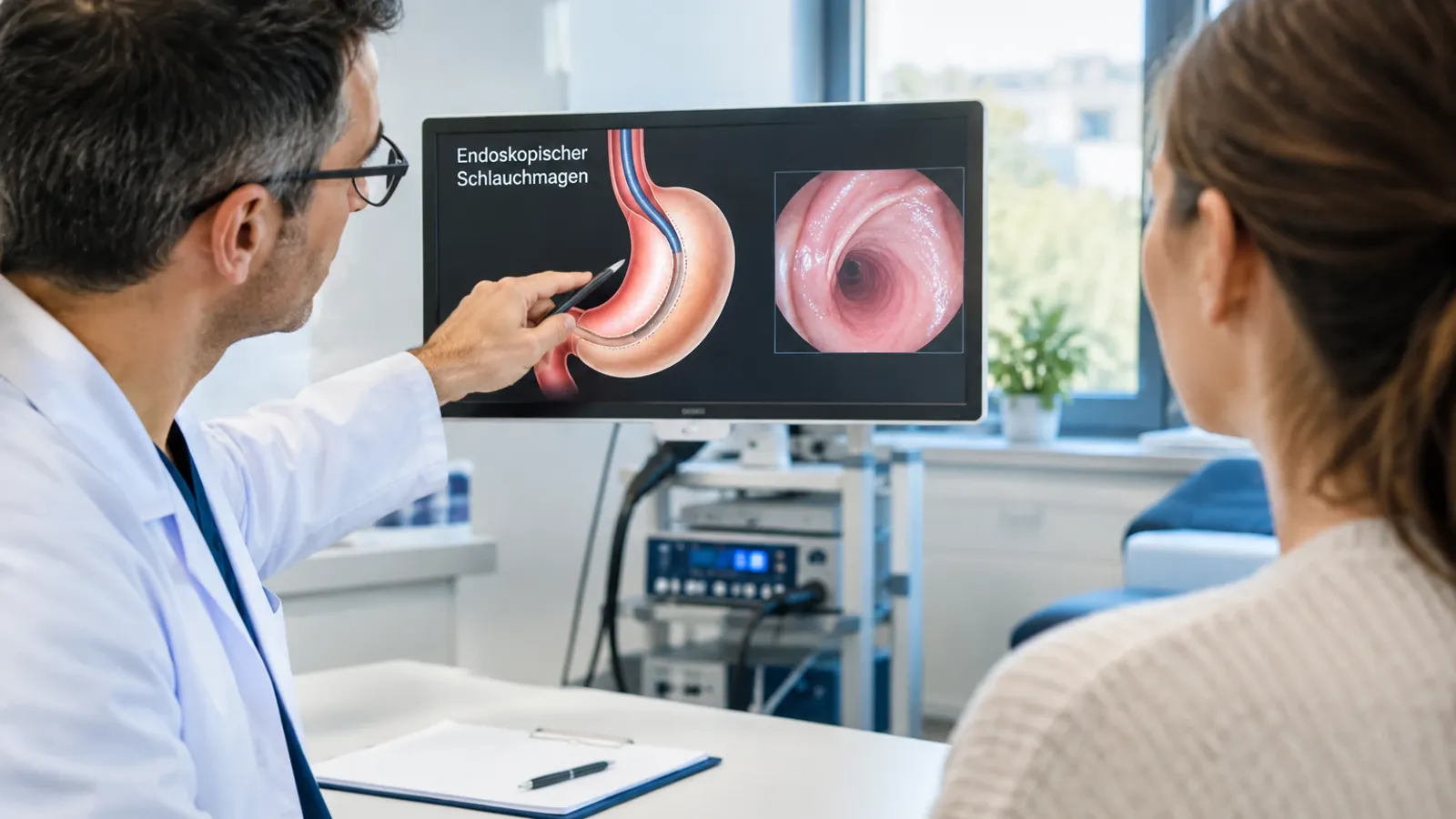
Laparoscopic sleeve gastrectomy (LSG) achieves weight reduction through irreversible anatomical and endocrine changes. The operating surgeon introduces laparoscopic trocars, divides the greater omentum along the greater curvature of the stomach, and uses an endoluminal bougie calibration tube (typically 36 to 40 French) to calibrate the new gastric tube. Using linear endoscopic staplers, the surgical team transects and removes approximately 75 to 80 percent of the stomach, leaving a narrow, tubular conduit shaped like a banana.
This resection alters gastrointestinal endocrinology by removing the gastric fundus, the body's primary source of the orexigenic hormone ghrelin. Post-operative circulating ghrelin levels drop immediately, reducing physiological hunger signals without requiring central nervous system pharmaceutical modulation. The physical restriction of the new sleeve limits meal volume to roughly 60 to 100 milliliters initially, compared to an average pre-operative capacity of 1,000 to 1,500 milliliters. Over time, rapid delivery of partially digested food to the distal bowel stimulates early secretion of endogenous GLP-1 and peptide YY (PYY), combining mechanical restriction with an endogenous endocrine boost.
2. Real-World Weight Loss: Trial Averages vs Long-Term Realities
Landmark randomized trials report an average total body weight loss of 15 to 21 percent with modern incretin injections over 68 to 72 weeks, whereas sleeve gastrectomy typically yields an average reduction of 25 to 30 percent of total body weight, equivalent to 50 to 70 percent of excess weight across five-year observational cohorts.
Large-scale clinical trial programs evaluating high-dose semaglutide (such as the STEP trials) showed an average total body weight loss (TBWL) of roughly 14.9 to 16.0 percent at 68 weeks. Subsequent trials assessing dual-agonist tirzepatide (such as the SURMOUNT clinical studies) demonstrated average weight reductions reaching 20.9 to 21.4 percent at 72 weeks for highest-dose cohorts. In clinical practice, real-world observational registries report slightly lower figures: typically 10 to 15 percent total weight loss at one year, influenced by missed doses, gastrointestinal side effects leading to early discontinuation, and insurance coverage gaps.
Laparoscopic sleeve gastrectomy produces more pronounced short- and mid-term weight reduction. Bariatric registries and long-term trials (such as the SLEEVEPASS and SM-BOSS randomized studies) show that sleeve gastrectomy patients achieve an average 25 to 30 percent TBWL at one to two years post-surgery. This corresponds to an excess weight loss (EWL) of 60 to 70 percent. At five to ten years, post-surgical weight loss stabilizes at approximately 20 to 25 percent TBWL (or 50 to 55 percent EWL) due to gradual anatomical adaptation.
| Parameter | GLP-1 Receptor Agonists | Dual GLP-1 / GIP Agonists | Laparoscopic Sleeve Gastrectomy |
|---|---|---|---|
| Average Total Body Weight Loss (1 Year) | 14% to 16% (trials) / 10% to 12% (real-world) | 18% to 21% (trials) / 13% to 16% (real-world) | 25% to 30% |
| Average Excess Weight Loss (EWL) | 35% to 45% | 45% to 55% | 55% to 70% |
| Mode of Administration | Weekly subcutaneous injection | Weekly subcutaneous injection | Single laparoscopic surgical procedure |
| Duration of Intervention | Indefinite (chronic disease model) | Indefinite (chronic disease model) | Single irreversible anatomical resection |
| Primary Mechanism | Delayed gastric emptying; central satiety | Synergistic central satiety; adipocyte modulation | Gastric volume restriction; fundus/ghrelin excision |
| Nutrient Malabsorption | Negligible; oral absorption kinetics altered | Negligible; altered oral pharmacokinetics | Mild; decreased intrinsic factor and acid output |
| Direct Intervention Cost | $900-$1,400 monthly (ongoing) | $1,000-$1,400 monthly (ongoing) | $4,500-$18,000 (single procedural event) |
3. The Regain Dilemma: Ceasing Injections vs Sleeve Dilation
Discontinuing GLP-1 receptor agonists leads to a documented regain of roughly two-thirds of shed weight within one year due to neurohormonal rebound, whereas post-sleeve weight regain typically progresses gradually over three to seven years, influenced by gastric sleeve dilation, neurohormonal adaptation, and behavioral patterns.
The physiological response to stopping pharmacological incretins stems from the chronic nature of metabolic setpoints. In clinical trials, such as the STEP 1 trial extension, participants who stopped their weekly GLP-1 injections after 68 weeks regained roughly two-thirds of their lost weight over the subsequent 52 weeks. Cardiometabolic improvements, such as reductions in systolic blood pressure, HbA1c levels, and circulating lipids, largely reverted toward baseline.
This happens because the medication acts as an external hormonal replacement rather than an irreversible reset of the central nervous system's weight setpoint. When the exogenous peptide clears the bloodstream, hypothalamic POMC activation drops, neuropeptide Y (NPY) and agouti-related peptide (AgRP) pathways surge, and gastric motility returns to normal. Appetite often returns with intense cravings, a phenomenon patients call "food noise." Because resting metabolic rate often drops during rapid weight loss without a corresponding increase in muscle mass, individuals burn fewer calories while experiencing an amplified biological drive to eat.
Weight trajectory after stopping injections:
- Month 0: Medication ceases and normal gastrointestinal motility returns.
- Month 3: Hypothalamic hunger signals rebound, leading to higher daily caloric intake.
- Month 12: Patients regain approximately two-thirds of lost weight as baseline biological setpoint pressures resume.
Long-term weight trajectory after sleeve gastrectomy:
- Years 1 to 2: Weight loss reaches its lowest point, typically achieving a 25 to 30 percent total body weight reduction.
- Years 3 to 5: The gastric sleeve gradually expands to 150-250 milliliters, accompanied by a modest regain of 5 to 10 percent of shed weight.
- Years 5 to 10: Metabolic and neurohormonal adaptations stabilize, with patients retaining a 20 to 25 percent total body weight reduction over the long term.
Post-sleeve weight regain follows a different biological pattern. Because the fundus has been excised, baseline ghrelin suppression remains evident for years, though secondary production sites in the duodenum and brainstem can partially adapt. Weight regain typically begins between post-operative years three and seven.
This gradual regain involves three main factors:
- Mechanical adaptation: The tubular stomach naturally stretches from an initial 60-100 milliliter volume to roughly 150-250 milliliters, which can permit larger portions.
- Hormonal adaptation: The brain adjusts to prolonged caloric restriction, slightly lowering resting energy expenditure.
- Dietary changes: Consuming liquid calories, grazing on refined carbohydrates, or emotional eating can bypass the mechanical restriction of the narrow gastric sleeve.
Even with some adaptation, long-term clinical data show that sleeve patients retain an average excess weight loss of 50 percent at five to ten years post-surgery. This makes surgical regain a slower, more manageable process than the rapid rebound that typically follows medication cessation.
4. Injection Safety and Emerging Warnings: Gastrointestinal Risks and Eye Concerns
Weight loss injections entail ongoing systemic considerations such as severe gastroparesis, bowel dysmotility, and rare optic nerve conditions, including non-arteritic anterior ischemic optic neuropathy highlighted by the US FDA in late 2026 communications, in contrast to the acute perioperative risks of sleeve gastrectomy, such as staple-line leaks and abdominal bleeding.
When evaluating whether weight loss injections are safe, patients must review systemic adverse effects alongside localized risks. The most common adverse reactions involve the gastrointestinal tract. Clinical studies show that 40 to 70 percent of patients experience nausea, constipation, diarrhea, or vomiting, especially during upward dose titration. Because incretin mimetics slow gastric motility, prolonged use can occasionally cause severe gastroparesis, a condition where the stomach empties so slowly that it causes chronic vomiting, dehydration, and functional food blockages.
Intestinal hypomotility can also lead to paralytic ileus. In patients with gallbladder issues, rapid weight reduction and altered biliary stasis increase the risk of cholelithiasis (gallstones) and acute cholecystitis, sometimes requiring a cholecystectomy.
Emerging safety concerns involve microvascular and neuro-ophthalmic systems. In late 2026, the US FDA updated safety communications regarding a potential link between GLP-1 receptor agonists and non-arteritic anterior ischemic optic neuropathy (NAION). NAION involves sudden, painless vision loss in one eye caused by reduced blood flow to the optic nerve head, often resulting in long-term visual field defects. While the overall incidence remains low, observational neuro-ophthalmic cohorts identified an increased risk among patients using semaglutide, particularly those with pre-existing microvascular risk factors such as hypertension, sleep apnea, or type 2 diabetes.
Additional known drug risks include acute pancreatitis and an FDA boxed warning regarding medullary thyroid carcinoma, which is based on rodent studies and contraindicates these drugs in patients with Multiple Endocrine Neoplasia syndrome type 2 (MEN 2).
Sleeve gastrectomy carries distinct, procedure-specific risks centered on the perioperative and early postoperative windows:
- Staple-line leak (0.5% to 1.5% incidence): Gastric fluids can leak through the surgical staple line into the abdominal cavity, creating peritonitis, subphrenic abscesses, or systemic sepsis. These require prompt intravenous antibiotics, percutaneous drainage, or surgical revision.
- Postoperative hemorrhage (1.0% to 2.5% incidence): Bleeding can arise from the transected stomach margin or the short gastric vessels, occasionally necessitating blood transfusions or re-laparoscopy.
- Port-site and internal herniation (<1.0% incidence): Intestinal loops can become trapped within trocar entry sites or mesenteric defects.
- Deep vein thrombosis and pulmonary embolism (<0.5% with prophylaxis): Systemic clotting events are mitigated with low-molecular-weight heparin and sequential compression devices.
- Long-term de novo gastroesophageal reflux disease (GERD) (15% to 30%): Resecting the stomach increases intraluminal pressure within the narrow tube, which can force gastric acid past the lower esophageal sphincter. Over time, chronic acid exposure can cause erosive esophagitis or Barrett's esophagus.
5. Facial Volume Loss: Understanding and Managing Ozempic Face
Ozempic face denotes the accelerated depletion of deep and superficial facial fat compartments following rapid systemic lipolysis, leading to hollowed temples, sunken buccal regions, and skin laxity that clinicians manage primarily through gradual titration, sufficient dietary protein, or secondary aesthetic volumization.
The sudden loss of subcutaneous and deep adipose tissue during rapid weight reduction changes facial contours. Human facial aging naturally involves the slow atrophy and downward shift of distinct fat compartments: deep buccal fat, the sub-orbicularis oculi fat (SOOF), and temple fat pads. When a patient loses 30 to 50 pounds over several months using high-dose GLP-1 or dual incretin agonists, the face undergoes rapid lipolysis alongside the rest of the body.
Skin elasticity cannot contract quickly enough to match this sudden volume loss. This mismatch creates hollowed temporal fossae, prominent orbital rims, deepening of the nasolabial folds, and sagging along the jawline, changes commonly referred to as "Ozempic face."
This rapid volume loss stems from weight-loss velocity rather than a unique property of the medication. However, because incretin therapies are often titrated upward every four weeks, systemic fat loss can outpace the collagen remodeling capacity of the dermis. This effect is especially noticeable in patients over age 40, whose skin contains less baseline collagen and elastin. Severe caloric restriction without adequate protein can also lead to systemic catabolism of skeletal muscle, weakening the underlying structural support of the midface.
Clinical strategies to manage facial volume loss during medical weight reduction include:
- Gradual dose titration: Slowing dose increases to steady weight loss at a safer 1 to 2 pounds per week gives dermal fibroblasts time to adapt.
- Targeted nutrition: Consuming 1.2 to 1.6 grams of high-quality protein per kilogram of ideal body weight daily helps preserve structural lean mass.
- Systemic resistance training: Engaging in regular strength training stimulates growth hormone and anabolic signaling, helping maintain lean tissue.
- Dermal biostimulators: Injecting poly-L-lactic acid (PLLA) or calcium hydroxylapatite (CaHA) into the deep dermis and supraperiosteal plane stimulates native type I and type III collagen synthesis.
- Hyaluronic acid volumizers: Placing cross-linked hyaluronic acid gels directly into the lateral malar and deep medial cheek fat pads can restore lost structure.
- Autologous facial fat transfer: For patients who have reached a stable weight, harvesting surplus adipose tissue from the abdomen or thighs and grafting it into the facial fat compartments provides long-lasting volume restoration.
6. Body Changes: Loose Skin and Telogen Effluvium After Rapid Loss
Substantial weight loss induced by either medication or surgery frequently outpaces dermal elastin recoil, resulting in redundant abdominal and extremity skin, while concurrent metabolic stress regularly initiates telogen effluvium, a temporary phase of diffuse hair shedding that typically resolves within six to nine months.
Major weight loss inevitably affects body contour and skin integrity. The dermis relies on an extracellular matrix composed of type I collagen fibers and intertwined elastin filaments. When severe obesity stretches the skin over many years, mechanical stress fractures dermal elastin fibers, causing microscopic tears visible as striae distensae (stretch marks).
When a patient rapidly loses 50 to 150 pounds, whether through sleeve gastrectomy or dual-action incretin therapy, the stretched skin cannot shrink back over the smaller body frame. This results in excess folds of loose skin after weight loss, most commonly on the lower abdomen (an abdominal pannus), the upper arms, the medial thighs, and the breasts.
Beyond aesthetic concerns, loose skin can cause functional problems:
- Intertrigo and fungal skin infections: Moisture and friction within skin folds disrupt the epidermal barrier, encouraging Candida colonization and painful maceration.
- Frictional skin breakdown: Chafing during daily movement and exercise causes persistent irritation and open sores.
- Postural and mobility issues: A heavy, hanging abdominal pannus alters a patient's center of gravity, worsening lumbar lordosis and causing chronic lower back strain.
Progression of stress-induced hair shedding (telogen effluvium):
- Baseline growth phase (anagen): Under normal conditions, 85 to 90 percent of scalp follicles remain actively growing.
- Acute metabolic trigger: Surgical stress or rapid caloric reduction disrupts normal metabolic signals.
- Premature transition (catagen to telogen): Up to 30 to 50 percent of growing follicles prematurely shift into a resting state.
- Delayed shedding phase: Approximately 60 to 90 days after the initial trigger, resting hairs shed across the scalp in a diffuse pattern.
- Follicular recovery: Once weight and nutritional intake stabilize, follicles re-enter the anagen phase, and hair regrowth resumes over 6 to 9 months.
At the same time, sudden caloric restriction and physical stress can trigger telogen effluvium. Normal hair cycles keep 85 to 90 percent of follicles in the active growth (anagen) phase, with 10 to 15 percent resting in the telogen phase. A major physiological disruption, such as surgical trauma, rapid drops in circulating insulin, or sudden protein deficits, can prematurely push up to 50 percent of active follicles into the resting phase.
Roughly two to three months after the triggering event, these resting hairs shed all at once, causing noticeable, diffuse thinning across the scalp. While distressing, telogen effluvium does not destroy hair follicles. Once nutritional intake and body weight stabilize, shedding slows, and normal hair growth typically resumes within six to nine months.
7. Digestive Complications: Dumping Syndrome and Reflux Realities
Gastric sleeve patients risk dumping syndrome, where rapid transit of hyperosmolar nutrients into the small intestine produces nausea, diaphoresis, and reactive hypoglycemia, while GLP-1 patients encounter the opposite problem of prolonged gastric retention, manifesting as intractable nausea, belching, and gastroesophageal reflux.
The digestive systems of post-sleeve and medication-treated patients function in completely opposite ways. After a sleeve gastrectomy, the stomach's natural accommodation and reservoir capacity are largely gone. When a patient consumes simple sugars, concentrated fruit juices, or high-fat foods, the hyperosmolar food bolus empties quickly into the proximal small intestine (the duodenum and jejunum).
This rapid emptying can trigger dumping syndrome:
- Early dumping syndrome (within 15 to 30 minutes of eating): The hyperosmolar food draws fluid out of the bloodstream and into the bowel lumen through osmosis. This causes sudden gut distension, abdominal cramping, nausea, diarrhea, a drop in blood pressure, and a racing heart.
- Late dumping syndrome (one to three hours after eating): Rapid carbohydrate absorption spikes blood glucose levels, triggering a large release of insulin. This surge quickly drives glucose into cells, causing reactive hypoglycemia marked by cold sweats, dizziness, tremors, and mental confusion.
In contrast, patients using incretin mimetics experience delayed gastric emptying (gastroparesis-like physiology). Food stays in the gastric pouch far longer than normal.
This prolonged retention causes its own set of distinct side effects:
- Intractable nausea and early satiety: Normal portions sit in the stomach, pressing on stretch receptors and causing continuous discomfort.
- Sulfur belching and dyspepsia: Extended retention allows stomach bacteria to ferment trapped proteins and carbohydrates, producing foul-tasting sulfur gas.
- Gastroesophageal reflux disease (GERD): A constantly full stomach increases pressure against the lower esophageal sphincter, forcing acid and bile upward into the esophagus and causing heartburn, regurgitation, and nocturnal coughing.
- Altered oral drug absorption: Delayed gastric transit can change how quickly oral medications, such as thyroid replacements, oral contraceptives, and antidepressants, are absorbed into the bloodstream.
Gastric sleeve surgery also has a significant relationship with acid reflux. While medical injections cause reflux by keeping the stomach full, a sleeve gastrectomy causes reflux mechanically. Resecting the gastric fundus removes the anatomical Angle of His, creates a narrow high-pressure tube, and can disrupt the lower esophageal sphincter.
Between 15 and 30 percent of sleeve patients develop new or worsened chronic acid reflux. If daily proton pump inhibitors cannot control severe reflux or if Barrett's esophagus develops, these patients may require a surgical revision to a Roux-en-Y gastric bypass to redirect acid away from the esophagus.
8. Candidacy Criteria: Who Clinically Suits Which Path?
Medical injections suit patients with a body mass index (BMI) of 30 or greater (or 27 with metabolic co-morbidities) who prefer a non-surgical intervention and commit to open-ended pharmacotherapy, whereas sleeve gastrectomy remains indicated for patients with a BMI of 35 or above who seek substantial, durable metabolic correction without lifelong weekly injections.
Clinical selection criteria establish clear guidelines for both treatment paths. According to consensus guidelines from the American Society for Metabolic and Bariatric Surgery (ASMBS) and the International Federation for the Surgery of Obesity and Metabolic Disorders (IFSO), bariatric surgery is indicated for:
- Adults with a BMI ≥ 35 kg/m², regardless of the presence, absence, or severity of co-morbidities.
- Individuals with a BMI of 30.0 to 34.9 kg/m² who have metabolic diseases such as uncontrolled type 2 diabetes mellitus, hypertension, severe obstructive sleep apnea, or non-alcoholic steatohepatitis (NASH).
- Patients who have weighed the surgical risks, are prepared for permanent anatomical changes, and can commit to lifelong daily micronutrient supplementation (including vitamin B12, iron, calcium citrate, and fat-soluble vitamins).
Pharmacological treatment with GLP-1 or dual incretin agonists follows regulatory labeling from the US FDA and the European Medicines Agency (EMA) in the European Union:
- Adults with a baseline BMI ≥ 30 kg/m² (classified as obesity).
- Adults with a BMI ≥ 27 kg/m² (classified as overweight) who have at least one weight-related medical condition, such as dyslipidemia, hypertension, obstructive sleep apnea, or type 2 diabetes.
- Patients who prefer a non-surgical, reversible treatment, have the financial means for ongoing prescriptions, and do not have personal or family histories of medullary thyroid cancer or MEN 2.
| Clinical Profile | Primary Indication | Key Considerations |
|---|---|---|
| BMI 27.0 to 29.9 with comorbidities | Medical Incretin Pharmacotherapy | Sleeve gastrectomy is outside standard clinical criteria; medication requires indefinite weekly dosing. |
| BMI ≥ 30 with severe preexisting GERD | Medical Incretin Pharmacotherapy | Sleeve gastrectomy increases intraluminal pressure and can worsen severe acid reflux. |
| BMI ≥ 35 seeking long-term metabolic correction | Laparoscopic Sleeve Gastrectomy | Delivers greater excess weight reduction without ongoing monthly prescription expenses. |
| High perioperative risk (severe cardiovascular disease) | Medical Incretin Pharmacotherapy | Minimizes general anesthesia and invasive surgical risks while reducing overall body weight. |
Long-term treatment realities strongly influence this decision. Weight loss injections treat obesity as a chronic condition; stopping the medication almost always causes weight regain. This means patients must consider the long-term financial commitment: branded out-of-pocket costs typically range from $900 to $1,400 per month if insurance coverage lapses.
Conversely, laparoscopic sleeve gastrectomy is a single surgical procedure that delivers lasting excess weight reduction without monthly prescription costs. However, it requires an upfront investment, carries an operative mortality risk of roughly 0.1 percent, and requires lifelong attention to food volume, chewing habits, and daily vitamin supplementation.
Frequently Asked Questions
Choosing between injectable medication and sleeve gastrectomy requires weighing lifelong pharmacological adherence against a single, irreversible anatomical restructuring, with distinct implications for tissue elasticity, nutrition, and metabolic stability.
What is the best injection for weight loss?
Dual GLP-1/GIP receptor agonists (such as tirzepatide) currently demonstrate the highest clinical efficacy, yielding up to 21 percent total body weight loss in late-phase trials, whereas single GLP-1 agonists (such as high-dose semaglutide) achieve approximately 15 percent. Deciding which option is best depends on personal insurance coverage, individual drug tolerance, target weight goals, and contraindications like severe gastroparesis or thyroid neoplasm risks.
What is Ozempic face?
Ozempic face describes the visible loss of volume and structural fat in the temples, cheeks, and periorbital regions following rapid weight loss from incretin therapies. This is not a direct drug toxicity; rather, rapid systemic fat loss outpaces the skin's natural elastic retraction, emphasizing facial skin folds, deepening hollows, and highlighting underlying bony contours.
How to avoid Ozempic face?
Patients can mitigate facial hollowing by working with their doctor to titrate medication slowly, keeping weight loss to a steady 1 to 2 pounds per week. Maintaining daily protein intake at 1.2 to 1.6 grams per kilogram of ideal body weight, performing regular resistance training, staying well-hydrated, and using targeted dermatological treatments, such as collagen-stimulating fillers or conservative autologous fat transfer, can also help support facial volume.
How to tighten loose skin after weight loss?
Mild skin laxity can improve slightly over 12 to 18 months through consistent resistance training to build muscle, optimal hydration, balanced protein intake, and non-invasive radiofrequency or ultrasound skin-tightening treatments. However, when patients lose 50 to 100 pounds or more, stretched elastin fibers cannot fully recover; surgically removing excess tissue through body-contouring operations, such as a tummy tuck (abdominoplasty), brachioplasty (arm lift), or thighplasty, remains the most effective way to eliminate large skin folds.
Not sure which hospital is right for your case?
Upload your medical reports and our AI will match them against the verified capabilities of every hospital in our network.
- Upload your reports (no account needed)
- Our AI matches your case with hospitals that can actually treat it
- You choose who receives your case. We present it in the hospital's own language, and the hospital replies directly to you
Free and anonymous. Your documents stay private until you decide to send them.