Bariatric Surgery
Gastric Sleeve Surgery and Obesity Treatment in Turkey


Quick Answer: Gastric sleeve surgery is a laparoscopic metabolic procedure that removes roughly 75 to 80 percent of the stomach, restricting food intake and curbing appetite-stimulating hormones to achieve sustainable long-term weight reduction under structured clinical supervision.
Key Takeaways:
- Surgical candidacy adheres to international bariatric consensus guidelines: a Body Mass Index (BMI) of 35 kg/m² or higher, or 30 to 34.9 kg/m² alongside diagnosed metabolic comorbidities.
- Pre-operative clearance at a dedicated bariatric center requires mandatory consultations across endocrinology, clinical nutrition, psychology, and anesthesiology.
- Procedure selection between sleeve gastrectomy, gastric bypass, and duodenal switch depends on individual anatomy, gastroesophageal reflux severity, and glycemic status.
- International patient care pathways entail a structured six- to seven-night stay in Istanbul to safely accommodate pre-operative diagnostics, surgery, inpatient recovery, and staple-line integrity testing.
- Post-operative outcomes rely on staged dietary transitions, lifelong micronutrient supplementation, and systematic digital follow-up with multidisciplinary clinicians.
Bariatric and metabolic surgery comprises specialized gastrointestinal interventions engineered to treat clinically severe obesity and reverse associated metabolic disorders. Medical teams approach obesity not as an individual behavioral shortcoming, but as a chronic, relapsing metabolic disease governed by complex neuroendocrine set-points, requiring coordinated surgical, physiological, and nutritional treatment.
Obesity as a Chronic Disease: Clinical BMI Criteria and Surgical Eligibility
Obesity is a relapsing chronic metabolic disease; bariatric surgery is clinically indicated for adults with a Body Mass Index (BMI) of 35 kg/m² or higher, or a BMI of 30 to 34.9 kg/m² when comorbid conditions such as type 2 diabetes, severe sleep apnea, or hypertension are present.
These diagnostic thresholds follow consensus criteria established by the International Federation for the Surgery of Obesity and Metabolic Disorders (IFSO) and the World Health Organization (WHO). Metabolic surgery alters gut hormone profiles, improves insulin sensitivity, and resets central satiety signaling. While lifestyle interventions remain foundational to metabolic health, clinical trials demonstrate that moderate to severe obesity frequently triggers neurochemical adaptations that resist long-term weight reduction through diet and exercise alone.
Surgical eligibility extends beyond a standalone calculation of height and weight. Clinical teams conduct careful assessments to identify metabolic and mechanical conditions exacerbated by excess adiposity:
- Glycemic dysregulation: Type 2 diabetes mellitus, pre-diabetes, and progressive insulin resistance.
- Cardiovascular strain: Systemic hypertension, dyslipidemia, coronary artery disease, and peripheral vascular disease.
- Respiratory impairment: Moderate-to-severe obstructive sleep apnea (OSA) and obesity hypoventilation syndrome.
- Hepatic and musculoskeletal pathologies: Metabolic dysfunction-associated steatotic liver disease (MASLD/MASH), severe degenerative joint disease (osteoarthritis) of weight-bearing joints, and functional immobility.
Bariatric operations are planned, elective metabolic interventions. If a patient experiences acute, time-critical medical symptoms, such as unstable angina, sudden neurological deficits, or acute severe abdominal pain, they must seek immediate emergency medical care locally rather than arranging overseas travel for elective surgery.
The Multidisciplinary Bariatric Assessment: Endocrinology, Dietetics, and Psychology
Prior to any surgical booking, each patient undergoes a structured evaluation involving an endocrinologist to exclude secondary hormonal causes, a dietitian to assess dietary patterns, a clinical psychologist to review eating behaviors, and an anesthesiologist to evaluate cardiopulmonary operative risk.
This multidisciplinary protocol is designed to ensure that patients are medically stable and psychologically prepared for the long-term lifestyle adjustments required after surgery. Operative clearance requires unanimous consensus among all consulting specialists.
The clinical pre-operative screening pathway includes:
- Endocrinology Evaluation: The specialist conducts targeted blood panels to exclude underlying endocrinopathies, such as Cushing’s syndrome, severe untreated primary hypothyroidism, or adrenal insufficiency. In patients with established type 2 diabetes, the endocrinologist optimizes blood glucose and glycated hemoglobin (HbA1c) levels to minimize surgical wound-healing complications.
- Nutritional and Dietetic Assessment: A bariatric dietitian reviews lifelong dietary history, eating behaviors, and existing micronutrient deficiencies. Baseline testing assesses serum levels of vitamin D, ferritin, vitamin B12, and folate. Candidates receive personalized instructions regarding the pre-operative liver-shrinking diet, designed to deplete hepatic glycogen stores and reduce liver volume to enhance laparoscopic visibility.
- Psychological and Behavioral Screening: Clinical psychologists screen for uncontrolled psychiatric disorders, active substance dependence, and specific eating disorders, including binge eating disorder and night eating syndrome. The focus centers on identifying emotional eating triggers, assessing patient comprehension of post-operative restrictions, and developing sustainable behavioral coping strategies.
- Cardiopulmonary and Anesthetic Clearance: Patients undergo baseline electrocardiography (ECG), echocardiography, and pulmonary function testing. Those displaying symptoms of obstructive sleep apnea undergo polysomnography; severe cases require continuous positive airway pressure (CPAP) therapy for several weeks prior to surgery to minimize perioperative respiratory events.
- Gastroenterological Workup: Routine upper gastrointestinal endoscopy (esophagogastroduodenoscopy) and abdominal ultrasonography evaluate the gastric mucosa, identify asymptomatic hiatal hernias, rule out Helicobacter pylori infection, and screen for cholelithiasis (gallstones).
Bariatric and Metabolic Surgery Options: Laparoscopic Gastric Sleeve Surgery and Alternatives
Bariatric interventions include restrictive operations like laparoscopic gastric sleeve surgery, combination restrictive-malabsorptive surgeries such as Roux-en-Y gastric bypass and duodenal switch, and temporary non-surgical interventions like the intragastric balloon.
Surgical and endoscopic approaches differ in their anatomical modifications, primary physiological mechanisms, and degree of metabolic influence. The following comparison outlines the primary procedures performed within modern bariatric care:
| Procedure | Primary Mechanism | Anatomical Change | Typical Hospital Inpatient Stay | Clinical Indication Profile |
|---|---|---|---|---|
| Laparoscopic Sleeve Gastrectomy (LSG) | Restrictive and neuroendocrine | Resection of ~75-80% of greater curvature; creates narrow vertical gastric tube | 2-3 nights | Primary choice for BMI ≥35 kg/m²; low-to-moderate reflux risk; active lifestyle |
| Roux-en-Y Gastric Bypass (RYGB) | Restrictive and mild malabsorptive | Creates small (15-30 ml) gastric pouch; diverts food past distal stomach and duodenum into jejunum | 2-3 nights | Severe gastroesophageal reflux disease (GERD); uncontrolled type 2 diabetes |
| Biliopancreatic Diversion with Duodenal Switch (BPD/DS) | Substantial malabsorptive and moderate restrictive | Sleeve gastrectomy combined with significant intestinal rerouting; short common channel | 3-4 nights | Super-obesity (BMI ≥50 kg/m²); refractory metabolic disease requiring high malabsorption |
| Intragastric Balloon (Non-Surgical) | Temporary mechanical restriction | Fluid- or gas-filled silicone balloon placed endoscopically or swallowed | Outpatient / Day case | BMI 27-35 kg/m²; bridge therapy to reduce operative risk prior to definitive surgery |
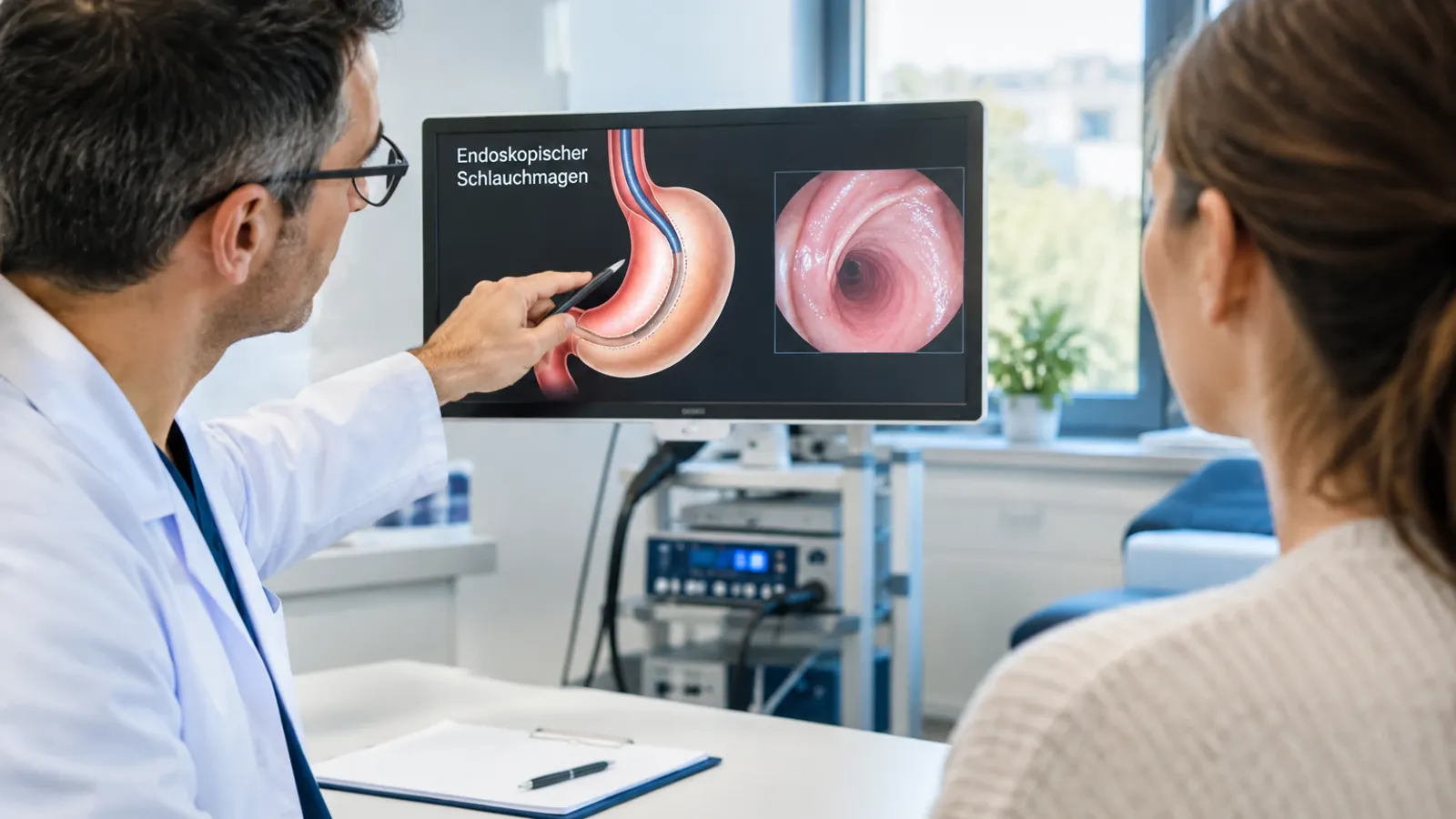
In laparoscopic gastric sleeve surgery, the vertical tubular stomach restricts oral capacity to roughly 100 to 150 ml. Crucially, resecting the gastric fundus removes the predominant anatomical source of ghrelin, an orexigenic peptide hormone. This biological shift significantly reduces post-operative appetite and enhances early satiety.
Roux-en-Y gastric bypass bypasses the gastric body and the entire duodenum, connecting the small proximal gastric pouch directly to the mid-jejunum via an alimentary limb. This structural shift accelerates the delivery of partially digested nutrients to the distal small bowel, prompting a rapid, pronounced secretion of glucagon-like peptide-1 (GLP-1) and peptide YY (PYY), which aids in glycemic control.
Duodenal switch configurations retain the pylorus to prevent rapid gastric dumping, but introduce substantial malabsorption by diverting digestive bile and pancreatic enzymes to a short distal common digestive channel. While clinically effective for patients with severe super-obesity, it mandates rigorous, lifelong compliance with high-dose fat-soluble vitamins and protein intake.
How Your Surgical Method Is Selected: Anatomical and Metabolic Decision-Making
Surgical selection depends on objective clinical factors: severe gastroesophageal reflux disease (GERD) typically favors gastric bypass over sleeve gastrectomy, while severe metabolic syndrome or uncontrolled type 2 diabetes may direct the surgical team toward bypass or duodenal switch configurations.
Clinical decision-making balances diagnostic findings, individual anatomy, personal medical history, and post-operative nutritional compliance capacity:
- Pre-existing Gastroesophageal Reflux Disease (GERD): Sleeve gastrectomy alters the angle of His and elevates intragastric pressure, which can exacerbate pre-existing acid reflux or induce new symptoms in 10 to 20 percent of patients. Consequently, candidates with endoscopic evidence of severe erosive esophagitis, large hiatal hernias, or Barrett's esophagus are generally directed toward Roux-en-Y gastric bypass, an inherently anti-reflux operation.
- Diabetes Duration and Metabolic Severity: While sleeve gastrectomy produces high rates of diabetes improvement through caloric restriction and early weight loss, patients with long-standing, insulin-dependent type 2 diabetes often achieve superior, sustained glycemic control from the neuroendocrine response produced by gastric bypass or duodenal switch.
- Degree of Excess Weight: For patients presenting with a BMI greater than 50 kg/m², a single restrictive intervention may occasionally yield insufficient total weight reduction. In such scenarios, clinicians may discuss a single-anastomosis duodenal switch (SADI-S), a traditional duodenal switch, or a staged strategy (initiating with a sleeve gastrectomy, with the option to convert to a bypass or switch if weight plateaus prematurely).
- Patient Adherence and Malabsorption Tolerability: Patients who have difficulty adhering to dense, multi-tablet daily micronutrient regimens, or those with underlying inflammatory bowel disease, anemia, or osteopenia, are typically better suited to sleeve gastrectomy due to its lower risk of systemic malabsorption.
Gastric Sleeve Surgery Process: Operative Technique and Clinical Safety Standards
During the gastric sleeve surgery process, the surgical team removes approximately 75 to 80 percent of the stomach along a calibrating bougie tube using endoscopic staplers, followed by an intra-operative methylene blue or air-leak test to inspect the staple line before closure.
The procedure is executed under general anesthesia using minimally invasive laparoscopy:
- Pneumoperitoneum and Port Placement: The surgical team creates a pneumoperitoneum using carbon dioxide gas to expand the abdominal cavity, inserting four to five small trocars (5 mm to 12 mm in diameter) across the upper abdomen.
- Greater Curvature Devascularization: Surgeons mobilize the greater curvature of the stomach by dividing the gastrocolic and gastrosplenic ligaments using ultrasonic or advanced bipolar energy instruments. Dissection begins approximately 4 to 6 centimeters proximal to the pylorus and extends superiorly to the angle of His, entirely mobilizing the gastric fundus while carefully preserving the underlying splenic vasculature and left gastric artery branches.
- Bougie Calibration: An anesthesiologist advances a calibrated flexible orogastric bougie tube, typically sized between 36 and 40 French (roughly 12 to 13 millimeters in diameter), down the esophagus and positions it along the lesser curvature of the stomach. This acts as a surgical template to prevent tissue twisting or luminal narrowing (stenosis).
- Endoscopic Stapling and Resection: The surgeon applies sequential endoscopic linear cutters across the stomach adjacent to the bougie, systematically transecting and sealing the tissue from the antrum to the gastroesophageal junction. Modern stapling platforms use tissue-specific cartridge heights to promote uniform hemostasis and staple line compression.
- Staple Line Reinforcement: The staple line may be reinforced via oversewing (suturing) or with bioabsorbable polymer buttress materials to minimize microvascular bleeding and bolster mechanical integrity.
- Intra-Operative Leak Testing: Prior to extracting the resected stomach, the surgical team performs an intra-operative integrity test. The stomach is either inflated with saline and air (pneumatic testing) or irrigated with dilute methylene blue dye via the orogastric tube while observing the staple line laparoscopically for any signs of bubbling or dye extravasation.
- Specimen Extraction and Closure: The resected lateral stomach is extracted via an expanded trocar site using an impermeable specimen bag. Fascial layers and skin incisions are closed using absorbable subcuticular sutures. The entire surgical procedure typically lasts between 60 and 90 minutes.
Post-Operative Recovery, Complication Management, and Long-Term Nutritional Follow-Up
Patients ambulate within four hours post-surgery to reduce thrombotic risk, spend two to three nights in the hospital for monitoring, and transition through strict clear liquid, pureed, and soft food dietary phases supported by routine micronutrient supplementation.
Gastric sleeve bariatric surgery demands careful clinical monitoring during both early inpatient recovery and long-term adaptation. While serious adverse events occur infrequently in accredited centers, transparent clinical understanding of potential complications is vital:
Potential Complications and Clinical Safeguards
- Staple-Line Leak: Occurring in roughly 1 to 2 percent of patients, a leak results from incomplete tissue healing or localized ischemia, most frequently near the gastroesophageal junction. Safeguards include intra-operative leak testing, careful tissue-thickness cartridge selection, and pre-discharge clinical monitoring.
- Post-Operative Hemorrhage: Reported in approximately 1 to 3 percent of cases along the staple line, abdominal wall trocar sites, or divided omentum. It is managed intra-operatively with staple line oversewing, electrocautery, and hemostatic clips, followed by post-operative monitoring of vital signs and hemoglobin levels.
- Venous Thromboembolism (DVT/PE): Reduced to below 1 percent through systematic prophylaxis, including intra-operative sequential compression devices (SCDs), low-molecular-weight heparin (LMWH) injections, and mandated ambulation within hours of anesthesia emergence.
- Stricture or Functional Stenosis: A narrowing of the gastric tube can cause persistent dysphagia or vomiting. Incidence ranges from 0.5 to 2 percent and is typically resolved via endoscopic balloon dilatation.
- Nutritional Deficiencies and Gallstones: Rapid weight loss elevates the risk of cholesterol gallstone formation, often managed preventatively with ursodeoxycholic acid for six months. Routine supplementation and blood testing guard against iron, vitamin D, and B-complex deficiencies.
Patients who experience warning symptoms, such as sustained resting tachycardia above 120 beats per minute, fever, acute unremitting abdominal or shoulder pain, shortness of breath, or an inability to tolerate fluids, must seek emergency clinical review immediately.
Structured Post-Operative Dietary Phases
Healing of the gastrointestinal staple line requires gradual mechanical exposure to oral nutrition over several weeks:
- Phase 1: Clear Liquids (Weeks 1-2): Water, clear vegetable or bone broth, unsweetened electrolyte beverages, and dilute protein isolates. Patients consume small sips (30 ml over 15 minutes) to avoid gastric distension. Total daily fluid target is 1.5 to 2 liters (roughly 50 to 68 fluid ounces).
- Phase 2: Pureed Foods (Weeks 3-4): Smooth, lump-free purees containing lean protein sources, such as blended poultry, mashed white fish, scrambled eggs, and low-fat unflavored Greek yogurt.
- Phase 3: Soft Solids (Weeks 5-6): Fork-mashable foods, including steamed vegetables, minced turkey, soft legumes, and tender fish. Patients must chew food thoroughly and separate fluids from solid food by at least 30 minutes.
- Phase 4: Long-Term Solid Diet (Week 7 Onward): Balanced, nutrient-dense whole foods with priority on lean protein (aiming for 60 to 80 grams daily), complex fibrous vegetables, and moderate healthy fats. Refined simple carbohydrates, carbonated beverages, and high-sugar foods must be avoided to prevent gastrointestinal discomfort.
Long-term nutritional supplementation includes a daily bariatric-formulated multivitamin, calcium citrate (1,200 to 1,500 mg daily in divided doses) with vitamin D3, and periodic vitamin B12 supplementation. Comprehensive blood panels are reviewed at 3, 6, 12, and 24 months post-operatively.
International Patient Pathway: Travel Timeline for Gastric Sleeve Turkey Istanbul
For patients planning gastric sleeve surgery in Istanbul, Turkey, the recommended stay is six to seven nights, covering same-day arrival diagnostics, surgery on day two, inpatient observation through day four or five, and a final surgical clearance exam before departure.
Undergoing gastric sleeve surgery in Turkey requires a clearly organized medical itinerary to support clinical safety at every stage:
- Day 1: Arrival and Comprehensive Diagnostic Workup: The patient arrives in Istanbul and transfers directly to the hospital. The clinical team performs all pre-operative testing: comprehensive biochemistry, coagulation profiles, blood grouping, chest radiography, ECG, abdominal ultrasound, and upper endoscopy. The patient completes face-to-face evaluations with the endocrinologist, pulmonologist, cardiologist, psychologist, dietitian, and bariatric surgeon.
- Day 2: Surgery and Early Mobilization: The patient undergoes laparoscopic sleeve gastrectomy under general anesthesia. Following two to three hours in the post-anesthesia care unit (PACU), the patient transfers to the dedicated bariatric surgical ward. Once fully awake, the nursing team assists the patient with gentle bedside ambulation.
- Day 3: Inpatient Observation and Oral Fluid Introduction: Vital signs, surgical drain outputs, and blood markers are monitored. If clinical progress is satisfactory, the surgical team initiates small sips of water. The bariatric dietitian visits the bedside to review Phase 1 hydration requirements.
- Day 4: Clinical Progression or Discharge to Hotel: The surgical team reviews wound healing, systemic parameters, and fluid intake. If the patient is tolerating clear fluids comfortably and surgical drains are removed, discharge to a coordinated recovery hotel takes place.
- Days 5-6: Convalescence and Remote Monitoring: The patient rests in the hotel while staying mobile to encourage vascular circulation. A dedicated international patient coordinator and nursing liaison maintain daily contact, tracking temperature, fluid volume, and comfort.
- Day 7: Final Clinical Review and Departure: The patient returns to the clinic for an outpatient consultation with the primary surgeon and dietitian. Surgical dressings are inspected, final medication prescriptions (including LMWH and proton-pump inhibitors) are dispensed, and a formal "fit-to-fly" certificate is issued.
Frequently Asked Questions
Common queries regarding bariatric care focus on the nature of anatomical changes, post-operative comfort management, dietary adaptations, and ongoing remote follow-up capabilities.
What is gastric sleeve surgery?
Gastric sleeve surgery (sleeve gastrectomy) is a laparoscopic bariatric operation in which a surgeon resects approximately 75 to 80 percent of the stomach along its greater curvature, transforming the organ into a narrow tube. Unlike gastric bypass, it leaves the intestines intact, working through stomach volume reduction and significant suppression of the hunger hormone ghrelin.
How is pain managed following laparoscopic bariatric surgery?
Surgical teams manage post-operative comfort using multimodal, opioid-sparing analgesia, including intra-operative local anesthetic wound infiltration, intravenous acetaminophen, and non-steroidal anti-inflammatory medications where clinically appropriate. Most patients experience mild-to-moderate abdominal soreness and temporary diaphragm irritation from the laparoscopic gas, which typically subsides within 48 to 72 hours through early, regular ambulation.
What long-term vitamin and mineral supplementation is required?
Because reduced food volume and altered gastric acid production limit micronutrient absorption, patients must take daily bariatric-specific multivitamins containing iron, folate, and zinc, alongside divided doses of calcium citrate and vitamin D3. Routine annual or biannual blood panels monitor serum concentrations to adjust dosages and prevent subclinical nutritional deficiencies over time.
Can a gastric sleeve be revised if weight regain occurs?
Yes, sleeve gastrectomy can be converted to an alternative metabolic configuration, such as a Roux-en-Y gastric bypass, single-anastomosis duodenal switch (SADI-S), or duodenal switch, if anatomical stretching, persistent severe reflux, or a metabolic weight plateau occurs. Any revision requires thorough diagnostic evaluation via contrast swallow studies and endoscopy, paired with psychological and nutritional re-assessment to determine the primary cause of regain.
How does remote follow-up work once international patients return home?
Post-discharge care transitions to a structured digital monitoring platform, where patients submit regular updates regarding their weight trends, dietary progression, and hydration volume directly to the bariatric team. Patients coordinate with their local primary care physicians to complete routine blood panels at 3, 6, and 12 months, which are subsequently reviewed during scheduled virtual consultations with the bariatric dietitian and surgical specialists.
Not sure which hospital is right for your case?
Upload your medical reports and our AI will match them against the verified capabilities of every hospital in our network.
- Upload your reports (no account needed)
- Our AI matches your case with hospitals that can actually treat it
- You choose who receives your case. We present it in the hospital's own language, and the hospital replies directly to you
Free and anonymous. Your documents stay private until you decide to send them.