Ibuprofen Recall 2026: Which Tablets Are Affected and Is Your Ibuprofen Safe?

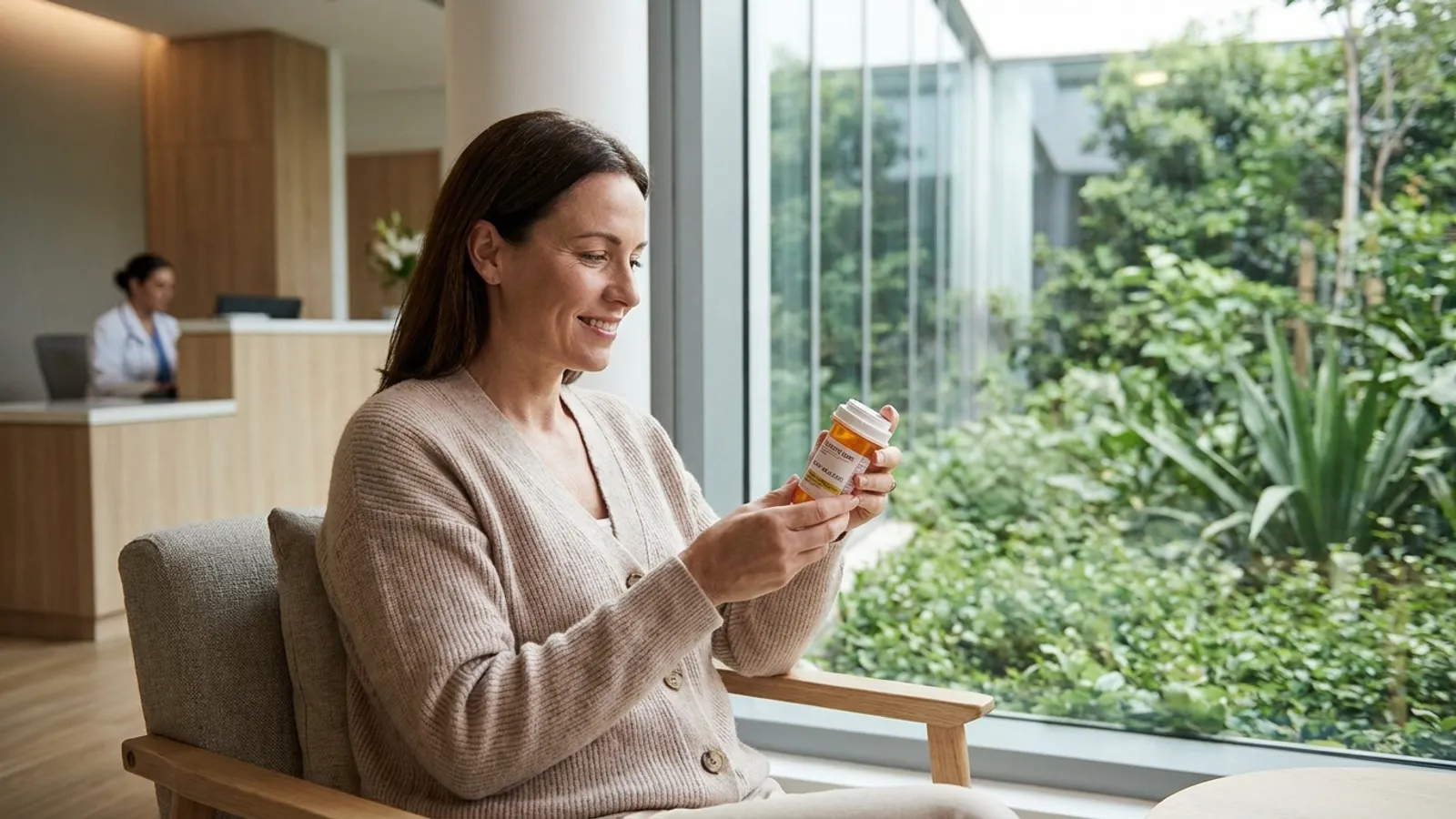
Quick Answer: The November 2026 ibuprofen recall affects a single prescription lot of 800 mg tablets (lot GS069303, expiration January 2030) distributed by Golden State Medical Supply due to surface aluminum particles. Over-the-counter formulations and unaffected prescription batches remain safe to take as directed.
Key Takeaways:
- The late-2026 recall involves only prescription-strength 800 mg tablets under lot number GS069303, distributed through McKesson.
- Foreign particulate matter on tablet surfaces prompted the voluntary withdrawal, with no adverse clinical events reported to date.
- An earlier March 2026 pediatric recall involved select liquid suspensions with concentration variances, separate from the tablet action.
- Over-the-counter 200 mg ibuprofen brands and store generics are not included in this prescription recall.
- Patients with the affected lot should stop taking the tablets and return the bottle to their dispensing pharmacy for an exchange.
A pharmaceutical recall occurs when a manufacturer removes a specific drug product from distribution because it fails to meet quality, safety, or purity standards. In 2026, targeted actions involving prescription tablets and pediatric liquid suspensions caused patient concern. Understanding which batches pose a risk clarifies which medications remain safe for daily therapeutic use.
The November 2026 Ibuprofen 800 mg Recall: What Happened?
On November 23, 2026, Golden State Medical Supply initiated a voluntary recall of one specific lot of prescription ibuprofen 800 mg tablets (lot GS069303, expiration date January 2030, distributed through McKesson) due to minute aluminum particles detected on the tablet surface. To date, regulatory monitors have received no reports of adverse medical events or injuries linked to this lot.
The voluntary ibuprofen recall 2026 action followed routine post-packaging quality checks that discovered foreign particulate matter adhering to the exterior coating of finished tablets. Golden State Medical Supply repackaged the affected batch from bulk lots and supplied it to healthcare systems, hospital pharmacies, and retail dispensaries through McKesson distribution channels.
This specific ibuprofen 800 recall involves high-dose, white, capsule-shaped prescription tablets. Physicians typically prescribe this strength for chronic inflammatory conditions, such as osteoarthritis, rheumatoid arthritis, and severe musculoskeletal pain. Because the issue stemmed from an isolated mechanical contact point during sorting and packaging, the foreign material is confined strictly to lot GS069303.
How to Check Your Bottle: Ibuprofen Recall Lot Numbers and Identification
To determine whether your medication is affected, examine the side or bottom of your prescription container for lot number GS069303 and an expiration date of 01/2030. If your bottle came from a generic repackager or arrived through McKesson distribution, check the pharmacy label or speak with your dispensing pharmacist to confirm the source batch.
Prescription containers differ from retail packaging because pharmacies frequently transfer tablets from wholesale bulk containers into standard amber vials. The vial label displays the prescription number, drug strength, dispensing date, and often the manufacturer lot number. If your amber vial omits the specific ibuprofen recall lot numbers, the original batch information remains accessible in your pharmacy dispensing records.
Patients comparing different ibuprofen recall brands can use the reference table below to distinguish the affected prescription lot from common, safe formulations:
| Medication Identifier | Status | Dosage Form & Strength | Packaging / Distribution | Action Required |
|---|---|---|---|---|
| Golden State / McKesson (Lot GS069303) | Recalled (Nov 2026) | 800 mg film-coated tablet | Amber pharmacy vials / wholesale bulk | Stop use; return to pharmacy |
| Perrigo / Generic Pediatric Suspension | Recalled (March 2026) | 100 mg per 5 mL liquid | 4 oz / 8 oz plastic bottles | Check specific lot list; return if matched |
| Standard OTC Brands (Advil, Motrin) | Not Recalled | 200 mg tablets / caplets | Original retail manufacturer bottles | Safe to use as directed |
| Standard Store Generics (CVS, Walgreens) | Not Recalled | 200 mg brown / orange tablets | Sealed over-the-counter bottles | Safe to use as directed |
| Other Prescription 600 mg / 800 mg Lots | Not Recalled | Various generic tablets | Amber pharmacy vials | Safe to use; verify lot if uncertain |
To verify your prescription at home, take the following steps:
- Inspect the printed label on your prescription bottle for the alphanumeric string "GS069303".
- Confirm whether the expiration date reads "01/2030" or "Jan 2030".
- Examine the tablet: the recalled product is an oblong, white, film-coated tablet debossed with identifying strength codes.
- Contact your pharmacy team with your prescription number if your bottle was labeled without visible manufacturer lot codes.
2026 Children's Liquid Ibuprofen Recalls: Context for Parents
The November 2026 tablet recall is distinct from the March 2026 recall affecting select lots of children's liquid ibuprofen oral suspension, which involved dissolution and concentration variances rather than foreign surface particles. Parents should review liquid pediatric suspension bottles and adult tablets independently against published manufacturer lot lists to ensure safety.
The earlier children's ibuprofen recall centered on manufacturing variances that caused active drug particles to settle unevenly in the liquid vehicle. When a suspension fails to disperse uniformly after shaking, early doses from the top of the bottle may contain less medication. Conversely, subsequent doses drawn from the bottom can deliver higher concentrations than intended.
Because pediatric dosing relies on exact weight-based measurements, concentration errors introduce risks of ineffective pain control or transient stomach upset. The children's liquid ibuprofen recall concluded after manufacturers withdrew the affected lots in spring 2026, and current store stock meets standard potency testing. Caregivers should ensure that any pediatric suspension displays uniform consistency after a brief shake and does not match previously withdrawn batch codes.
Health Risks: Particulate Ingestion and Stomach Irritation
While trace surface aluminum particles generally carry a low risk of systemic poisoning, ingesting particulate matter can cause local mechanical irritation to the mouth, esophagus, and stomach lining. Ibuprofen is a nonsteroidal anti-inflammatory drug (NSAID) known to inhibit protective gastric prostaglandins, making localized gastric irritation, nausea, or dyspepsia more noticeable if mucosal surfaces are compromised.
When foreign metal fragments touch delicate digestive tissues, the body does not absorb elemental aluminum in significant amounts. Instead, the particles pass through the gastrointestinal tract. However, sharp or irregular particulate edges may produce superficial micro-abrasions along mucosal surfaces.
NSAIDs work by blocking cyclooxygenase (COX) enzymes, which lowers inflammatory prostaglandins and thins the protective mucus layer shielding the stomach wall. Combining an abrasive physical irritant with NSAID-related acid sensitivity increases the likelihood of localized gastritis. Common signs of upper gastrointestinal irritation include:
- A burning sensation in the upper abdomen or lower chest
- Localized throat discomfort or difficulty swallowing
- Mild to moderate nausea after swallowing a dose
- Transient stomach cramps or indigestion
Systemic toxicity from single or short-term exposure to microscopic elemental aluminum particles remains highly unlikely in adults with healthy kidney function.
What to Do With Recalled Medication: Pharmacy Protocols and Disposal
If your bottle matches the recalled lot number, stop taking the medication immediately and return it to your dispensing pharmacy for a replacement or credit. Do not dispose of prescription medication down household drains or toilets unless specifically instructed by local take-back programs.
Health authorities coordinating the FDA ibuprofen recall 2026 response directed commercial distributors and community dispensaries to halt distribution of lot GS069303 and manage patient exchanges. When you bring the affected vial to the counter, pharmacy staff will verify the prescription record. They can then supply an alternative lot or an equivalent generic 800 mg tablet from an unaffected manufacturer, typically at no additional cost.
If you cannot reach your pharmacy promptly, avoid flushing the tablets into municipal water systems. The US Food and Drug Administration recommends using an authorized medicine take-back site. Alternatively, you can mix the unused tablets with an unpalatable household substance, such as used coffee grounds or cat litter, seal the mixture in a bag, and place it in your household trash.
Safe Ibuprofen Practices: Proper Dosage, Food Timing, and Doctor Consultation
Ibuprofen is best taken with food, milk, or a full glass of water to reduce stomach irritation, adhering strictly to the maximum recommended daily dose. For prescription therapy under clinical supervision, this upper limit is typically 3,200 mg daily. Patients should consult a healthcare provider promptly if they develop persistent abdominal pain, black or tarry stools, difficulty swallowing, or unexplained vomiting.
Prescription-strength ibuprofen (600 mg to 800 mg per tablet) requires strict adherence to dosing intervals, usually spaced six to eight hours apart. For over-the-counter use, healthy adults should not exceed 1,200 mg in 24 hours unless directed by a physician. Eating a light meal before taking NSAIDs buffers stomach acid and limits direct contact between the active drug and the gastric lining.
Contact a healthcare professional promptly if you experience any of the following symptoms after taking prescription medication:
- Severe, persistent abdominal cramps or sharp gastric pain
- Vomit containing blood or dark particles resembling coffee grounds
- Dark, tarry, or bloody stools indicating gastrointestinal bleeding
- Swelling of the tongue, face, or throat, or an unexplained skin rash
- New or worsening signs of kidney strain, such as decreased urine output
Frequently Asked Questions
Is there a recall on ibuprofen?
Yes, but the late-2026 recall involves only a single prescription lot of 800 mg tablets (lot GS069303) distributed by Golden State Medical Supply and McKesson. Standard over-the-counter 200 mg tablets, liquid gels, and other prescription strengths remain unaffected and safe for routine use.
Are over-the-counter 200 mg ibuprofen tablets affected by this notice?
Over-the-counter 200 mg formulations, including brand-name Advil, Motrin, and generic store-brand bottles, are unaffected by this notice. The recall strictly involves prescription 800 mg tablets repackaged by an institutional supplier and distributed through specific wholesale channels.
What should I do if I already swallowed pills from the recalled 800 mg lot?
If you have taken doses from lot GS069303 without experiencing symptoms, stop using that container and contact your pharmacy for a replacement. Because systemic toxicity from surface trace aluminum is very low, medical treatment is generally unnecessary unless you develop stomach pain, vomiting, or trouble swallowing.
Can I flush my recalled ibuprofen tablets down the toilet?
Prescription medications should not be flushed down household toilets or washed down sinks, as active compounds can contaminate local waterways and aquatic life. Instead, return the medication directly to your pharmacy's secure take-back kiosk or discard it in household trash mixed with coffee grounds inside a sealed plastic bag.
Not sure which hospital is right for your case?
Upload your medical reports and our AI will match them against the verified capabilities of every hospital in our network.
- Upload your reports (no account needed)
- Our AI matches your case with hospitals that can actually treat it
- You choose who receives your case. We present it in the hospital's own language, and the hospital replies directly to you
Free and anonymous. Your documents stay private until you decide to send them.