Selena Gomez Voice Change: What Vaping Does to Your Vocal Cords
Vaping dehydrates vocal folds and causes dysphonia. Discover how aerosol impacts voice change, whether damage is reversible, and how to heal vocal cords.

Selena Gomez Voice Change: What Vaping Does to Your Vocal Cords
Quick Answer: Inhaling heated e-cigarette aerosol exposes vocal fold tissue to dehydrating solvents and thermal irritation, leading to inflammation, hoarseness, and pitch lowering. While acute vocal changes often resolve within weeks of quitting nicotine vaping, persistent voice alterations beyond three weeks require professional evaluation by an otolaryngologist.
Key Takeaways:
- Selena Gomez publicly attributed an altered speaking voice to heavy nicotine vaping in October 2026, though she did not disclose a formal clinical diagnosis.
- E-cigarette carrier liquids, propylene glycol and vegetable glycerin, absorb moisture and dehydrate the protective mucous layer over the vocal folds.
- Chronic vaping increases mechanical vocal strain and can contribute to persistent dysphonia, vocal fatigue, and inflammatory tissue swelling.
- Most acute symptoms begin resolving within two to six weeks after complete cessation when paired with adequate hydration and vocal rest.
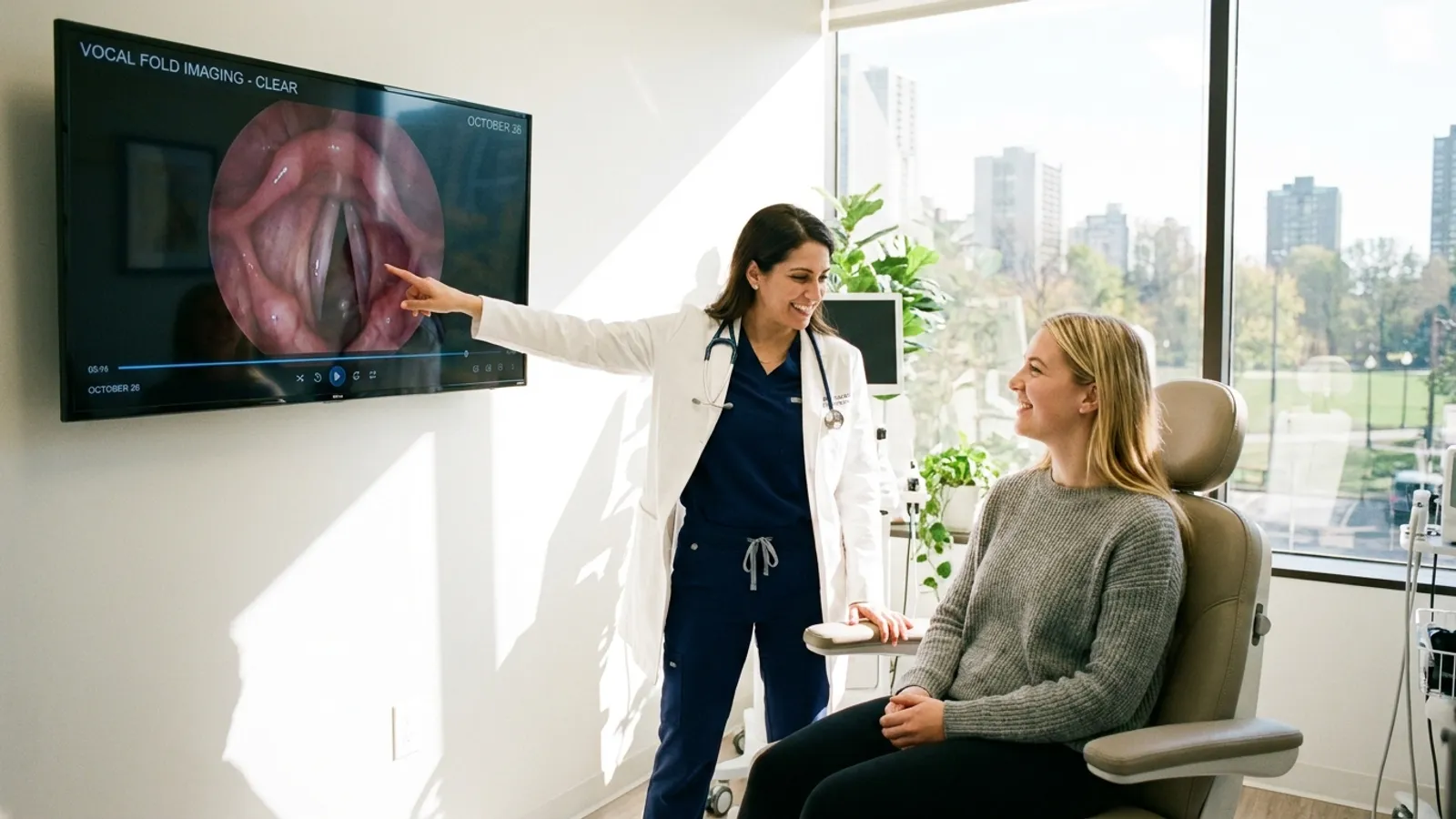
- Any hoarseness or voice alteration persisting past three weeks warrants in-office videolaryngostroboscopy by an ear, nose, and throat (ENT) specialist.
Dysphonia refers to any functional impairment or change in the sound quality, pitch, volume, or vocal effort produced by the larynx. The vocal folds, commonly called vocal cords, are two delicate, multilayered bands of smooth muscle tissue covered by a specialized mucosal lining at the top of the trachea. To generate clear speech and singing, these folds vibrate symmetrically hundreds of times per second against a lubricating layer of fluid. When inhaled thermal aerosols disrupt this fluid dynamic or inflame the mucosal tissue, voice production becomes strained, raspy, or noticeably deepened.
Selena Gomez Voice Change: What She Shared About Vaping
In October 2026, Selena Gomez stated on social media that heavy nicotine vaping altered her speaking voice, confirming she stopped vaping and warning followers that the habit is not worth the risk. She did not disclose any specific medical condition or clinical diagnosis, so clinicians view her experience as an illustrative example of how chronic inhalation of hot aerosol and nicotine can alter laryngeal function.
In her October 2026 video message, Gomez spoke frankly about her personal experience. She explained that regular e-cigarette use noticeably altered her speaking voice before she decided to quit. She explicitly advised her audience against adopting or maintaining the habit, calling the outcome "just not worth it." When public figures speak candidly about voice issues, they often prompt listeners to notice subtle changes in their own speech patterns.
Clinicians emphasize that Gomez's account reflects her personal narrative rather than a documented medical case study. Her public statements did not reference a specific diagnostic finding, such as vocal fold nodules or polyps, nor did they outline particular clinical therapies. Instead, otolaryngologists view her statement as a prominent real-world example of how respiratory irritants impact voice production. For voice professionals, singers, and everyday speakers alike, the larynx is uniquely susceptible to airborne chemicals, heat, and moisture loss.
Selena Gomez Vaping Discussion: How Aerosol Affects Laryngeal Health
Public attention around Selena Gomez vaping highlighted what voice specialists frequently see in practice: chronic aerosol inhalation introduces thermal stress, dehydrating solvents, and chemical irritants directly across the mucosal lining of the larynx. Although clinical trials in humans remain limited compared to combustible tobacco research, laboratory models confirm that e-cigarette vapor compromises epithelial integrity in the vocal tract.
Unlike combustible tobacco smoke, which contains toxic tar and carbon monoxide from combustion, e-cigarette devices use a battery-powered heating coil to atomize liquid solutions into an inhalable mist. However, the absence of combustion does not make the resulting aerosol harmless to the upper respiratory tract.
When someone draws aerosol directly across the vocal folds, localized temperature and chemical density remain at their highest point before reaching the lungs. In vitro and animal laboratory models demonstrate that exposure to aerosolized e-liquids triggers cellular oxidative stress, disrupts tight junction proteins in the respiratory epithelium, and impairs mucociliary clearance. Over time, repeated thermal exposure can cause subepithelial swelling in the true vocal folds, altering their mass and stiffness, which changes how they vibrate during speech.
Does Vaping Affect Your Voice and Laryngeal Tissue?
Vaping directly affects your voice because the primary base liquids, propylene glycol and vegetable glycerin, are hygroscopic agents that strip protective moisture from the vocal folds (true vocal cords). Inhaling these heated humectants causes mucosal drying, epithelial inflammation, and compensatory hyperfunction, which clinically manifests as hoarseness (dysphonia), a lower habitual pitch, vocal fatigue, and frequent throat clearing.
When exploring the clinical question, "does vaping affect your voice?" laryngeal physiology provides clear answers. The vocal folds rely on a micro-thin layer of superficial lamina propria and a hydrated mucous blanket to vibrate freely with minimal friction. Propylene glycol (PG) and vegetable glycerin (VG) act as humectants. When heated and aerosolized, they actively draw water out of the surrounding mucosal tissue to maintain vapor suspension. This rapid moisture loss leaves the vocal folds dry, sticky, and vulnerable to friction trauma during speech.
Nicotine introduces further complications. As a potent vasoconstrictor, nicotine temporarily reduces microvascular blood flow to the delicate laryngeal tissues, impairing their ability to repair normal micro-tears accumulated during talking. In addition, chemical flavoring agents, such as cinnamaldehyde or diacetyl substitutes, have been shown in laboratory assays to trigger local cytotoxic reactions. The combination of dryness and irritation forces speakers to exert more subglottic breath pressure to produce sound, causing vocal fatigue, throat tightness, and involuntary pitch drops.
Common vocal symptoms reported by individuals who regularly vape include:
- Persistent throat clearing caused by thick, dehydrated mucus pooling on the vocal folds.
- Chronic dry cough provoked by aerosol sensory nerve stimulation in the laryngeal mucosa.
- Vocal fatigue, characterized by a voice that weakens or tires rapidly after brief conversations.
- A lower habitual pitch or loss of the upper vocal register due to inflammatory fluid accumulation.
- Intermittent raspiness, vocal strain, or breathiness during normal speaking.
Does Vaping Damage Vocal Cords Long Term?
Vaping causes acute mucosal irritation that can progress to structural vocal fold lesions if thermal and chemical exposure continues alongside vocal strain. Chronic coughing and persistent inflammation increase the likelihood of developing vocal fold swelling (such as Reinke's edema), nodules, or vascular polyps, though long-term structural alterations depend heavily on individual susceptibility, vocal habits, and exposure duration.
Patients frequently ask: does vaping damage vocal cords long term? The answer hinges on the distinction between transient inflammation and structural changes. In the early stages of regular e-cigarette use, the vocal fold epithelium exhibits redness (erythema) and mild surface swelling. If the individual discontinues vaping, this acute reaction typically subsides without leaving lasting structural changes.
However, chronic exposure introduces cumulative mechanical and cellular trauma. When vocal folds are chronically dry and inflamed, collision forces during normal speech can traumatize the basement membrane zone. Over months or years of continuous vaping coupled with vocal strain, this phonotrauma can lead to benign vocal fold lesions:
- Vocal Fold Nodules: Bilateral, callus-like fibrous tissue formations that develop at the junction of the anterior and middle thirds of the vocal folds from repeated impact stress.
- Vocal Fold Polyps: Typically unilateral, vascular or gelatinous lesions that emerge from localized capillary leakage within the lamina propria.
- Reinke's Edema: Extensive, diffuse fluid swelling in the superficial lamina propria (Reinke's space), creating a floppy vocal fold margin that noticeably deepens speaking pitch.
- Vocal Fold Cysts: Fluid-filled sacs embedded under the mucosal lining that restrict mucosal wave propagation and cause breathiness.
While severe architectural scarring is uncommon in individuals who quit early, persistent chronic inflammation can alter voice mechanics enough to require voice therapy or microsurgical excision.
How to Heal Vocal Cords From Vaping After Quitting
Healing vocal cords after quitting vaping typically begins within several days as tissue hydration normalizes and superficial airway irritation subsides. Most individuals notice reduced throat clearing and clearer phonation within two to six weeks, supported by consistent fluid intake, steam inhalation, avoidance of throat clearing, and complete abstinence from inhaled irritants.
For those seeking practical guidance on how to heal vocal cords from vaping, recovery relies on re-establishing cellular hydration and allowing the laryngeal microenvironment to restabilize. The vocal fold mucosa has substantial regenerative capacity when freed from continuous chemical and thermal insults. Clinical voice specialists typically advise a structured recovery routine focusing on systemic and surface hydration, gentle voice usage, and the management of secondary irritants such as acid reflux (laryngopharyngeal reflux).
| Timeframe Post-Cessation | Laryngeal Tissue Status | Expected Voice Changes | Clinical Recommendations |
|---|---|---|---|
| 24 to 72 Hours | Acute thermal irritation subsides; mucosal drying begins to stabilize. | Slight reduction in airway tightness; dry cough may linger temporarily. | Increase water intake; avoid forced throat clearing. |
| 1 to 2 Weeks | Mucociliary transport begins normalizing; local epithelial inflammation drops. | Throat clearing decreases; vocal fatigue lessens during daily speech. | Use sterile saline steam inhalation; avoid shouting or whispering. |
| 3 to 6 Weeks | Superficial lamina propria rehydrates; epithelial cellular integrity restores. | Pitch stabilizes; vocal range expands; clearer tone with less raspiness. | Transition to normal vocal demands; seek speech therapy if strain persists. |
| 3+ Months | Resolution of chronic subepithelial swelling in the absence of structural lesions. | Baseline vocal clarity generally returns; stamina during prolonged talking typically normalizes. | Maintain hydration habits; schedule an ENT review if hoarseness remains. |
When Hoarseness Requires an ENT Exam and Laryngoscopy
Any unexplained hoarseness, raspiness, or pitch alteration lasting longer than three weeks requires formal evaluation by an ear, nose, and throat specialist (otolaryngologist). An in-office videolaryngostroboscopy allows the clinician to examine the vibrating mucosal edge of the vocal folds under magnification to rule out cysts, polyps, papillomas, chronic laryngitis, or neoplastic changes.
Otolaryngologists follow clinical practice guidelines establishing three weeks as the critical threshold for chronic dysphonia. While a viral upper respiratory infection or brief exposure to irritants can cause temporary laryngitis, inflammation that fails to resolve within 21 days suggests an ongoing issue that warrants direct visual inspection. Delaying professional care risks allowing early benign lesions or mucosal changes to progress.
During a comprehensive voice evaluation, an ENT physician or laryngologist uses specialized equipment to examine the larynx in real time:
- Flexible Nasolaryngoscopy: A thin, flexible fiberoptic camera passed gently through the nasal passage to examine laryngeal architecture and vocal fold motion during breathing and spontaneous speech.
- Videolaryngostroboscopy: Endoscopy combined with synchronized flashing strobe light to slow the perceived high-speed vibration of the vocal folds, permitting the clinician to evaluate mucosal wave symmetry, amplitude, and closure.
- Acoustic and Aerodynamic Assessment: Objective measurements recorded by a speech-language pathologist to quantify pitch stability, vocal range, subglottic air pressure, and airflow rates during sound production.
Risks and Clinical Complications of Unchecked Vocal Cord Irritation
Chronic vocal fold irritation from unchecked e-cigarette aerosol exposure carries clinical risks ranging from persistent phonotraumatic lesions to prolonged voice fatigue and secondary muscle tension dysphonia. Left unmanaged, continuous laryngeal inflammation can alter habitual speaking patterns over the long term, compromise upper vocal range, and worsen underlying gastroesophageal reflux.
When mucosal irritation persists, individuals often adapt their speaking patterns unconsciously to push through hoarseness. This compensatory behavior frequently develops into muscle tension dysphonia (MTD), a functional voice disorder where extrinsic laryngeal muscles contract excessively during speech, leading to vocal tract strain, pain, and voice fatigue.
Furthermore, aerosolized e-liquids and nicotine can worsen laryngopharyngeal reflux (LPR). Nicotine relaxes the esophageal sphincters, allowing gastric juices to travel upward into the posterior larynx. This "silent reflux" coats the already irritated vocal fold margins in gastric acid and pepsin, creating a compounding cycle of chronic chemical irritation, tissue swelling, and delayed healing.
Warning symptoms that require prompt medical evaluation rather than elective voice consultations include:
- Difficulty breathing, stridor (high-pitched sound during inhalation), or persistent shortness of breath.
- Sudden loss of voice (aphonia) accompanied by acute pain or trauma.
- Coughing up blood or blood-tinged sputum (hemoptysis).
- Difficulty swallowing (dysphagia) or painful swallowing (odynophagia).
- A persistent, palpable lump in the neck or throat area.
How to Quit Vaping Using Evidence-Based Strategies
Quitting nicotine vaping successfully combines behavioral coping tools with medical cessation support. Structured approaches include tapering nicotine concentrations, using regulated nicotine replacement therapies like patches or lozenges under medical guidance, engaging in cognitive behavioral strategies to interrupt hand-to-mouth habits, and seeking guidance from certified cessation counselors.
Transitioning away from e-cigarettes requires a clear roadmap for how to quit vaping that addresses both physical dependency and tactile behavioral habits. E-cigarette formulations, particularly those using protonated nicotine salts, deliver rapid nicotine spikes to the brain, producing substantial neurochemical dependence. Abrupt cessation can trigger withdrawal symptoms, including irritability, cravings, headaches, and increased throat clearing as the airway clears accumulated residue.
To maximize success rates, clinical guidelines recommend a multimodal cessation approach:
- Nicotine Replacement Therapy (NRT): Over-the-counter transdermal nicotine patches provide a steady baseline level of nicotine to prevent acute withdrawal, while short-acting forms such as nicotine gum or lozenges manage sudden behavioral cravings.
- Prescription Pharmacotherapy: Non-nicotine oral medications such as varenicline or bupropion, prescribed by a healthcare provider, target brain neurotransmitter pathways to reduce nicotine cravings and blunt the rewarding sensations of vaping.
- Behavioral Habit Modification: Identifying primary triggers (such as driving, working at a computer, or social gatherings) allows individuals to substitute oral alternatives like chewing gum, sipping water through a straw, or using a toothpick to satisfy the hand-to-mouth reflex.
- Gradual Nicotine Tapering: For individuals using refillable tank systems, systematically reducing e-liquid nicotine concentrations (for example, stepping down from 20 mg/mL to 10 mg/mL, then 3 mg/mL, and finally 0 mg/mL) over several weeks can ease physical withdrawal before tackling the behavioral habit.
- Professional Support Programs: Working with certified tobacco cessation specialists, telephone quitlines, or structured digital cessation applications provides accountability and evidence-based relapse prevention counseling.
Frequently Asked Questions
What happened to Selena Gomez's voice?
In October 2026, Selena Gomez shared that heavy nicotine vaping altered her speaking voice, prompting her to quit the habit entirely. She did not describe a formal diagnosis, and voice clinicians attribute such alterations to the known dehydrating and inflammatory effects of hot e-cigarette aerosol on the vocal folds.
Can your voice return to normal after quitting vaping?
Most individuals experience a substantial recovery in vocal clarity, pitch stability, and vocal stamina within two to eight weeks after stopping vaping. However, complete restoration depends on the absence of structural lesions like nodules or polyps, which may require specialized voice therapy or clinical intervention.
Does switching to nicotine-free vape juice protect the vocal cords?
Nicotine-free vape liquids do not protect vocal cords from irritation because the base solvents, propylene glycol and vegetable glycerin, remain hygroscopic and thermally irritative. Inhaling heated solvent aerosols and flavoring chemicals still dries out the mucosal blanket and causes localized vocal fold inflammation.
What should you do if your voice remains hoarse after three weeks?
If hoarseness persists beyond three weeks, you should schedule a comprehensive evaluation with an ear, nose, and throat specialist (otolaryngologist). The specialist will perform a videolaryngostroboscopy to examine vocal fold mucosal wave motion and rule out structural or neoplastic pathology.
Not sure which hospital is right for your case?
Upload your medical reports and our AI will match them against the verified capabilities of every hospital in our network.
- Upload your reports (no account needed)
- Our AI matches your case with hospitals that can actually treat it
- You choose who receives your case. We present it in the hospital’s own language, and the hospital replies directly to you
Free and anonymous. Your documents stay private until you decide to send them.