Tea and Heart Health: What the 485,000-Person Study Found About Daily Tea
Regular tea consumption is linked to an 11% lower cardiovascular disease risk. Learn how black and green tea affect blood pressure and arterial health.


Tea and Heart Health: What the 485,000-Person Study Found About Daily Tea
Quick Answer: Recent clinical research associates Some observational studies suggest that regular, moderate tea consumption may be associated with a reduced risk of cardiovascular events, though individual outcomes vary, with black tea showing particularly consistent protective associations. However, ÖNERİ: Research indicates that consuming beverages at scalding temperatures above 65°C (149°F) may increase the risk of mucosal injury and counteract potential vascular benefits.
Key Takeaways:
- A 2026 cohort study of 485,934 adults linked regular tea consumption to an 11% lower risk of cardiovascular disease over nine years of follow-up.
- Black tea showed the most consistent protective association against vascular events, while green tea provides catechins that support endothelial dilation.
- Brewing tea to moderate strength yields more favorable vascular associations than very weak or overly concentrated infusions.
- Drinking tea at scalding temperatures above 65°C (149°F) was tied to a 16% higher risk of adverse vascular and mucosal events.
- Tea serves as a supportive dietary component that complements, but never replaces, prescribed cardiac medications and healthy lifestyle habits.
The relationship between tea and heart health centers on how dietary polyphenols, naturally occurring bioactive compounds found in the leaves of Camellia sinensis, interact with the vascular endothelium, lipid profiles, and inflammatory pathways. As one of the most widely consumed beverages in the world, tea delivers concentrated doses of catechins, theaflavins, and other flavonoids that help maintain arterial elasticity and healthy vascular tone.
What the 485,000-Person Study Reveals About Daily Tea Consumption
In an October 2026 prospective cohort study published in the Journal of Internal Medicine examining 485,934 adults over nine years, regular tea drinkers had an 11% lower risk of cardiovascular disease compared to non-drinkers.
The investigation tracked adult participants across multiple regions, assessing self-reported drinking frequency, brewing habits, and primary vascular endpoints, including ischemic heart disease and stroke. Habitual daily tea drinkers experienced fewer major adverse cardiovascular events than those who rarely or never drank tea.
The researchers also observed a clear dose-response pattern related to infusion strength. Participants who prepared moderate-strength infusions exhibited the lowest relative hazard ratios. Weak infusions showed minimal cardiovascular associations, while extremely strong, astringent brews conferred no additional protective benefit.
Because this study used an observational cohort design, residual confounding factors cannot be ruled out completely. Regular tea drinkers often practice other health-conscious habits, such as eating balanced diets, staying physically active, and avoiding tobacco. Although the authors adjusted for major socioeconomic and lifestyle variables, the results reflect an epidemiological association rather than clinical proof of direct cause and effect.
Black Tea vs. Green Tea: Which Brew Offers Stronger Heart Protection?
Both black and green tea provide cardioprotective polyphenols, but the 2026 cohort data identified the most consistent vascular risk reduction among daily black tea drinkers, whose theaflavins and thearubigins support endothelial dilation alongside green tea's well-studied epigallocatechin gallate (EGCG).
The biochemical differences between the two varieties develop during leaf processing. Green tea leaves undergo rapid steaming or pan-firing to stop enzymatic oxidation, preserving high concentrations of monomeric catechins, particularly EGCG. Black tea leaves undergo full enzymatic oxidation, converting catechins into complex, higher-molecular-weight polyphenols known as theaflavins and thearubigins.
When comparing black tea vs green tea for heart protection, clinical trials show that both varieties support antioxidant defenses through distinct yet complementary mechanisms. Drinking black tea for heart health has been linked to improved vascular elasticity after meals and modest reductions in low-density lipoprotein (LDL) particles. Meanwhile, green tea consistently helps reduce systemic markers of oxidative stress and improves microvascular reactivity.
Herbal infusions from outside the Camellia family also offer targeted nutritional advantages. Research into the benefits of hibiscus tea, for instance, shows that its anthocyanin content helps inhibit angiotensin-converting enzyme (ACE) activity, offering a caffeine-free option to help support healthy blood pressure.
| Tea Type | Primary Polyphenols | Oxidation Level | Key Cardiovascular Impact |
|---|---|---|---|
| Black Tea | Theaflavins, thearubigins | Fully oxidized | Endothelial dilation, modest LDL-C support |
| Green Tea | EGCG, epicatechins | Unoxidized (steamed/fired) | Microvascular function, lower oxidative stress |
| Oolong Tea | Theasinensins, mixed catechins | Partially oxidized | Intermediate metabolic and lipid support |
| Hibiscus (Herbal) | Anthocyanins, organic acids | None (herbal infusion) | Reduced vascular resistance, modest BP support |
How Tea Flavonoids Influence Blood Pressure and Arterial Health
Tea flavonoids support cardiovascular function by enhancing nitric oxide production in the vascular endothelium, promoting arterial relaxation, modest blood pressure reductions, and resistance against low-density lipoprotein (LDL) oxidation.
The endothelium, the single layer of cells lining blood vessels, regulates vascular tone by producing endothelial nitric oxide (eNOS). Flavonoids, particularly the catechins extracted when drinking green tea for heart health, stimulate eNOS activity. This enzymatic process increases nitric oxide release, relaxing vascular smooth muscle cells and reducing arterial stiffness.
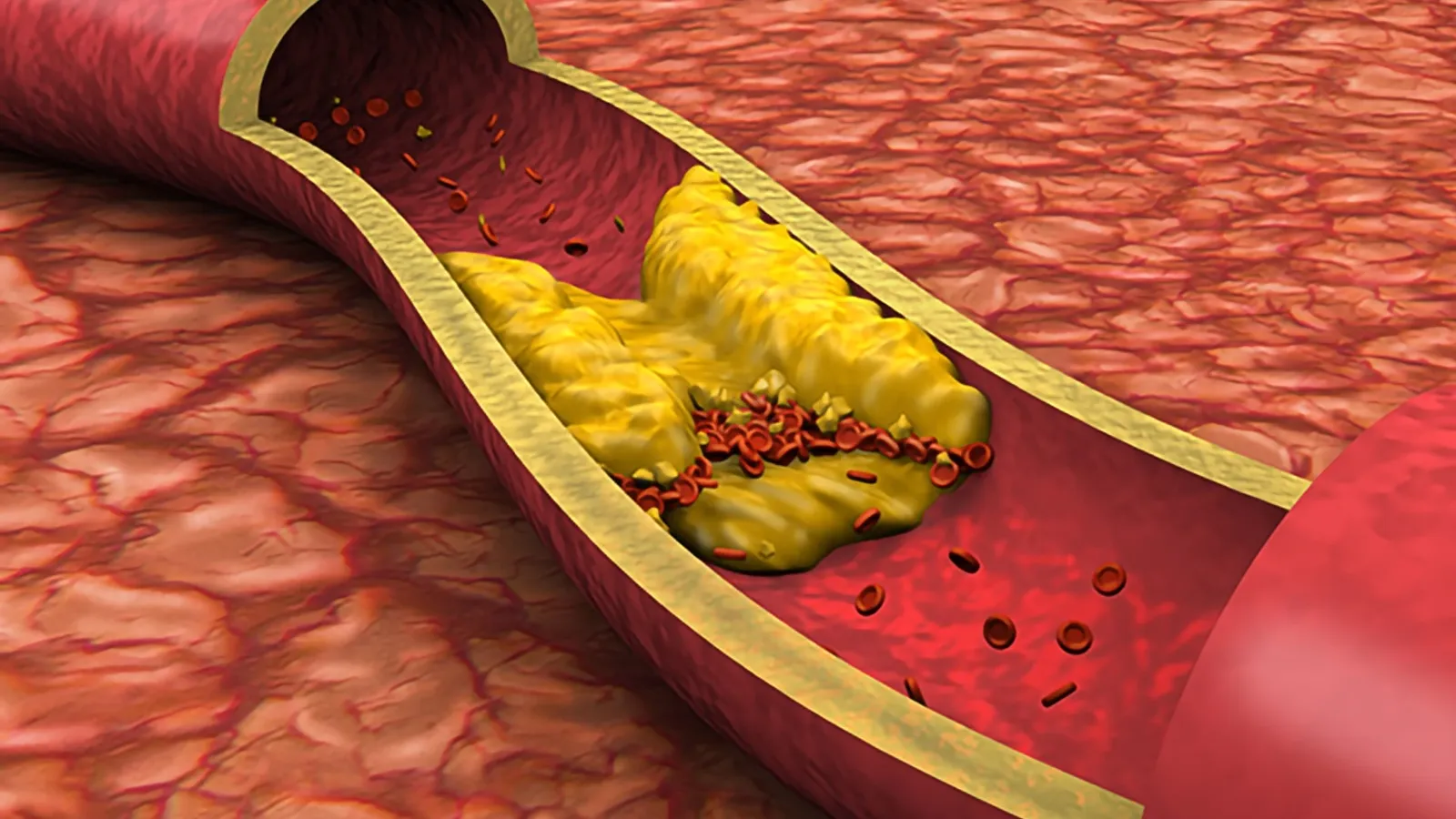
In addition to encouraging vasodilation, tea polyphenols help protect LDL particles from oxidative damage. Oxidized LDL triggers inflammatory reactions inside arterial walls, promoting macrophage recruitment, foam cell accumulation, and atherosclerotic plaque progression. By neutralizing free radicals and binding transition metal ions, tea catechins help slow this inflammatory cascade.
When consumed alongside other foods that lower blood pressure, habitual tea intake helps preserve arterial elasticity over time and limits age-related increases in arterial stiffness.
The Danger of Scalding Brews: Why Drinking Temperature Matters
Drinking tea at scalding temperatures above 65°C (149°F) was associated with a 16% higher risk of vascular and mucosal complications in the cohort, showing that thermal injury can cancel out the beverage's antioxidant benefits.
This elevated risk stems from repeated thermal injury. Liquids consumed at extreme temperatures burn the mucosal lining of the throat and esophagus. This injury triggers acute inflammation, local histamine release, and repeated cellular repair cycles. Over time, chronic mucosal irritation can raise systemic inflammatory markers such as C-reactive protein (CRP), countering the mild anti-inflammatory effects of dietary flavonoids.
Extreme heat can also stimulate autonomic stress responses, causing sudden surges in sympathetic tone that raise peripheral vascular resistance and cause transient blood pressure spikes. To avoid these hot tea health risks, clinicians recommend brewing tea with hot water, letting it steep, and waiting five to ten minutes until the liquid cools below 60°C (140°F) before drinking.
Milk, Sweeteners, and Caffeine: How Common Additions Alter Heart Benefits
Adding whole milk can partially bind tea polyphenols and reduce their bioavailability, while refined sugars introduce metabolic risks that counteract vascular benefits; caffeine remains well tolerated in moderate amounts of two to four cups daily for most adults without arrhythmias.
When dairy milk is added to hot tea, milk proteins, especially caseins, bind to catechins and theaflavins. Clinical studies evaluating antioxidant capacity after tea consumption suggest that casein binding slows or diminishes the total absorption of bioactive flavonoids, muting their acute positive effect on flow-mediated dilation. While unflavored plant milks like soy or almond show lower protein-binding affinity, drinking tea plain allows for optimal polyphenol absorption.
Adding table sugar or sweetened syrups creates clear cardiovascular risks. Regular consumption of sugar-sweetened drinks promotes liver fat accumulation, increases visceral fat, and worsens insulin resistance. These metabolic changes quickly offset the modest vascular advantages gained from tea polyphenols.
Caffeine content is another practical factor. An 8-ounce cup of black tea provides roughly 40 to 70 milligrams of caffeine, while green tea contains 25 to 45 milligrams. For individuals with a healthy baseline cardiovascular system, this mild intake does not disrupt a normal heart rate, which typically falls between 60 and 100 beats per minute at rest. Major professional bodies, including the American Heart Association, indicate that moderate daily caffeine intake (up to 400 milligrams from all sources) is generally safe for non-pregnant adults and does not increase coronary risk.
Evidence-Based Brewing: How to Incorporate Tea into Heart-Smart Living
To maximize vascular benefits safely, brew tea to moderate strength, allow it to cool for at least five minutes before drinking, avoid added sugars, and treat tea as a supportive dietary habit rather than a substitute for medical therapy.
Choosing the best tea for heart health depends on individual health goals, caffeine tolerance, and medical history. Patients managing borderline cholesterol levels may prefer daily black tea, whereas those looking to support microvascular reactivity and cellular antioxidant defense often choose green tea. Pairing these beverages with balanced dietary patterns, such as the Mediterranean or DASH diet containing foods to lower blood pressure, produces complementary vascular benefits.
Following simple preparation guidelines helps extract active compounds while preserving flavor:
- Green Tea: Steep for two to three minutes in hot water (75°C to 80°C / 167°F to 176°F) to avoid bitterness and protect heat-sensitive catechins.
- Black Tea: Steep for three to five minutes in freshly boiled water (90°C to 95°C / 194°F to 203°F) to extract theaflavins effectively.
- Cooling Period: Let the brewed cup sit uncovered for five to seven minutes until it reaches a comfortable, non-scalding drinking temperature below 60°C (140°F).
- Daily Intake: Aim for two to four standard cups daily, adjusting downward if sleep disruption or caffeine sensitivity occurs.
Clinical Risks, Medication Interactions, and Warning Signs
While tea is a safe, health-supportive beverage for most individuals, excessive intake or specific medical conditions introduce risks that require clinical caution.
Large volumes of strong tea can affect medication efficacy and nutrient absorption:
- Anticoagulant Interactions: Green tea contains variable amounts of vitamin K, which can decrease the therapeutic effect of warfarin. Patients taking warfarin should maintain a consistent daily intake of green tea rather than making sudden changes.
- Non-Heme Iron Absorption: The tannins in strong tea bind non-heme iron in the digestive tract, lowering iron absorption by up to 60%. Individuals with iron-deficiency anemia should avoid drinking tea directly with meals.
- Cardiac Arrhythmias: High caffeine intake from concentrated brews can trigger palpitations, premature ventricular contractions, or worsen supraventricular arrhythmias in sensitive individuals.
A beverage alone cannot treat acute or unstable cardiac symptoms. Patients who experience sudden warning signs, such as acute chest tightness, pain radiating to the jaw or arm, unexplained shortness of breath, sudden lightheadedness, or fainting, must seek immediate emergency medical care rather than relying on dietary measures.
Frequently Asked Questions
Does tea lower heart disease risk?
Observational studies link habitual tea drinking to an 11% to 15% lower risk of cardiovascular disease and ischemic stroke. However, tea acts as a supportive lifestyle factor rather than a direct treatment, meaning it complements standard preventive cardiology rather than replacing it.
How to lower blood pressure?
Blood pressure can be managed by adopting eating plans rich in potassium, magnesium, and dietary fiber, such as the DASH dietary framework. Combining regular aerobic exercise, sodium restriction under 2,000 milligrams daily, and unsweetened beverages like green or hibiscus tea helps improve arterial flexibility and support healthy blood pressure readings.
Does green tea have caffeine?
Yes, a standard 8-ounce cup of brewed green tea contains approximately 25 to 45 milligrams of caffeine, roughly half the amount found in an equivalent serving of brewed coffee. Individuals sensitive to stimulants or prone to sleep disturbances should consider decaffeinated options or switch to herbal infusions in the afternoon and evening.
Is green tea good for you?
Green tea is a nutrient-dense beverage that supplies antioxidants, promotes endothelial function, and supports metabolic health for most individuals. However, concentrated extracts or heavy consumption can interact with certain prescription heart medications, including beta-blockers such as nadolol and anticoagulants like warfarin, so patients taking these drugs should confirm their daily intake with their doctor.
Not sure which hospital is right for your case?
Upload your medical reports and our AI will match them against the verified capabilities of every hospital in our network.
- Upload your reports (no account needed)
- Our AI matches your case with hospitals that can actually treat it
- You choose who receives your case. We present it in the hospital’s own language, and the hospital replies directly to you
Free and anonymous. Your documents stay private until you decide to send them.