Stent vs Bypass Surgery: Choosing the Right Treatment for Coronary Artery Disease
Stents provide rapid recovery for focal arterial blockages, while bypass surgery offers durable outcomes for complex multi-vessel coronary disease.


Stent vs Bypass Surgery: Choosing the Right Treatment for Coronary Artery Disease
Quick Answer: The decision between a coronary stent (PCI) and bypass surgery (CABG) depends primarily on anatomical complexity, the number of narrowed arteries, and underlying conditions such as diabetes. While stenting provides a minimally invasive catheter-based recovery, bypass surgery offers durable long-term protection against repeat interventions in extensive multi-vessel disease.
Key Takeaways:
- Interventional cardiologists and cardiothoracic surgeons collaborate as a multidisciplinary Heart Team to evaluate revascularization options using objective diagnostic tools such as the SYNTAX score.
- Percutaneous coronary intervention (PCI) with drug-eluting stents restores blood flow through a minimally invasive wrist or groin puncture, requiring 1 to 2 days of hospitalization.
- Coronary artery bypass grafting (CABG) reroutes arterial blood around blockages using harvested vessels, remaining the clinical standard for severe left main or three-vessel disease.
- Post-procedure medication regimens differ: stenting requires mandatory dual antiplatelet therapy (DAPT) for 6 to 12 months, whereas bypass surgery focuses on long-term graft protection and systemic vascular management.
- Traveling abroad for scheduled cardiac care requires stabilization, strict flight clearance timelines, and thorough evaluation of hospital accreditations like Joint Commission International (JCI).
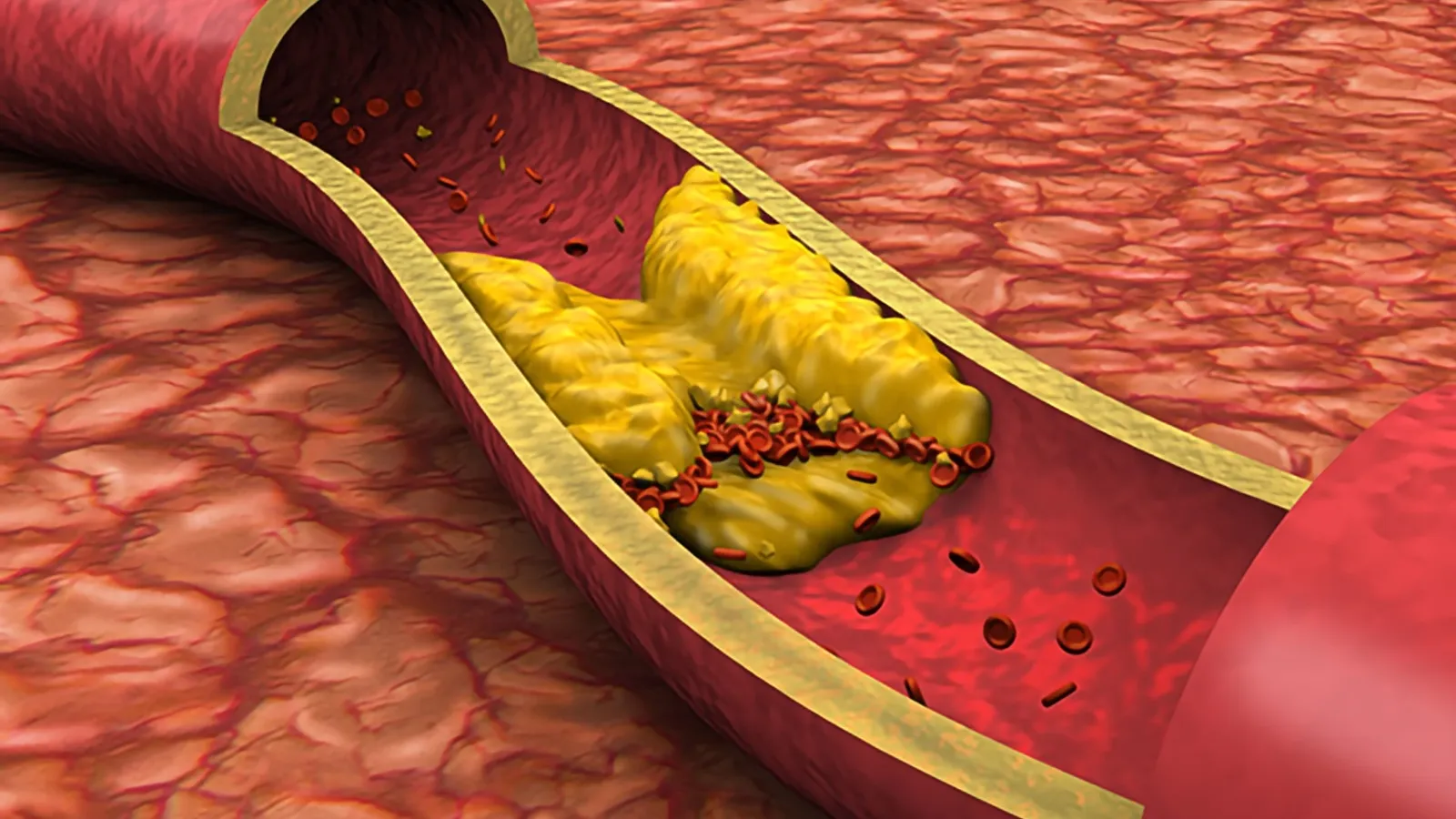
Coronary revascularization is the restoration of adequate blood supply to ischemic myocardium through either percutaneous intervention or surgical bypass. When fatty deposits, cholesterol, and inflammatory cellular waste narrow the coronary arteries, heart tissue becomes deprived of oxygen, leading to stable angina, acute coronary syndromes, or heart failure. Patients facing this clinical crossroads must weigh procedural invasiveness against long-term anatomical durability alongside their physician team.
Clinical Notice: Severe, acute chest pain, shortness of breath at rest, or radiating discomfort to the jaw and left arm signal potential acute myocardial infarction. Patients experiencing these acute warning signs must seek emergency local medical care immediately. Medical travel and elective cross-border consultations apply solely to clinically stable patients seeking planned revascularization or structured second opinions.
Stent vs Bypass Surgery: How Doctors Decide the Right Revascularization Path
The choice between coronary stenting and bypass surgery rests on coronary anatomy complexity, diabetes status, and heart function, evaluated systematically using tools like the SYNTAX score by a multidisciplinary heart team comprising interventional cardiologists and cardiac surgeons.
Clinical pathways generally follow this diagnostic sequence:
- Diagnostic Coronary Angiography: Evaluates anatomical blockages, vessel diameter, and blood flow.
- Multidisciplinary Heart Team Review: Interventional cardiologists and cardiac surgeons evaluate the angiographic findings together.
- Complexity Assessment:
- Low Complexity (single- or double-vessel disease): Percutaneous coronary intervention (PCI) with stenting is frequently indicated.
- High Complexity (three-vessel disease, left main stem disease, or coexisting diabetes): Coronary artery bypass grafting (CABG) is often favored.
The Heart Team approach represents the standard of care in contemporary cardiac decision-making. Rather than leaving the choice solely to the specialist who performs the initial heart catheterization, treatment plans emerge from joint case conferences. These meetings weigh diagnostic angiograms, echocardiograms, and hemodynamic assessments against validated clinical risk scores. Guidelines issued by major cardiology associations recommend this collaborative approach for complex coronary anatomy.
Two primary risk-stratification instruments guide these discussions:
- The SYNTAX Score: An angiographic grading tool that evaluates the number, location, calcification, bifurcation involvement, and tortuosity of coronary lesions. Scores of 0 to 22 reflect low anatomical complexity where PCI yields outcomes comparable to surgery. Scores of 23 to 32 represent intermediate complexity, where clinical factors dictate choice. Scores of 33 and higher consistently favor CABG to reduce major adverse cardiac and cerebrovascular events.
- The STS Score and EuroSCORE II: Clinical scoring algorithms that calculate predicted 30-day operative mortality based on patient age, renal function, chronic obstructive pulmonary disease (COPD), prior stroke, peripheral vascular disease, and left ventricular ejection fraction (LVEF).
Patient-specific physiology alters the scale. For patients with diabetes mellitus and multi-vessel disease, clinical trials have repeatedly shown that bypass surgery delivers higher survival rates and lower rates of repeat revascularization compared to stents. In contrast, for older adult patients with significant frailty, severe liver disease, or advanced lung disease, the physical stress of open thoracic surgery often outweighs its durability advantages, making percutaneous stenting the safer therapeutic alternative.
Understanding Percutaneous Coronary Intervention: What Is a Coronary Stent?
A coronary stent is an expandable mesh tube inserted via catheter through the groin or wrist into a narrowed heart artery following balloon dilation (PTCA) to mechanically restore blood flow under local anesthesia and light sedation.
Historically known as percutaneous transluminal coronary angioplasty (PTCA), this catheter-based procedure has evolved significantly over four decades:
- Access and Navigation: Under fluoroscopic X-ray guidance, an interventional cardiologist introduces a sheath into the radial artery (wrist) or femoral artery (groin) during a diagnostic heart catheterization. A micro-guidewire advances through the arterial tree into the coronary circulation.
- Balloon Angioplasty: The physician advances an uninflated miniature balloon over the wire to the site of plaque accumulation. Inflating the balloon compresses the atheroma against the arterial wall, widening the lumen.
- Stent Deployment: An expandable metallic scaffold (heart stent), mounted in a crimped state over an angioplasty balloon, expands within the dilated artery. The balloon deflates and withdraws, leaving the stent embedded in the arterial intima.
- Scaffolding and Healing: Over the following weeks and months, vascular endothelial cells grow over the metal struts (endothelialization), incorporating the device securely into the arterial wall.
Modern interventional cardiology relies almost exclusively on drug-eluting stents (DES). Unlike early bare-metal stents (BMS), which suffered from high rates of in-stent restenosis due to excessive scar tissue formation (neointimal hyperplasia), drug-eluting stents continuously release antiproliferative medications, such as everolimus, zotarolimus, or sirolimus, from a biocompatible polymer coating. This controlled drug delivery lowers the rate of vessel re-narrowing to under 5% to 10% in most standard lesions.
Undergoing coronary stenting avoids general anesthesia, mechanical ventilation, and surgical incisions. However, it requires uninterrupted adherence to dual antiplatelet therapy (DAPT), typically aspirin combined with an ADP receptor inhibitor such as clopidogrel, ticagrelor, or prasugrel, to prevent sudden in-stent thrombosis before endothelial coverage is complete.
How Coronary Artery Bypass Grafting Works: The Heart Operation Bypass Surgery
Coronary artery bypass graft (CABG) surgery reroutes blood flow around severely obstructed coronary arteries by harvesting healthy vessels, commonly the internal mammary artery or saphenous vein, and grafting them directly to the heart muscle under general anesthesia.
Rather than unblocking the narrowed segment from the inside, the heart operation bypass surgery constructs a physical detour. The surgeon creates a new vascular conduit originating from an oxygenated inflow source and connects it distal to the obstruction, restoring blood perfusion to ischemic territories.
Common vascular graft configurations include:
- Left Internal Mammary Artery (LIMA): Originates from the left subclavian artery and is grafted directly to the left anterior descending (LAD) artery beyond the obstruction.
- Saphenous Vein Graft (SVG): Originates at the ascending aorta and bridges blood flow distally to the right coronary artery or circumflex branches past the stenosis.
Surgical conduits are harvested from specific anatomical regions based on durability and clinical suitability:
- Left Internal Mammary Artery (LIMA): Located inside the chest wall adjacent to the sternum, the LIMA is the primary graft of choice. Because it originates directly from the left subclavian artery, its proximal end remains untouched while its distal end connects to the left anterior descending (LAD) artery. The LIMA features an endothelial structure that resists atherosclerosis, yielding reported 10-year patency rates exceeding 90%.
- Right Internal Mammary Artery (RIMA): Frequently used alongside the LIMA in bilateral internal thoracic artery (BITA) grafting to create complete arterial revascularization, particularly in younger patients.
- Great Saphenous Vein (GSV): Harvested from the leg via traditional incisions or endoscopic vein harvesting (EVH). One end attaches to the ascending aorta (proximal anastomosis) and the other to the target coronary artery (distal anastomosis). While versatile, saphenous vein grafts are more susceptible to vein graft atherosclerosis, with approximately 50% remaining open at 10 to 15 years.
- Radial Artery: Harvested from the non-dominant forearm after verifying collateral flow through the ulnar artery using an Allen test. It provides an arterial conduit with patency rates superior to vein grafts, though it is sensitive to vascular spasms that require calcium channel blocker management.
By placing graft connections beyond diseased arterial segments, bypass surgery protects myocardium not only against current focal obstructions but also against future plaque ruptures occurring upstream in the native vessel.
Key Clinical Criteria: When Is a Stent Preferred Over Bypass Surgery?
Stents are typically favored for single-vessel disease, acute heart attacks requiring rapid restoration of perfusion, or patients whose surgical risk is elevated due to age or pulmonary comorbidities, whereas multi-vessel blockages and diabetes often favor bypass surgery.
Clinical guidelines from the American College of Cardiology (ACC), American Heart Association (AHA), and European Society of Cardiology (ESC) establish distinct categories where one intervention demonstrates clear therapeutic superiority.
Clinical Scenarios Favoring Stent Placement (PCI)
- Acute ST-Elevation Myocardial Infarction (STEMI): Emergency angioplasty and stenting represent the worldwide standard of care. Restoring blood flow through a blocked vessel within a 90-minute "door-to-balloon" window minimizes irreversible myocardial damage.
- Single- or Two-Vessel Disease (Without Proximal LAD Involvement): Isolated narrowings in the circumflex or right coronary artery provide significant symptom relief through PCI without the surgical burden of sternotomy.
- High Surgical Risk Profiles: Patients with advanced age (frequently over 80), severe porcelain aorta (extensive calcification precluding surgical clamping), end-stage renal disease, or severe respiratory impairment where general anesthesia and sternotomy carry prohibitive mortality risks.
- Inability to Complete Postoperative Rehab: Individuals with severe neurological or musculoskeletal limitations who cannot safely navigate the physical rehabilitation required after major open surgery.
Clinical Scenarios Favoring Bypass Surgery (CABG)
- Left Main Coronary Artery Stenosis: Obstruction of the left main artery threatens over 70% of the heart's total blood supply. Unless anatomical complexity is exceptionally low (SYNTAX score under 22), CABG provides a greater survival benefit.
- Three-Vessel Coronary Artery Disease: Diffuse, calcified multi-vessel narrowings respond with greater long-term stability to surgical bypass, demonstrating lower rates of myocardial infarction over 5- to 10-year follow-up windows.
- Coexisting Diabetes Mellitus with Multi-Vessel Disease: Diabetic patients display generalized, aggressive microvascular disease. Clinical trials have consistently demonstrated a meaningful long-term survival advantage and reduced repeat interventions with CABG over drug-eluting stents in this cohort.
- Concomitant Valve Disease or Aneurysm: When a patient requires surgical aortic valve replacement, mitral repair, or left ventricular aneurysm reconstruction, bypass grafting addresses the coronary disease during the same open surgical session.
Surgical Approaches: Types and Procedure for Bypass Heart Surgery
Modern bypass procedures encompass traditional on-pump open-chest surgery, beating-heart off-pump surgery (OPCAB), and minimally invasive direct coronary artery bypass (MIDCAB), each selected based on coronary architecture and individual vascular health.
Cardiothoracic surgical teams select among distinct technical approaches depending on the patient's calcification levels, target vessel locations, and systemic risk factors:
- Traditional CABG: Median sternotomy with cardiopulmonary bypass (heart-lung machine) and temporary cardiac arrest.
- Off-Pump CABG (OPCAB): Median sternotomy performed on a beating heart using vacuum stabilizers, avoiding cardiopulmonary bypass.
- Minimally Invasive CABG (MIDCAB): Left mini-thoracotomy performed on a beating heart, focused on single or double anterior grafts.
1. Traditional On-Pump Coronary Artery Bypass
Traditional CABG remains the most widely practiced technique. The surgeon gains access via a median sternotomy (dividing the breastbone). The patient's circulation connects to a cardiopulmonary bypass (CPB) machine, the heart-lung machine, which oxygenates and pumps blood throughout the body. A cardioplegic solution temporarily arrests the heart, creating a motionless, bloodless operative field that allows the surgeon to hand-sew microscopic vascular sutures (often 1 to 2 millimeters in diameter) with millimeter precision. Once anastomoses are secure, the heart restarts, the patient weans off the bypass pump, and the sternum closes with stainless steel wires.
2. Off-Pump Coronary Artery Bypass (OPCAB)
Often termed "beating-heart surgery," OPCAB avoids the heart-lung machine. The surgeon works through a standard sternotomy, using specialized mechanical suction stabilizers to isolate and steady the target coronary segment while the rest of the heart continues pumping blood to the body. This approach minimizes the systemic inflammatory response, fluid shifts, and micro-embolization risks associated with cardiopulmonary bypass circuits. It is particularly valuable for patients with severe aortic atherosclerosis, prior strokes, or moderate renal impairment.
3. Minimally Invasive Direct Coronary Artery Bypass (MIDCAB)
MIDCAB eliminates median sternotomy entirely. Through a 5- to 8-centimeter left anterior mini-thoracotomy incision between the ribs, the surgical team harvests the LIMA under direct or thoracoscopic visualization. The graft connects to the LAD artery on a beating heart using specialized stabilizers. While MIDCAB significantly shortens recovery times and reduces infection risk, it is primarily limited to single-vessel disease involving the LAD, or utilized within "hybrid revascularization" protocols (where MIDCAB handles the LAD and subsequent stenting addresses circumflex or right coronary lesions).
| Feature | Conventional On-Pump CABG | Off-Pump CABG (OPCAB) | Minimally Invasive CABG (MIDCAB) | Percutaneous Stenting (PCI) |
|---|---|---|---|---|
| Anesthesia | General | General | General | Local + Sedation |
| Incision Type | Full Sternotomy (~20 cm) | Full Sternotomy (~20 cm) | Left Mini-Thoracotomy (5-8 cm) | Puncture (Radial or Femoral) |
| Heart-Lung Machine | Yes (Arrested heart) | No (Beating heart) | No (Beating heart) | No |
| ICU Stay | 1 to 2 days | 1 to 2 days | 1 day | None (or Step-down 6 hrs) |
| Total Hospital Stay | 5 to 7 days | 4 to 6 days | 3 to 4 days | Overnight (1 day) |
| Full Activity Return | 8 to 12 weeks | 6 to 10 weeks | 3 to 4 weeks | 5 to 7 days |
| Primary Indication | Complex Multi-vessel, Left Main | Complex Multi-vessel + High Stroke/Renal Risk | Isolated Proximal LAD Disease | Single/Double Vessel, STEMI |
Recovery Timeline: Stent Placement vs Bypass Surgery
Coronary stent patients typically resume light everyday activities within 3 to 7 days after an overnight hospital stay, whereas bypass surgery involves a 4 to 7-day inpatient admission followed by 6 to 12 weeks of structured sternal bone healing and cardiac rehabilitation.
The biological demands of recovery differ fundamentally between endovascular catheterization and major open thoracic reconstruction. Understanding the recovery time heart bypass surgery requires helps patients plan workplace leave and physical support.
Recovery Milestones After Coronary Stenting (PCI)
- Hospitalization (Days 0-1): Patients remain monitored for 4 to 24 hours. Radial artery access allows ambulation within two hours, whereas femoral access requires strict supine bed rest for 4 to 6 hours to prevent hematoma. Most patients discharge home the following morning.
- First Week (Days 2-7): The puncture site heals rapidly. Patients avoid heavy lifting (over 10 lbs / 4.5 kg) to protect the arterial puncture point from pseudoaneurysm formation. Sedentary or desk work typically resumes within 3 to 5 days.
- First Month: Routine cardiovascular exercise programs begin. The primary clinical imperative is uninterrupted compliance with dual antiplatelet therapy; missing single doses of antiplatelet medication can precipitate acute stent thrombosis.
Recovery Milestones After Bypass Surgery (CABG)
- Intensive Care Unit (Days 1-2): The patient wakes with an endotracheal breathing tube, which clinical teams remove within 6 to 12 hours once breathing stabilizes. Arterial lines, central venous catheters, and chest tubes draining the pleural and pericardial cavities remain in place for 24 to 48 hours. Physical therapy starts bedside sitting and gentle standing on Day 1.
- Surgical Step-Down Ward (Days 3-6): Patients walk hospital corridors, complete deep breathing exercises using an incentive spirometer to re-expand atelectatic lungs, and transition from intravenous to oral pain medications.
- Sternal Precautions (Weeks 1-6): Bone union of the divided sternum mirrors the healing of a broken limb. For 6 to 8 weeks, patients observe strict sternal precautions: no lifting more than 5 to 8 lbs (2.3 to 3.6 kg), no pushing up from armchairs using arms, no driving (due to airbag impact risks and sudden braking forces), and avoiding reaching backward.
- Functional Rehabilitation (Weeks 6-12): Sternal bone union solidifies. Formal outpatient Phase II Cardiac Rehabilitation begins, incorporating supervised aerobic conditioning, lipid optimization, and psychological support. Most non-physical professionals return to work between weeks 8 and 12.
Cost Comparison: Heart Bypass Surgery Cost and Coronary Stent Expenses
While private bypass surgery in the US or UK frequently ranges between $40,000 and $120,000 (£25,000 to £60,000), accredited international cardiac centers in destinations like Turkey provide comprehensive surgical packages typically ranging from $12,000 to $22,000, and stent procedures between $3,500 and $7,000.
Evaluating heart bypass surgery cost requires distinguishing between fragmented domestic hospital bills and all-inclusive international package rates. In purely private healthcare setups in the United States or private hospitals in the United Kingdom, hospital room charges, surgeon fees, perfusionist fees, intensive care stays, and catheter lab supplies are billed separately, frequently escalating out-of-pocket costs for uninsured or international self-pay individuals.
Leading medical travel destinations, most notably Turkey, India, and select European centers, structure care around fixed bundle pricing. These packages generally encompass pre-operative diagnostic tests, surgical or catheterization theater charges, implantable materials (such as drug-eluting stents approved by the US FDA or CE-marked in the European Union), primary surgeon and anesthesiologist professional fees, intensive care unit days, inpatient ward accommodation with meals, nursing care, and local airport transfers.
| Destination / Healthcare Market | Diagnostic Heart Catheterization | Percutaneous Stenting (1-2 DES) | Coronary Artery Bypass (CABG) | Typical Package Inclusions |
|---|---|---|---|---|
| United States (Self-Pay / Private) | $5,000-$10,000 | $20,000-$45,000 | $80,000-$140,000 | Itemized billing; excludes many rehab fees |
| United Kingdom (Private Hospital) | £2,500-£4,500 | £8,000-£15,000 | £25,000-£50,000 | Hospital bed, theater, surgeon fees |
| Turkey (JCI-Accredited Private) | $1,200-$2,200 | $3,500-$7,000 | $12,000-$22,000 | Comprehensive: ICU, hardware, stay, transfers |
| European Union (Private e.g., Germany/Spain) | €2,500-€4,000 | €8,500-€16,000 | €22,000-€38,000 | Standard hospital stay, surgical team fees |
Note: The overall coronary stent price varies depending on the number of scaffolds deployed and the specific manufacturer technology utilized. Patients must confirm whether quotations include downstream contingencies, such as emergency prolonged ICU admissions or treatment for perioperative arrhythmias.
Essential Verification Steps for Traveling Cardiac Patients
- Accreditation Checks: Confirm the hospital is accredited by Joint Commission International (JCI) or licensed by the national health authority, such as the Turkish Ministry of Health.
- Surgeon and Interventionalist Caseload: Ask for the specialist's individual annual volume. Centers performing more than 200 CABG procedures or 300 PCIs annually consistently demonstrate lower complication profiles.
- Implant Provenance: Ensure all drug-eluting stents, conduits, and disposable stabilizers are approved by the US FDA or CE-marked in the European Union, with full serial tracking documentation provided upon discharge.
- Telecardiology Follow-up: Establish structured communication between the international treating team and your primary cardiologist at home to coordinate blood thinning regimens and international travel clearances.
Essential Questions to Ask Your Heart Team Before Deciding
Patients should clarify their SYNTAX score, the expected durability of graft patency versus stent restenosis, dual antiplatelet medication timelines, and whether an on-pump or off-pump approach is being considered for their anatomical profile.
A collaborative dialogue with both an interventional cardiologist and a cardiac surgeon enables patients and their families to make well-informed decisions.
Diagnostic and Strategy Questions
- "What is my calculated SYNTAX score, and how does my diabetic or kidney status influence my long-term survival under stenting versus bypass?"
- "Was my diagnostic angiogram reviewed formally in a multidisciplinary Heart Team conference, or is this opinion solely from one sub-specialty?"
- "What is the expected patency rate for the proposed treatment over a 5- to 10-year period given my specific anatomy?"
Technical and Surgical Questions
- "If bypass surgery is recommended, which conduits will be used? Is complete arterial revascularization with bilateral internal mammary arteries viable for me?"
- "Are you planning an on-pump or off-pump procedure, and what is your personal complication rate for this approach?"
- "If we proceed with stenting, what type of drug-eluting stent will be implanted, and how many stents are anticipated?"
Recovery and Practical Questions
- "How long must I remain strictly compliant with dual antiplatelet medications, and what happens if I need dental work or other surgery during that period?"
- "What are my specific sternal precautions or puncture site limitations following discharge?"
- "How many days must I wait post-procedure before it is medically safe to fly home, and what medical documentation will be provided for my flight clearance?"
Potential Risks and Complications: A Balanced Assessment
Both coronary stenting and bypass surgery carry distinct procedural risks, ranging from localized access site hematomas in stenting to sternal wound infections and perioperative stroke in bypass surgery.
Clinical trials report overall procedural mortality rates for elective coronary stenting below 1% to 2%, while elective bypass surgery mortality typically ranges between 1% and 3% depending on baseline clinical risk factors. Complications vary in frequency, mechanism, and long-term implications.
Risks Associated with Coronary Stenting (PCI)
- In-Stent Restenosis: Gradual proliferation of scar tissue within the stent occurs in approximately 5% to 10% of patients with modern drug-eluting stents, potentially requiring repeat balloon dilation or restenting.
- Stent Thrombosis: Sudden platelet clot formation inside the stent occurs in 0.5% to 1% of cases. It represents an emergency often leading to myocardial infarction, almost always tied to premature discontinuation of dual antiplatelet therapy.
- Vascular Access Complications: Bleeding, hematoma, or pseudoaneurysm formation at the radial or femoral entry site happens in 1% to 3% of cases. Radial access lowers major vascular bleeding risks compared to femoral approaches.
- Contrast-Induced Nephropathy: Transient or permanent renal impairment triggered by iodinated radiographic dye, seen primarily in individuals with preexisting chronic kidney disease.
Risks Associated with Bypass Surgery (CABG)
- Neurological Complications and Stroke: Perioperative ischemic stroke occurs in approximately 1% to 2% of patients, caused by micro-emboli dislodged during aortic manipulation or hypoperfusion during cardiopulmonary bypass. Temporary post-operative cognitive changes can cause mild memory lapses or mood shifts that generally resolve over 3 to 6 months.
- Sternal Wound Complications: Superficial wound issues appear in 2% to 4% of cases. Deep sternal wound infections (mediastinitis) are rare (0.5% to 1.5%) but serious, requiring intravenous antibiotics and surgical debridement; diabetes and obesity elevate this risk.
- Atrial Fibrillation: Postoperative irregular heart rhythms occur in 20% to 30% of patients between postoperative days 2 and 4. While typically transient and managed with beta-blockers or antiarrhythmics, it can extend hospital stays.
- Graft Occlusion: Early vein graft thrombosis occurs in 3% to 8% of conduits within the first year, emphasizing the role of arterial grafts and systemic antiplatelet therapy.
Warning Signs Requiring Urgent Assessment: Following either procedure, immediately seek local emergency medical evaluation if you experience recurring chest pressure or tightness, fever over 101°F (38.3°C), swelling or redness with foul drainage along incisions, sudden unilateral limb weakness or facial drooping, or rapid, irregular palpitations accompanied by dizziness.
Frequently Asked Questions
What is bypass surgery vs stent in terms of long-term survival?
Clinical trials (such as the landmark SYNTAX and FREEDOM trials) show that for patients with complex three-vessel disease or diabetes, coronary artery bypass surgery provides higher long-term survival rates and a lower rate of future heart attacks compared to stenting. For patients with isolated single- or double-vessel disease without complex features, long-term survival outcomes between stents and bypass surgery are comparable, with stents offering a less invasive initial procedure.
Can a patient have bypass surgery after already having a heart stent?
Yes, bypass surgery is routinely performed on patients who have previously undergone coronary stenting. If a stented vessel re-narrows (restenosis) or if coronary disease progresses into other native vessels over time, cardiac surgeons can graft new conduits distal to the previous stents, provided the target vessel downstream remains open and healthy enough to accept the graft.
How long do drug-eluting stents last compared to arterial grafts?
Modern drug-eluting stents do not have an expiration date; they integrate into the arterial wall over months and remain there long-term. However, the internal lumen can re-narrow over years if new atherosclerosis develops inside or beyond the stent. By comparison, Left Internal Mammary Artery (LIMA) bypass grafts demonstrate documented patency rates exceeding 90% at 10 to 15 years, offering greater protection against plaque progression in the primary bypass territory.
Is travel safe immediately following coronary stenting or bypass surgery?
Air travel is strictly restricted in the immediate post-procedure phase. After uncomplicated coronary stenting, commercial flying is generally cleared after 3 to 7 days once puncture sites have stabilized and post-procedure monitoring is complete. Following bypass surgery, most cardiothoracic protocols require waiting a minimum of 10 to 14 days before flying, and only after chest X-rays confirm complete resolution of pneumothorax or major pleural fluid accumulations, and the patient can walk comfortably without supplemental oxygen. Complete travel clearance must always come in writing from the discharging cardiovascular team.
Not sure which hospital is right for your case?
Upload your medical reports and our AI will match them against the verified capabilities of every hospital in our network.
- Upload your reports (no account needed)
- Our AI matches your case with hospitals that can actually treat it
- You choose who receives your case. We present it in the hospital’s own language, and the hospital replies directly to you
Free and anonymous. Your documents stay private until you decide to send them.