US Cholesterol Guidelines, Statins, and New LDL Targets: 2026 Patient Decision Guide
Updated US cholesterol guidelines outline risk-tiered LDL targets and statin therapy timelines, clarifying non-HDL calculations and safety protocols.

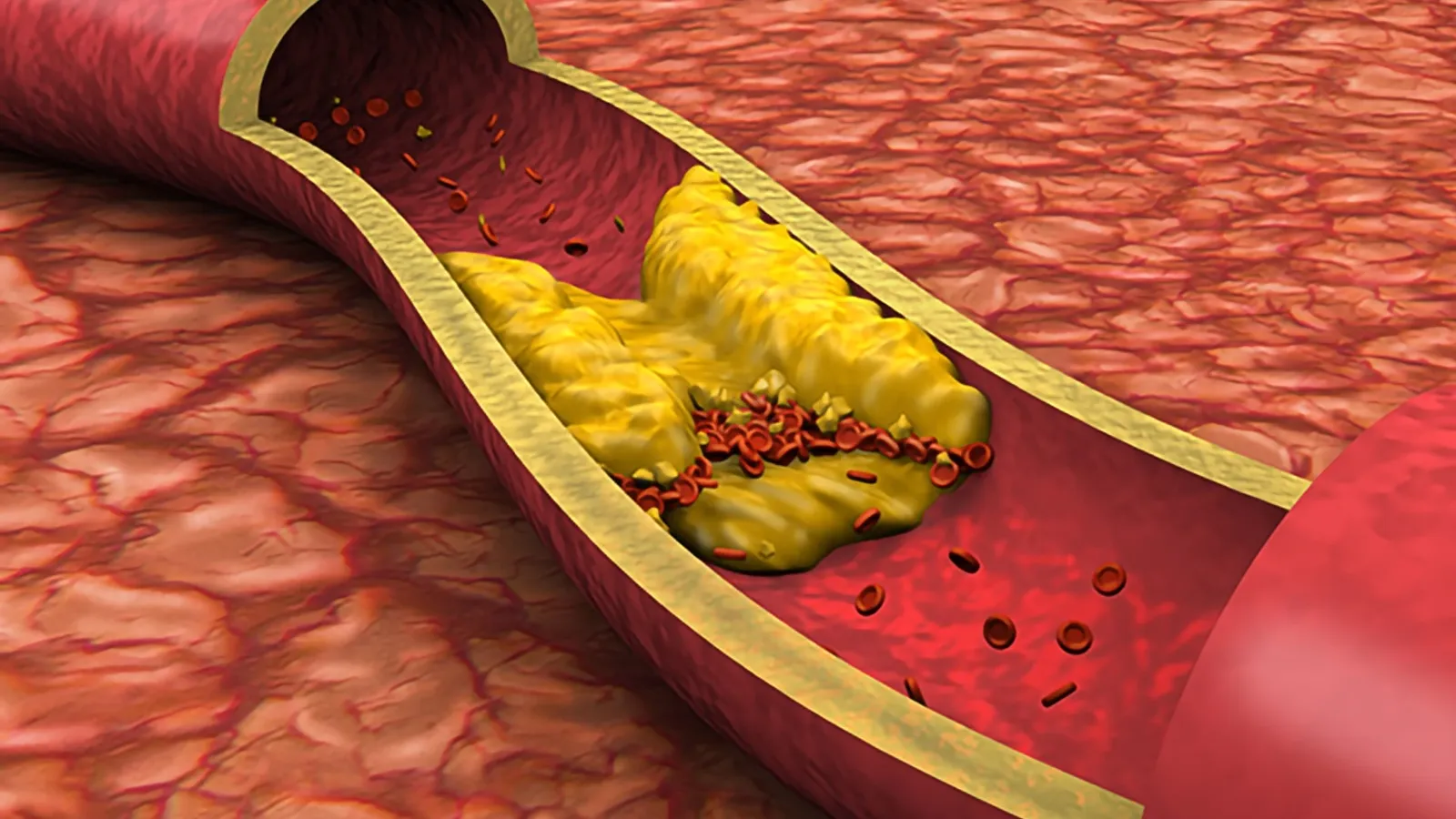
US Cholesterol Guidelines, Statins, and New LDL Targets: 2026 Patient Decision Guide
Quick Answer: The 2026 ACC/AHA cholesterol guidance establishes stricter, risk-tiered LDL targets, emphasizing that lowering atherogenic particles prevents arterial disease far more effectively than raising HDL. Statins lower LDL levels within 4 to 6 weeks, with treatment intensity tailored to individual cardiovascular risk.
Key Takeaways:
- A July 2026 JAMA study revealed that nearly 80% of US adults with established cardiovascular disease remain above recommended LDL thresholds.
- Non-HDL cholesterol captures all artery-clogging particles, including LDL, VLDL, and IDL, offering a more complete vascular risk assessment than LDL alone.
- Raising HDL levels with medication does not prevent heart attacks or strokes, confirming that low HDL is a risk marker rather than a therapeutic target.
- Current protocols recommend a one-time blood test for lipoprotein(a) to evaluate inherited, independent cardiovascular risk.
- Statins reduce circulating LDL by 30% to over 50% in 4 to 6 weeks, whereas dietary changes require 8 to 12 weeks to manifest on lab panels.
Managing high cholesterol is a cornerstone of cardiovascular preventive medicine designed to prevent atherosclerotic cardiovascular disease (ASCVD), heart attacks, and ischemic strokes. Circulating cholesterol travels through the bloodstream packaged in lipoprotein particles of varying densities, each playing distinct roles in vascular biology, systemic lipid transport, and arterial plaque progression.
What the 2026 ACC/AHA Cholesterol Guidelines Change for Patients
The updated 2026 ACC/AHA guidance establishes stricter, risk-tiered LDL targets. These updates reflect findings from a July 2026 JAMA study led by Dr. Shady Abohashem of Mass General Brigham, which demonstrated that approximately one in three US adults without known cardiovascular disease and nearly four in five with established disease have LDL levels exceeding recommended targets.
Dr. Abohashem's nationwide analysis evaluated clinical registries across diverse demographics, revealing a substantial implementation gap between published lipid targets and real-world clinical control. For decades, standard preventive protocols treated an LDL cholesterol level below 100 mg/dL as broadly acceptable for most patients. However, cumulative epidemiological data and clinical trials show that individuals carrying advanced atherosclerotic plaques experience significantly fewer recurrent vascular events when their circulating atherogenic lipoproteins are suppressed to considerably lower concentrations.
The updated guidelines shift clinical practice away from broad, one-size-fits-all categories toward individualized, risk-stratified thresholds. By incorporating advanced imaging findings, such as coronary artery calcium (CAC) scoring, and detailed biomarker profiles, clinicians now stratify patients into refined risk tiers.
This approach recognizes that cardiovascular risk exists on a continuum. For patients who already live with clinical atherosclerosis, previous thresholds left substantial residual risk unaddressed. The updated guidance emphasizes early, intensive intervention to lower atherogenic particles before arterial narrowing produces irreversible cardiac or cerebral injury.
What Is Non-HDL Cholesterol and Why Is It Tracked?
Non-HDL cholesterol measures the total concentration of all atherogenic, plaque-forming particles in your bloodstream, including LDL, VLDL, and intermediate-density lipoproteins, providing a more accurate assessment of cardiovascular risk than LDL alone, particularly in patients with elevated triglycerides or insulin resistance.
Traditional lipid panels report total cholesterol, high-density lipoprotein (HDL), and low-density lipoprotein (LDL). While LDL cholesterol represents the primary carrier of vascular plaque, it does not account for all circulating lipoproteins that damage the endothelial lining of arteries. Very-low-density lipoproteins (VLDL) and intermediate-density lipoproteins (IDL) also carry apolipoprotein B (ApoB), a structural protein that enables these particles to penetrate the arterial wall, become oxidized, and trigger inflammatory plaque formation.
Tracking non-HDL cholesterol is especially valuable in patients with metabolic syndrome, type 2 diabetes, or abdominal obesity. In these metabolic states, standard LDL calculations can underestimate true atherogenic particle concentration because individuals often produce smaller, denser LDL particles alongside elevated, triglyceride-rich VLDL remnants.
Because non-HDL cholesterol encompasses every single ApoB-containing lipoprotein, it provides a comprehensive assessment of total vascular atherogenic burden. Clinicians use this metric as a co-primary therapeutic target to ensure that residual risk driven by triglyceride-rich lipoproteins is addressed alongside conventional LDL lowering.
Normal Value of Non-HDL Cholesterol and New LDL Targets
While a standard normal value of non-HDL cholesterol remains below 130 mg/dL for average-risk individuals, updated clinical targets drop below 85 mg/dL for high-risk patients and under 55 mg/dL for very high-risk individuals with existing arterial plaque or prior cardiovascular events.
Cardiovascular risk categories dictate how aggressively circulating lipids must be managed. For primary prevention in young, healthy adults without cardiovascular risk factors, keeping non-HDL cholesterol below 130 mg/dL and LDL cholesterol below 100 mg/dL generally maintains vascular integrity. However, when clinical risk factors such as long-standing diabetes, chronic kidney disease, or elevated coronary calcium emerge, these standard thresholds are insufficient to stop plaque progression.
For high-risk individuals, the target for LDL cholesterol is set below 70 mg/dL, with a corresponding non-HDL target below 85 mg/dL. In the very high-risk tier, which includes individuals who have survived a heart attack, undergone coronary stenting, or experienced ischemic stroke, the guidance recommends driving LDL cholesterol down to below 55 mg/dL and non-HDL cholesterol below 70 mg/dL. When a patient's LDL cholesterol is high despite first-line therapy, clinicians intensify treatment to reach these targets. Multiple outcome trials demonstrate that reaching these lower levels can halt coronary plaque progression and, in some cases, induce modest plaque regression without compromising neurocognitive or endocrine function.
The following table summarizes the updated risk categories, patient profiles, and targeted lipid thresholds:
| Cardiovascular Risk Tier | Patient Clinical Profile | Target LDL Cholesterol (mg/dL) | Target Non-HDL Cholesterol (mg/dL) | Primary Treatment Approach |
|---|---|---|---|---|
| Average / Low Risk | No known ASCVD, 10-year risk < 5%, normal metabolic markers | < 100 | < 130 | Heart-healthy lifestyle, dietary adjustments |
| Moderate Risk | 10-year risk 5% to 7.4%, borderline metabolic markers or family history | < 100 | < 130 | Lifestyle interventions; consider moderate-intensity statin if risk enhancers exist |
| High Risk | Diabetes mellitus, 10-year risk ≥ 7.5% to 19.9%, or high CAC score | < 70 | < 85 | High-intensity statin therapy, structured lifestyle modification |
| Very High Risk | Established ASCVD, prior myocardial infarction, stroke, or multiple major risk events | < 55 | < 70 | High-intensity statin plus ezetimibe; consider PCSK9 inhibitors |
How to Calculate Non-HDL Cholesterol From Standard Lab Panels
To calculate non-HDL cholesterol, subtract your high-density lipoprotein (HDL) number from your total cholesterol reading, a metric that standard diagnostic panels typically report automatically to assist clinical decision-making.
The calculation requires no specialized testing equipment and relies entirely on basic lipid values:
$Non-HDL Cholesterol = Total Cholesterol - HDL Cholesterol$
For example, if your standard fasting lipid panel shows a total cholesterol of 210 mg/dL and an HDL cholesterol level of 45 mg/dL, your calculated non-HDL cholesterol is 165 mg/dL:
$210 - 45 = 165 mg/dL$
This arithmetic yields the total amount of circulating cholesterol bound within harmful, plaque-promoting particles.
A major clinical advantage of non-HDL cholesterol is its reliability in non-fasting blood samples. Standard calculated LDL measurements often depend on the Friedewald equation, which becomes inaccurate when blood triglyceride levels rise above 400 mg/dL or after food intake. Because non-HDL calculations require only total cholesterol and HDL, the metric remains clinically stable and accurate regardless of when you last consumed a meal.
When reviewing your laboratory report, look for the calculated non-HDL line item. If your laboratory does not compute it automatically, you can perform the subtraction directly from your standard lipid panel results.
Low HDL Cholesterol: Why Raising It With Medication Does Not Prevent Heart Attacks
Having low HDL cholesterol correlates with higher cardiovascular risk in observational studies, yet rigorous clinical trials of HDL-raising drugs show no reduction in heart attacks or strokes, confirming that HDL particle count serves as a risk marker rather than a direct protective agent.
For several decades, medicine operated under the "HDL hypothesis," which assumed that because high-density lipoprotein participates in reverse cholesterol transport, clearing excess lipids from arterial walls and transporting them to the liver, raising blood levels of HDL would directly prevent vascular occlusion. Historically, when HDL cholesterol was low (below 40 mg/dL for men or below 50 mg/dL for women), clinicians treated the reading as an independent therapeutic target.
However, subsequent clinical trials contradicted this hypothesis. Researchers developed pharmaceutical agents, including cholesteryl ester transfer protein (CETP) inhibitors and high-dose niacin, that successfully doubled circulating HDL levels in clinical trial participants. Despite substantial increases in HDL concentrations, patients experienced no measurable decrease in cardiovascular mortality, myocardial infarction, or ischemic stroke. Furthermore, Mendelian randomization studies demonstrated that individuals who inherit genetic mutations causing lifelong elevated HDL levels enjoy no natural protection against coronary heart disease.
Modern cardiology interprets low HDL cholesterol as a metabolic marker rather than an active driver of disease. It frequently signals underlying systemic issues:
- Insulin resistance and metabolic syndrome
- Elevated circulating triglycerides
- Systemic, low-grade vascular inflammation
- Physical inactivity and sedentary behavior
- Cigarette smoking and tobacco exposure
Consequently, guidelines advise clinicians not to prescribe medications solely to raise HDL numbers. Instead, medical management focuses strictly on lowering atherogenic ApoB particles while using lifestyle interventions, such as aerobic exercise, weight reduction, and smoking cessation, to improve broader metabolic and vascular health.
High Non-HDL Cholesterol: Managing Elevated Vascular Risk and Lp(a) Testing
Elevated non-HDL cholesterol requires active risk reduction through combined medical and lifestyle protocols, complemented by a recommended one-time lipoprotein(a) or Lp(a) blood test to uncover inherited, independent risks of premature heart disease.
When routine blood tests reveal high non-HDL cholesterol, it indicates a high concentration of circulating particles that actively penetrate and inflame arterial linings. Left unaddressed, this atherogenic burden accelerates plaque accumulation, leading to coronary artery disease, carotid stenosis, and peripheral artery disease. Clinical management involves identifying secondary causes, such as untreated hypothyroidism, obstructive sleep apnea, or excessive dietary saturated fat, while initiating targeted lipid-lowering therapies.
Alongside non-HDL tracking, current guidelines advise clinicians to obtain a one-time blood test for lipoprotein(a), commonly abbreviated as Lp(a). Lipoprotein(a) is an LDL-like particle bound to a unique glycoprotein called apolipoprotein(a). Its circulating levels are roughly 80% to 90% genetically determined, remaining largely unaffected by diet, physical activity, or standard statin therapy.
Elevated Lp(a) (typically defined as levels exceeding 50 mg/dL or 125 nmol/L) acts as an independent driver of premature vascular disease and calcific aortic valve stenosis through two distinct mechanisms:
- Atherogenic acceleration: The particle infiltrates the arterial wall and deposits oxidized phospholipids, driving chronic local inflammation.
- Thrombogenic potential: Due to structural similarities with plasminogen, Lp(a) impairs normal clot breakdown, increasing the risk of vessel occlusion if a plaque ruptures.
Identifying an elevated Lp(a) level reshapes clinical decision-making. While medications specifically designed to lower Lp(a) are undergoing phase 3 clinical evaluation, confirming high Lp(a) prompts clinicians to manage conventional risk factors far more aggressively. For a patient with borderline lipid numbers, an elevated Lp(a) establishes a clear rationale for early statin therapy to drive standard non-HDL and LDL cholesterol down to lower, protective thresholds.
US Cholesterol Guidelines on Statins: Who Needs Therapy and What Are Realistic Timelines?
Under current US cholesterol guidelines, clinicians prescribe statin therapy based on calculated ten-year cardiovascular risk and absolute LDL baselines, with medications reliably reducing LDL concentrations within 4 to 6 weeks, whereas dietary modifications typically take 8 to 12 weeks to show measurable change on follow-up panels.
The framework defined by the ACC/AHA identifies four primary patient populations that derive significant clinical benefit from statin therapy:
- Clinical ASCVD: Any individual with established arterial disease (prior heart attack, angina, coronary revascularization, stroke, transient ischemic attack, or peripheral arterial disease) requires high-intensity statin therapy for secondary prevention.
- Severe primary hypercholesterolemia: Patients with baseline LDL cholesterol levels of 190 mg/dL or higher have a high lifetime risk of cardiovascular events, often driven by familial hypercholesterolemia, and require immediate high-intensity statin therapy.
- Diabetes mellitus in adulthood: Adults aged 40 to 75 with diabetes require at least moderate-intensity statin therapy, regardless of their estimated 10-year risk score, because chronic hyperglycemia accelerates arterial plaque formation.
- Elevated primary prevention risk: Adults aged 40 to 75 without diabetes but with an estimated 10-year ASCVD risk of 7.5% or higher (calculated via validated risk tools) generally qualify for statin therapy after a clinician-patient risk discussion.
Patients frequently ask how quickly interventions alter circulating cholesterol levels. Popular wellness claims occasionally advertise rapid lipid drops within 7 days. Biologically, dietary clearance of lipids and receptor regulation require several weeks of sustained behavioral change.
The table below contrasts the clinical efficacy, physiological mechanism, and expected therapeutic timelines of lifestyle changes versus prescription statins:
| Intervention Type | Primary Mechanism of Action | Expected LDL Reduction | Typical Timeline to Peak Effect | Follow-Up Retesting Interval |
|---|---|---|---|---|
| Dietary & Lifestyle Optimization | Reduces dietary saturated fat intake; increases soluble fiber binding in the gut | 5% to 15% | 8 to 12 weeks | Retest lipid panel in 12 weeks |
| Moderate-Intensity Statin (e.g., Atorvastatin 10-20 mg) | Partially inhibits HMG-CoA reductase; upregulates hepatic LDL receptors | 30% to 49% | 4 to 6 weeks | Retest lipid panel in 4 to 12 weeks |
| High-Intensity Statin (e.g., Atorvastatin 40-80 mg) | Inhibits hepatic cholesterol synthesis; maximizes LDL clearance from blood | ≥ 50% | 4 to 6 weeks | Retest lipid panel in 4 to 12 weeks |
| Combination Therapy (Statin + Ezetimibe) | Blocks both hepatic synthesis and intestinal absorption of cholesterol | 60% to 70% | 4 to 6 weeks | Retest lipid panel in 4 to 12 weeks |
Dietary interventions, such as minimizing saturated fats, eliminating trans fats, and adding 10 to 20 grams of soluble viscous fiber daily, are essential for cardiovascular health. However, lifestyle changes alone rarely achieve the 30% to 50% drops needed by individuals in high-risk categories. Prescription statins deliver predictable reductions within one month by increasing the density of LDL receptors on hepatocytes, clearing atherogenic particles from systemic circulation.
Evaluating Statin Safety, Tolerability, and Adverse Effects
Statin medications are widely studied and generally well-tolerated, though between 5% and 10% of patients report subjective muscle aches, and rare risks such as clinically significant liver enzyme elevation or rhabdomyolysis occur in fewer than 1 in 10,000 individuals.
Extensive clinical trial data demonstrate that serious complications from statins are uncommon. The most frequent clinical issue is statin-associated muscle symptoms (SAMS), typically described as symmetrical muscle soreness or stiffness in large muscle groups like the thighs or shoulders. Placebo-controlled crossover studies, including the SAMSON trial, demonstrated that up to 90% of muscle symptoms reported during statin therapy are driven by the "nocebo effect", anticipation of harm causing physical discomfort, as patients experienced identical symptoms when given blinded placebo pills.
Other potential effects warrant careful clinical monitoring:
- Glycemic control: Statins can cause a small, dose-dependent rise in blood glucose and hemoglobin A1c, predominantly in patients who already meet criteria for prediabetes or metabolic syndrome. Cardiovascular outcome studies consistently show that the vascular benefits of event reduction outweigh this slight glycemic change.
- Hepatic transaminase elevation: Asymptomatic elevations in liver enzymes occur in a small fraction of patients. Routine monitoring is performed at baseline and guided by clinical symptoms; persistent, severe hepatic injury remains exceptionally rare.
- Severe myopathy and rhabdomyolysis: The breakdown of muscle fibers leading to myoglobinuria and acute kidney injury occurs in fewer than 1 in 10,000 patients on standard dosages, almost exclusively in the presence of severe drug interactions or unaddressed advanced renal failure.
If a patient experiences persistent muscle symptoms, clinical protocols do not recommend abruptly abandoning treatment. Physicians typically evaluate vitamin D levels, check creatine kinase (CK) levels, suspend treatment briefly to see if symptoms resolve, and then restart therapy at a lower dose or switch to an alternate statin (such as rosuvastatin or pravastatin). When statin intolerance is confirmed, non-statin medications approved by the US FDA, such as ezetimibe, bempedoic acid, or PCSK9-targeting monoclonal antibodies, provide well-tolerated alternatives.
Emergency Care Notice: While chronic lipid management is elective and planned, symptoms of acute vascular occlusion require immediate emergency care. If you experience crushing chest pressure, sudden pain radiating to your jaw or left arm, unexplained shortness of breath, sudden facial drooping, or arm weakness, call emergency services immediately rather than waiting for an outpatient appointment.
Frequently Asked Questions
What is non-HDL cholesterol?
Non-HDL cholesterol is the calculated sum of all cholesterol carried by atherogenic, plaque-causing lipoproteins in your blood, determined by subtracting HDL from total cholesterol. It accounts for LDL, VLDL, and intermediate-density particles, providing a comprehensive assessment of circulating plaque-causing lipids from either a fasting or non-fasting standard blood draw.
How to lower cholesterol effectively through non-medication strategies?
To lower cholesterol naturally, dietary modifications must focus on reducing saturated fat to less than 6% of daily calories while increasing soluble fiber intake to 10 to 25 grams per day. Combining these dietary shifts with 150 minutes of moderate aerobic exercise weekly and modest weight loss typically reduces LDL cholesterol by 5% to 15% within 8 to 12 weeks.
How to lower LDL cholesterol if statins cause side effects?
If statins cause intolerable muscle aches or other side effects, clinicians can adjust the dosing frequency, lower the dose, or switch to alternative medications approved by the US FDA. Well-established non-statin alternatives include ezetimibe, which blocks intestinal cholesterol absorption, bempedoic acid, and injectable PCSK9 inhibitors, which together or individually provide substantial LDL lowering without statin-related muscle discomfort.
How often should blood cholesterol levels be retested after starting therapy?
Guidelines recommend rechecking lipid panels 4 to 12 weeks after starting a statin or adjusting medication dosages to confirm therapeutic efficacy and assess patient tolerance. Once target non-HDL and LDL thresholds are achieved and stabilized, ongoing monitoring is typically repeated every 6 to 12 months as part of routine preventive cardiovascular care.
Not sure which hospital is right for your case?
Upload your medical reports and our AI will match them against the verified capabilities of every hospital in our network.
- Upload your reports (no account needed)
- Our AI matches your case with hospitals that can actually treat it
- You choose who receives your case. We present it in the hospital’s own language, and the hospital replies directly to you
Free and anonymous. Your documents stay private until you decide to send them.