CO2 Fractional Laser
Istanbul
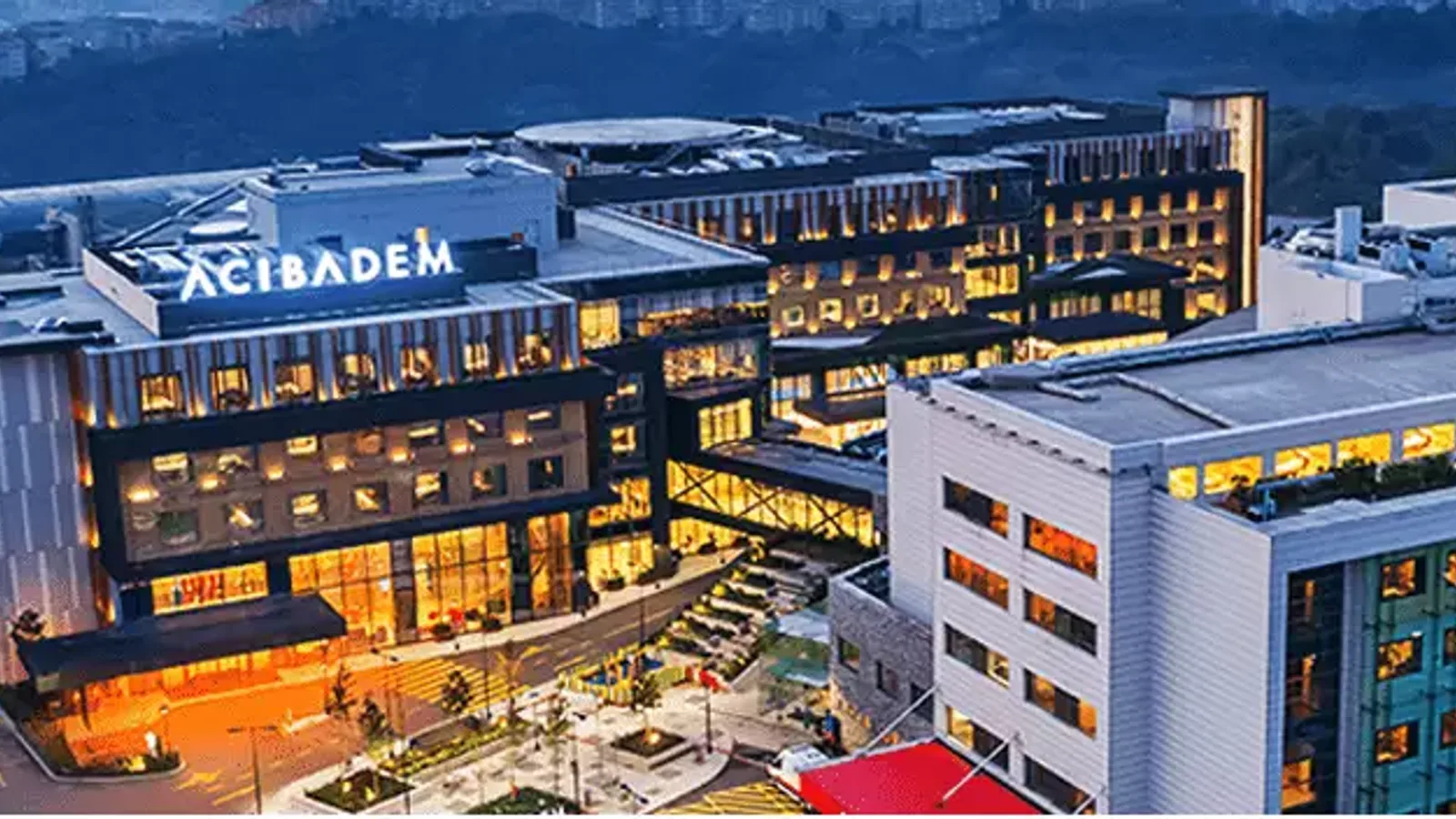
CO2 Fractional Laser in Istanbul is available at 1 hospital in the Voumed network.
The CO2 fractional laser is a carbon dioxide skin resurfacing system that delivers energy in thousands of tiny microscopic columns rather than treating the whole surface at once. This fractional pattern leaves healthy skin untouched between each treated point, which speeds healing while the controlled heat triggers collagen and elastin renewal in the deeper layers. The result is smoother texture, firmer skin and a fresher tone, with a recovery that is shorter than older fully ablative lasers. It is one of the most versatile tools in aesthetic dermatology for scars, wrinkles and sun damage.
On this page
At a glance
- Type
- fractional carbon dioxide (CO2) ablative skin resurfacing laser
- Used for
- wrinkles, acne and surgical scars, sun damage, large pores, skin tightening
- Key benefit
- deep collagen renewal with faster healing than full ablative lasers
- Session
- outpatient, usually with topical or local numbing cream
- Where it is used
- dermatology and aesthetic units in leading accredited centres abroad
What it is
The CO2 fractional laser uses a beam of carbon dioxide light tuned to the wavelength that water in the skin absorbs strongly. Instead of removing one continuous layer, the device splits its energy into a grid of microscopic treatment zones, so only a fraction of the skin is touched in each pass while the surrounding tissue stays intact and acts as a healing reservoir. This is what makes the modern fractional approach gentler and quicker to recover from than the older, fully ablative CO2 resurfacing of the past. Depth and intensity are adjustable, so the same platform can perform a light refresh or a deeper resurfacing.
How it works
Each microscopic beam vaporises a narrow channel in the skin and warms the tissue around it. That controlled injury prompts the body to repair itself: it clears damaged surface cells and stimulates fibroblasts to lay down fresh collagen and elastin over the following weeks. As new tissue forms, fine lines soften, scars become shallower and the surface looks smoother and more even. Because the untreated skin between the channels heals the area quickly, the visible recovery is measured in days rather than weeks. A single session already starts the process, and results continue to build for several months.
What it treats and who it helps
The laser is used for fine lines and wrinkles, acne scars and surgical or injury scars, sun-damaged and aged skin, enlarged pores, uneven texture and mild skin laxity. It also helps with certain pigmented spots and benign growths. It suits people who want a meaningful improvement in skin quality and are willing to accept a short period of healing. It is not ideal for very dark skin tones, active infections or those prone to abnormal scarring, so a dermatologist assesses skin type and history first and may recommend a gentler device when more appropriate.
Benefits and what to expect
Treatment is done on an outpatient basis, usually after a numbing cream so most people feel only heat and a prickling sensation. Afterwards the skin looks red, feels warm and may show light swelling and a sandpaper texture for several days as it sheds and renews; gentle care and strict sun protection help it settle. Most everyday redness fades within about 5 to 7 days for lighter treatments, with deeper sessions taking a little longer. Results appear gradually as collagen rebuilds, and one to three sessions are common depending on the concern. Outcomes can last for years, though natural ageing continues and good sun habits protect the improvement.
Frequently asked questions
These answers are general guidance and may vary by provider. Confirm the details with the hospital you choose.
Is the CO2 fractional laser painful?
Most people tolerate it well. A numbing cream, and sometimes a local anaesthetic, is applied beforehand, so the main sensation during treatment is warmth and prickling. Afterwards the skin feels hot, like sunburn, for a few hours, which is easily managed with cooling and the aftercare your clinician recommends.
How many sessions will I need?
It depends on the goal. A single session already produces a visible refresh, while deeper concerns such as acne scars or marked sun damage often respond best to a course of two to three sessions spaced several weeks apart. Your dermatologist tailors the number to your skin and the result you want.
What is the downtime?
Expect redness, mild swelling and flaking for a few days. For lighter treatments this usually settles within about 5 to 7 days, while deeper resurfacing may need a little longer before you feel ready for social activities and makeup.
Am I a good candidate?
Many people with wrinkles, scars or sun-damaged skin are suitable, but it is not right for everyone. Very dark skin tones, a tendency to keloid scarring, active skin infections and some medications can make another option safer. A consultation and skin assessment confirm whether it is a good fit for you.
Are the results lasting?
Yes, the new collagen and smoother texture can last for years. The laser does not stop natural ageing, however, so results are best maintained with consistent sun protection, a good skincare routine and occasional touch-up sessions if desired.
Not sure which hospital fits your case?
Upload your medical records and let AI match you to the right hospital.
Upload records and get matchedAvailable at these hospitals
Specialties
Not sure which hospital fits your case?
Upload your medical records and let AI match you to the right hospital.
Upload records and get matched