Dual-Energy CT
Istanbul
Dual-Energy CT in Istanbul is available at 4 hospitals in the Voumed network.
Dual-energy CT is an advanced form of computed tomography that scans the body at two different X-ray energy levels at the same time. A standard CT uses a single energy and shows mainly the shape and density of tissues, but by comparing how structures behave at two energies, dual-energy CT can tell different materials apart far more precisely. This added information helps doctors characterise what they see, such as distinguishing one type of tissue or deposit from another, and it can often be achieved with less contrast agent and a lower radiation dose. It uses X-rays, as all CT does, but with techniques designed to keep exposure low.
On this page
At a glance
- Type
- advanced diagnostic CT imaging (uses X-rays)
- Used for
- detecting and characterising tumours, analysing kidney stones and gout deposits, and assessing blood supply
- Key benefit
- distinguishes tissues and materials more precisely than standard CT
- Radiation and contrast
- often achievable with reduced contrast and a lower radiation dose
- Where it is used
- accredited imaging and diagnostic centres abroad
What it is
Dual-energy CT is a computed tomography technique that captures two sets of measurements at once, using a low and a high X-ray energy. Because materials in the body absorb low and high-energy X-rays differently, comparing the two sets reveals their composition, not just their shape. The scan is performed on a CT scanner much like a standard one: the patient lies on a table that passes through a ring-shaped opening, and the machine builds detailed cross-sectional images. The extra energy information is processed by the computer, giving doctors a richer picture than a single-energy scan.
How it works
During the scan, X-rays at two different energy levels pass through the body and are recorded by detectors as the scanner rotates around the patient. The computer compares how each area absorbed the low-energy and high-energy X-rays and uses this difference to identify what materials are present. For example, it can highlight iodine from a contrast agent, separate calcium from other tissues, or pick out the chemical make-up of a kidney stone. The patient simply lies still while the table moves smoothly through the scanner, and in many studies a contrast agent is given through a small vein.
What it shows and who it helps
Dual-energy CT improves the detection and characterisation of tumours, helping to clarify whether a finding is likely to be significant. It is particularly useful for analysing kidney stones, where it can suggest their composition and guide treatment, and for identifying gout deposits in joints. It also helps assess the blood supply to organs and tissues, which is valuable in many conditions. Because it can reduce the amount of contrast and radiation needed, it is helpful for patients who require detailed imaging while keeping exposure as low as possible.
Benefits and what to expect
The main benefit of dual-energy CT is precision: by reading two energy levels at once, it characterises tissues and materials more accurately than standard CT, often answering a question that would otherwise need a further test. It can frequently do this with less contrast agent and a lower radiation dose. The examination is painless and similar to a standard CT. The patient lies on a table that passes through the open ring, stays still and may hold their breath briefly. If contrast is used, it is given through a small vein and may cause a brief warm feeling. There is no recovery time, and a specialist reviews the images and reports to the treating doctor.
Frequently asked questions
These answers are general guidance and may vary by provider. Confirm the details with the hospital you choose.
Does dual-energy CT use radiation, and is it safe?
Yes, like all CT it uses X-rays, so there is a small amount of radiation. A key advantage of dual-energy CT is that it can often gather more information at a lower dose than older techniques, and the scan is only done when the benefit to your diagnosis outweighs that small risk.
How is it different from a standard CT scan?
A standard CT uses a single X-ray energy and shows mainly shape and density. Dual-energy CT uses two energies at once, which lets it tell different materials apart, such as identifying the make-up of a stone or separating contrast from calcium, giving more diagnostic detail.
Is the scan painful?
No. The scan itself is completely painless and you simply lie still on the table. If a contrast agent is needed, it is given through a small needle in a vein, which feels like a routine blood test and may cause a brief sensation of warmth.
Do I need contrast for the scan?
It depends on the study. Many dual-energy scans use a contrast agent through a vein to assess blood supply or highlight tissues, and one advantage is that less contrast may be needed than usual. The team will tell you in advance whether contrast is planned.
How long does the scan take?
The scan itself is quick, usually only a short time on the table. With preparation and positioning, the whole appointment generally takes a modest amount of time, and you can normally go home straight afterwards.
How do I prepare and when are results ready?
Preparation depends on the study; you may be asked not to eat for a few hours if contrast is planned, and to remove metal objects. The staff give clear instructions beforehand. A specialist then reviews the images and sends a report to your doctor, usually within a few days.
Not sure which hospital fits your case?
Upload your medical records and let AI match you to the right hospital.
Upload records and get matchedAvailable at these hospitals

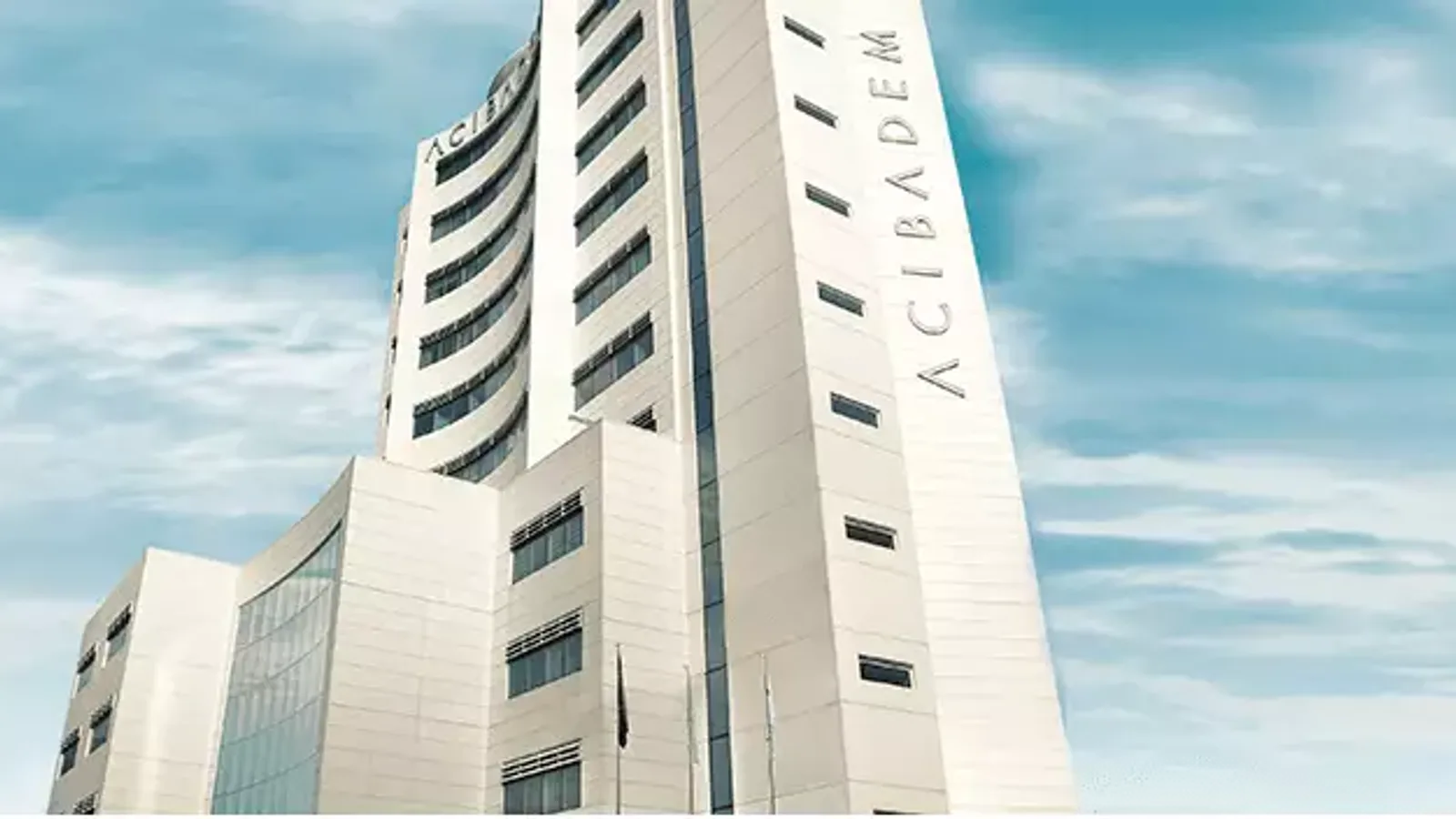
Acıbadem Altunizade Hospital
istanbul
- Specialties
- 28

Acıbadem Ataşehir Hospital
istanbul
- Specialties
- 29

Acıbadem Fulya Hospital
istanbul
- Specialties
- 22

Memorial Bahçelievler Hospital
istanbul
- Specialties
- 31
Specialties
Not sure which hospital fits your case?
Upload your medical records and let AI match you to the right hospital.
Upload records and get matched