IPL (BBL) Intense Pulsed Light

Istanbul

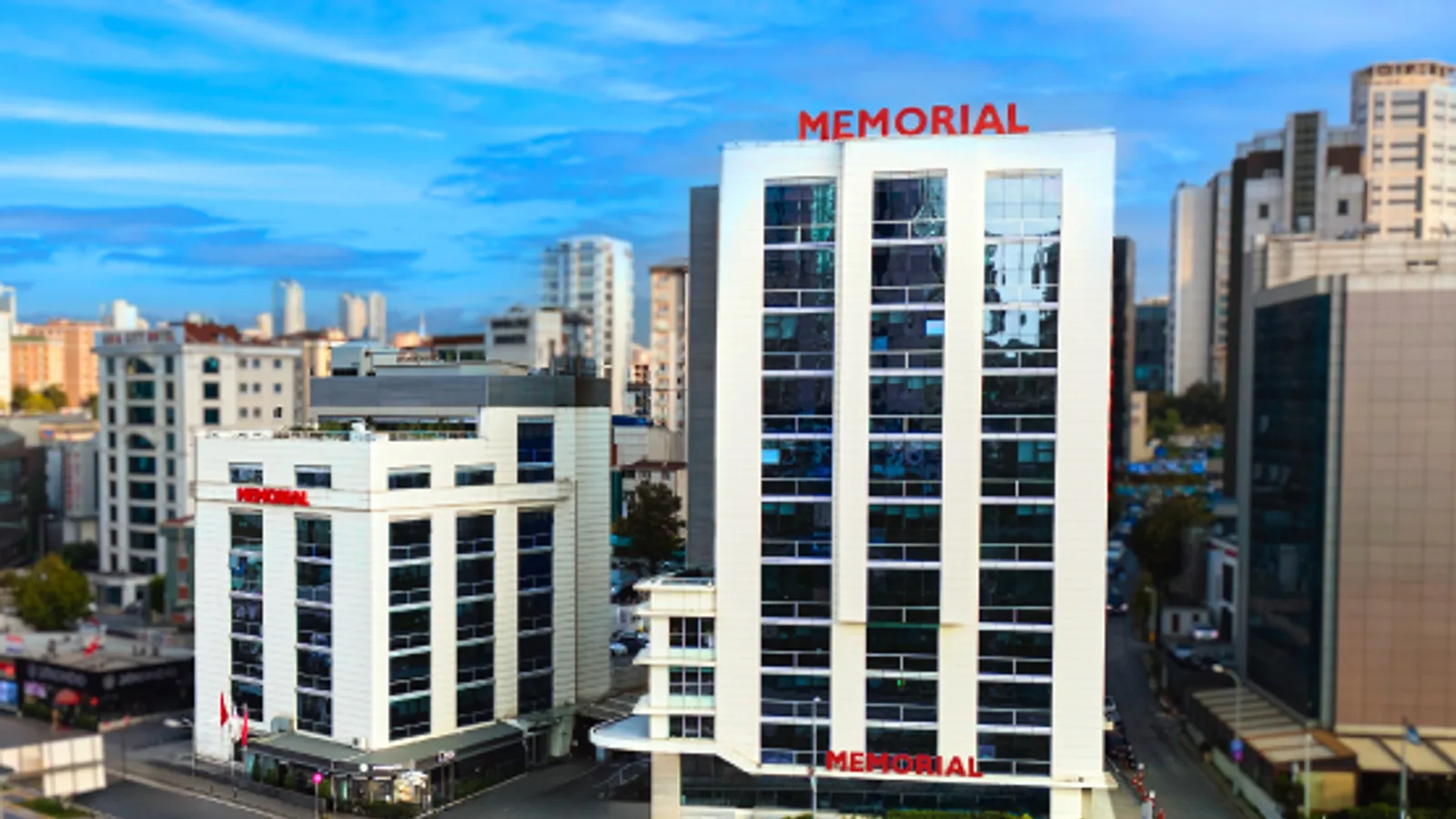
IPL (BBL) Intense Pulsed Light in Istanbul is available at 1 hospital in the Voumed network.

IPL, or intense pulsed light, also known by the brand name BBL (BroadBand Light), is a light-based skin treatment that uses a broad spectrum of wavelengths rather than a single laser beam. Filters let the clinician select the right band of light for each concern, so one device can address brown spots, redness, broken capillaries and overall skin dullness, and even reduce unwanted hair. The light is absorbed by pigment or by the small vessels causing redness, gently breaking them down so the skin clears and looks more even. It is a versatile, comfortable treatment with little to no downtime.

On this page

At a glance

Type
broadband intense pulsed light (IPL / BBL) system with selectable filters
Used for
sun spots, redness and rosacea, broken capillaries, dull skin, acne, hair reduction
Key benefit
treats pigment and redness in one comfortable session with minimal downtime
Session
outpatient, no anaesthesia needed beyond optional cooling
Where it is used
dermatology and aesthetic units in leading accredited centres abroad

What it is

Unlike a laser, which produces one precise wavelength, IPL emits a broad band of light across many wavelengths. Filters placed over the handpiece narrow that light to the range best suited to the target, whether that is brown pigment, the red of dilated vessels or the structures involved in hair growth. This flexibility is what makes IPL, marketed in many clinics as BBL, so versatile: a single platform can be tuned for several different skin concerns. The energy passes harmlessly through the skin surface and is absorbed by the colour it is aimed at.

How it works

During treatment, pulses of filtered light are delivered through a smooth applicator pressed gently against the skin, usually with a cooling gel or built-in cooling for comfort. The light is absorbed by the pigment in sun spots or by the haemoglobin in tiny blood vessels, heating these targets just enough to break them down while sparing the surrounding skin. Pigmented spots darken briefly and then flake away over the following days, while treated vessels fade as the body clears them. The same warming effect also gives a mild stimulus to the skin, helping it look fresher and more uniform over a course of sessions.

What it treats and who it helps

IPL is used for sun and age spots, freckles, uneven pigmentation, facial redness, rosacea, flushing, broken capillaries and small dilated vessels, dull or photo-aged skin and some forms of acne, and it can also reduce unwanted hair. It is well suited to people with fair to medium skin who want to even out tone and clear redness with a gentle, low-downtime treatment. Because it targets colour, it is less suitable for very dark or deeply tanned skin, so a clinician checks skin type and avoids treatment over recent tans, certain medications or active infections.

Benefits and what to expect

Sessions are quick and comfortable; most people describe a sensation like a light elastic band flick with each pulse, eased by cooling. There is little to no downtime: the skin may look slightly pink or warm for a few hours, and brown spots often look temporarily darker before flaking off within about 5 to 7 days. A course of three to five sessions, spaced a few weeks apart, usually gives the best clearing of pigment and redness, with gradual improvement after each. Sun protection is essential before and after to keep results and prevent new pigmentation. Occasional maintenance sessions help sustain the even, refreshed look.

Frequently asked questions

These answers are general guidance and may vary by provider. Confirm the details with the hospital you choose.

Is IPL or BBL painful?

It is generally well tolerated. Each pulse feels like a quick, warm snap against the skin, and built-in cooling or a chilled gel makes it comfortable. No anaesthesia is usually needed, and any sensation settles quickly once the session ends.

How many sessions will I need?

For pigment and redness, a course of about three to five sessions spaced a few weeks apart usually gives the best results, as improvement builds gradually. Hair reduction typically needs more sessions over several months. Your clinician sets the plan based on your skin and goal.

What is the downtime?

Downtime is minimal. The skin may be slightly pink and warm for a few hours, and treated brown spots often darken before flaking away within roughly 5 to 7 days. Most people return to normal activities right away, with sun protection.

Am I a good candidate?

People with fair to medium skin and concerns like sun spots, redness or rosacea are usually well suited. IPL targets colour, so very dark, deeply tanned or recently sun-exposed skin needs caution, and certain medications or skin conditions must be checked first during a consultation.

Are the results lasting?

Cleared spots and reduced redness can last a long time, but IPL does not stop new sun damage or natural ageing. Consistent sun protection and occasional maintenance sessions help keep the skin clear and even over the long term.

Not sure which hospital fits your case?

Upload your medical records and let AI match you to the right hospital.

Upload records and get matched

Available at these hospitals

Specialties

Not sure which hospital fits your case?

Upload your medical records and let AI match you to the right hospital.

Upload records and get matched