Blood Pressure Medication Recall 2026: Macleods Olmesartan Tablets Affected
The FDA classified a blood pressure medication recall in 2026 for Macleods olmesartan combination tablets due to dissolution failure. Check your lots.

Quick Answer: The US FDA designated a Class II recall for two lots of Macleods Pharma olmesartan medoxomil, amlodipine, and hydrochlorothiazide tablets in October 2026 because of failed dissolution testing. Patients should inspect their prescription bottles, avoid stopping their medication abruptly, and speak directly with their pharmacist to receive an unaffected replacement.
Key Takeaways:
- Macleods Pharma USA recalled 3,744 bottles of triple-combination blood pressure tablets covering lots 12251163A and 12251163B.
- The US FDA designated this event a Class II recall because slow tablet dissolution may lead to inconsistent blood pressure control.
- Abruptly stopping antihypertensive therapy poses severe clinical risks, including rebound hypertension and hypertensive crisis.
- Patients can verify their medication by checking the National Drug Code (NDC) and lot number on their prescription container.
- Dispensing pharmacies can provide replacement supplies from unaffected batches or alternative manufacturers without interrupting daily treatment.
A pharmaceutical recall occurs when a manufacturer removes a prescription medication from distribution because the product fails to meet specific quality, purity, or performance standards set by regulatory authorities. In cardiovascular medicine, recalls often stem from packaging discrepancies, chemical impurities, or manufacturing issues that alter how a pill releases its active ingredients. Maintaining steady clinical oversight ensures that patients relying on these daily medications can identify compromised batches and transition safely to verified alternatives without gaps in therapy.
Macleods Pharma Olmesartan Recall: What Lots and Strengths Are Affected?
Macleods Pharma USA voluntarily recalled 3,744 bottles of olmesartan medoxomil, amlodipine, and hydrochlorothiazide tablets across lots 12251163A and 12251163B with an expiration date of May 2027, which the US FDA classified as a Class II recall on October 26, 2026.
The action targets a specific fixed-dose formulation distributed nationwide across retail pharmacies and wholesale distributors. The table below details the exact specifications associated with the FDA olmesartan medoxomil tablet recall so patients and caregivers can cross-reference their current home supplies.
| Product Detail | Specification |
|---|---|
| Active Ingredients | Olmesartan medoxomil, amlodipine besylate, hydrochlorothiazide |
| Dosage Strength | 40 mg / 10 mg / 25 mg |
| Manufacturer | Macleods Pharmaceuticals Ltd. (Distributed by Macleods Pharma USA, Inc.) |
| National Drug Code (NDC) | 33342-167-07 (90-count bottle) |
| Affected Lot Numbers | 12251163A and 12251163B |
| Expiration Date | 05/2027 (May 2027) |
| Recall Classification | Class II (Initiated voluntarily, classified by the US FDA on Oct 26, 2026) |
| Distribution Scope | Nationwide across the United States |
This specific batch was packaged in 90-count high-density polyethylene bottles designed for standard 90-day maintenance refills. Other strengths of this triple-combination medication from Macleods Pharma, such as the 20 mg / 5 mg / 12.5 mg and 40 mg / 5 mg / 12.5 mg formulations, are not included in this specific action unless designated in subsequent notices. Single-ingredient olmesartan or dual-combination tablets from the same manufacturer remain unaffected if their NDC and lot numbers do not match the recalled units.
Why Did the FDA Classify the Recall as Class II for Failed Dissolution?
A dissolution test failure means the tablets did not dissolve at the required rate in standard laboratory testing, creating a risk that the active ingredients may not be absorbed consistently into the bloodstream to lower blood pressure as intended.
The regulatory action was logged as a Class II recall on blood pressure medication 2026 following analytical testing of retention samples. The US Food and Drug Administration organizes drug recalls into three distinct risk tiers:
- Class I: A situation where there is a reasonable probability that exposure will cause serious adverse health consequences or death.
- Class II: A situation where exposure may cause temporary or medically reversible adverse health consequences, or where the probability of serious adverse consequences is remote.
- Class III: A situation where exposure is not likely to cause adverse health consequences.
When a solid oral dosage form fails dissolution testing, it does not release its drug molecules into gastrointestinal fluids within the precise time window required by United States Pharmacopeia (USP) standards. If a tablet breaks down too slowly, a patient's body may excrete a portion of the medication before it reaches systemic circulation. This under-absorption leads to subtherapeutic drug concentrations, leaving arterial pressure higher than targeted by the prescribing clinician. Conversely, uneven dissolution can occasionally cause erratic absorption peaks. Because the failure does not involve toxic contamination or toxic breakdown products, the health hazard remains moderate and reversible, justifying a Class II designation rather than an emergency Class I alert.
How to Check Your Pill Bottle for Affected NDC and Lot Numbers
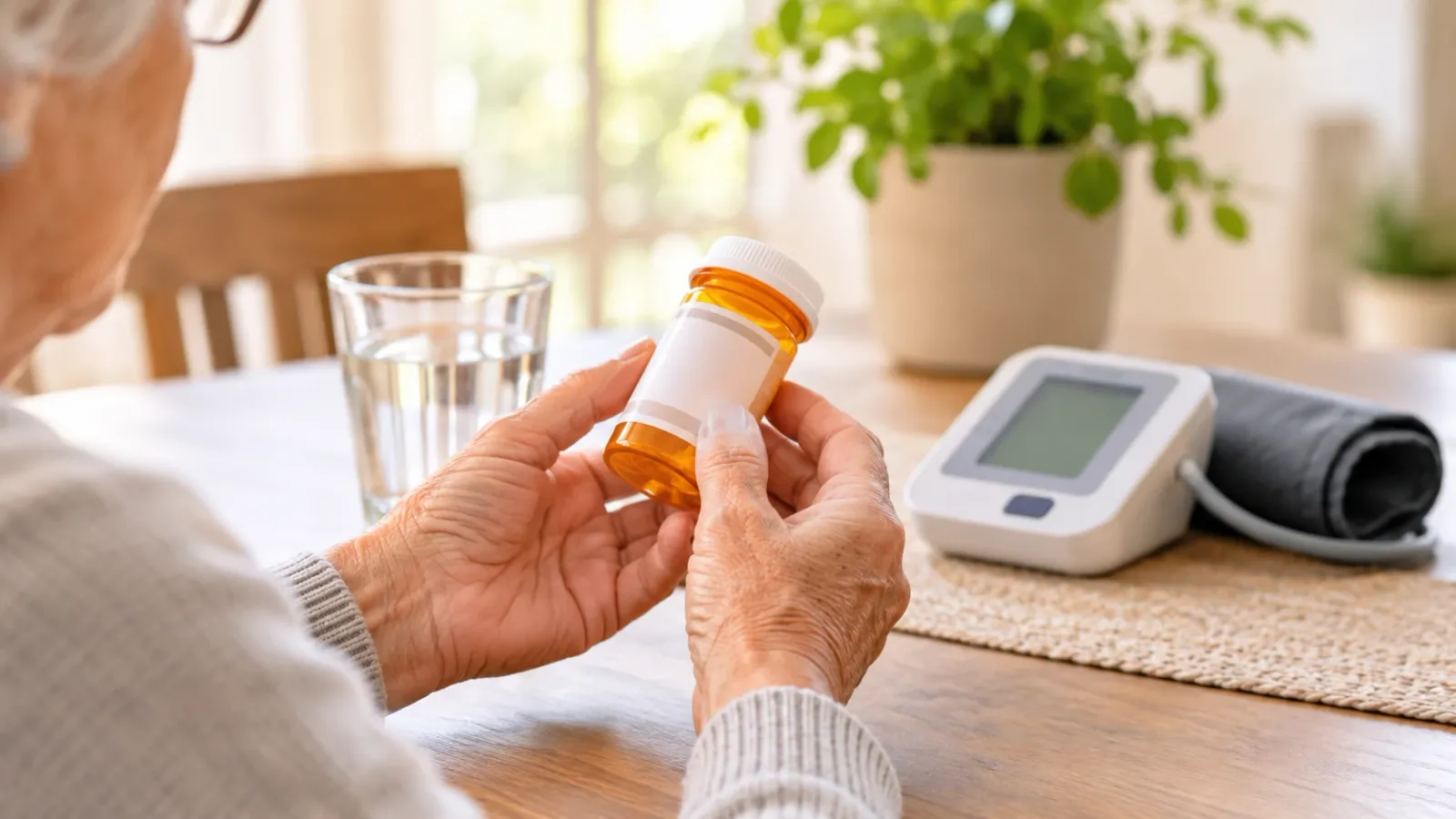
Patients can determine if their medicine is affected by locating the National Drug Code (NDC) and the 8-character lot number printed on the side of the original manufacturer bottle or on the pharmacy prescription label next to the expiration date.
Because community and mail-order pharmacies often transfer pills from bulk manufacturer bottles into standard amber prescription vials, the labeling format can vary depending on where the prescription was filled. Follow these steps to verify your bottle:
- Locate the National Drug Code: Look for a 10- or 11-digit number formatted as 33342-167-07. On amber pharmacy vials, this may appear in small font near the drug name or along the bottom edge of the label.
- Identify the Lot Number: Search for an alphanumeric string marked "LOT," "BATCH," or "B/N." Check specifically for codes 12251163A or 12251163B.
- Check the Expiration Date: Verify that the expiration date indicates 05/2027 or May 2027. Both the lot number and the expiration date must match for your bottle to be part of the affected group.
- Call Your Dispensing Pharmacy: If your prescription is packed in a standard orange vial without an NDC or manufacturer lot number, contact the pharmacy listed on the label. The pharmacy team can check their dispensing logs and tell you which manufacturer and bulk lot filled your order.
Why You Should Never Stop Taking Olmesartan Without Consulting Your Doctor
Abruptly stopping a blood pressure medication can trigger rebound hypertension, causing blood pressure to spike sharply and increasing the immediate risk of hypertensive crisis, stroke, or heart attack.
Discontinuing olmesartan medoxomil without medical supervision poses a far greater immediate physical danger than taking a tablet that might dissolve slower than intended. When an individual takes antihypertensive medication daily, the vascular system adapts to the constant pharmacologic inhibition of blood vessel constriction. Removing that blockade overnight causes circulating catecholamines and angiotensin pathways to surge, leading to acute arterial constriction.
Clinical risks associated with sudden cessation include:
- Acute Blood Pressure Spikes: Systemic pressure can surge well above baseline levels within 24 to 72 hours of a missed dose.
- End-Organ Damage: Sudden vascular overload strains delicate vessels in the brain, kidneys, and retinas.
- Increased Cardiac Workload: The heart must pump against rapidly elevated resistance, raising myocardial oxygen demand and precipitating angina or ischemic events in susceptible individuals.
Cardiologists and primary care clinicians advise patients to continue their current medication regimen until they have a replacement bottle in hand. The slight risk of reduced absorption from a recalled lot is clinically preferable to the predictable, severe vascular instability caused by missing doses entirely.
How the Triple Combination of Olmesartan, Amlodipine, and Hydrochlorothiazide Works
This triple-action pill combines olmesartan medoxomil (an angiotensin II receptor blocker that relaxes blood vessels), amlodipine (a calcium channel blocker that prevents arterial constriction), and hydrochlorothiazide (a thiazide diuretic that eliminates excess sodium and fluid via the kidneys).
Managing moderate-to-severe hypertension frequently requires multiple drugs with complementary pathways to achieve target readings below 130/80 mmHg. The olmesartan amlodipine hydrochlorothiazide combination delivers synergistic cardiovascular protection by attacking blood pressure through three distinct physiologic mechanisms:
- Olmesartan Medoxomil: This agent blocks type-1 angiotensin II receptors (AT1) located on vascular smooth muscle. By preventing angiotensin II, a potent endogenous vasoconstrictor, from binding to these receptors, olmesartan keeps systemic arteries dilated and suppresses aldosterone release.
- Amlodipine Besylate: As a dihydropyridine calcium channel blocker, amlodipine prevents calcium ions from entering vascular smooth muscle cells during arterial contraction. This relaxes peripheral arterial beds, reducing total systemic vascular resistance.
- Hydrochlorothiazide: A long-established thiazide diuretic, this compound acts on the distal convoluted tubules of the kidneys to inhibit sodium and chloride reabsorption. As the body excretes excess water and sodium into the urine, intravascular plasma volume contracts, reducing cardiac output and easing blood vessel tension.
Combining these three agents into a single daily tablet simplifies treatment schedules and improves long-term compliance compared to taking three independent prescriptions.
Recognizing Signs of Uncontrolled Blood Pressure and When to Seek Care
While high blood pressure often produces no obvious symptoms, acute elevations can manifest as severe headaches, shortness of breath, chest pain, dizziness, or blurred vision, which require urgent clinical evaluation.
Because compromised dissolution can lead to variable drug absorption, patients taking tablets from the recalled lots should monitor their home blood pressure readings more frequently. Consistent home tracking using a calibrated upper-arm cuff helps detect drifting numbers before severe complications emerge.
Patients must differentiate between expected medication reactions and the clinical consequences of subtherapeutic dosing. Standard olmesartan side effects include mild dizziness during position changes, lightheadedness, or occasional peripheral edema (ankle swelling) related to the amlodipine component. In contrast, signs of poorly controlled hypertension or a hypertensive crisis include:
- Persistent morning blood pressure readings exceeding 180/120 mmHg
- Sudden, severe, throbbing headache unresponsive to standard analgesics
- Unexplained chest tightness, pressure, or palpitations
- New visual disturbances, such as flashing lights, scotomas, or blurred vision
- Shortness of breath during minimal exertion or when lying flat
- Acute confusion, numbness, or difficulty speaking
If a home measurement registers 180/120 mmHg or higher without accompanying symptoms, wait five minutes and measure again. If readings remain at that level, or if any of the warning signs listed above are present, seek emergency medical care immediately rather than waiting for an outpatient appointment.
How to Get a Safe Replacement Medication from Your Pharmacist
Patients who identify an affected bottle should contact their dispensing pharmacy immediately to request a replacement bottle from an unaffected lot or manufacturer before returning or disposing of the recalled pills.
Pharmacies maintain standard operating procedures for manufacturer-initiated product recalls. Following these structured steps can help facilitate a prompt exchange and minimize the risk of out-of-pocket costs or missed doses:
- Call Your Pharmacy in Advance: Contact the pharmacy location printed on your label. State that you have a bottle of olmesartan, amlodipine, and hydrochlorothiazide affected by the recent Macleods Pharma recall and need a replacement fill.
- Verify In-Stock Alternatives: The pharmacist will confirm whether they have unaffected lots from Macleods or equivalent triple-combination tablets from alternate manufacturers in stock.
- Bring Your Current Bottle to the Counter: Bring your recalled container to the pharmacy. Most pharmacies require the physical bottle to process the exchange, record the lot destruction, and credit your insurance appropriately.
- Confirm the New Lot Details: Before leaving the pickup window, inspect the new label to confirm that the replacement belongs to a completely different lot number and that your daily dosage instructions remain identical.
- Never Throw Away Medication in Household Trash: Hand your recalled tablets directly to the pharmacist for medical waste disposal. Avoid flushing them down toilets or tossing them into household trash, where they can contaminate local water systems.
Frequently Asked Questions
Which blood pressure medication recall was announced in late 2026?
The late 2026 recall involves two lots of olmesartan medoxomil, amlodipine, and hydrochlorothiazide tablets (40 mg / 10 mg / 25 mg) manufactured by Macleods Pharmaceuticals Ltd. The affected lots are 12251163A and 12251163B, bearing an expiration date of May 2027. The US FDA designated this a voluntary Class II recall due to failure during laboratory dissolution testing.
What is olmesartan used for?
Olmesartan is an angiotensin II receptor blocker prescribed to treat essential hypertension in adults and children six years of age and older. By relaxing and widening arterial blood vessels, it lowers systemic blood pressure, which reduces long-term risks of fatal and nonfatal cardiovascular events, primarily strokes and myocardial infarctions. It is commonly prescribed alone or in combination with diuretics and calcium channel blockers.
Can I return my recalled medication directly to the manufacturer?
Patients should return recalled prescription bottles directly to the dispensing pharmacy rather than shipping them to Macleods Pharma USA. Retail and mail-order pharmacies maintain direct return channels with wholesalers and drug manufacturers to log recalled units, ensure safe disposal, and dispense an immediate replacement bottle from a safe, verified lot so treatment remains uninterrupted.
Not sure which hospital is right for your case?
Upload your medical reports and our AI will match them against the verified capabilities of every hospital in our network.
- Upload your reports (no account needed)
- Our AI matches your case with hospitals that can actually treat it
- You choose who receives your case. We present it in the hospital's own language, and the hospital replies directly to you
Free and anonymous. Your documents stay private until you decide to send them.