Richard Norton and Peptides Injections: Safety Risks, Evidence, and Regulations
Unapproved peptides injections carry severe risks like cardiac strain and infection. Discover regulated uses, potential side effects, and legal frameworks.

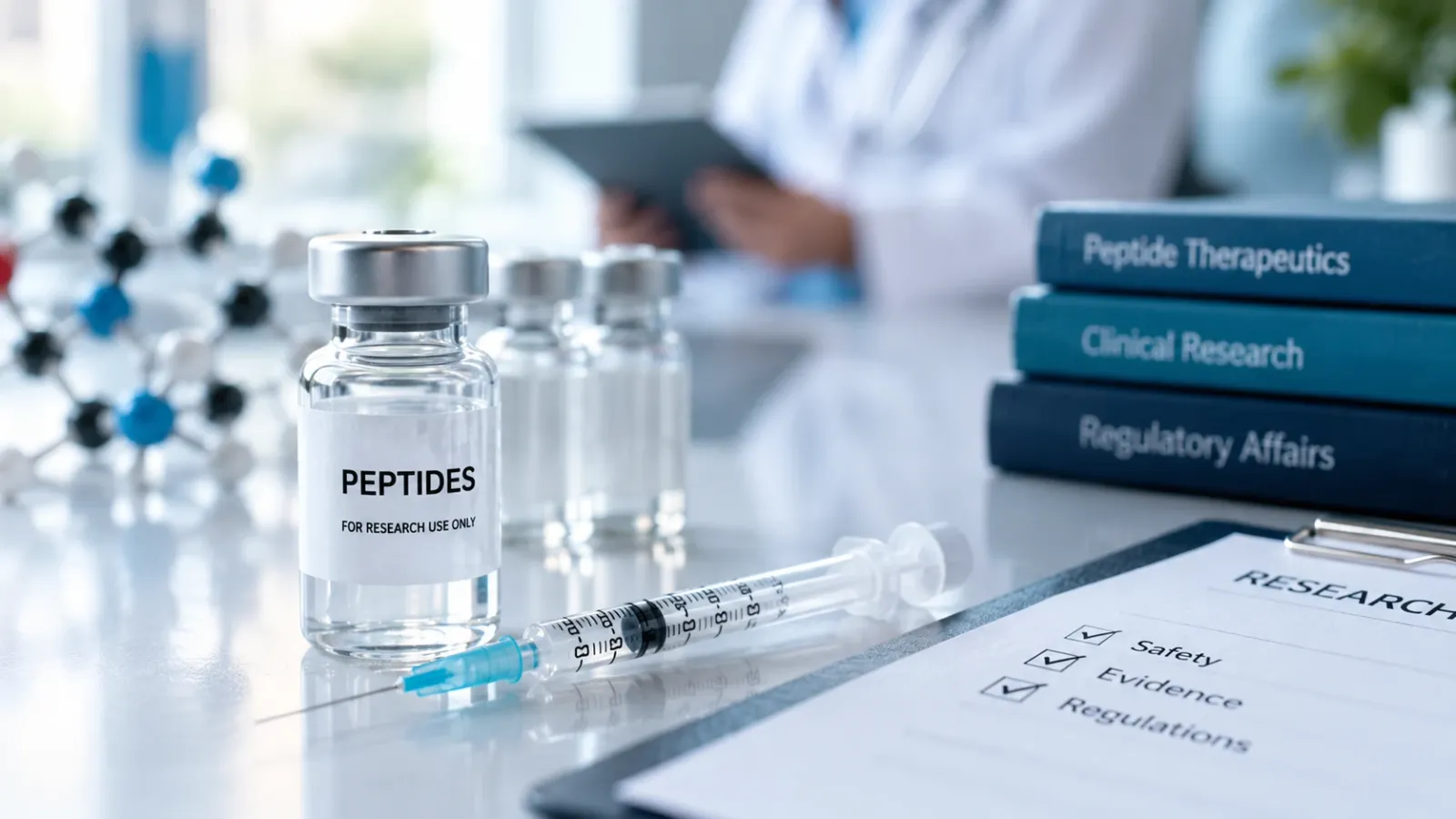
Quick Answer: The fatal cardiac arrest of Australian stuntman Richard Norton highlights the severe cardiovascular dangers linked to unapproved peptides injections such as CJC-1295 and ipamorelin. While regulated peptide medications provide established clinical benefits for specific conditions, unapproved products obtained through compounding or online markets pose grave risks of dosing errors, myocardial strain, and product contamination.
Key Takeaways:
- A Victorian coronial finding determined that Richard Norton died from cardiac arrest provoked by supra-physiological doses of unapproved peptide secretagogues.
- Peptides are amino acid chains serving as targeted signaling molecules, but unvetted stimulation of human growth hormone pathways carries profound cardiovascular consequences.
- Pharmaceutical-grade peptides evaluated by regulatory bodies such as the US FDA in the United States or the TGA in Australia undergo strict safety validation, whereas research-grade vials lack verified sterility and potency.
- Clinical risks associated with unregulated peptide administration include fatal arrhythmias, acute fluid shifts, elevated blood pressure, and microbial contamination.
- In Australia, therapeutic peptides are regulated as Schedule 4 prescription-only substances, making unprescribed importation, possession, or distribution unlawful under national law.
Peptides injections involve the subcutaneous or intramuscular delivery of short-chain amino acid compounds engineered to elicit targeted cellular responses, ranging from insulin modulation to endocrine release. In legitimate medicine, peptide-based therapies represent some of the most critical pharmaceuticals in endocrinology and oncology. However, the rapidly expanding market for unapproved, grey-market wellness peptides exposes consumers to substantial physiological risks, counterfeit formulations, and unmonitored cardiovascular strain.
The Richard Norton Case: What the Victorian Coroner's Finding Revealed
On October 28, 2026, a Victorian coroner determined that 75-year-old Australian actor and stuntman Richard Norton died of a cardiac arrest triggered by self-administering unapproved peptides CJC-1295 and ipamorelin above prescribed amounts, prompting coronial referrals to Australia's Therapeutic Goods Administration (TGA).
The coronial inquest established that Richard Norton had been administering a combination of CJC-1295 and ipamorelin, two synthetic secretagogues designed to stimulate the endogenous production and pulsatile release of human growth hormone (hGH). Expert medical testimony presented during the proceedings confirmed that while Norton had underlying, pre-existing coronary artery disease, the excessive administration of these specific compounds created acute myocardial stress. The sustained hormonal stimulation accelerated his heart rate, increased systemic blood pressure, and ultimately precipitated a fatal ventricular arrhythmia.
Coroner Audrey Jamieson highlighted significant systemic vulnerabilities within the wellness prescribing ecosystem. Norton accessed these substances through specialized medical consultations, yet the substances were not approved therapeutic goods on the Australian Register of Therapeutic Goods (ARTG). Crucially, the coroner noted that patients receiving off-label or compounded substances often lack clear guidance on dosing boundaries and toxicological warning signs. Following the formal findings, the coroner referred the broader regulatory framework governing growth-hormone-releasing peptides to the Australian TGA to help prevent similar fatalities.
What Are Peptides and What Do They Do in the Body?
Peptides are short chains of amino acids, typically containing between 2 and 50 units, that function as biological signaling molecules to instruct cells to secrete hormones, repair tissue, or regulate metabolic functions.
- Amino Acid Assembly: Individual amino acids link together via chemical peptide bonds.
- Molecular Structure: Chains containing between 2 and 50 amino acid units form targeted signaling compounds.
- Receptor Attachment: Once in circulation, the peptide binds to specific receptor sites on target cell surfaces.
- Physiological Action: The binding activates intracellular signaling pathways that direct hormone release, enzyme production, or cellular repair.
To answer the question, "What are peptides and what do they do?", it helps to distinguish them from larger proteins. While proteins contain complex, folded chains of hundreds of amino acids, peptides are smaller, highly specific chemical keys. In healthy physiology, the body produces thousands of distinct endogenous peptides, including:
- Endocrine Regulators: Hormones like insulin and glucagon that govern energy storage and blood glucose concentrations.
- Hypothalamic Signaling Agents: Releasing factors such as growth hormone-releasing hormone (GHRH) and gonadotropin-releasing hormone (GnRH).
- Vascular Mediators: Molecules like angiotensin, which regulate vascular tone, fluid homeostasis, and arterial blood pressure.
- Immune and Healing Modulators: Signaling fragments that coordinate inflammatory cascades, collagen deposition, and cellular migration following tissue trauma.
When an exogenous peptide is injected into subcutaneous tissue, it bypasses the digestive tract, avoiding enzymatic breakdown in the stomach. Once in systemic circulation, it binds directly to cell-surface receptors. Growth hormone secretagogues, for instance, bind to specific receptors in the anterior pituitary gland and hypothalamus. This binding triggers an artificial cascade that prompts the pituitary to release elevated pulses of endogenous growth hormone and downstream insulin-like growth factor 1 (IGF-1).
Why People Inject Peptides: Wellness, Muscle Growth, and Anti-Aging Claims
Individuals frequently inject peptides seeking accelerated athletic recovery, fat reduction, or increased lean muscle mass through stimulated growth hormone release, though many advertised wellness benefits remain unsupported by robust human clinical trials.
The global popularity of lifestyle peptides injections has grown substantially across fitness communities, executive wellness clinics, and anti-aging circles. When exploring the question, "What are peptides used for?" in non-clinical settings, consumers generally seek unapproved compounds to achieve cosmetic or performance outcomes that conventional clinical practice does not support. Common motivations include:
- Body Recomposition: Attempting to reduce visceral fat while preserving skeletal muscle mass through elevated lipolysis.
- Musculoskeletal Recovery: Using synthetic compounds like BPC-157 or TB-500 under the unverified belief that they accelerate tendon, ligament, and cartilage healing.
- Anti-Aging and Vitality: Seeking to reverse age-related declines in endogenous growth hormone levels (somatopause) to improve skin elasticity, sleep quality, and baseline energy.
- Cognitive and Mood Enhancement: Experimenting with neuropeptide fragments marketed as nootropics for focus and neuroprotection.
Despite marketing claims by unlicensed online vendors and certain commercial wellness clinics, many of these lifestyle applications rely solely on preclinical animal studies or small, uncontrolled trials. Compounds like CJC-1295 and ipamorelin have not completed the phase III human clinical trials required to confirm safety and efficacy in healthy populations. Consequently, consumers who purchase these products self-administer experimental chemicals with unknown long-term health consequences.
Approved Peptide Medications vs Unapproved Grey-Market Products
Approved peptide medications, such as GLP-1 receptor agonists evaluated by authorities like the US FDA in the United States or the TGA in Australia, undergo rigorous clinical trials for purity and dosing, whereas grey-market peptides injections sold for research often lack safety oversight, sterility standards, and consistent potency.
A critical divide separates licensed pharmaceutical peptides from the unregulated compounds circulating online. Regulated peptide drugs undergo comprehensive pharmacovigilance, standardized clinical dosing studies, and strict manufacturing audits to prevent endotoxin contamination and chemical degradation. When patients ask what peptides are FDA-approved, clinicians point to therapeutics approved by the US FDA in the United States, such as specific GLP-1 agonists, insulin analogues, and parathyroid hormone fragments, all of which carry well-defined safety profiles.
In contrast, grey-market products are typically sold online labeled as "for research chemical use only" or "not for human consumption." These disclaimers allow distributors to circumvent pharmaceutical safety laws. Laboratory analyses of confiscated or commercially sourced grey-market peptide vials consistently demonstrate significant variations between labeled and actual dosages, heavy metal impurities, truncated peptide fragments, and bacterial endotoxins stemming from non-sterile manufacturing environments.
| Evaluation Metric | Approved Pharmaceutical Peptides | Grey-Market / Research Peptides |
|---|---|---|
| Regulatory Evaluation | Approved by the US FDA in the US, the EMA in Europe, or the TGA in Australia | Not evaluated or approved for human clinical use |
| Manufacturing Standard | Strict Good Manufacturing Practice (GMP) | Unregulated facilities, often non-sterile compounding |
| Clinical Trial Evidence | Multi-phase human trials establishing risk-benefit profile | Limited animal studies or small, uncontrolled data sets |
| Batch Consistency | High purity (typically >99%) and uniform concentration | Highly variable potency, presence of degradation products |
| Common Compound Examples | Semaglutide, teriparatide, insulin, leuprolide | CJC-1295, ipamorelin, BPC-157, melanotan II |
| Adverse Event Reporting | Mandatory reporting through national health authorities | No formal surveillance; adverse events largely unrecorded |
Clinical Risks: Cardiovascular Stress, Contaminants, and Dosing Hazards
Unregulated peptides injections present severe clinical risks including arrhythmias, blood pressure spikes, fluid retention, organ strain from supra-physiological hormone levels, and bloodstream infections from non-sterile compounding or mislabeled dosages.
When reviewing the question, "What are the side effects of peptides?", clinicians distinguish between expected drug-specific actions and the toxicological dangers of unregulated secretagogues. Manipulating the growth hormone axis with substances like CJC-1295, ipamorelin, or GHRP-6 forces the endocrine system into an unnatural state. Growth hormone and IGF-1 directly influence cardiovascular tissues. Chronic or excessive elevation leads to myocardial hypertrophy (enlargement of the heart muscle), structural changes in cardiac myocytes, and endothelial dysfunction.
Cardiovascular risks increase substantially in older individuals or those with asymptomatic atherosclerotic disease. Supra-physiological growth hormone pulses promote acute peripheral fluid retention, which increases vascular resistance and blood pressure. When combined with elevated heart rate, this sudden workload can provoke fatal ventricular arrhythmias or acute myocardial infarction, precisely as demonstrated in the coronial findings regarding Richard Norton.
The clinical risks of unapproved peptides injections encompass several distinct mechanisms:
- Cardiovascular Strain: Acute hypertension, elevated resting heart rate, subclinical cardiomyopathy, and cardiac rhythm disturbances.
- Metabolic Derangement: Impaired glucose tolerance, peripheral insulin resistance, and secondary hyperinsulinemia resulting from sustained growth hormone activity.
- Physical Adverse Effects: Severe peripheral swelling (edema), carpal tunnel syndrome, joint pain (arthralgia), and prolonged lethargy.
- Oncological Concerns: Theoretical acceleration of occult neoplasms driven by prolonged, unmonitored elevation of circulating IGF-1, a potent cellular growth promoter.
- Contamination and Infection Hazards: Subcutaneous abscesses, cellulitis, foreign-body granulomas, and systemic sepsis stemming from unsterile injection practices or contaminated reconstitution water.
If any individual using off-label peptides experiences sudden chest discomfort, unexplained shortness of breath, palpitations, or lightheadedness, they require immediate emergency medical care rather than scheduled outpatient advice.
Australian Regulations and the TGA: What Is Legal?
In Australia, therapeutic peptides are categorized as prescription-only substances (Schedule 4) under the Poisons Standard, making it illegal to import, supply, or possess them without a valid medical prescription, while the TGA actively investigates unapproved compounded formulations.
Under Australian legislation, human growth hormone, its releasing factors, and synthetic mimetics are tightly controlled. The Therapeutic Goods Administration (TGA) restricts these compounds because of their potential for abuse, sports doping, and severe adverse health outcomes. When consumers ask, "Are peptides illegal in Australia?", the legal framework depends entirely on medical authorization and regulatory compliance.
Under the Therapeutic Goods Act 1989 and related state poisons legislation:
- Importation Prohibitions: Individuals cannot legally import unapproved peptides via overseas websites using the Personal Importation Scheme unless strict criteria and formal permits are fulfilled. The Australian Border Force routinely intercepts and seizes undeclared peptide shipments.
- Prescription Rules: A registered Australian medical practitioner may only prescribe Schedule 4 peptides if there is a verified, evidence-based clinical indication. Prescribing unapproved peptides purely for cosmetic, athletic, or anti-aging reasons exposes practitioners to professional misconduct investigations by the Medical Board of Australia.
- Compounding Oversight: Following multiple safety incidents, the TGA and the Pharmacy Board of Australia have tightened restrictions on compounding pharmacies manufacturing custom peptide blends. Producing bulk, non-standardized formulations of substances lacking proven clinical safety is strictly prohibited.
- Supply Penalties: Supplying, advertising, or retailing Schedule 4 substances without regulatory authority carries substantial criminal penalties, including heavy financial fines and custodial sentences.
Questions to Ask a Doctor Before Considering Any Peptide Therapy
Before initiating any peptide regimen, patients should ask their physician whether the substance is formally approved by national regulators such as the US FDA in the United States or the TGA in Australia, what clinical trial data demonstrates its efficacy for their specific condition, and how purity and cardiac safety are monitored.
Patients exploring peptide therapies, particularly for recovery, weight management, or chronic conditions, must engage their primary healthcare provider in an objective, transparent dialogue. Legitimate medical care avoids unsubstantiated promises and prioritizes objective baseline diagnostics.
To ensure safety and clinical validity, discuss these essential questions:
- What is the formal regulatory status of this substance? Confirm whether the product is entered on the ARTG by the TGA in Australia or approved by the US FDA in the United States, rather than an unvetted research compound or custom compounded blend.
- What peer-reviewed evidence supports using this compound for my specific health issue? Request published phase III human clinical data rather than animal literature or anecdotal claims.
- What baseline screening is necessary before starting? A comprehensive workup should include an electrocardiogram (ECG), blood pressure profiling, lipid panels, fasting glucose, HbA1c, and baseline IGF-1 levels.
- How will my cardiovascular and endocrine functions be monitored over time? Establish a structured schedule for recurring blood tests, blood pressure checks, and symptom reviews.
- What are the specific warning signs that warrant stopping treatment immediately? Ensure you understand which symptoms, such as peripheral swelling, joint pain, headaches, or palpitations, indicate adverse systemic stress.
- Where is this medication manufactured and tested? Ensure any prescribed pharmaceutical comes from a licensed, regulated manufacturer with audited quality-assurance standards, rather than an unverified compounding pharmacy or internet source.
Frequently Asked Questions
Why Are People Injecting Peptides?
People inject peptides primarily to circumvent natural physiological limits on tissue recovery, body fat reduction, and muscle hypertrophy. Driven by commercial wellness marketing and social media claims, consumers seek to recreate the biological benefits of human growth hormone or accelerated healing without using traditional anabolic steroids. However, because these lifestyle applications usually rely on unapproved compounds, users assume substantial health and legal hazards without verified clinical proof of efficacy.
How Do Secretagogues Like CJC-1295 and Ipamorelin Affect the Heart?
Secretagogues force the pituitary gland to release unnatural, continuous pulses of growth hormone, which in turn triggers elevated circulating IGF-1. Over time, these elevated hormones promote fluid retention, expand blood volume, increase vascular resistance, and raise blood pressure. In patients with established or subclinical cardiovascular disease, this elevated workload can destabilize vascular plaques, induce ventricular arrhythmias, or cause acute heart failure.
Can Compounding Pharmacies Legally Dispense Custom Peptide Blends?
In Australia and the United States, compounding pharmacies may only prepare customized medications when an authorized medical practitioner issues a prescription tailored to an individual patient's documented clinical need, such as an allergy to an excipient in an approved drug. Compounding pharmacies are strictly barred from mass-producing copies of commercially available drugs or compounding unapproved biological substances that have been restricted by regulators such as the US FDA in the United States or the TGA in Australia due to safety concerns.
What Should Someone Do if Experiencing Adverse Effects From Peptide Injections?
Anyone experiencing acute symptoms such as chest pain, irregular heartbeat, sudden breathlessness, or severe dizziness during or after using peptides injections must contact emergency medical services immediately. If adverse symptoms are non-urgent, such as localized swelling, persistent headaches, or joint fluid retention, the individual should stop the injections immediately, retain the product packaging for toxicological analysis, and consult an independent primary care physician.
Not sure which hospital is right for your case?
Upload your medical reports and our AI will match them against the verified capabilities of every hospital in our network.
- Upload your reports (no account needed)
- Our AI matches your case with hospitals that can actually treat it
- You choose who receives your case. We present it in the hospital's own language, and the hospital replies directly to you
Free and anonymous. Your documents stay private until you decide to send them.