

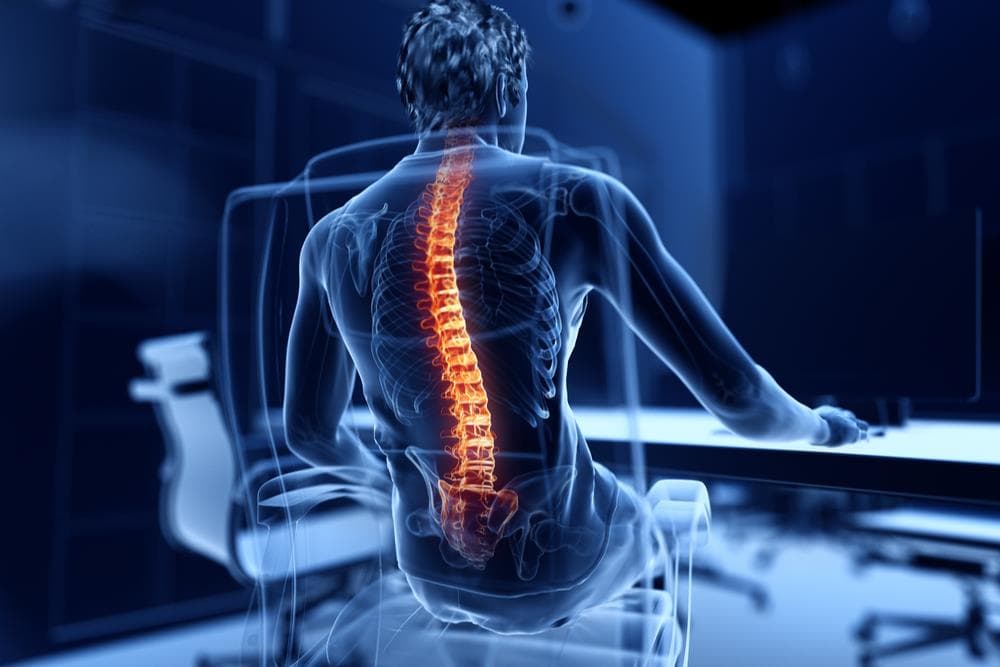
Spine Surgery

Spine Surgery is available at 32 hospitals across 13 cities in the Voumed network.
32 hospitals provide care in this specialty across 7 countries through the Voumed network; 21 of them hold JCI accreditation.
Spine surgery diagnoses and treats the full range of spinal disorders in children and adults, from everyday back and neck pain to herniated disc, spinal stenosis, scoliosis, fractures, infections and tumours. Its defining strength is that decisions are shared between several specialties, so that surgery is offered only when it is truly the best option and many people are helped without an operation at all. Patients travel abroad for this care because it brings together experienced spine surgeons, advanced imaging and navigation, and minimally invasive techniques that can mean smaller scars and a faster recovery. The goal throughout is to relieve pain, protect the nerves and restore movement, with a plan built around the individual.
Key takeaways
- The case is reviewed by orthopaedic and neurosurgical spine specialists together with rehabilitation, so an operation is proposed only when the shared verdict points that way.
- Most disc problems settle with exercise, posture work and injections, and surgery enters mainly when a nerve is weakening or the pain refuses to lift.
- When an operation is needed the aim is the smallest step that solves it, often a fragment taken out through an opening barely wider than the instrument.
- Nerve monitoring runs without interruption during major work, so the cord and the nerve roots are watched in real time while implants are seated.
- Long flights are restricted straight after major spinal work, so the patient stays near the hospital for one to several weeks before travelling.
On this page
At a glance
- Sub-specialties
- degenerative spine surgery, spinal deformity surgery (scoliosis and kyphosis), minimally invasive and endoscopic spine surgery, cervical spine surgery, spinal tumour surgery, spinal trauma surgery, paediatric spine surgery
- Common procedures
- microdiscectomy and endoscopic discectomy, decompression for spinal stenosis, spinal fusion and instrumentation, scoliosis correction, vertebral fracture fixation, cervical disc surgery
- Common reasons to travel
- experienced spine teams, a shared orthopaedic and neurosurgical assessment, minimally invasive and navigated technology, shorter waiting times
- Typical hospital stay
- 1 to 3 days for keyhole disc surgery, longer for fusion, deformity correction or tumour surgery
- Anaesthesia
- general anaesthesia for most operations, with nerve monitoring during major spinal work
- Typical first step
- a remote review of your imaging and reports, followed by an in person assessment by a combined spine team
Overview
The spine is a column of bones (vertebrae) cushioned by discs and held together by ligaments and muscles, protecting the spinal cord and the nerves that branch from it to the rest of the body. When a disc, a joint, the bony canal or the alignment of the spine is affected, the result can be pain, stiffness, numbness, weakness or, in serious cases, problems with walking or with bladder and bowel control. Spine surgery covers all of these conditions across every age, from a child with a developing curve to an older adult with a worn, narrowed spine. A defining feature of modern spine care is the combined assessment, in which orthopaedic and neurosurgical spine surgeons and physical medicine and rehabilitation specialists review each case together, balancing surgical and non-surgical options so the chosen plan reflects the whole picture.
Conditions and sub-specialties
Degenerative spine work treats the wear-related conditions that become more common with age: herniated disc in the lower back or neck, narrowing of the spinal canal (spinal stenosis), slippage of one vertebra on another (spondylolisthesis) and the long-standing back and neck pain that often accompanies them. Deformity surgery corrects abnormal curves of the spine, scoliosis (a sideways curve) and kyphosis (a forward curve), which often appear in childhood and adolescence and may progress as a young person grows. Cervical spine surgery focuses on the neck, where a disc or bone spur can press on the spinal cord or a nerve. Spinal tumour surgery removes growths of the vertebrae or within the spinal canal, while trauma surgery stabilises fractures from injury or from weakened, osteoporotic bone. Spine infections, although less common, are also treated here. Throughout, paediatric spine care addresses the particular needs of growing children.
Common treatments and procedures
Many spine problems improve without surgery, and conservative care, including physical medicine and rehabilitation, targeted exercise, posture work and injections, is usually the first step for back and neck pain and for many herniated discs. When an operation is needed, the modern emphasis is on doing the least that solves the problem. For a herniated disc that presses on a nerve, microdiscectomy or full endoscopic discectomy removes the offending fragment through a very small opening. For spinal stenosis, decompression relieves pressure on the nerves. When the spine is unstable or being straightened, fusion and instrumentation with screws and rods hold the corrected position while it heals, and for some growing children a fusionless technique can guide a curve while preserving movement. Vertebral fractures may be stabilised with cement (vertebroplasty or kyphoplasty) or with instrumentation, and tumours are removed and the spine reconstructed as needed. Wherever it is suitable, minimally invasive and navigated techniques are used to reduce the impact of surgery and speed recovery.
Diagnostics and technology
Because the same symptom, such as back pain, can have many different causes, careful assessment is the foundation of good spine care. Diagnosis combines a thorough clinical examination with imaging: plain x rays show the bones and alignment, magnetic resonance imaging (MR) shows the discs, nerves and spinal cord in detail, and computed tomography (CT) shows the bony anatomy, while standing and bending views and specialised studies help with deformity and instability. In the operating theatre, intraoperative imaging and surgical navigation guide the precise placement of implants, and nerve monitoring continuously checks the spinal cord and nerves during major operations to keep them safe. This technology, combined with the shared decision of the spine team, means the cause of a problem is clearly understood and the safest, most effective plan is chosen before any treatment begins.
What to expect as an international patient
For people travelling from abroad, the journey usually begins remotely, with a review of your MR and other imaging, reports and history, so that a provisional plan and a realistic idea of any operation and recovery can be shared before you arrive. On arrival, an in person assessment by the combined spine team and any further imaging confirm the diagnosis and plan. Keyhole disc surgery typically means a hospital stay of 1 to 3 days and an early return to gentle activity, while fusion, deformity correction or tumour surgery needs a longer stay and a more structured recovery, often with a planned course of rehabilitation. Most patients are advised to stay in the destination area for one to a few weeks after discharge so wounds can be checked, early mobilisation can be supervised and fitness to fly confirmed, since long flights soon after major spine surgery are limited. Interpreter and international patient services support the whole process, and your team will arrange remote follow up and, where helpful, a rehabilitation plan you can continue at home.
Frequently asked questions
These answers are general guidance and may vary by provider. Confirm the details with the hospital you choose.
What does a spine surgeon treat?
A spine surgeon treats disorders of the spine in children and adults, including back and neck pain, herniated disc, spinal stenosis, scoliosis and kyphosis, spondylolisthesis, spinal fractures, spine infections and spinal tumours. Care is shared between orthopaedic and neurosurgical spine specialists and rehabilitation, so both surgical and non-surgical options are considered.
Does a herniated disc always need surgery?
No. Many herniated discs improve with non-surgical care, including physical medicine and rehabilitation, exercise and injections. Surgery is considered when the pain is severe, when there is significant nerve weakness or numbness, or when symptoms do not respond, and it is then often done by keyhole or endoscopic methods through a very small opening.
Will my surgery be minimally invasive?
Wherever it is suitable, spine surgery is done by minimally invasive or endoscopic methods that use small openings and surgical navigation, which can mean smaller scars, less pain and a faster recovery. More extensive open surgery is used when it is the right choice, for example for a major deformity, instability or a tumour, and your team will explain which approach fits your case.
How many days will I spend in hospital?
For disc surgery done through a keyhole opening, most people are in hospital 1 to 3 days. Operations to fuse the spine, straighten a deformity or remove a tumour call for a longer admission and a recovery that is more carefully staged. Once your plan is agreed the team gives you an individual estimate, together with advice on activity and rehabilitation.
When can I fly home after spine surgery?
Taking a long flight very soon after major spinal work is risky, so the usual advice after discharge is to remain in the treatment area for anywhere from one week to a few, until the wounds are settling, walking and moving are progressing well, and the surgeon signs off on air travel. Recovery from keyhole disc surgery is quicker, so the wait is generally shorter; either way you receive clear written guidance before booking the journey back.
Will there be interpreter and language support?
Yes. International patient services commonly include interpreters and coordinators who help with appointments, consent, instructions and everyday questions, so that language is never a barrier to safe care during spine treatment and recovery.
How will follow up and rehabilitation work once I am home?
Before you leave, your surgeon will give you a written recovery plan and, where helpful, a rehabilitation programme you can continue with a clinician near your home. Remote follow up by message, photo or video lets your team review your progress and any local imaging, and they stay reachable for questions as your spine heals and your strength returns.
Not sure which hospital fits your case?
Upload your medical records and let AI match you to the right hospital.
Upload records and get matchedAvailable in these cities
Not sure which hospital fits your case?
Upload your medical records and let AI match you to the right hospital.
Upload records and get matched