

Spine Surgery
Istanbul

Spine Surgery care in Istanbul is available at 12 hospitals in the Voumed network, with 1 related treatment.
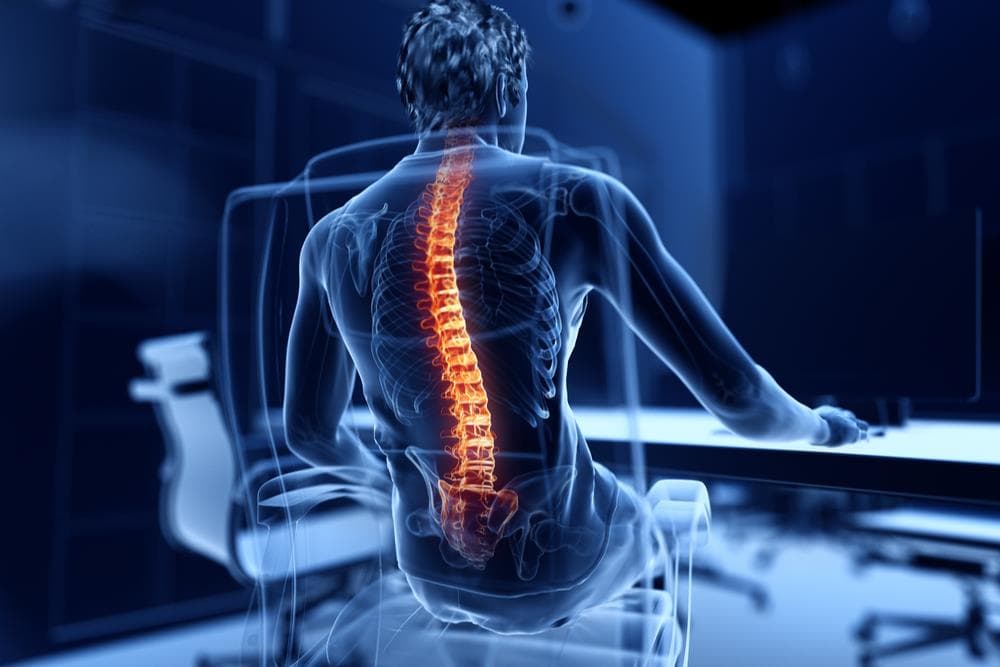
Spine surgery diagnoses and treats the full range of spinal disorders in children and adults, from everyday back and neck pain to herniated disc, spinal stenosis, scoliosis, fractures, infections and tumours. Its defining strength is that decisions are shared between several specialties, so that surgery is offered only when it is truly the best option and many people are helped without an operation at all. Patients travel abroad for this care because it brings together experienced spine surgeons, advanced imaging and navigation, and minimally invasive techniques that can mean smaller scars and a faster recovery. The goal throughout is to relieve pain, protect the nerves and restore movement, with a plan built around the individual.
At a glance
- Sub-specialties
- degenerative spine surgery, spinal deformity surgery (scoliosis and kyphosis), minimally invasive and endoscopic spine surgery, cervical spine surgery, spinal tumour surgery, spinal trauma surgery, paediatric spine surgery
- Common procedures
- microdiscectomy and endoscopic discectomy, decompression for spinal stenosis, spinal fusion and instrumentation, scoliosis correction, vertebral fracture fixation, cervical disc surgery
- Common reasons to travel
- experienced spine teams, a shared orthopaedic and neurosurgical assessment, minimally invasive and navigated technology, shorter waiting times
- Typical hospital stay
- 1 to 3 days for keyhole disc surgery, longer for fusion, deformity correction or tumour surgery
- Anaesthesia
- general anaesthesia for most operations, with nerve monitoring during major spinal work
- Typical first step
- a remote review of your imaging and reports, followed by an in person assessment by a combined spine team
Not sure which hospital fits your case?
Upload your medical records and let AI match you to the right hospital.
Upload records and get matchedAvailable at these hospitals

Liv Hospital Ulus
 istanbul

- Specialties
- 24
Liv Hospital Vadistanbul
istanbul
- Specialties
- 24

Acıbadem Maslak Hospital
istanbul
- Specialties
- 29
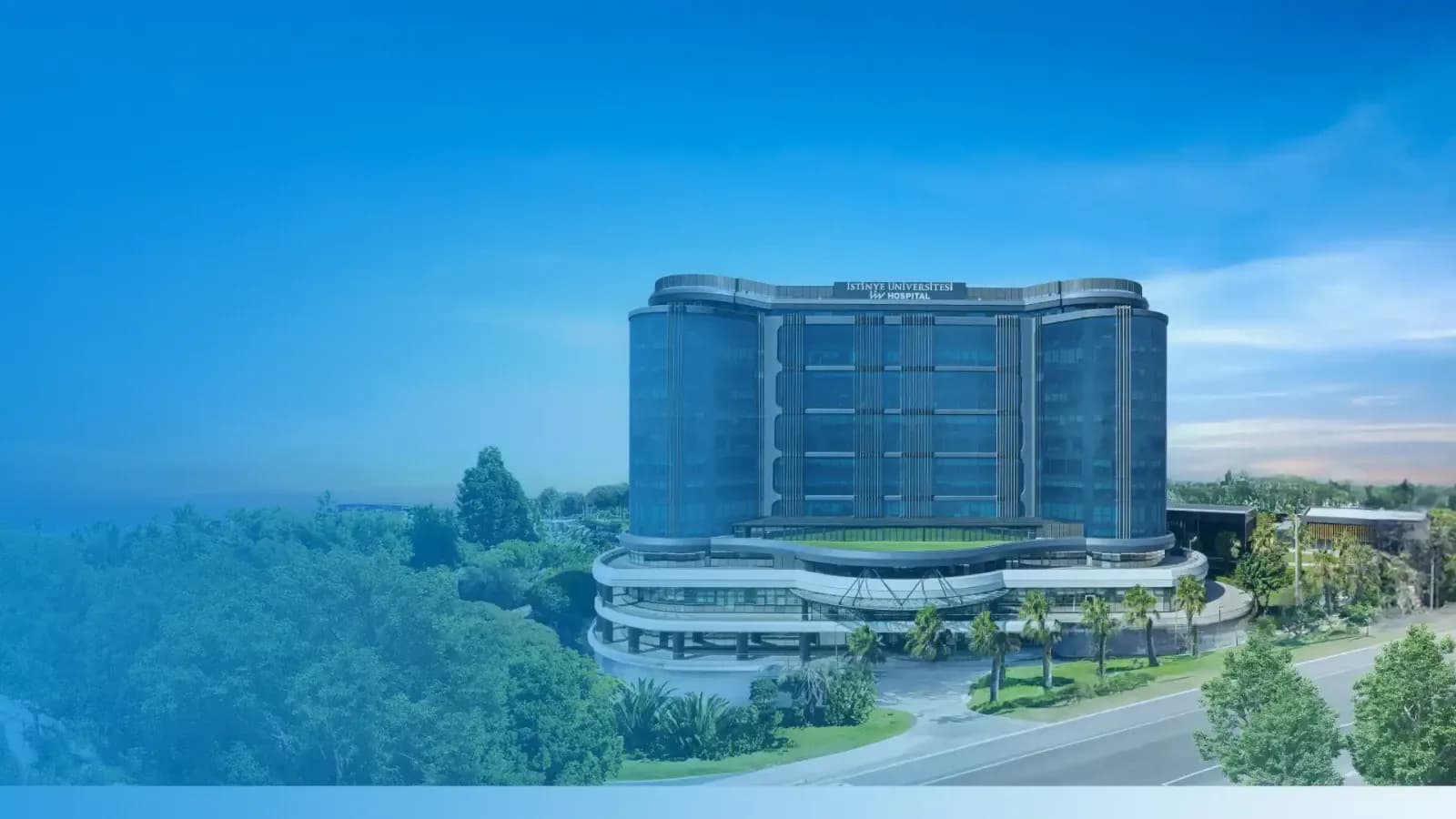
Liv Hospital Topkapı
istanbul
- Specialties
- 19

Acıbadem Altunizade Hospital
istanbul
- Specialties
- 28

Acıbadem Ataşehir Hospital
istanbul
- Specialties
- 29
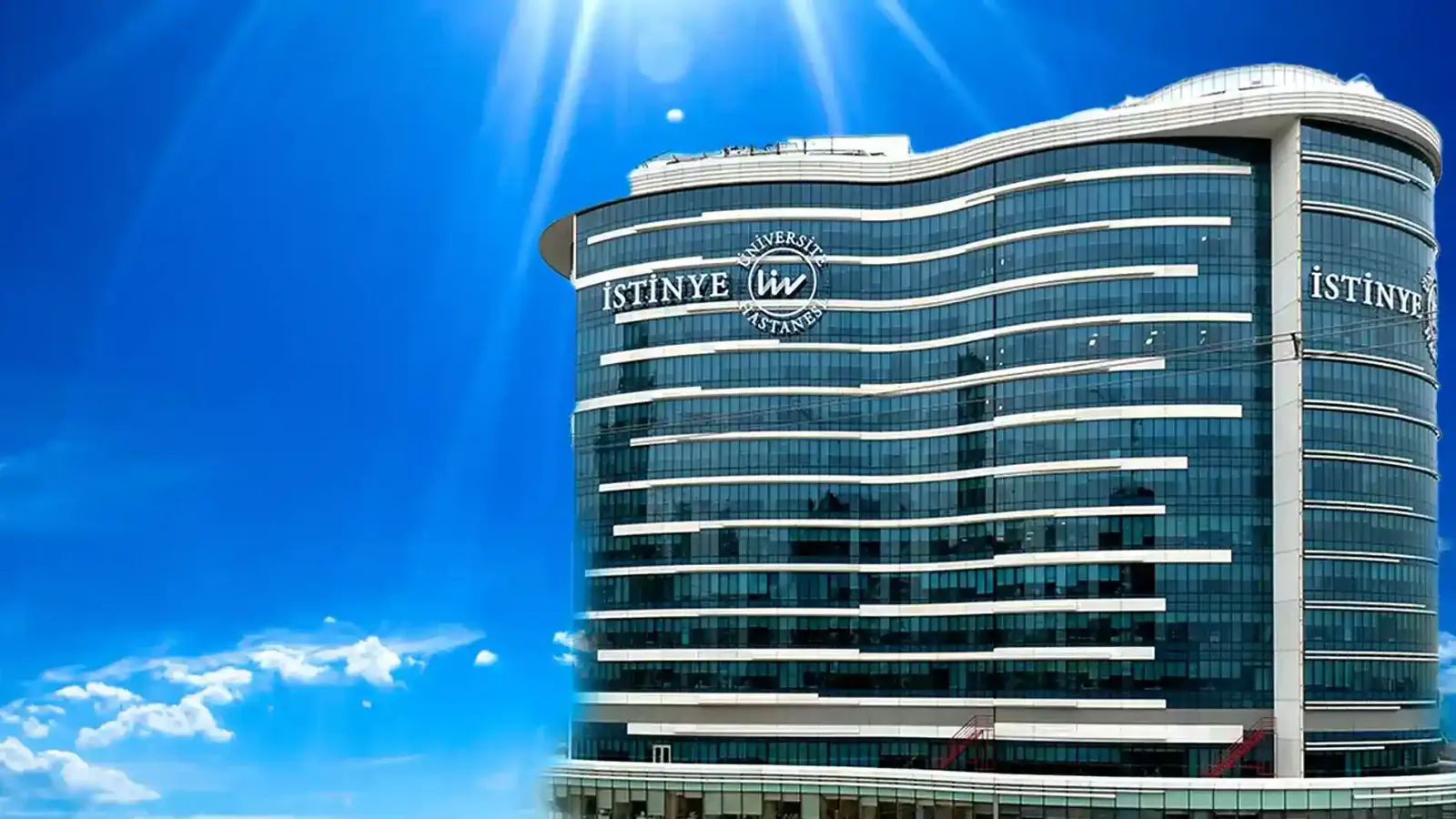
Liv Hospital Bahçeşehir
istanbul
- Specialties
- 24
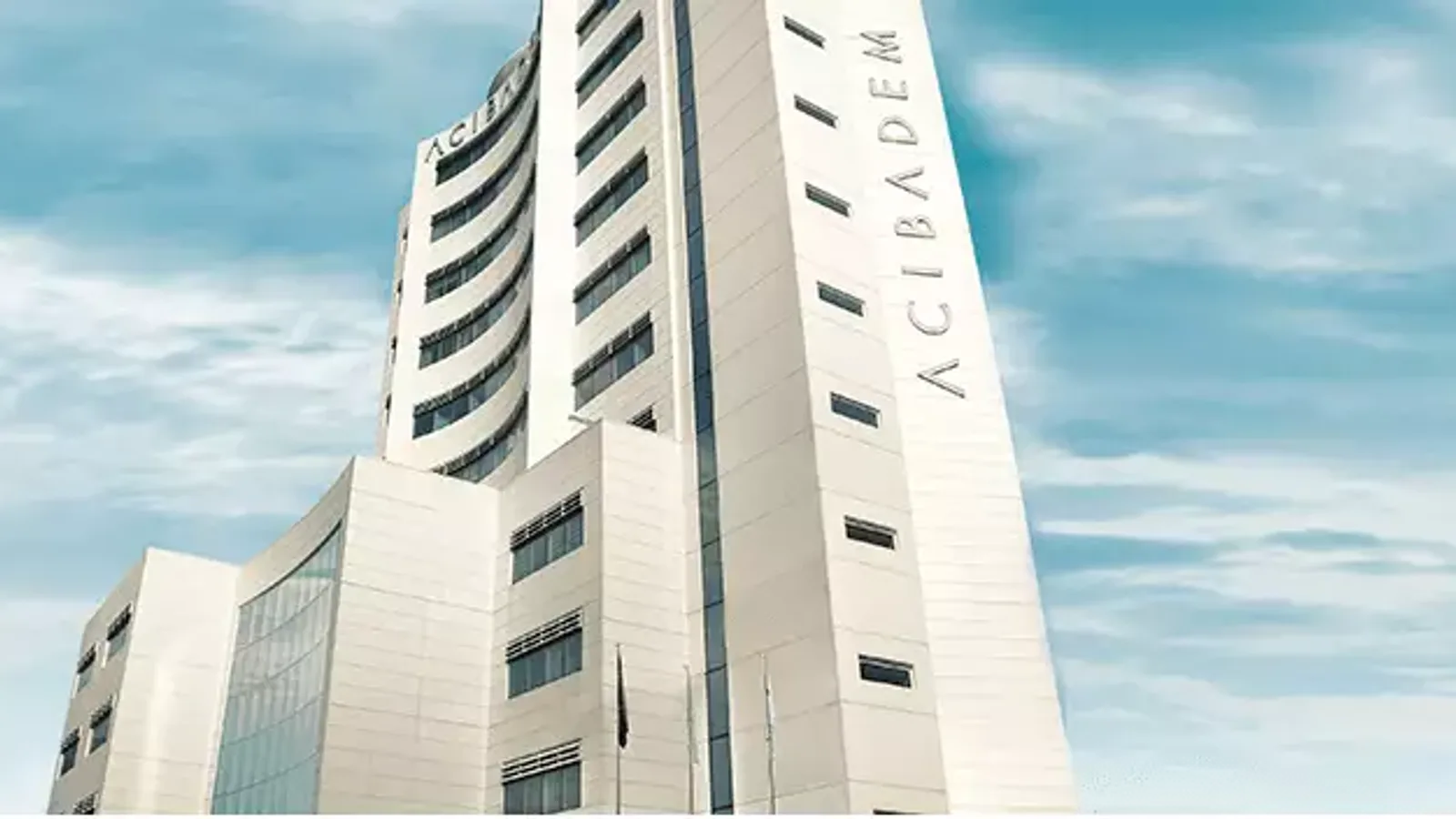
Acıbadem Fulya Hospital
istanbul
- Specialties
- 23


Memorial Bahçelievler Hospital
istanbul
- Specialties
- 31
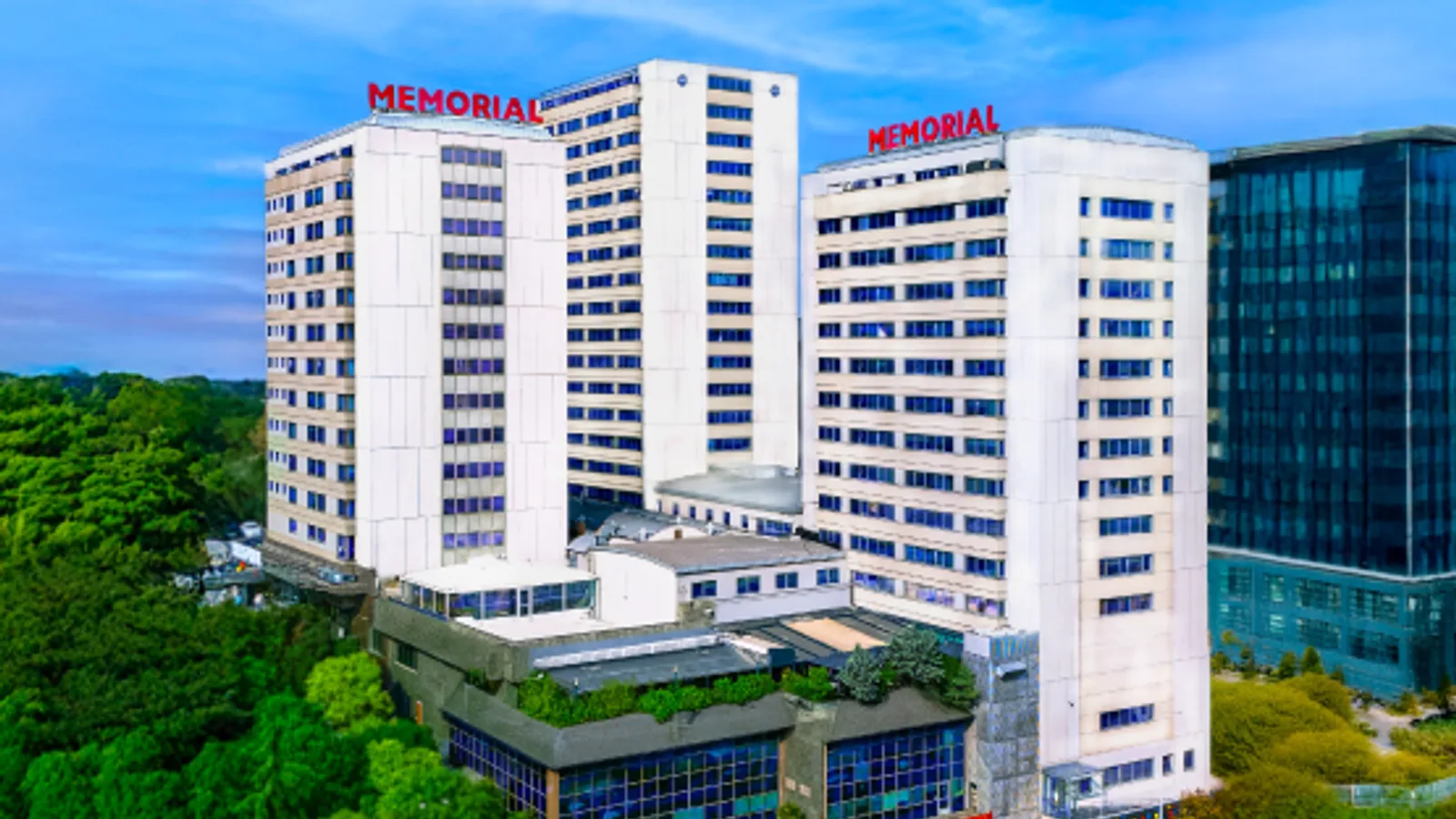
Memorial Şişli Hospital
istanbul
- Specialties
- 29
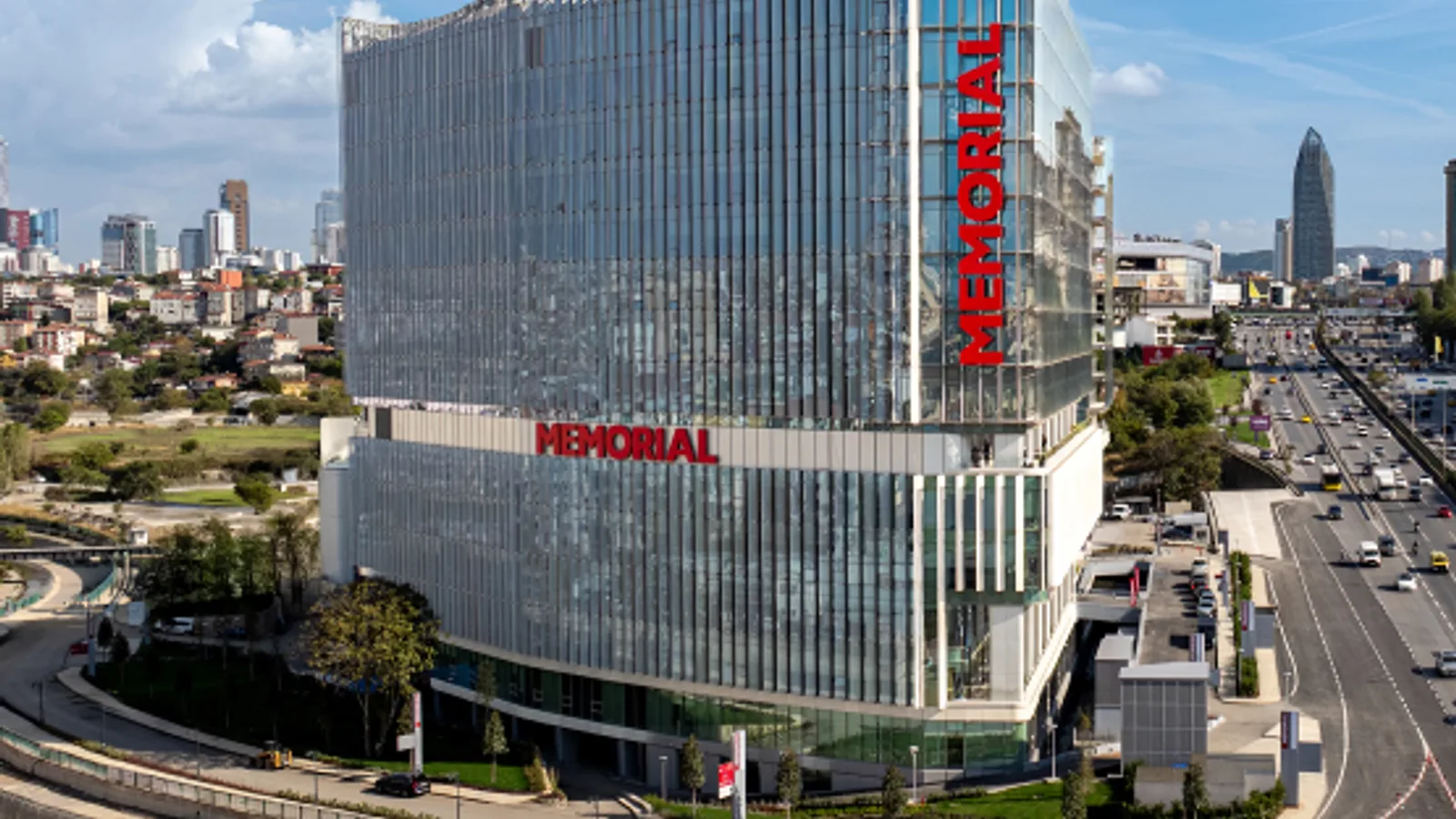
Memorial Göztepe Hospital
istanbul
- Specialties
- 25
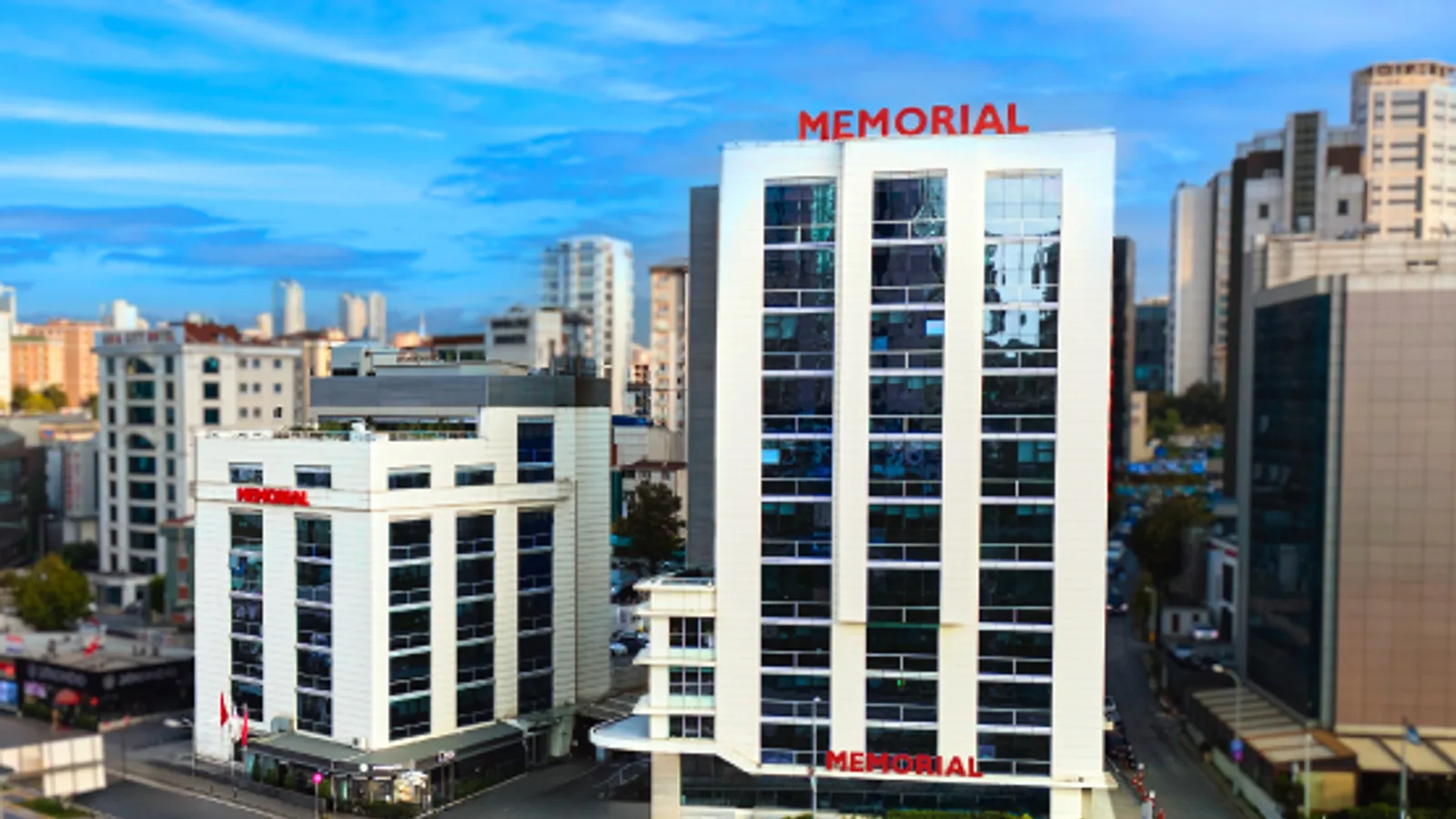
Memorial Ataşehir Hospital
istanbul
- Specialties
- 28
Procedures
Technologies and equipment
O-Arm
The O-arm is an intraoperative imaging system that rotates a full circle around the patient to produce real-time, high-resolution cross-sectional images while surgery is underway. In effect it brings a mobile CT-style scanner into the operating room, so the surgeon can see the exact position of bone, instruments and implants at the moment they are being placed, rather than relying only on images taken before the operation. It is used mainly in spine, brain and nerve, and orthopaedic trauma surgery, where it gives precise guidance for critical steps and supports greater accuracy and safety.
3 Tesla MRI
3 Tesla MRI is a high-field magnetic resonance imaging scanner that produces exceptionally detailed pictures of the inside of the body. The "3 Tesla" refers to the strength of its magnet, which is about twice that of a standard MRI scanner, and this extra power allows sharper, higher-resolution images, often in less time. Like all MRI, it uses a strong magnetic field and radio waves rather than X-rays, so there is no ionising radiation involved. It is especially valuable for examining the brain, the nervous system, joints and soft tissues, helping doctors detect and characterise problems that may be hard to see on other scans.
Intraoperative MRI
Intraoperative MRI, also called operating room MRI, brings the power of magnetic resonance imaging directly into surgery. A specially designed scanner, integrated into the operating room, lets the surgical team obtain detailed pictures of the brain or spine while the operation is still under way. This means the surgeon can check progress during the procedure rather than waiting for a scan afterwards. Like all MRI, it uses a magnetic field and radio waves instead of X-rays, so it adds no ionising radiation. It is especially valuable for delicate tumour surgery, where seeing the result in real time can improve the outcome.
Intraoperative Neuromonitoring
Intraoperative neuromonitoring is a technology that continuously checks the function of nerves and the spinal cord while brain and spine surgery is being performed. Small sensors record the electrical activity that travels along the nerves, so the surgical team gets a live warning the moment a sensitive nerve is at risk, before any lasting damage occurs. This early warning lets the surgeon adjust technique in real time and is used to help protect movement, sensation, hearing and other vital functions. It is a key safety tool in operations close to the brain, spinal cord and critical nerves.
Not sure which hospital fits your case?
Upload your medical records and let AI match you to the right hospital.
Upload records and get matched