DHI Hair Transplant

DHI Hair Transplant

Istanbul

DHI Hair Transplant in Istanbul is available at 3 hospitals in the Voumed network.

DHI hair transplant, also called direct hair implantation or the no-shave method, places each follicle straight into the scalp with a fine implanter pen, without first opening separate channels. Because the pen makes the opening and sets the graft in one movement, existing hair is protected, bleeding and crusting are reduced, and the recipient area can often be treated without being shaved. Patients travel abroad for DHI to reach experienced hair-restoration teams, to densify thinning areas discreetly, and to combine the procedure with a short, restful stay while the scalp settles. The transplanted follicles come from a permanently resistant donor zone, so once they regrow the result is natural and lasting.

On this page

At a glance

Anaesthesia
local anaesthesia, sometimes with light sedation
Hospital stay
day case, no overnight stay needed
Procedure time
about 6 to 8 hours, depending on the number of grafts
Recovery
light crusting clears within about a week; back to office work in 2 to 3 days
Time before flying home
usually 2 to 3 days, after the first wash and a check
Results visible
early growth from month 3, full natural density at about 12 months

What it is

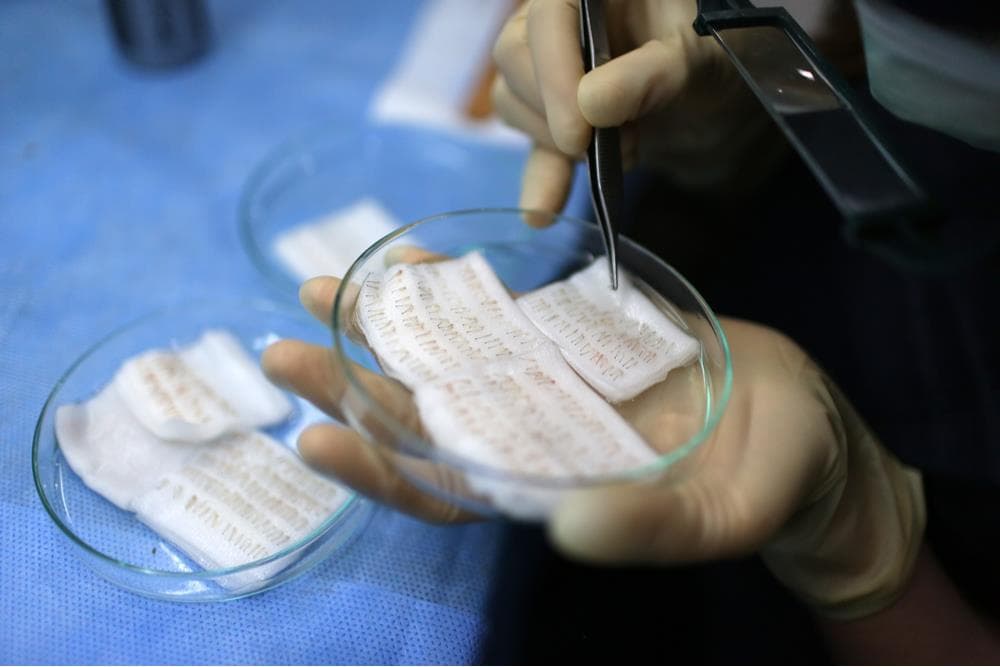
DHI is a technique for moving healthy hair follicles from a donor area, usually the back and sides of the scalp, into areas that are thinning or bald. The follicles are first taken one by one with a fine micromotor, then loaded individually into implanter pens, often called Choi pens, sized to each graft. Through the tip of the pen the follicle is placed directly into the recipient area, so the surgeon opens the channel and inserts the graft in a single step rather than opening all the channels first and filling them afterwards. Because the opening matches the exact thickness of the follicle, there is less seepage and bleeding, the angle and direction of each hair can be controlled precisely, and the surrounding hair is largely undisturbed. The donor follicles are genetically resistant to the hormone that causes pattern hair loss, which is why the transplanted hair keeps growing for life.

When it is recommended

DHI is most often chosen for pattern hair loss, the gradual thinning that affects the hairline, temples and crown, and for restoring or lowering a receding hairline. It is especially suited to densifying areas that still have some hair, because the shave-free approach lets new grafts be added among existing strands without cutting them. It is also used to reshape the hairline, fill scars, and add density to eyebrows or a beard, where precise angle control matters. A good candidate has a stable donor area with enough healthy follicles and hair loss that has settled into a predictable pattern. Where loss is still advancing quickly or the bald area is very large, a team may recommend the broader FUE approach or a staged plan, since the result depends on having enough donor hair to redistribute.

How it is performed

The session begins with a high-magnification analysis of the hair and scalp to measure density, map the area of heaviest loss and estimate how many grafts can be safely harvested. The hairline and the treatment area are then designed and agreed with the patient. The donor area is numbed with local anaesthesia, sometimes with light sedation for comfort, and the follicles are harvested one at a time and kept in a cooled protective solution. After the recipient area is numbed, the grafts are loaded into the implanter pens and placed from the front of the design toward the thinner zones, each one set at the natural angle, direction and depth of the surrounding hair. Because no separate channel-opening step is needed and only a limited area is trimmed, much of the existing hair is preserved. The whole session usually takes about 6 to 8 hours depending on the number of grafts, and it is carried out as a day procedure with no overnight stay.

Candidacy and preparation

A suitable candidate is in good general health, has a donor area dense enough to supply the grafts needed, and holds realistic expectations about coverage and density. Planning can begin remotely: clear photographs of the front, top, crown and donor area, along with a short health questionnaire, let the team estimate graft numbers and design before travel, with the final analysis confirmed in person on arrival. Smoking and certain blood-thinning medicines and supplements slow healing and increase bleeding, so they are paused in advance on medical advice. Alcohol is avoided for a few days beforehand. On the day, the scalp is washed and the donor and recipient areas prepared, and the patient is asked to wear comfortable, button-front clothing so nothing is pulled over the head afterwards.

Recovery and planning your treatment abroad

DHI is a day procedure, so most patients return to their accommodation the same evening. Tiny crusts form where each graft was placed and around the donor area; these are normal and clear within about a week. The first wash is usually done at the clinic a day or two later, with careful instructions for gentle washing at home. Light swelling on the forehead can appear in the first days and settles quickly. The transplanted hairs shed at around two to three weeks, which is expected and not a loss of the grafts; new growth begins from about the third month, thickens through months six to nine, and reaches full natural density at about one year. For an international trip, staying in the destination city for about 2 to 3 days is usually enough, so the first wash and a check can be done before flying. Air travel is comfortable once the team confirms the grafts are secure, and a hat or loose hood can be worn for sun protection. Follow-up afterwards continues remotely by message, photo or video, and international patient teams commonly arrange interpreters and coordinators so language is never a barrier.

Risks, safety and results

Performed by an experienced team in a proper clinical setting, DHI is a safe, well-established procedure with a short recovery. Expected early effects include light crusting, mild redness, temporary numbness and short-lived forehead swelling, all of which settle within days. Less common risks include minor infection, folliculitis (small inflamed bumps as hairs regrow), patchy growth if grafts are not handled well, and temporary shedding of nearby existing hair that usually recovers. Choosing a qualified team, protecting the grafts in the first days and following the aftercare plan are the keys to a safe experience and a dense, natural result. Because the donor follicles resist the hormone behind pattern loss, the transplanted hair is permanent, though hair that was never transplanted can keep thinning, which is why a long-term plan is discussed from the start.

Frequently asked questions

These answers are general guidance and may vary by provider. Confirm the details with the hospital you choose.

Will my head be shaved for a DHI hair transplant?

Often not. DHI is known as the no-shave method, and in many cases only the donor area or a limited zone is trimmed, while the recipient area is left unshaved. This makes it well suited to densifying areas that still have hair without cutting the surrounding strands, though very large transplants may still need wider trimming.

Is DHI done under local or general anaesthesia?

DHI is performed under local anaesthesia, sometimes with light sedation for comfort, so you stay awake but feel no pain during harvesting or implantation. General anaesthesia is not needed for a hair transplant.

How many days should I plan to stay abroad?

Most people plan about 2 to 3 days in the destination city. That covers the procedure itself, a rest day, the first gentle wash and a check before you fly home.

Is the procedure painful?

The anaesthetic injections cause brief stinging, after which the scalp is numb and the procedure itself is not painful. Afterwards there is mild tenderness and tightness rather than sharp pain, and simple painkillers manage it easily.

When can I fly home after the transplant?

Most patients fly home 2 to 3 days after the procedure, once the first wash is done and the team confirms the grafts are secure. A loose hat or hood protects the area during travel and from the sun.

When will I see the final result?

The transplanted hairs shed at two to three weeks, which is normal, then new growth starts from about the third month. Density builds through months six to nine, and the full, natural result appears at around one year.

Are DHI results permanent?

Yes. The transplanted follicles are taken from the donor zone that resists the hormone causing pattern hair loss, so once they settle and regrow they keep growing for life. Untransplanted hair can still thin over time, which is why a long-term plan is discussed with you.

How does follow-up work once I am home?

Your team gives you a written aftercare plan, including washing, sleeping position and what to avoid, and stays reachable for remote follow-up by message, photo or video. They review your growth at intervals over the year, and interpreter support is available throughout.

Not sure which hospital fits your case?

Upload your medical records and let AI match you to the right hospital.

Upload records and get matched

Available at these hospitals

Specialties

Not sure which hospital fits your case?

Upload your medical records and let AI match you to the right hospital.

Upload records and get matched