Breast Aesthetic Surgery
Istanbul
Breast Aesthetic Surgery in Istanbul is available at 12 hospitals in the Voumed network.
Breast aesthetic surgery covers the family of operations that restore or refine the size, shape and position of the breasts, from enlargement with implants or the woman's own fat, to reduction of overly large breasts, to a lift that raises sagging tissue. The aim is always a natural, balanced result that suits the individual figure rather than a one-size-fits-all look. For some women the goal is purely cosmetic, while for others, particularly with very large breasts, surgery also relieves real physical strain on the back, neck and shoulders. Many people travel abroad for breast surgery to reach experienced plastic surgery teams, modern operating facilities and the chance to recover privately and unhurried, away from everyday demands.
On this page
At a glance
- Anaesthesia
- general anaesthesia
- Hospital stay
- usually one overnight stay
- Procedure time
- about 1 to 3 hours depending on the operation
- Recovery
- light daily activity within about a week; sport and heavy lifting paused for six weeks
- Time before flying home
- usually about 7 to 10 days, after the wound check and suture review
- Results visible
- an immediate change, with the final shape settling over 3 to 6 months
What it is
Breast aesthetic surgery is a group of procedures rather than a single operation, each tailored to a different goal. Augmentation increases volume by placing a cohesive silicone gel implant, or by transferring the woman's own purified fat, to create a fuller, more proportionate shape. Reduction removes excess breast tissue, fat and skin to bring overly large breasts to a comfortable, balanced size and to ease the physical strain they cause. A lift, known as mastopexy, raises breasts that have lost their youthful position, repositioning the tissue and the nipple higher without necessarily changing the volume. These operations can also be combined, for example a lift together with an implant when both sagging and lost fullness need to be addressed at the same time.
When it is recommended
Augmentation is chosen by women who feel their breasts are too small or have lost volume, often after weight change, pregnancy or breastfeeding, or who wish to even out a noticeable difference between the two sides. Reduction is recommended when disproportionately large and heavy breasts cause ongoing back, neck and shoulder pain, skin irritation in the fold, difficulty exercising or trouble finding clothes that fit, as well as for cosmetic balance. A lift suits breasts that have begun to sag and point downward, where the nipple sits low, typically after pregnancy, significant weight loss or with the natural passage of time. Many women have more than one of these concerns at once, which is why a combined approach is common and is planned individually after a careful assessment.
How it is performed
All of these operations are carried out under general anaesthesia, so the patient is asleep and feels nothing, and most take between one and three hours. In augmentation the surgeon places the implant through a short incision in the fold beneath the breast, around the edge of the areola or in the armpit, positioning it either under the breast tissue or under the chest muscle to suit the patient's anatomy; fat transfer is an alternative for a more modest, entirely natural increase. In reduction and lift the incisions are usually placed around the areola and vertically down to the fold, with an extra incision along the fold for larger reductions; the nipple is moved to a natural height, the tissue is reshaped and excess skin is removed. Dissolving stitches are used, and a light dressing and supportive garment protect the new shape at the end.
Candidacy and preparation
A good candidate is in general good health, at a stable weight, not currently pregnant or breastfeeding, and has realistic expectations about what surgery can achieve. The consultation reviews goals, breast health and medical history, and includes an examination of breast size, shape, skin quality and nipple position; relevant breast imaging is arranged where appropriate, particularly before reduction or in older patients. Routine pre-operative checks such as blood tests confirm fitness for anaesthesia. Smoking and certain blood-thinning medicines and supplements slow healing and are paused in advance on medical advice. For international patients much of this can begin remotely, with photographs, measurements and a health questionnaire reviewed before travel and the final examination and surgical plan completed in person on arrival.
Recovery and planning your treatment abroad
Most patients stay one night in hospital and feel sore and tight rather than in sharp pain, which is well controlled with simple medication. Light daily activity and gentle walking resume within about a week, with desk work and driving usually possible after around ten days, while sport, swimming and heavy lifting are avoided for about six weeks. A supportive or compression garment is worn for several weeks to support the healing tissue and help the shape settle, and any thin drains, if used, are removed within the first day or two. Swelling and mild bruising fade over the first few weeks, and the breasts gradually soften into their final shape over roughly three to six months. Planning a trip abroad, it is sensible to stay in the destination city for about 7 to 10 days so the wounds can be checked and the team confirms that healing is on track before flying. Follow-up then continues remotely by message, photo or video, with interpreter and coordinator support throughout.
Risks, safety and results
When performed by an experienced surgeon in a proper hospital setting, breast aesthetic surgery is safe and well established, though like any operation it carries some risk. Expected early effects such as swelling, bruising, tightness and temporary changes in nipple or skin sensation settle with time. Less common risks include infection, bleeding that needs attention, slow wound healing, visible or uneven scars, and a result that does not fully match the plan, which a small number of patients choose to refine later. With implants there is a small long-term chance of needing further surgery, for example if the implant shape changes over many years. Choosing a qualified surgeon, allowing enough time before flying and following the aftercare plan are the keys to a safe experience. Incisions are placed in discreet locations and scars fade markedly over twelve to eighteen months, leaving most patients with a natural, balanced and comfortable result.
Frequently asked questions
These answers are general guidance and may vary by provider. Confirm the details with the hospital you choose.
What types of breast aesthetic surgery are there?
The main operations are augmentation to add volume with an implant or the woman's own fat, reduction to make overly large breasts smaller and relieve physical strain, and a lift, or mastopexy, to raise sagging breasts without necessarily changing their size. They can also be combined, most often a lift with an implant, to correct both sagging and lost fullness at the same time.
Which implants are used, and are they safe?
Cohesive silicone gel implants are the most widely used option and have a long, well-studied safety record. They are placed through a short, discreet incision, under the breast tissue or the chest muscle. Fat transfer from the patient's own body is an alternative for a more modest, fully natural result in women with enough donor tissue.
Will breast reduction relieve my back and neck pain?
Often yes. Relieving chronic back, neck and shoulder pain caused by the weight of very large breasts is one of the main reasons women choose reduction, and most notice a clear improvement in these symptoms soon after surgery, alongside easier movement and better posture, in addition to the cosmetic benefit.
Can I still breastfeed after breast surgery?
In many cases yes, particularly after augmentation, where the breast tissue and milk ducts are usually left intact. Reduction and lift involve more reshaping and carry a somewhat higher chance of affecting breastfeeding. If you plan to have children, mention this at the consultation so the surgeon can choose the technique that best preserves this function.
How long should I plan to stay abroad?
Most people plan to stay in the destination city for about 7 to 10 days. This allows time for the operation, an overnight stay, a short rest, the first wound check and confirmation that healing is on track before flying home, after which follow-up continues remotely.
When can I fly home after the operation?
Most patients fly home about 7 to 10 days after surgery, once the surgeon confirms the wounds are healing well. Gentle movement and walking during the flight are encouraged, and your team will advise on wearing the supportive garment and any simple precautions for the journey.
How long does recovery take and when will I see the final shape?
Light daily activities return within about a week and most normal routines within two to three weeks, while sport and heavy lifting wait about six weeks. Swelling settles over the first weeks, but the breasts continue to soften and the final shape becomes clear over roughly three to six months as the tissues relax and any implant settles into place.
Will there be visible scars?
All breast surgery leaves some scarring, but incisions are placed in discreet spots such as the fold under the breast, around the edge of the areola or in the armpit. Reduction and lift need additional incisions, and the surgeon explains the expected pattern beforehand. Scars are usually red at first and fade significantly over about twelve to eighteen months.
Not sure which hospital fits your case?
Upload your medical records and let AI match you to the right hospital.
Upload records and get matchedAvailable at these hospitals
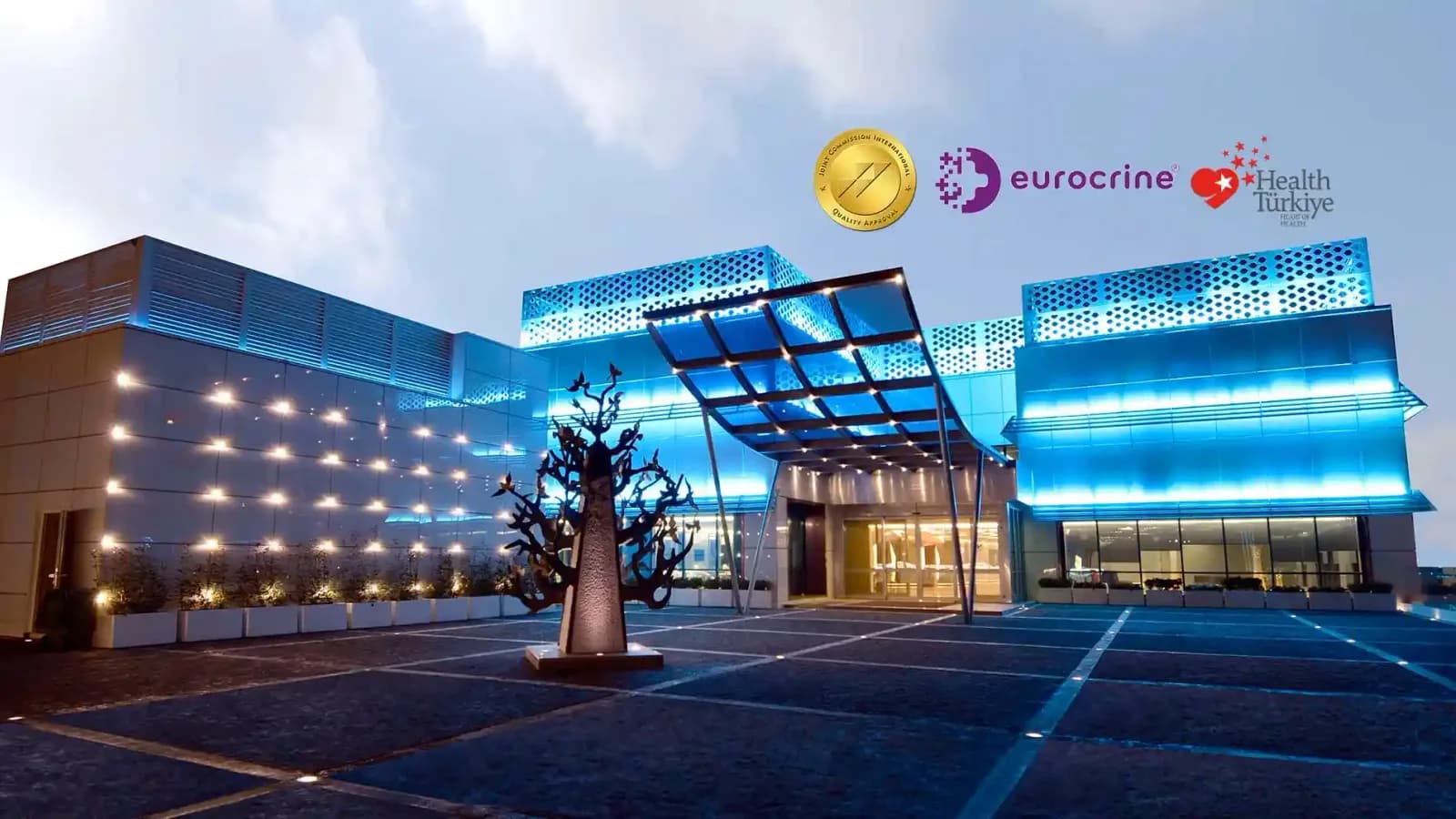
Liv Hospital Vadistanbul
istanbul
- Specialties
- 24
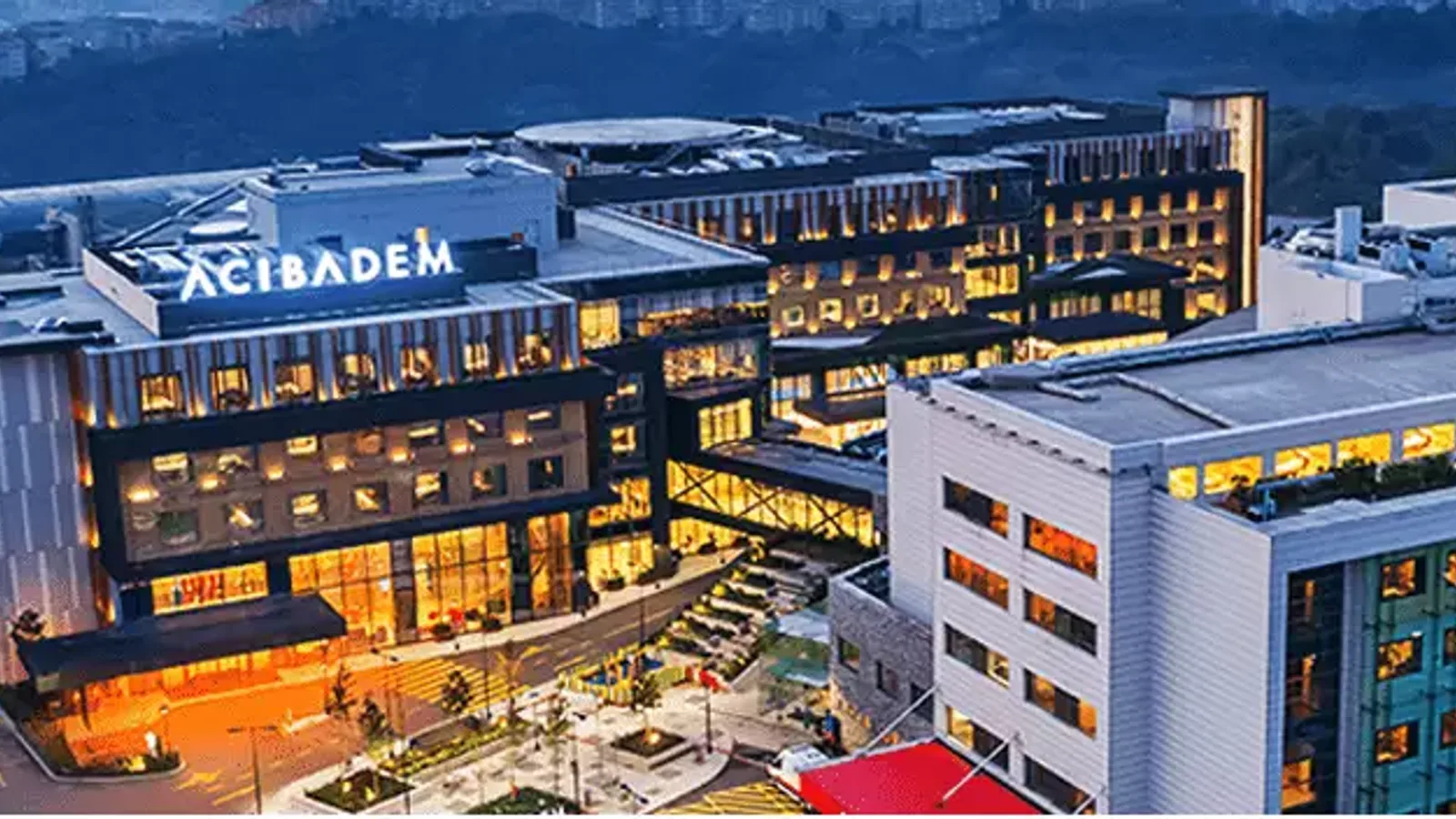
Acıbadem Altunizade Hospital
istanbul
- Specialties
- 28

Liv Hospital Topkapı
istanbul
- Specialties
- 18

Acıbadem Ataşehir Hospital
istanbul
- Specialties
- 29

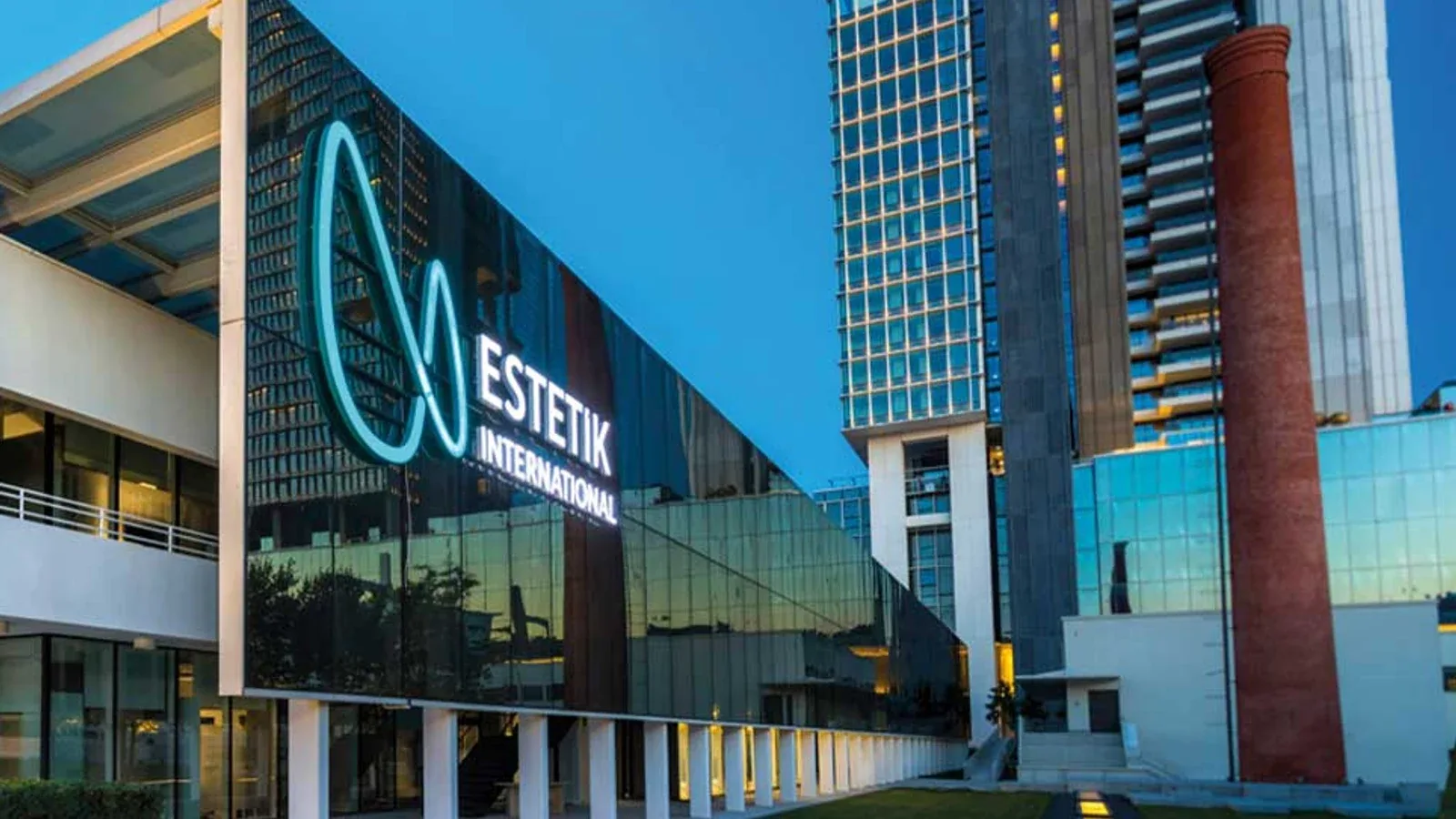
Estetik International Mecidiyeköy
istanbul
- Specialties
- 3

Liv Hospital Bahçeşehir
istanbul
- Specialties
- 24

Liv Hospital Ulus
istanbul
- Specialties
- 24

Acıbadem Maslak Hospital
istanbul
- Specialties
- 29

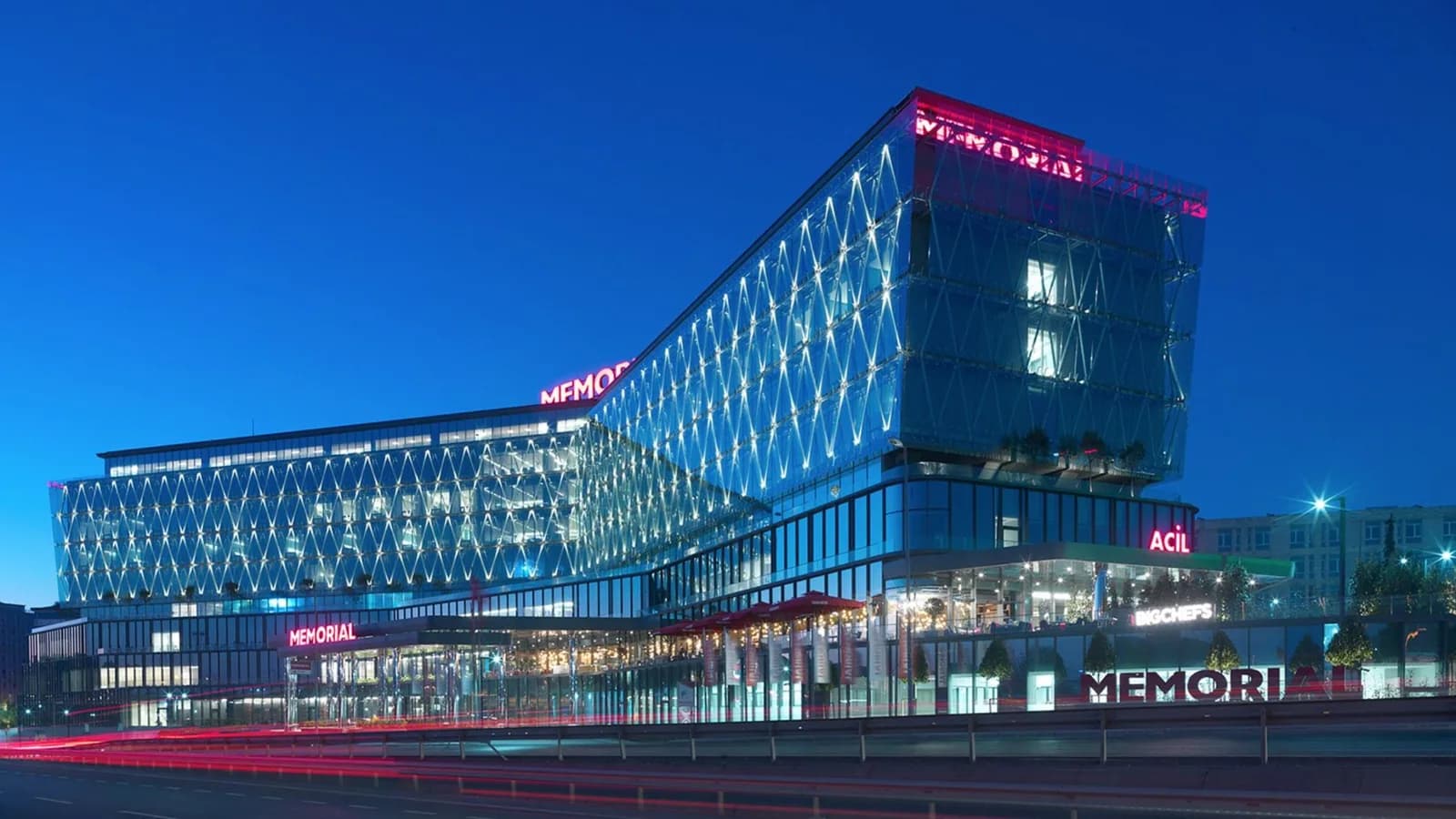
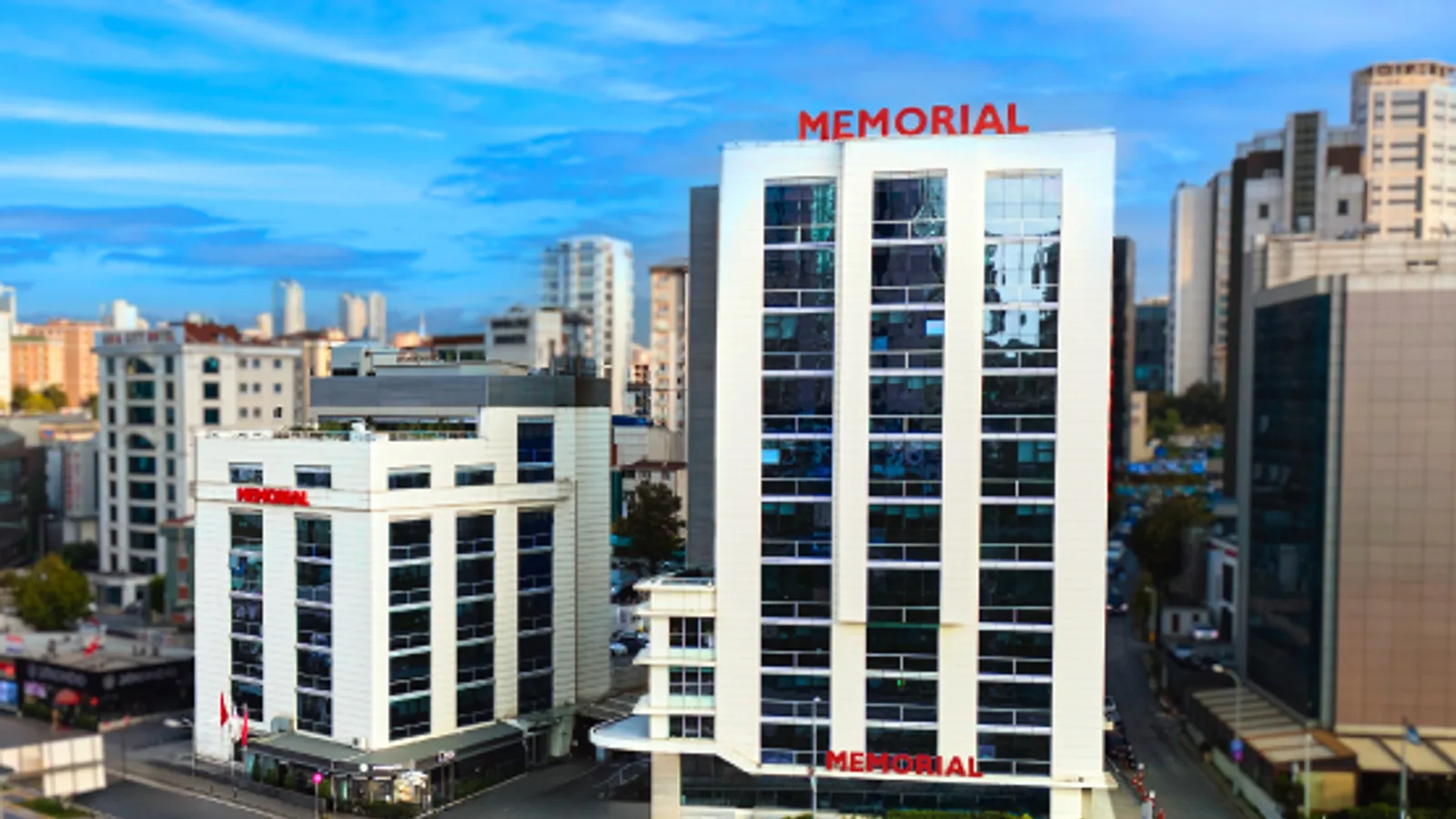
Memorial Bahçelievler Hospital
istanbul
- Specialties
- 31
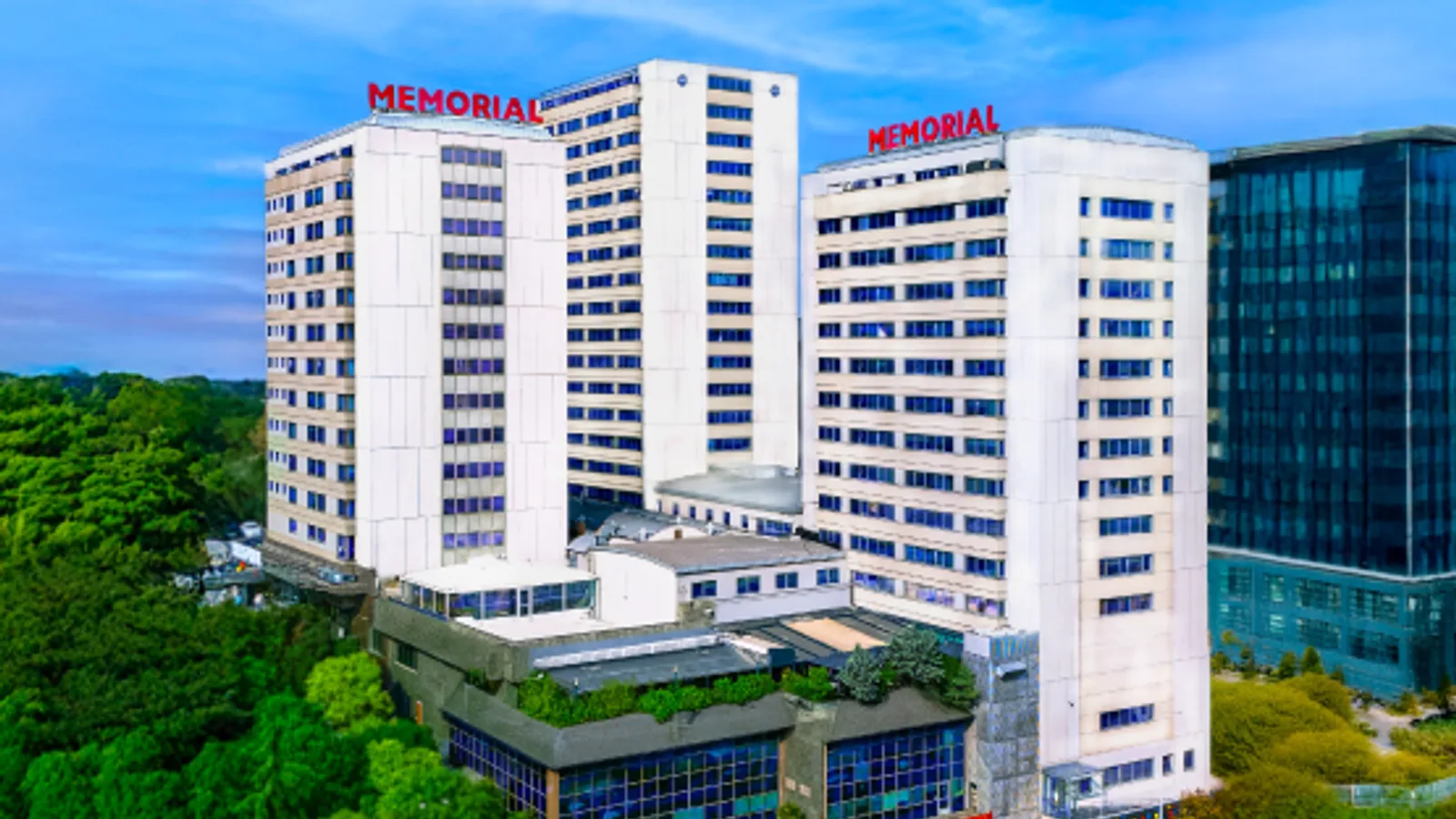
Memorial Şişli Hospital
istanbul
- Specialties
- 29
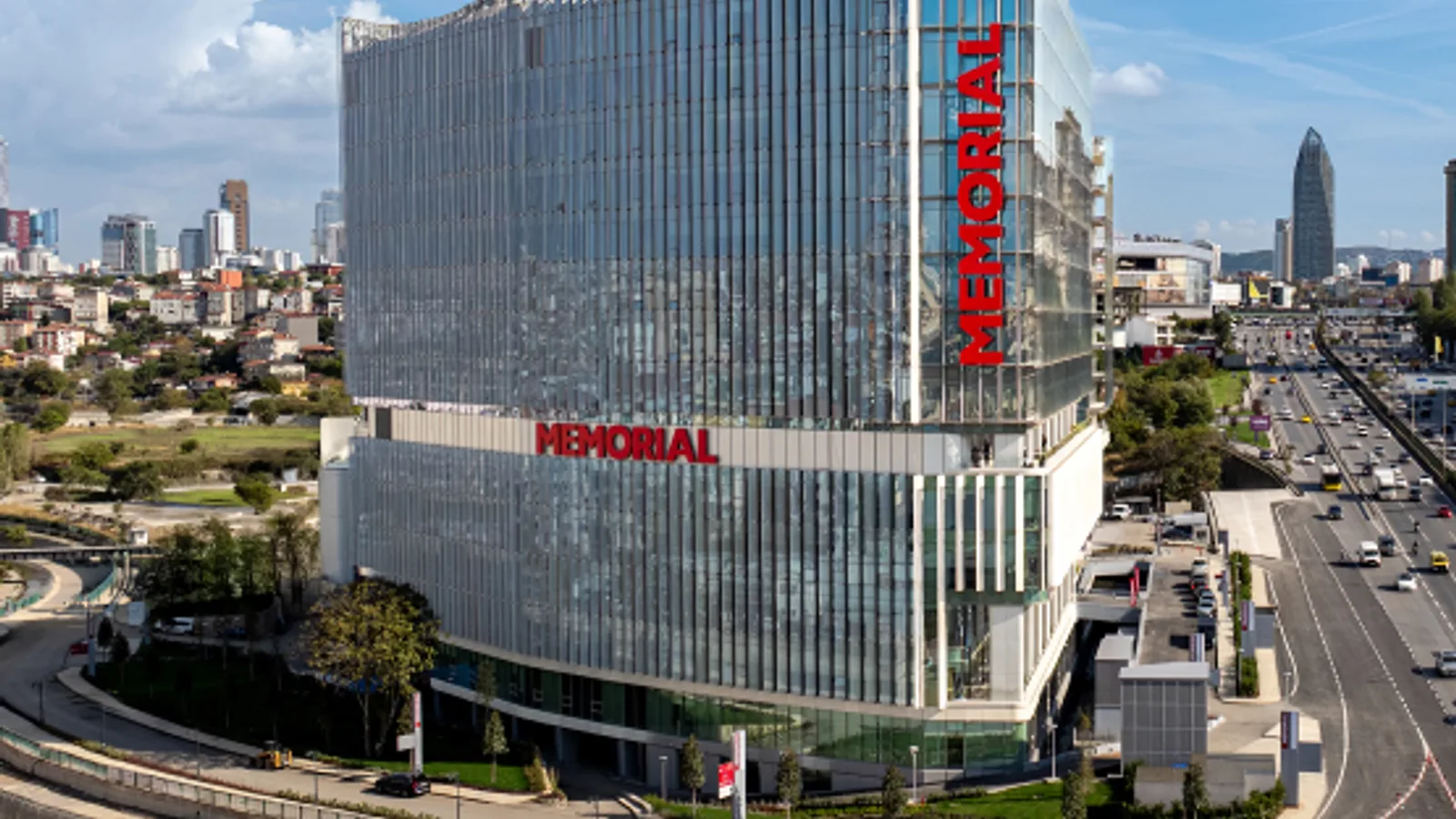
Memorial Göztepe Hospital
istanbul
- Specialties
- 24

Memorial Ataşehir Hospital
istanbul
- Specialties
- 28
Specialties
Not sure which hospital fits your case?
Upload your medical records and let AI match you to the right hospital.
Upload records and get matched