Hair Transplantation
Istanbul
Hair Transplantation care in Istanbul is available at 3 hospitals in the Voumed network, with 7 related treatments.
Hair transplantation offers a natural and lasting answer to thinning and baldness by relocating a person's own loss resistant follicles into the areas where hair has thinned or gone. Because the moved follicles keep the genetic resistance of their original site, the new hair grows for life and the result, when planned well, looks entirely natural. It is a precise day surgery rather than a major operation, but it is still surgery, which is why it is best carried out in a clinical setting by an experienced team. Hair loss is one of the most common reasons people travel for treatment, drawn by experienced surgical teams and the chance to combine the procedure with a short, restful trip.
On this page
At a glance
- Sub-specialties
- FUE, DHI and Sapphire techniques, beard and eyebrow transplantation, female and scarring hair restoration
- Common procedures
- scalp hair transplant, hairline lowering, crown densification, beard and moustache transplant, eyebrow transplant
- Common reasons to travel
- experienced teams, modern techniques in one visit, the option to recover discreetly away from home
- Typical hospital stay
- a day case; most people stay in the destination city for 2 to 3 days
- Anaesthesia
- local anaesthesia, with light sedation used only occasionally
- Typical first step
- a hair and scalp analysis, often started remotely from photographs
Overview
Hair transplantation is the microsurgical relocation of healthy follicles to areas where the roots are no longer active. The follicles are usually taken from the resistant safe zone at the back and sides of the head, between the area above and behind the ears and the nape, where hair is genetically programmed not to fall out. These follicles are then placed into the thinning or bald regions. Because the transplanted hair comes from the patient's own resistant roots, it continues to grow naturally and does not shed again, while existing native hair may still be supported separately with medical treatment. The aim is a permanent, natural looking result, with a soft, irregular hairline that mirrors the way hair grows in nature rather than a uniform line.
Who it helps and candidacy
Hair loss affects both men and women and can follow genetics, ageing, hormonal change, stress, nutrition or various health problems, often weighing on confidence and wellbeing. Transplantation is chosen for androgenetic alopecia, the most common pattern in men, for female pattern thinning, for permanent loss after burns, accidents or surgery, and for local loss linked to certain skin or autoimmune conditions once the shedding has fully settled. It is also used for cosmetic goals such as lowering a high hairline or adding density to the crown, beard or eyebrows. The key requirement is a stable, healthy donor area; suitability and a realistic plan are confirmed after the scalp analysis, and active or unstable shedding is usually treated and stabilised first.
Techniques: FUE, DHI and Sapphire
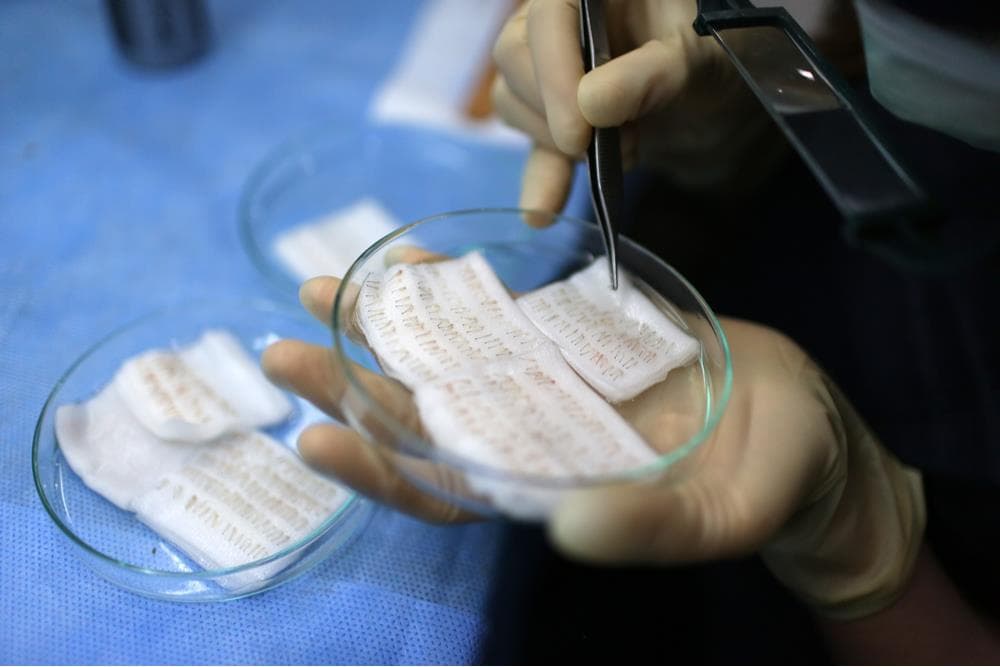
Modern hair transplantation uses the FUE method to collect follicles one by one from the donor area with fine micromotor punches. Compared with the older strip method, it leaves no linear scar and no visible gaps, so the donor area heals discreetly. The collected grafts are then implanted using one of two main approaches. DHI, also called direct or shave free implantation, places the follicles with a special implanter pen without opening separate channels first, which is gentle on existing hair and well suited to adding density. With the Sapphire technique, fine channels are first opened with smooth sapphire blades and the grafts are placed into them, allowing dense, angled placement over larger areas. Which method, or combination, suits a patient is decided together after the hair and scalp analysis.
The procedure and recovery
Healthy follicles, called grafts, are collected from the donor zone, and the number is planned according to the degree of thinning and the size of the area; when the scalp donor is limited, beard or body hair can sometimes add support. The work is carried out under local anaesthesia, with sedation used only occasionally, and most cases are completed in a single session lasting several hours, though very large areas may need a second day. A light dressing is applied and the patient goes home, or back to the hotel, the same day with clear aftercare instructions. The dressing comes off within a day or two, and the small crusts clear over about 7 to 10 days. The transplanted hairs shed at around 2 to 3 weeks, which is a normal and expected stage. New growth begins from about the third month, most of the hair is visible by the sixth month, and the final, natural result settles at around one year.
What to expect as an international patient
For those who travel, the process usually begins with a remote hair and scalp analysis from photographs, which allows the team to estimate the graft numbers and plan the trip. On arrival there is an in person assessment, the procedure itself, and a follow up check, so a stay of 2 to 3 days is typical. Because the operation is done under local anaesthesia and is not physically demanding, recovery is quick and comfortable, though the scalp may feel tender and look a little red or crusted in the first week. Patients are usually advised to avoid heavy exercise, swimming, direct sun and alcohol for a short period, and to sleep with the head slightly raised at first. International patient services commonly arrange interpreters and coordinators, and the team provides a written washing and aftercare routine to follow at home.
Frequently asked questions
These answers are general guidance and may vary by provider. Confirm the details with the hospital you choose.
Is hair transplantation a surgical procedure?
Yes. It is a precise but minor surgical procedure, which is why it is safest carried out in a clinical setting by experienced doctors and a trained team, using sterile technique throughout.
What is the difference between FUE, DHI and Sapphire?
FUE is the method used to collect the follicles one by one from the donor area. DHI and Sapphire are ways of implanting them: DHI uses an implanter pen and is shave free and gentle on existing hair, while Sapphire opens fine channels with smooth blades before the grafts are placed.
How many days do I need to stay abroad?
A short trip is usually enough. The procedure is a day case, and most patients stay in the destination city for about 2 to 3 days, which allows time for the assessment, the procedure and a follow up check before flying home.
Is the procedure done under general or local anaesthesia, and is it painful?
It is carried out under local anaesthesia, with light sedation only occasionally, so the procedure itself is not painful. Some tenderness in the donor and recipient areas is normal in the first few days and is managed with simple pain relief.
When can I fly home afterwards, and is flying safe?
Flying home a day or two after the procedure is generally fine, as it is a minor day surgery. Avoid letting bags or seat backs rub the grafts, follow the washing instructions, and protect the scalp from strong sun during travel.
When will I see the results, and will the new hair fall out again?
The transplanted hairs shed at around 2 to 3 weeks, new growth starts from about the third month, most hair is visible by the sixth month, and the final result settles at around one year. Because the follicles come from the loss resistant zone, the transplanted hair does not shed again.
Will there be interpreter or language support during my visit?
Yes. International patient services commonly include interpreters and coordinators who help with the consultation, consent, scheduling and aftercare instructions, so language is not a barrier.
How do follow ups work once I am home?
The team gives you a written washing and aftercare plan and stays reachable for remote follow up by message, photo or video. Progress photos at the third, sixth and twelfth months let your team track growth and answer any questions during the year it takes for the result to mature.
Not sure which hospital fits your case?
Upload your medical records and let AI match you to the right hospital.
Upload records and get matchedAvailable at these hospitals

Estetik International Mecidiyeköy
istanbul
- Specialties
- 3

Memorial Bahçelievler Hospital
istanbul
- Specialties
- 31

Memorial Ataşehir Hospital
istanbul
- Specialties
- 28
Procedures
Not sure which hospital fits your case?
Upload your medical records and let AI match you to the right hospital.
Upload records and get matched