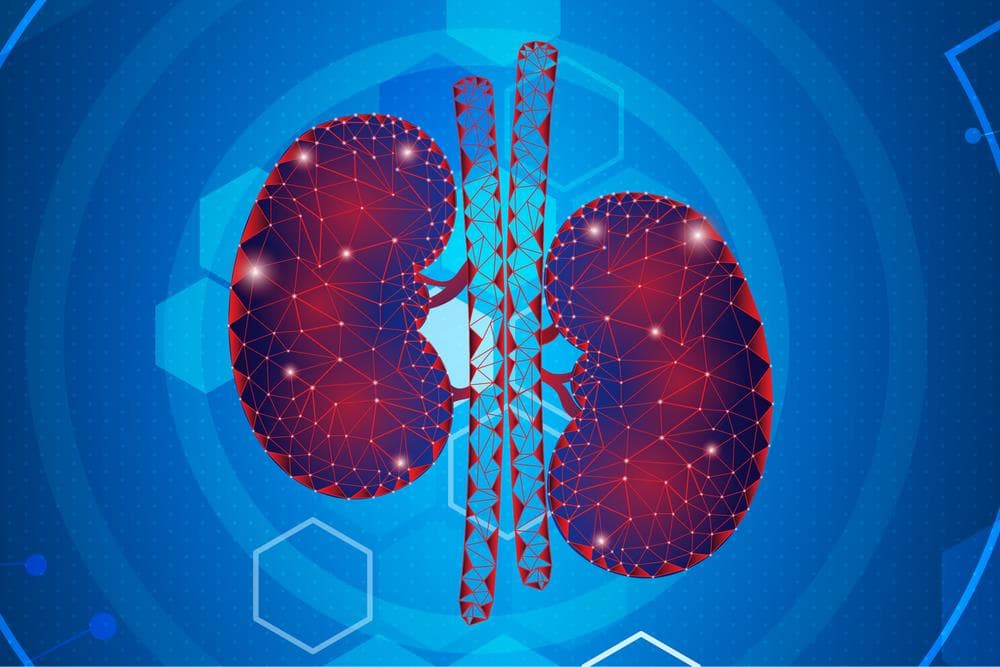
Kidney Transplant
Istanbul
Kidney Transplant in Istanbul is available at 4 hospitals in the Voumed network.
A kidney transplant places a healthy kidney from a living or a deceased donor into a person whose own kidneys have failed, restoring the body's ability to filter the blood and freeing the patient from long-term dialysis. It is the only lasting treatment for end-stage kidney failure and the most commonly performed organ transplant in the world. Patients travel abroad for a kidney transplant to reach experienced transplant centres where the recipient and a potential living donor can be assessed together, and where the surgery and the early recovery are handled under one roof. Compared with years of dialysis, a successful transplant offers a markedly better quality of life and a return to normal daily activity.
On this page
At a glance
- Anaesthesia
- general anaesthesia
- Hospital stay
- usually about 1 to 2 weeks for the recipient
- Procedure time
- roughly 3 to 4 hours
- Recovery
- most people return to normal activity within 6 to 8 weeks
- Time before flying home
- usually about 4 to 6 weeks of local stay after surgery, once the new kidney is stable
- Results visible
- the new kidney often starts producing urine within hours to days, with strength returning over the following weeks
What it is
The kidneys are two bean-shaped organs, each about the size of a fist, that lie on either side of the spine. Their main job is to filter waste, excess minerals and surplus fluid from the blood and remove them as urine, while also helping to control blood pressure. When the kidneys can no longer do this, waste and fluid build up in the body, a state called end-stage kidney failure, which is usually reached when the kidneys have lost around ninety percent of their normal function. A kidney transplant puts a single healthy kidney into the body so that filtering resumes; the new kidney does the work of two, and a person can live a full life with one well-functioning kidney. The kidney can come from a living donor or from a deceased donor.
When it is recommended
A kidney transplant is recommended for end-stage kidney failure, when the kidneys have failed permanently and the only options are lifelong dialysis or a transplant. The conditions that most often lead to this are diabetes, long-standing uncontrolled high blood pressure, chronic glomerulonephritis, which is inflammation of the tiny filters in the kidney, and inherited polycystic kidney disease. End-stage failure often develops silently and may only become apparent through swelling, fatigue and heavily foaming urine once function falls very low. A transplant is generally preferred over staying on dialysis because it restores fuller kidney function, improves quality of life and, where a suitable living donor is available, can sometimes be carried out before dialysis is ever needed. The transplant team confirms suitability after a full assessment.
How it is performed
A kidney transplant is performed under general anaesthesia, so the patient is asleep throughout and feels nothing. The new kidney is placed low in the abdomen, in the pelvis, rather than in the original position; in most cases the patient's own failed kidneys are left in place. The surgeon connects the new kidney's blood vessels to vessels in the pelvis and joins its ureter, the tube that carries urine, to the bladder. The operation usually takes about 3 to 4 hours. When the kidney comes from a living donor, the donor undergoes a separate operation, today most often through small keyhole incisions, to remove one healthy kidney, which is then transplanted into the recipient. A donated kidney from a deceased donor whose family has chosen to donate is matched and transplanted in the same way. The new kidney often begins to make urine within hours, although a kidney from a deceased donor sometimes takes a little longer to start working.
Candidacy and preparation
Both the recipient and any living-donor candidate are evaluated carefully to confirm the transplant is safe and likely to succeed. The recipient has blood and tissue typing, screening for infection, heart and chest checks and detailed imaging, while a living donor, usually a healthy relative or close match of a compatible blood group, is assessed to make sure that giving a kidney is safe for them and that the two are compatible. Blood-group and tissue compatibility between donor and recipient are central to the matching. Very few patients cannot have a transplant at all; an active infection must first be treated, after which the transplant can go ahead, and any heart or other major problem is addressed before surgery. For international patients much of this workup can begin remotely, with records and scans reviewed before travel and the final, in-person assessment completed on arrival.
Recovery and planning your treatment abroad
Recovery from a kidney transplant is quicker than from many major operations, but it is closely supervised. The recipient usually stays in hospital for about 1 to 2 weeks, during which the new kidney's function is monitored daily and immunosuppressive medication, which prevents the body rejecting the kidney, is started and must be taken for life. The doses are highest and most carefully adjusted in the early weeks, so patients are advised to remain in the destination city for roughly 4 to 6 weeks after surgery for frequent blood tests and clinic checks before a long flight. A living donor recovers from a smaller operation and is usually discharged within a few days. In the first months, while the immune system is suppressed, care with hygiene and avoiding crowded places lowers the risk of infection. Once home, follow-up combines a local doctor with remote review by the transplant team, and interpreter and coordinator support is commonly provided throughout. Most recipients return to normal activity within 6 to 8 weeks.
Risks, safety and results
A kidney transplant is a well-established operation with very good long-term results, though, like any major surgery, it carries risks that the team monitors closely. Early concerns include bleeding, clotting or narrowing in the connected vessels, a leak where the ureter joins the bladder, and infection, which is why the first weeks are watched carefully. Rejection of the new kidney is possible and is the reason immunosuppressive medication is essential and lifelong; because these medicines slightly lower the body's defences, the balance is monitored to keep infection risk low. For a living donor, removing one kidney is a safe, well-studied operation, and the remaining kidney adapts to do the work of two, so a healthy donor's long-term health is not reduced. With a compatible donor, an experienced team and faithful follow-up, a transplant gives most patients a lasting return to health and a far better quality of life than long-term dialysis.
Frequently asked questions
These answers are general guidance and may vary by provider. Confirm the details with the hospital you choose.
How long will I need to stay abroad for a kidney transplant?
A kidney transplant needs a planned stay. The recipient is usually in hospital for about 1 to 2 weeks, then stays in the destination city for a total of roughly 4 to 6 weeks after surgery so the team can adjust the anti-rejection medication and confirm the new kidney is working well before a long flight home.
Where does the donor kidney come from?
It can come from a living donor, usually a healthy relative or compatible match who gives one of their two kidneys, or from a deceased donor whose family has chosen to donate. Both routes give very good results, and blood-group and tissue compatibility are checked carefully as part of the matching.
Does a living kidney donor stay healthy with one kidney?
Yes. A person can live a full, normal life with one healthy kidney, which adapts to do the work of two. Donor removal is most often performed through small keyhole incisions, recovery is usually quick, and a healthy donor's long-term health and life expectancy are not reduced by giving a kidney.
When can I fly home after the operation?
Most patients are advised to wait roughly 4 to 6 weeks after surgery before a long flight, once the new kidney is stable and the medication doses have settled. The transplant team gives the final clearance based on your blood results and recovery rather than on a fixed date alone.
Will I have to take medication for the rest of my life?
Yes. Immunosuppressive medicines that prevent rejection must be taken every day for life. The doses are adjusted most often in the early weeks and then become more stable, and your transplant team will explain the routine and the monitoring clearly before you travel home.
Is a transplant better than staying on dialysis?
For most people with end-stage kidney failure, a successful transplant offers a better quality of life than long-term dialysis, restoring fuller kidney function and freeing them from regular dialysis sessions. Where a suitable living donor is available, a transplant can sometimes be done before dialysis is ever needed.
How does follow-up work once I am back home?
Follow-up combines regular blood tests with a doctor near your home and remote review of those results by the transplant team by message or video. The team coordinates with your local clinician so your medication stays correctly balanced, and interpreter support is available throughout.
Can I have a transplant if I am already on dialysis?
Yes. Many recipients are on dialysis while they wait, and a transplant is planned once a suitable donor and a stable condition allow it. Dialysis is a longer-term support treatment, whereas a transplant aims for a lasting recovery, so moving from dialysis to a transplant is a common and well-supported path.
Not sure which hospital fits your case?
Upload your medical records and let AI match you to the right hospital.
Upload records and get matchedAvailable at these hospitals

Acıbadem Ataşehir Hospital
istanbul
- Specialties
- 29

Memorial Bahçelievler Hospital
istanbul
- Specialties
- 31

Memorial Şişli Hospital
istanbul
- Specialties
- 29

Memorial Ataşehir Hospital
istanbul
- Specialties
- 28
Specialties
Not sure which hospital fits your case?
Upload your medical records and let AI match you to the right hospital.
Upload records and get matched