Sapphire FUE Hair Transplant
Istanbul
Sapphire FUE Hair Transplant in Istanbul is available at 3 hospitals in the Voumed network.
Sapphire FUE is a refined version of the follicular unit extraction hair transplant in which the tiny recipient channels are opened with a sapphire-tipped blade rather than a steel one. The sapphire tip is harder, smoother and finer, so each incision is cleaner and more precise, which lets the surgeon place grafts closer together for a denser, more natural hairline while causing less trauma to the scalp. Because the channels are smaller and tidier, most people heal faster and see less swelling, redness and crusting than with classic steel FUE. Many patients travel abroad for this procedure to reach high-volume specialist teams, save time and recover quietly away from everyday life. The result is permanent hair, taken from the patient's own donor area, that grows and is cut and styled like the rest of the hair.
On this page
At a glance
- Anaesthesia
- local anaesthesia, so you stay awake and comfortable
- Hospital stay
- day case, with no overnight admission needed
- Procedure time
- about 6 to 8 hours, depending on the number of grafts
- Recovery
- most people return to light daily activity within a few days
- Time before flying home
- usually 2 to 3 days, after the first wash and a final check
- Results visible
- early growth from about 3 to 4 months, full result at 12 to 18 months
What it is
Sapphire FUE is a hair restoration surgery that moves healthy hair follicles from a donor area, usually the back and sides of the head where hair is genetically resistant to loss, into thinning or bald areas. As in any FUE procedure, individual follicular units are extracted one by one with a fine punch, leaving no linear scar. What makes this variant distinctive is the tool used to open the recipient sites: a blade whose tip is made of sapphire, a very hard crystal, instead of stainless steel. The sapphire edge is exceptionally smooth and sharp, so the surgeon can create very small, V-shaped channels at a precise depth and angle. Smaller channels mean the new follicles can be packed more closely and set to grow in the natural direction of the surrounding hair, which is what produces a full, undetectable hairline. Because the follicles are the patient's own living hair, once they settle they grow for life.
How the sapphire blade differs from steel FUE and DHI
In the original FUE method the recipient channels are cut with a steel blade. A steel edge dulls slightly as it works and tends to leave slightly wider, rougher openings, which can mean a little more bleeding, swelling and a longer healing time. A sapphire blade stays sharp throughout, and its smooth crystalline tip makes finer, cleaner incisions of a consistent size. The practical benefits are denser placement, a more natural angle and direction, less tissue damage and a quicker, more comfortable recovery. It is important to understand that Sapphire FUE and steel FUE follow the same overall method; the difference is the quality of the recipient incisions, not the whole technique. DHI, by contrast, uses a special implanter pen that opens the channel and places the graft in a single motion, so no separate channel-cutting step is needed. Sapphire FUE keeps the classic two-step rhythm of opening channels first and then placing grafts, but upgrades the blade. The best choice depends on the size of the area, the look the patient wants and the surgeon's assessment, and a good consultation will explain which method suits a given case.
Who is a good candidate
Sapphire FUE suits both men and women who are losing hair or thinning, most often from the common pattern hair loss known as androgenetic alopecia. The ideal candidate is in good general health, has a stable, predictable pattern of hair loss, and has enough strong hair in the donor area to supply the grafts needed. Because hair loss often continues into the late twenties, the result is usually most reliable once the pattern has settled, so the donor area and the long-term plan can be judged properly. A healthy scalp heals faster and holds the grafts better, and realistic expectations matter: Sapphire FUE restores natural density gradually over many months rather than overnight. People with very limited donor hair, active scalp disease or uncontrolled medical conditions may need treatment or a different plan first. A thorough consultation, in which the scalp, hair type and degree of loss are assessed, is the only reliable way to confirm suitability and design the hairline.
How it is done step by step
The procedure is carried out under local anaesthesia, so the scalp is fully numb while the patient stays awake and relaxed, often watching a film or resting. First the surgeon designs the new hairline and marks the areas to be treated, agreeing the plan with the patient. Local anaesthetic is then applied so the rest of the session is painless. Using a fine micro-punch, individual follicular units are extracted one at a time from the donor area and kept in a protective solution. Next comes the step that defines this technique: the surgeon opens the recipient channels with the sapphire-tipped blade, controlling the exact depth, angle and direction of each tiny incision so the new hair will grow naturally. Finally the extracted follicles are placed into these channels with care to match the natural pattern and density. The whole session usually takes about 6 to 8 hours depending on how many grafts are moved, often with a short break. There is no linear cut and no stitches, and the patient goes home the same day with simple aftercare instructions.
Recovery and planning your treatment abroad
Recovery from Sapphire FUE is relatively quick and mostly comfortable. For the first day or two the scalp feels tender and there may be mild swelling, redness and small crusts around the grafts, all of which settle within a week or so. The donor area heals quickly because the punch sites are tiny. The first gentle wash is usually done by the clinic a couple of days after surgery, and the patient is taught how to wash carefully at home; the small crusts fall away over roughly the first two weeks. Strenuous exercise, heavy lifting, swimming, saunas and direct sun should be avoided for two to three weeks so the new grafts are not disturbed. For travel, it is sensible to stay nearby for about 2 to 3 days so the first wash and a final check can be done before flying, and air travel is generally comfortable once the surgeon confirms healing is on track. A normal but expected event called shock loss follows, in which the transplanted hairs shed in the first weeks; this is part of the process. New growth begins at about 3 to 4 months, thickens steadily, and the full, final result appears over 12 to 18 months. Follow-up continues remotely by photo and message, and international patient teams usually provide interpreters and coordinators.
Results and what to expect
When performed by an experienced team, Sapphire FUE is a safe, well-established day procedure with a high satisfaction rate. The finer sapphire incisions allow dense, natural placement and tend to leave minimal marks that are not visible once the hair grows. Like any surgery it carries small risks, such as temporary swelling, redness, itching, minor bleeding, numbness or, rarely, infection or uneven growth, but serious problems are uncommon in proper hospital conditions. Patience is essential: the transplanted hairs shed early, regrow from a few months, and the hairline keeps maturing for over a year, so the final density and naturalness are best judged at 12 to 18 months. Because the relocated follicles come from a donor area that resists pattern loss, the new hair is permanent and can be washed, cut, dyed and styled like the surrounding hair. For many people the lasting outcome is a fuller, natural hairline and a clear lift in confidence.
Frequently asked questions
These answers are general guidance and may vary by provider. Confirm the details with the hospital you choose.
How is Sapphire FUE different from a normal FUE hair transplant?
The method is the same, but the recipient channels are opened with a sapphire-tipped blade instead of a steel one. The sapphire tip is harder and smoother, so it makes finer, cleaner incisions. In practice this allows denser, more natural placement and tends to mean less swelling and a faster, more comfortable recovery.
Is the procedure painful, and what anaesthesia is used?
It is done under local anaesthesia, so the scalp is fully numbed and you stay awake without feeling pain during the session. The only discomfort is usually the small injections that deliver the anaesthetic at the start. Afterwards any tenderness is mild and easily managed with simple painkillers.
How many days should I plan to stay abroad?
Most people plan to stay for about 2 to 3 days. This covers the procedure itself, a rest day, the first professional wash and a final check that everything is healing well before you fly home.
When can I fly home after the transplant?
Air travel is generally comfortable once the first wash is done and the surgeon confirms the grafts are settling, usually around 2 to 3 days after surgery. It is best to keep the head protected from knocks and direct sun while travelling, following the aftercare advice you are given.
When will I see the final result?
The transplanted hairs shed in the first few weeks, which is normal. New growth starts at about 3 to 4 months and thickens steadily, with the full, final density appearing over roughly 12 to 18 months.
Will the transplanted hair last, and will it look natural?
Yes. The follicles are taken from a donor area that is genetically resistant to pattern hair loss, so once they settle the new hair is permanent. Because the sapphire blade allows grafts to be placed at a natural angle and density, the result looks like your own hair and can be washed, cut and styled normally.
Not sure which hospital fits your case?
Upload your medical records and let AI match you to the right hospital.
Upload records and get matchedAvailable at these hospitals
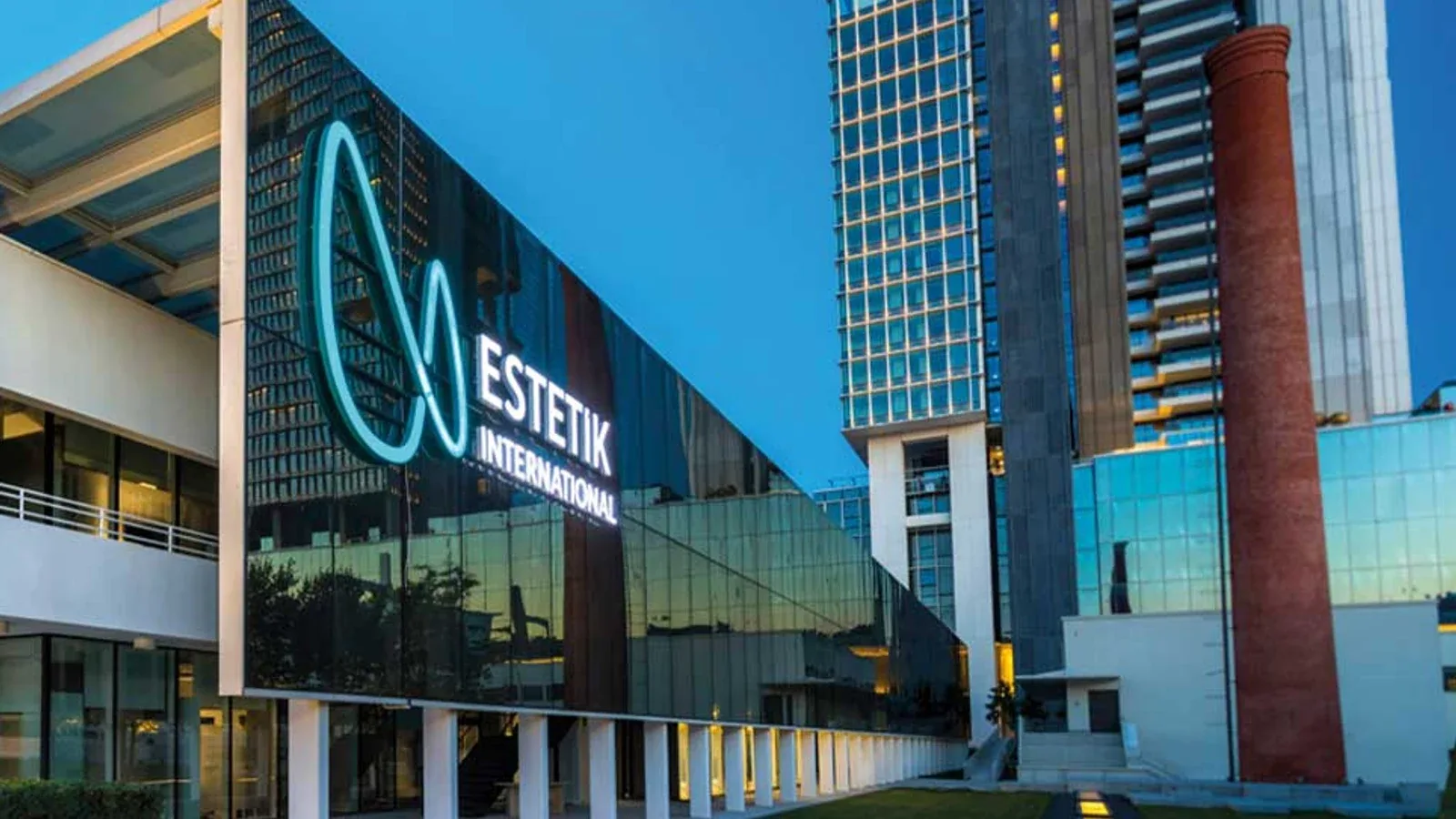
Estetik International Mecidiyeköy
istanbul
- Specialties
- 3

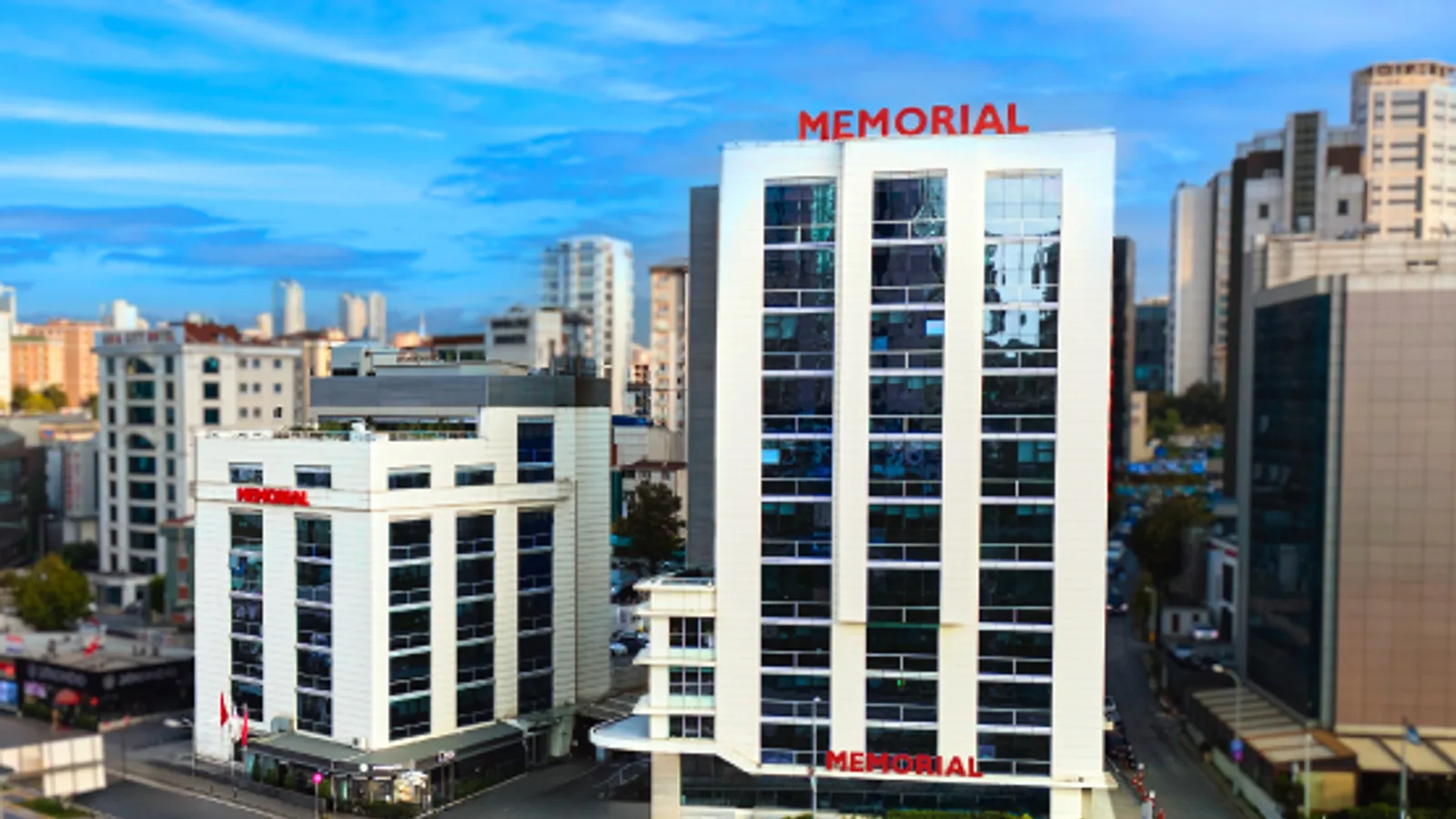
Memorial Bahçelievler Hospital
istanbul
- Specialties
- 31

Memorial Ataşehir Hospital
istanbul
- Specialties
- 28
Specialties
Not sure which hospital fits your case?
Upload your medical records and let AI match you to the right hospital.
Upload records and get matched