Robotic Rehabilitation

Robotic Rehabilitation

Istanbul

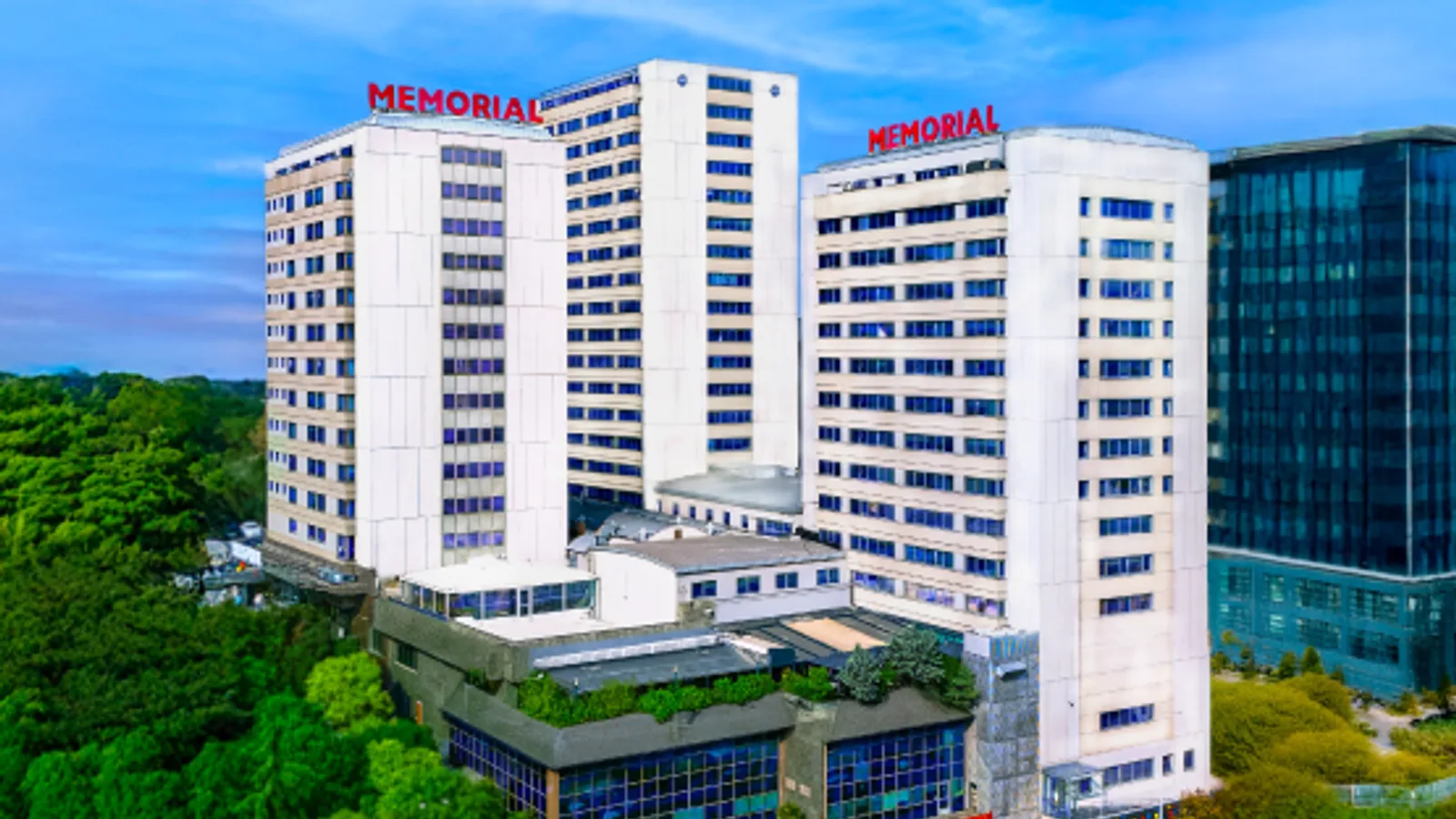
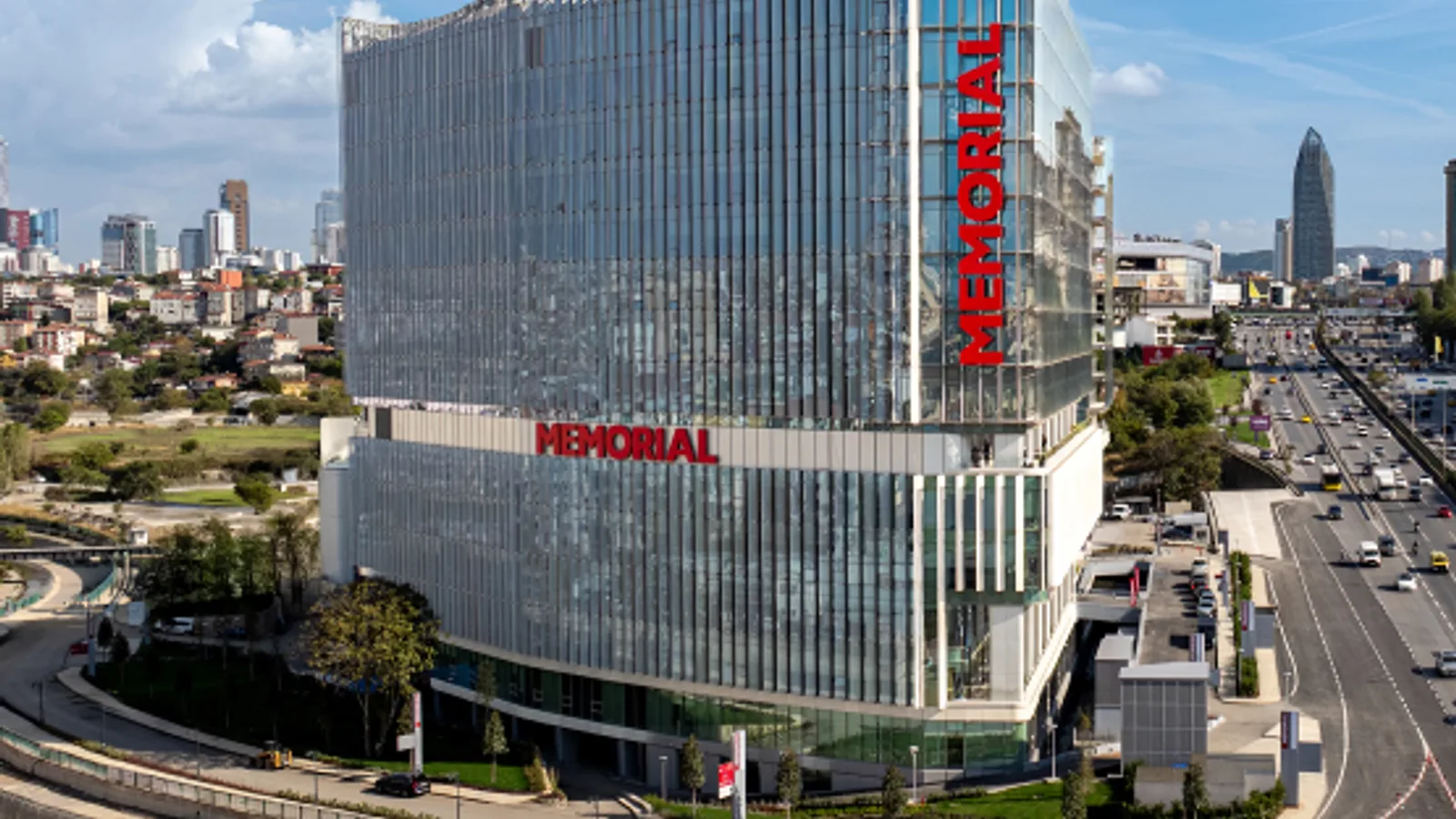
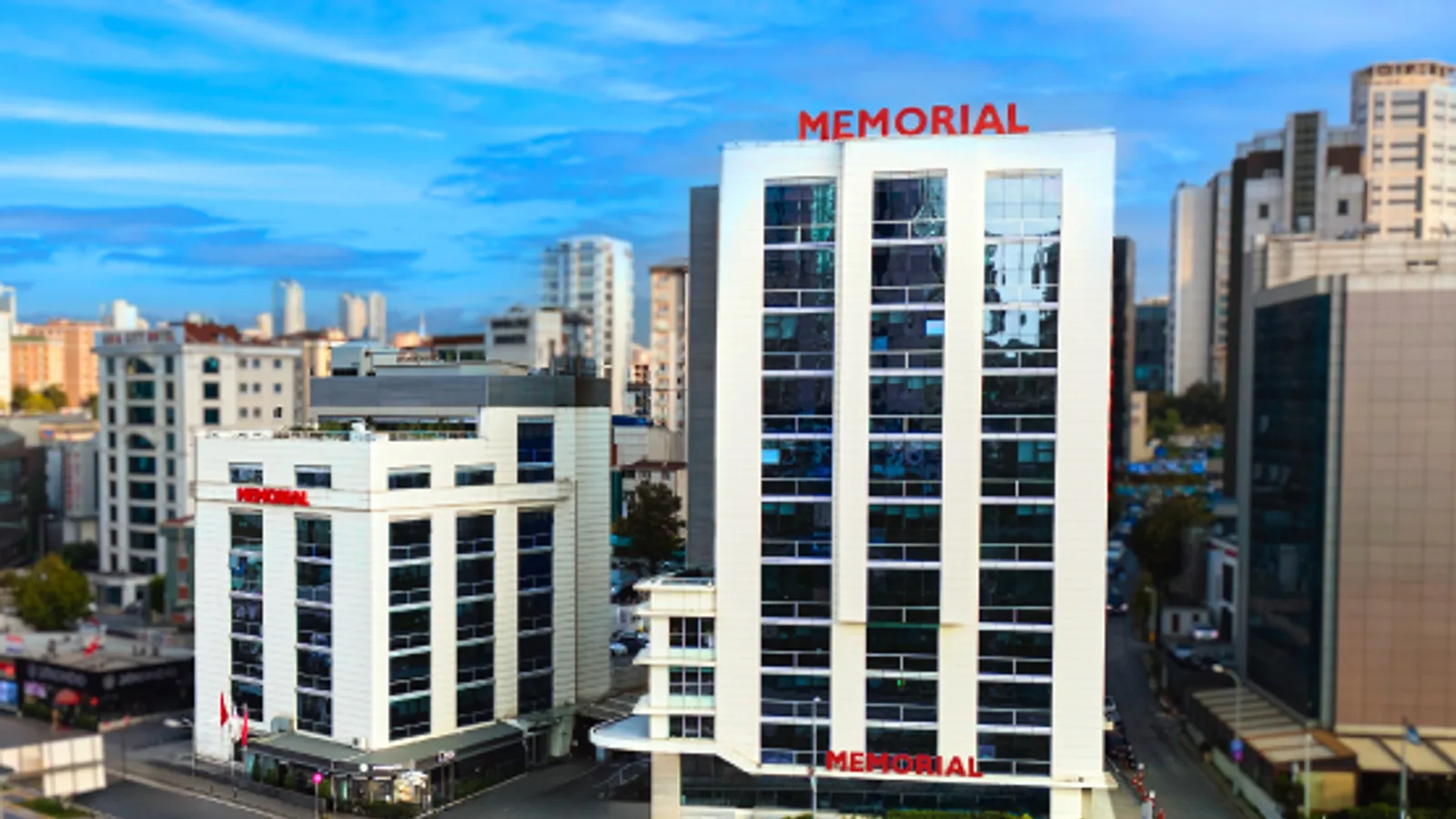
Robotic Rehabilitation in Istanbul is available at 5 hospitals in the Voumed network.

Robotic rehabilitation uses computer-controlled robotic systems to deliver intensive, highly repetitive and precisely guided movement therapy for people recovering from neurological injury. It is designed mainly for patients who are relearning to walk or to use an arm after a stroke, spinal-cord injury, brain injury or progressive neurological disease, when very large numbers of accurate, well-formed repetitions are needed to retrain the nervous system. Robotic systems can support, guide and gently challenge a patient through far more repetitions than would be possible by hand alone, while measuring every movement to track progress objectively. Many people travel abroad for robotic rehabilitation because these systems and the intensive programmes built around them are concentrated in dedicated centres, offering a level of technology and daily intensity that is hard to find close to home.

On this page

At a glance

Setting
usually inpatient or intensive day-programme, within a wider neurorehabilitation plan
Programme length
commonly a focused block of several weeks, longer for major injuries
Session frequency
often daily or several times per week, combined with conventional therapy
What it helps
walking, balance, standing tolerance and arm and hand function after neurological injury
Typical first step
assessment by a rehabilitation physician to confirm suitability and set goals

What it is

Robotic rehabilitation is the use of motorised, sensor-guided devices to train movement during recovery from neurological injury. The core principle is simple but powerful: the nervous system relearns movement through correct, repeated practice, and robots can deliver that practice with a consistency, accuracy and intensity that is difficult to sustain manually across long sessions. Different systems address different goals. Gait robots, including exoskeletons worn over the legs and supported treadmills, guide the legs through a natural walking pattern. Robotic arm trainers support the weight of a weak arm so the patient can practise reaching and grasping. Tilt-and-step systems bring very weak or bed-bound patients safely upright, and anti-gravity treadmills reduce body weight so walking can be practised earlier and with less pain. It is always part of a broader rehabilitation programme, never a stand-alone fix.

When it is used and who it helps

Robotic rehabilitation is mainly used in neurological recovery, where intensive, repetitive movement training is most valuable. It helps people regaining the ability to walk or to use an arm after a stroke or its resulting one-sided weakness, after a brain injury, and after a spinal-cord injury, including both complete and incomplete injuries. It is also used in progressive conditions such as multiple sclerosis and Parkinson's disease, in gait and balance disorders, and in recovery from brain surgery. Beyond neurology, certain robotic systems support orthopaedic recovery, for example after joint replacement or ligament surgery, when significant weakness or a long period of immobility means that early, protected practice of normal movement is helpful. Suitability is always confirmed by a rehabilitation physician, who matches the right system to each patient's stage of recovery.

How it is done

After an assessment, the rehabilitation physician selects the systems and intensity that fit the patient's condition and goals, and therapists run each session. In gait training the patient is supported in a harness while a robotic system guides the legs through a correct walking cycle; the device senses the patient's own effort and adjusts moment to moment, assisting where needed and stepping back to let the patient contribute as strength returns. Arm and hand training works the same way, with a supportive frame that detects even very small voluntary movement and helps turn it into useful, functional motion. For patients who are not yet ready to stand, a tilt-and-step system raises them gradually while moving the legs, building tolerance to being upright. Sessions are intensive and measurable, with the system recording repetitions and quality, and they are always combined with conventional physiotherapy, occupational therapy and, where helpful, interactive virtual-reality tasks that keep practice engaging.

What to expect and candidacy

A session feels like supported, guided exercise: you are secured comfortably in the device, and it helps you perform movements you could not yet do unaided, gradually asking more of you as you improve. The work is active and can be tiring in a good way, but it is carried out within safe limits set by the team. Good candidates are medically stable and able to take part safely; the right system and intensity are chosen for your stage of recovery, and very early after an injury the gentler standing and stepping systems are used first. Robotic rehabilitation does not replace hands-on therapy or the human relationship with your team; it adds intensity and precision to it. Even where full recovery is not possible, the training brings real benefits, including better fitness, reduced stiffness, prevention of the complications of inactivity and the profound value of standing and moving with support.

Progress and planning your rehabilitation abroad

Recovery after neurological injury is a step-by-step process, and the earlier high-quality, intensive rehabilitation begins, the better the potential. For a programme abroad, a focused block of several weeks of near-daily sessions is common, designed to make the most of a concentrated stay; for major injuries, longer or repeated blocks may be planned. Before you travel, the team can usually review your medical reports remotely to confirm suitability and shape the plan, so therapy can begin promptly on arrival. The gains are then carried forward at home: you leave with a clear continuing-therapy plan and a home exercise programme your local therapist can follow, and the team remains reachable for remote follow-up. Because much of neurological recovery happens over months, this hand-over is essential, and the intensive robotic block is best seen as a powerful accelerator within a longer journey.

Safety and results

Robotic rehabilitation is safe when delivered by trained professionals under a rehabilitation physician's direction. The systems include multiple safety features, the patient is securely supported throughout, and the intensity is set to each person's tolerance, so adverse events are uncommon and usually limited to temporary tiredness or muscle soreness. The strength of the approach is the sheer volume of correct, well-controlled practice it allows, which supports the nervous system's capacity to reorganise and relearn movement. Outcomes depend heavily on the type and severity of the injury and on how early and consistently therapy is delivered, and robotic training works best as part of a complete programme rather than alone. For many patients it contributes to meaningful gains in walking, balance and arm function, alongside the broader health and wellbeing benefits of active, upright movement.

Frequently asked questions

These answers are general guidance and may vary by provider. Confirm the details with the hospital you choose.

Who is robotic rehabilitation suitable for?

It is mainly for people with neurological conditions affecting movement, such as stroke and the one-sided weakness it can cause, brain injury, spinal-cord injury, multiple sclerosis, Parkinson's disease, gait and balance disorders, and recovery after brain surgery. Some orthopaedic patients with significant weakness after surgery or long immobility also benefit. A rehabilitation physician assesses each person and confirms which systems are appropriate.

How long is a typical robotic rehabilitation programme abroad?

A focused block of several weeks of near-daily sessions is common, combined with conventional therapy. For major injuries, a longer stay or repeated blocks may be planned. The exact length is set after assessment, based on your condition, your goals and how you respond, and it is designed to make the most of a concentrated period away from home.

Can the rehabilitation continue when I return home?

Yes. The intensive robotic block is part of a longer recovery, so you leave with a clear continuing-therapy plan and a home exercise programme that your local therapist can follow. The team also stays reachable for remote follow-up to review your progress and adjust the plan, so the gains made abroad are protected and built on.

Is robotic rehabilitation better than ordinary physiotherapy?

It is most powerful when combined with conventional physiotherapy, not used instead of it. Robotic systems allow far more repetitions and more precise, controlled movement than is possible by hand, which is especially valuable for severely affected patients. Hands-on physiotherapy adds manual skill, functional task training and the human therapeutic relationship, and the best programmes integrate both.

When should robotic rehabilitation begin after a stroke or brain injury?

In general, the earlier intensive rehabilitation begins once a patient is medically stable, the better the recovery potential. Gentle standing-and-stepping systems can be used in the early phase, while guided walking and arm training begin as soon as the patient can take part safely, often within the first few weeks after the event, as judged by the rehabilitation team.

Will I be able to manage the sessions, and is interpreter support available?

Sessions are guided and supported, and the intensity is matched to what you can manage, increasing only as you improve. Centres that treat international patients provide interpreter and coordinator support, so instructions and feedback are clear in your own language. Because the therapy is hands-on and demonstration-led, taking part is usually straightforward with this support in place.

Can patients with a complete spinal-cord injury still benefit?

Yes. Even when full recovery of walking is not expected, robotic training brings real benefits, including prevention of muscle wasting, better cardiovascular fitness, reduced stiffness and the value of being supported into an upright, moving position. In some incomplete injuries it can also contribute to partial functional recovery, and the goals are always set realistically with your team.

Is it safe to travel for an intensive robotic programme?

For most patients travel itself is manageable, and the team will advise on timing if you are recovering from a recent acute event. Planning the programme as a single concentrated block keeps the trip predictable, and the centre's international patient team typically helps coordinate travel, accommodation and the practical side of an intensive stay.

Not sure which hospital fits your case?

Upload your medical records and let AI match you to the right hospital.

Upload records and get matched

Available at these hospitals

Specialties

Not sure which hospital fits your case?

Upload your medical records and let AI match you to the right hospital.

Upload records and get matched