Thoracic Surgery

Thoracic Surgery

Istanbul

Thoracic Surgery care in Istanbul is available at 11 hospitals in the Voumed network.

Thoracic surgery is the surgical care of the chest other than the heart: the lungs and airways, the pleura that lines them, the esophagus, the mediastinum and thymus in the centre of the chest, and the chest wall and diaphragm that contain them. It treats conditions that range from a collapsed lung or a chest infection to cancer of the lung or esophagus and tumours that press on the heart and great vessels. Many people travel abroad for this care because it brings together experienced surgical teams, modern operating theatres and minimally invasive techniques that allow a faster, gentler recovery than traditional open surgery. Because chest disease so often crosses several specialties, the work is planned and carried out by a coordinated team rather than a single doctor.

On this page

At a glance

Sub-specialties
lung and airway surgery, thoracic surgical oncology, esophageal surgery, mediastinal and thymic surgery, pleural disease surgery, chest wall and diaphragm surgery
Common procedures
lobectomy and segmentectomy for lung tumours, wedge resection, video-assisted and robotic thoracic surgery, pleural drainage and decortication, thymectomy, esophageal and tracheal surgery
Common reasons to travel
experienced surgical teams, minimally invasive and robotic technology, one coordinated cancer plan, shorter waiting times
Typical hospital stay
about 2 to 5 days for keyhole lung surgery, longer for major open or esophageal operations
Anaesthesia
general anaesthesia, usually with single-lung ventilation so the surgeon can work in a still chest
Typical first step
a remote review of your imaging and reports, followed by an in person assessment and any tests needed before surgery

Overview

The chest, or thorax, holds the organs of breathing and the passage of food, wrapped around the heart and its great vessels. Thoracic surgery looks after all of these structures except the heart itself, which belongs to cardiac surgery. Its scope includes the lungs and the bronchi, the smooth pleural membranes around them, the windpipe, the esophagus, the mediastinum (the central compartment between the two lungs that contains the thymus, lymph nodes and great vessels), the bony and muscular chest wall and the diaphragm beneath. The same team that removes a lung tumour may also drain an infected chest, repair a chest wall deformity, take out an enlarged thymus or rebuild a damaged airway, because all of these share the same anatomy and the same surgical approaches.

Conditions and sub-specialties

Lung and airway work covers lung cancer and tumours that have spread to the lung from elsewhere, a collapsed lung (pneumothorax) from a ruptured air sac or injury, severe emphysema treated by lung volume reduction, lung infections such as bronchiectasis, certain lung cysts including hydatid cyst, and disease of the windpipe. Pleural surgery treats infection and pus in the chest (empyema), fluid collections and tumours of the pleural lining such as mesothelioma. Esophageal surgery addresses cancer, diverticula, certain hernias and swallowing disorders. Mediastinal and thymic surgery removes tumours and cysts in the centre of the chest, including thymoma, and performs thymectomy as part of the treatment of the autoimmune condition myasthenia gravis. Chest wall and diaphragm surgery corrects deformities such as a sunken or protruding breastbone, repairs the diaphragm and treats chest injuries. A further small but life-changing area is surgery for severe sweating of the hands and underarms.

Common treatments and procedures

Most lung cancer surgery removes the affected part of the lung, ranging from a small wedge or a single segment to a whole lobe (lobectomy) and, rarely, an entire lung, together with the nearby lymph nodes for accurate staging. Wherever the disease allows, this is done by video-assisted thoracic surgery, in which a camera and slim instruments pass through a few short cuts between the ribs, or by robotic surgery, which adds wristed instruments and a magnified three dimensional view. Both spare the spreading of the ribs that open surgery requires, so there is usually less pain, less blood loss and a quicker return to normal life. Open surgery remains the right choice for large or advanced tumours and for some reconstructions. Other common operations include drainage and decortication for an infected chest, removal of mediastinal and thymic masses, esophageal and tracheal surgery, repair of chest wall deformities, and endoscopic surgery to interrupt the nerve that drives excessive sweating.

Diagnostics and technology

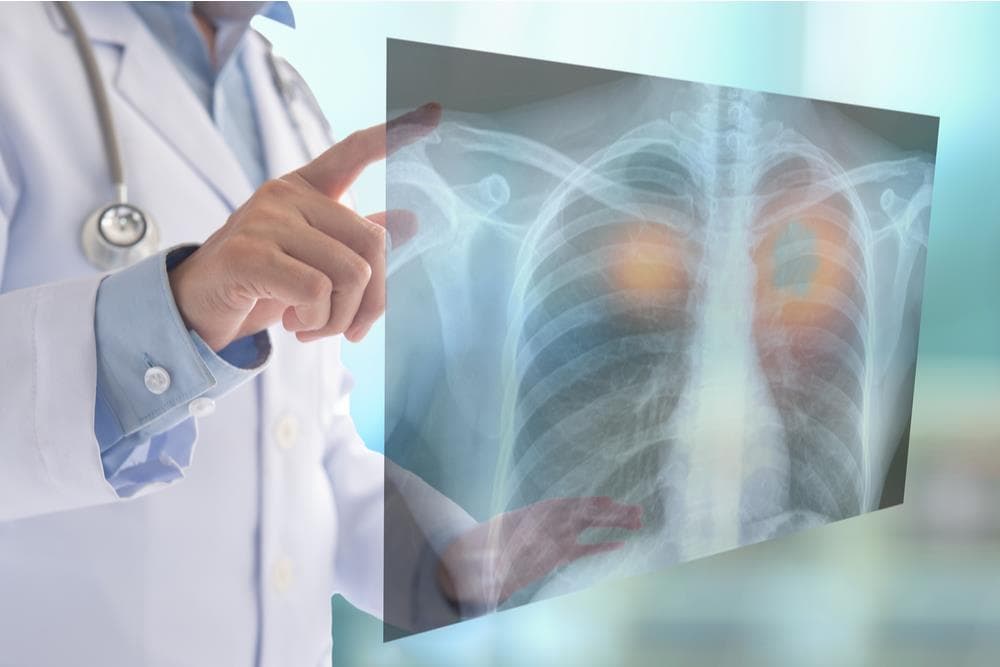
A clear diagnosis comes before any operation. Imaging with chest x ray, computed tomography (CT) and, for cancer, PET-CT shows the size, position and spread of disease, while breathing tests confirm that the lungs can tolerate surgery. Tissue samples are often needed and can be taken through the airway by bronchoscopy, from the lymph nodes of the mediastinum by mediastinoscopy or endobronchial ultrasound, or from the esophagus by endoscopy. In the operating theatre, high definition cameras, robotic platforms and energy devices that seal tissue without sutures make precise, minimally invasive work possible. Because lung and esophageal cancer are staged and treated by a team, the surgeon plans each case together with pulmonology, medical and radiation oncology, radiology, pathology and intensive care, so that surgery fits into one coherent overall plan.

What to expect as an international patient

For people travelling from abroad, the journey usually begins remotely: your scans, biopsy results and medical history are reviewed so that a provisional plan and a realistic idea of the operation and recovery can be shared before you arrive. On arrival, an in person assessment and any remaining tests, such as breathing tests, blood work and updated imaging, confirm the plan. Keyhole lung surgery typically means a hospital stay of about 2 to 5 days, with a chest drain removed once the lung has sealed and re-expanded; major open or esophageal operations need longer in hospital and a more gradual recovery. Most patients are advised to stay in the destination area for one to a few weeks after discharge so wounds can be checked, the chest drain managed and fitness to fly confirmed, since air travel too soon after chest surgery carries a risk. Interpreter and international patient services help with appointments, consent and day to day questions, and your team will arrange remote follow up once you are home.

Frequently asked questions

These answers are general guidance and may vary by provider. Confirm the details with the hospital you choose.

What does a thoracic surgeon treat?

A thoracic surgeon treats surgical disease of the chest other than the heart, including the lungs and airways, the pleura, the esophagus, the mediastinum and thymus, and the chest wall and diaphragm. This covers lung and esophageal cancer, a collapsed lung, pleural infection and fluid, mediastinal and thymus tumours, chest wall deformities and chest injuries.

Will my lung surgery be keyhole or open?

Wherever the disease allows, lung surgery is done by keyhole methods, either video-assisted thoracic surgery or robotic surgery, using a few small cuts instead of a large opening. These usually mean less pain and a faster recovery. Open surgery is chosen when a tumour is large or advanced or when a reconstruction is needed, and your team will explain which approach suits your case and why.

How many days will I spend in hospital?

Keyhole lung surgery usually means a hospital stay of about 2 to 5 days, until the chest drain can be removed and your breathing is stable. Major open operations and esophageal surgery need a longer stay and a more gradual recovery. Your team will give you a personalised estimate once the plan is set.

When can I fly home after chest surgery?

Flying too soon after chest surgery carries a risk, so most patients are advised to stay in the destination area for one to a few weeks after discharge, until the lung has fully re-expanded and the surgeon confirms it is safe to fly. The exact timing depends on the operation and your recovery, and your team will give you clear written advice before you book your return.

Can lung cancer be treated with surgery alone?

Sometimes surgery alone is enough, and sometimes it is combined with chemotherapy, radiotherapy or other treatments. The decision is made by a multidisciplinary team that reviews your imaging, biopsy and stage together, so the operation is part of one coordinated plan rather than an isolated step.

Will there be interpreter and language support?

Yes. International patient services commonly include interpreters and coordinators who help with appointments, consent, instructions and everyday questions, so that language is never a barrier to safe care during a chest operation and recovery.

How will follow up work once I am back home?

Before you leave, your surgeon will give you a written recovery and aftercare plan and arrange remote follow up by message, photo or video. Routine wound checks and any local imaging can usually be done by a clinician near your home, and your team stays reachable to review results and answer questions during your recovery.

Not sure which hospital fits your case?

Upload your medical records and let AI match you to the right hospital.

Upload records and get matched

Available at these hospitals

Technologies and equipment

Not sure which hospital fits your case?

Upload your medical records and let AI match you to the right hospital.

Upload records and get matched