Neuronavigation
Istanbul
Neuronavigation in Istanbul is available at 6 hospitals in the Voumed network.
Neuronavigation is an image-guided surgical system that acts like a precise map and GPS for the brain and spine. Using the patient's own scans built into a three-dimensional model, it shows the surgeon exactly where the instruments are inside the body in real time, so the safest, shortest route to a lesion can be planned and followed. This is especially important in the brain and spine, where targets are often small, deep and surrounded by critical nerves and blood vessels. By guiding the surgeon away from healthy structures, neuronavigation supports accuracy, smaller approaches and added safety.
On this page
At a glance
- Type
- image-guided surgical navigation (3D mapping of brain and spine)
- Used for
- brain tumour, vascular and spinal surgery
- Key benefit
- real-time guidance to deep targets while sparing healthy tissue
- When it is used
- during the operation, alongside the surgical procedure
- Where it is used
- leading accredited neurosurgical centres abroad
What it is
Neuronavigation combines detailed scans, a computer and a tracking system into a single guidance tool. Before surgery, MRI and CT images are merged into an exact three-dimensional model of the patient's anatomy, showing the lesion together with the surrounding nerves and blood vessels. In the operating room, a camera tracks the position of the surgical instruments and matches them to this model, so the surgeon sees, on screen, precisely where the tip of an instrument is in relation to the target and to structures that must be protected. It functions much like satellite navigation, but mapped onto the individual patient's own anatomy.
How it works
At the start of the operation, the navigation system is registered to the patient so the on-screen model lines up exactly with the real anatomy. As the surgeon works, the position of the instruments is shown live on the three-dimensional images, confirming the planned route and the depth and direction to the target. This allows deep or hard-to-see lesions to be reached through the smallest safe opening, and warns the surgeon as critical structures are approached. The technology guides and informs the surgeon, who plans the operation, makes every decision and performs every step.
What it treats and who it helps
Neuronavigation supports surgery rather than treating a condition on its own. It is widely used in brain tumour surgery, in vascular operations such as cerebral haemorrhage and arteriovenous malformation, in biopsy of deep lesions, and in spinal surgery, including the accurate placement of screws. It is particularly valuable when a target is small, located deep within the brain, or surrounded by vital structures, where a clear map and real-time guidance make the operation safer and more precise. The surgical team decides when navigation is appropriate based on the planned procedure and the imaging.
Benefits and what to expect
By showing the surgeon exactly where to work in real time, neuronavigation improves accuracy, supports smaller and more targeted approaches, and helps protect healthy brain tissue, nerves and blood vessels. This can mean more complete treatment of the target with less disruption to surrounding structures, which may support a smoother recovery. For the patient, the navigation is part of the operation itself and needs no separate procedure, although high-quality scans are taken beforehand to build the map. The care team explains the overall operation, recovery and follow-up as part of the surgical plan.
Frequently asked questions
These answers are general guidance and may vary by provider. Confirm the details with the hospital you choose.
What does neuronavigation do?
It creates a precise 3D map from your own scans and shows the surgeon, in real time, exactly where the instruments are inside your brain or spine, helping to reach the target by the safest route while protecting healthy tissue.
Is it like a GPS for surgery?
Yes, that is a helpful comparison. Just as satellite navigation guides a route on a map, neuronavigation guides the surgeon along a planned path mapped onto your own anatomy, confirming position throughout the operation.
Is it a separate procedure I need to prepare for?
No. Navigation is used during your surgery as part of the operation. Detailed scans are taken beforehand to build the map, but there is no separate procedure beyond the usual preparation for your surgery.
Which operations use neuronavigation?
It is used in brain tumour surgery, vascular operations such as cerebral haemorrhage and arteriovenous malformation, biopsy of deep lesions, and spinal surgery, including accurate screw placement.
How does it make surgery safer?
By continuously showing the position of instruments relative to the target and to critical structures, it helps the surgeon avoid healthy nerves and blood vessels and reach deep lesions through the smallest safe opening.
Not sure which hospital fits your case?
Upload your medical records and let AI match you to the right hospital.
Upload records and get matchedAvailable at these hospitals
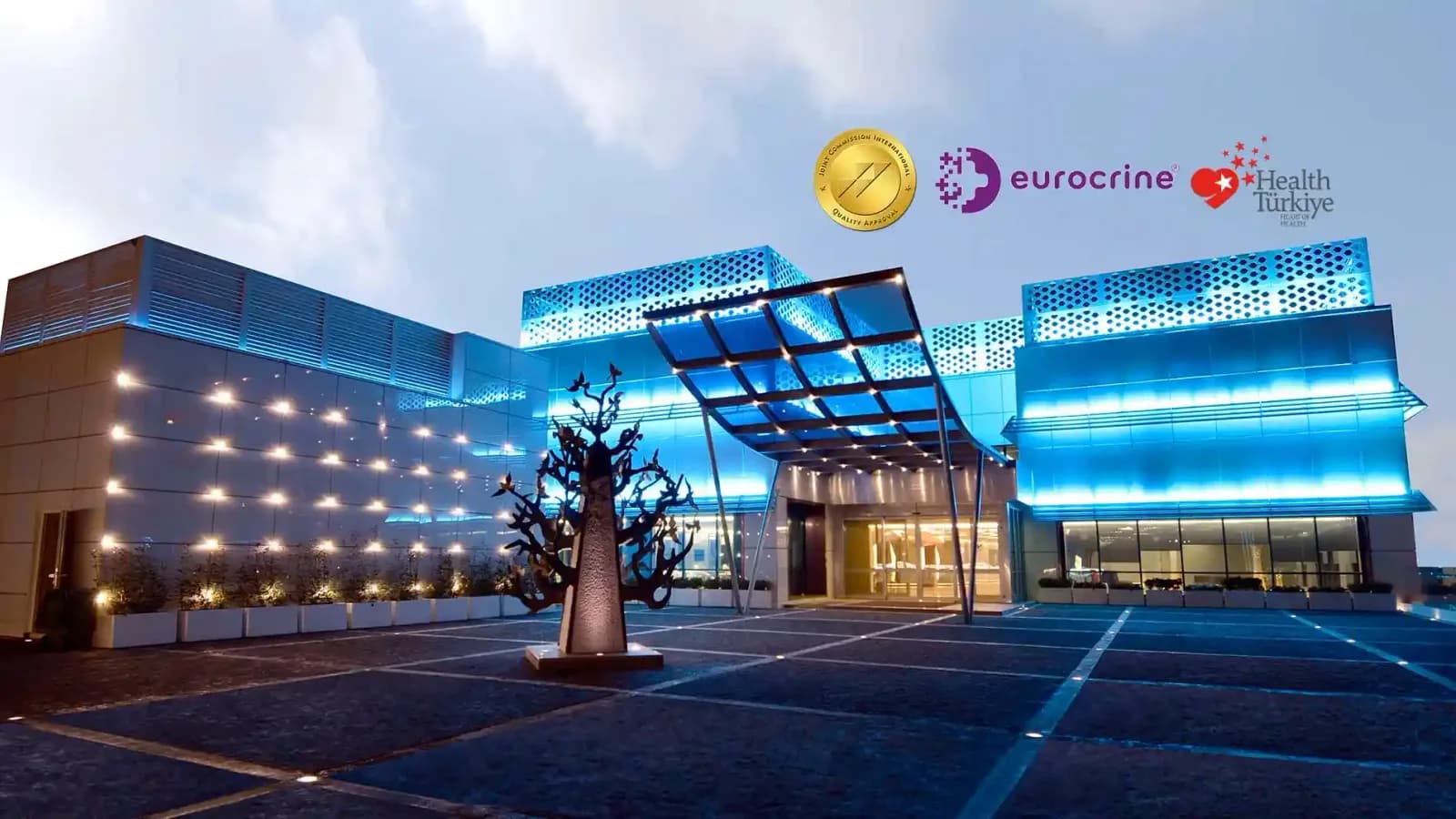
Liv Hospital Vadistanbul
istanbul
- Specialties
- 24

Liv Hospital Topkapı
istanbul
- Specialties
- 18

Liv Hospital Bahçeşehir
istanbul
- Specialties
- 24

Liv Hospital Ulus
istanbul
- Specialties
- 24

Memorial Bahçelievler Hospital
istanbul
- Specialties
- 31

Memorial Şişli Hospital
istanbul
- Specialties
- 29
Specialties
Not sure which hospital fits your case?
Upload your medical records and let AI match you to the right hospital.
Upload records and get matched