Antiviral Treatment for HIV: Early Symptoms, Testing, and Care Pathways

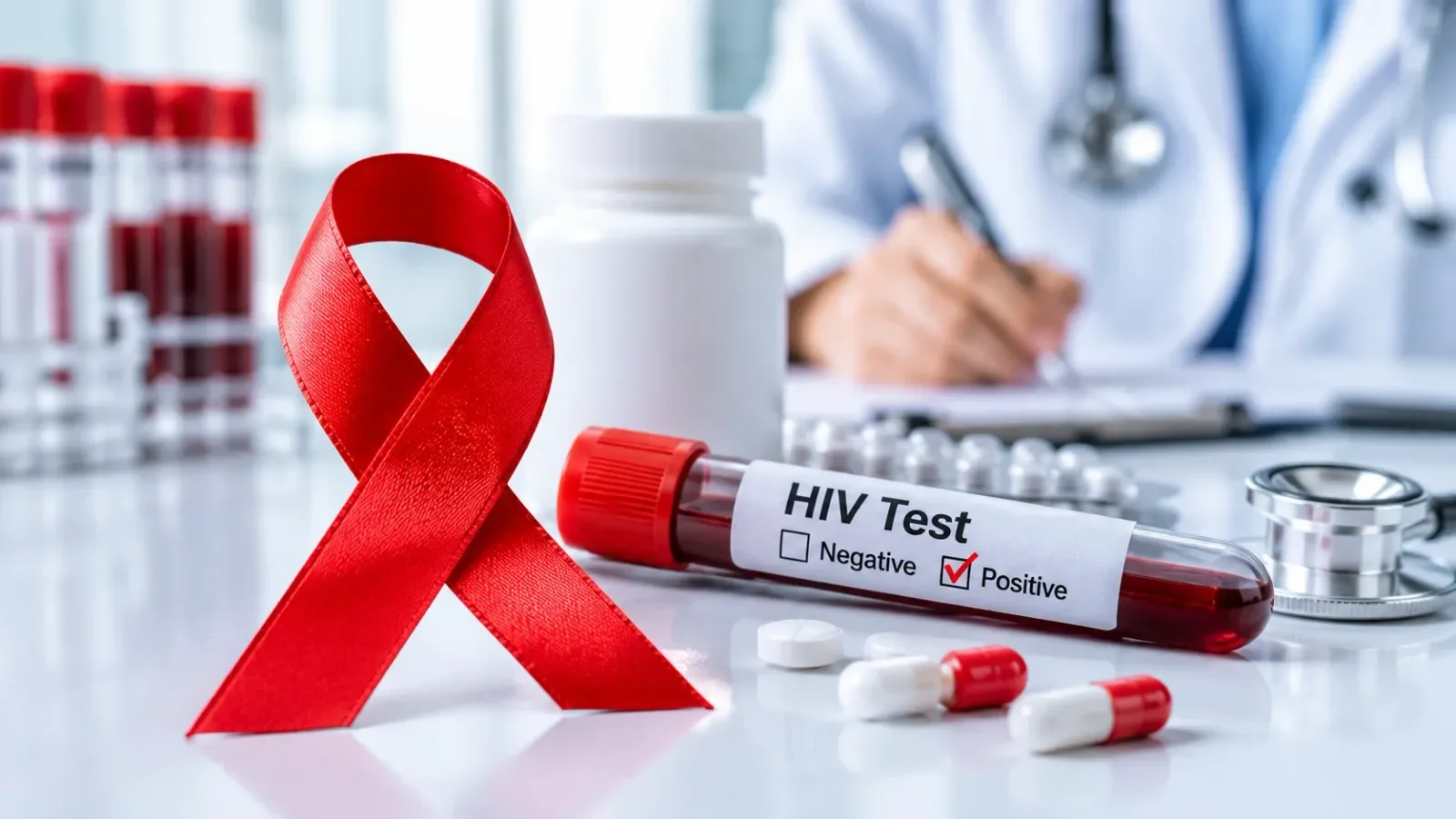
Quick Answer: When taken as prescribed and viral suppression is consistently maintained, modern antiretroviral treatment for HIV can suppress viral replication to undetectable levels, preventing disease progression and effectively eliminating the risk of sexual transmission.
Key Takeaways:
- Epidemiological data confirm that human immunodeficiency virus (HIV) continues to spread primarily through heterosexual contact in multiple affected regions, exceeding 1% prevalence among pregnant women in 27 Russian administrative territories.
- The virus spreads strictly through direct exposure to blood, semen, vaginal secretions, and breast milk; everyday social contact, shared facilities, and insect bites carry no transmission risk.
- Laboratory-based fourth-generation venous blood tests detect both HIV-1/2 antibodies and the p24 antigen, providing highly accurate diagnostic results that are typically considered conclusive after a 45-day window period.
- Consistent combination antiretroviral therapy lowers plasma viral load below detectable limits within months, protecting immune function and preventing sexual transmission when sustained for at least six months.
- Emergency post-exposure prophylaxis (PEP) must start within 72 hours of potential biological exposure, making immediate local medical care essential rather than delaying for travel.
Human immunodeficiency virus targets and destroys CD4+ T-helper lymphocytes, the primary coordinators of cell-mediated immunity. Left unmanaged, continuous viral replication depletes these defensive cells over several years, leaving the host vulnerable to severe opportunistic infections and specific cancers in the advanced clinical stage known as acquired immunodeficiency syndrome (AIDS).
While acute exposure demands immediate local intervention, individuals seeking planned antiviral therapy, routine immunological monitoring, or specialist second opinions can evaluate clinical options worldwide. Modern combination pharmacological regimens suppress viral replication, preserve immune architecture, and allow people living with HIV to achieve life expectancies comparable to the general population.
Global Epidemiological Context: Transmission Patterns and Autumn 2026 Data
Official epidemiological reports indicate a generalized epidemic phase across 27 federal territories of the Russian Federation, where HIV seroprevalence among pregnant women has surpassed 1%.
An estimated 1.23 million individuals in these jurisdictions live with the infection, reflecting a documented transition from concentrated transmission networks to the broader population. The data highlight several clinical and structural shifts:
- Heterosexual intercourse without barrier protection accounts for significant majority of all newly documented diagnoses.
- Seroprevalence above 1% in prenatal maternal screenings meets the World Health Organization threshold defining a generalized epidemic within those administrative divisions.
- Regional variations in antiretroviral therapy distribution contribute to overall virological suppression rates that remain lower than documented averages across the European Union.
- Logistical challenges in public health delivery and variable harm-reduction program availability continue to affect outbreak containment across municipal centers.
For travelers, expatriates, and medical visitors in these and adjacent regions, these statistics do not warrant social alarm, but they reinforce the necessity of understanding biological transmission mechanisms and maintaining barrier precautions.
Modes of Transmission and Medically Established Non-Risk Activities
The human immunodeficiency virus transmits exclusively through direct contact between infectious biological fluids, specifically blood, semen, pre-seminal fluid, vaginal discharge, and breast milk, and broken mucous membranes or the bloodstream.
Transmission requires a sufficient concentration of replication-competent virions entering the circulatory system. Documented biological transmission pathways include:
- Unprotected penetrative vaginal or anal intercourse with an individual who has a detectable circulating viral load.
- Receptive oral intercourse involving direct contact between infectious fluids and open lesions or abrasions in the oral cavity.
- Parenteral exposure through shared needles, syringes, or preparation equipment during intravenous drug use.
- Invasive cosmetic, piercing, tattooing, or surgical procedures performed with unsterilized or reused instruments.
- Vertical transmission from mother to child during pregnancy, labor, delivery, or breastfeeding, an outcome largely prevented when maternal virological suppression is maintained.
Clinical research demonstrates that HIV cannot survive prolonged exposure outside physiological fluids and does not exist in transmissible concentrations in saliva, sweat, tears, or urine. Transmission does not occur through:
- Handshakes, hugging, closed-mouth kissing, or casual skin contact.
- Sharing cutlery, drinking glasses, food, bedding, or bathroom fixtures.
- Communal facilities, including swimming pools, public restrooms, gyms, or saunas.
- Mosquito, tick, or insect bites, because retroviruses cannot replicate within insect vectors or pass through their salivary glands.
Early HIV Symptoms: Recognition and Clinical Timelines
Early HIV symptoms typically develop within two to four weeks following biological exposure as a transient, systemic immune reaction known as acute retroviral syndrome.
This symptomatic phase occurs in roughly 50% to 80% of newly infected individuals. Because these features reflect a general physiological response to rapid initial viral replication, they are routinely misidentified as influenza, infectious mononucleosis, or viral pharyngitis.
Documented early clinical manifestations include:
- A persistent, moderate-to-high fever lasting 7 to 14 days that responds poorly to standard antipyretics.
- Generalized, non-tender lymphadenopathy affecting the cervical, axillary, and inguinal lymph node chains.
- Pharyngeal inflammation (sore throat), occasionally accompanied by painful, shallow mucosal ulcers in the mouth or esophagus.
- A maculopapular, non-itchy rash appearing mainly on the trunk, upper chest, neck, and face.
- Diffuse joint pain (arthralgia), muscle aches (myalgia), profound fatigue, night sweats, and transient digestive issues such as nausea or watery diarrhea.
The clinical progression follows a distinct physiological timeline:
- Biological exposure: The initial transmission event occurs.
- Acute retroviral syndrome (weeks 2 to 4): Rapid viral replication triggers systemic symptoms, including fever, rash, lymph node enlargement, and pharyngitis.
- Symptom resolution (weeks 1 to 2 post-onset): Physical symptoms subside spontaneously as the immune system establishes temporary equilibrium against the virus.
- Clinical latency (multi-year phase): Silent viral replication continues inside lymphoid tissue, leading to progressive CD4+ cell loss without outward symptoms.
Because physical symptoms resolve completely during clinical latency while viral activity silently depletes immune reserves, diagnostic blood testing provides the only reliable confirmation of infection status.
Early Symptoms of HIV AIDS in Men
When early symptoms of HIV/AIDS in men become clinically apparent, they frequently include drenching night sweats, painful genital ulcers, and acute, non-tender testicular swelling alongside general viral symptoms.
Male patients often develop extensive maculopapular trunk rashes accompanied by debilitating fatigue that disrupts everyday activities. Because these acute manifestations subside without medical care within days, men frequently overlook the episode, allowing silent viral replication to proceed without serological confirmation until later disease stages.
Manifestations in Women
Evaluating how HIV symptoms in women early in the disease process present reveals distinct clinical patterns, including recurrent vulvovaginal candidiasis, sudden changes in menstrual cycle regularity, and lower abdominal pain associated with pelvic inflammatory reactions.
Hormonal variations can influence the severity of systemic acute retroviral features, causing severe fatigue, lingering low-grade fevers, and tender regional lymphadenopathy. These signs are frequently misattributed to common gynecological infections or general exhaustion, highlighting the value of targeted blood screening after potential exposure events.
Testing for HIV: Test Types, 4th Generation Assays, and Diagnostic Windows
Standard clinical protocols prioritize fourth-generation laboratory venipuncture assays, which evaluate both anti-HIV-1/2 antibodies and the viral p24 protein to deliver reliable, conclusive diagnosis at a 40-day window period.
The window period represents the biological timeframe between initial exposure and the point where circulating viral markers reach concentrations measurable by standardized assay reagents. During this window, an infected individual can transmit the virus to partners even if preliminary screening yields a non-reactive result.
| Test Methodology | Specimen Analyzed | Analytical Target | Window Period | Result Turnaround |
|---|---|---|---|---|
| 4th Generation Lab Assay (ELISA/ECLIA) | Venous blood serum | HIV-1/2 antibodies + p24 antigen | 40 days | 24 to 72 hours |
| 3rd Generation Rapid Test | Capillary blood (fingerstick) or oral fluid | HIV-1/2 antibodies only | 90 days | 15 to 20 minutes |
| 4th Generation Rapid Test | Capillary blood (fingerstick) | HIV-1/2 antibodies + p24 antigen | 40 to 90 days* | 15 to 20 minutes |
| Nucleic Acid Amplification (NAT/RNA) | Venous blood plasma | HIV-1 viral genetic material | 10 to 15 days | 3 to 7 days |
*Rapid fingerstick combination tests carry lower analytical sensitivity for early p24 antigen detection than automated laboratory analyzers; clinical protocols recommend confirmatory testing at 90 days to consider a negative rapid result definitive.
When testing for HIV using rapid point-of-care saliva or fingerstick platforms, patients receive preliminary screening evaluations within minutes, making these tools useful in community settings.
However, any reactive (preliminary positive) result requires a formal venous blood draw for confirmatory Western blot or secondary immunoblot analysis. The laboratory-based fourth-generation venous draw remains the reference standard for clinical decision-making.
Clinic for HIV Testing: Access, Screening Protocols, and Anonymity
Attending an accredited clinic for HIV testing provides access to structured pre-test counseling, confidential diagnostic screening, and rapid referral to immunological care if an assay demonstrates reactivity.
Public health systems across most European countries offer free, confidential testing through infectious disease outpatient departments, municipal sexual health centers, and certified community organizations. Privacy regulations allow individuals to seek testing without notifying employers or general practitioners, frequently utilizing coded identification numbers to protect anonymity.
Clinical testing protocols typically follow four distinct steps:
- Pre-test assessment: A healthcare provider assesses the nature of the exposure, verifies timelines against established window periods, and determines whether emergency prophylaxis remains viable.
- Biological sampling: A phlebotomist draws venous blood for laboratory chemiluminescent analysis, or clinicians administer point-of-care capillary assays.
- Integrated screening: Clinical appointments often include concurrent screening for common co-occurring sexually transmitted infections, including syphilis, hepatitis B, and hepatitis C.
- Post-test support: Patients with non-reactive results receive counseling on barrier protection and pre-exposure prophylaxis. If a sample demonstrates confirmed reactivity, the clinical team immediately stages the infection by ordering plasma viral load testing and baseline CD4+ lymphocyte counts.
Antiviral Treatment for HIV and the U=U Principle
Modern antiviral treatment for HIV consists of combination antiretroviral therapy (ART) regimens that suppress circulating viral replication below laboratory detection limits, eliminating the biological risk of sexual transmission.
Contemporary first-line regimens integrate two or three active agents into a single daily tablet. These formulations combine therapeutic classes, including integrase strand transfer inhibitors (INSTIs) paired with nucleoside or non-nucleoside reverse transcriptase inhibitors (NRTIs/NNRTIs), to lower plasma viremia beneath 20 to 50 viral RNA copies per milliliter of blood.
The international scientific validation of Undetectable equals Untransmittable (U=U) has reshaped chronic care:
- Intimate relationships: Individuals who maintain viral suppression for at least six months can engage in condomless sexual intercourse with serodiscordant partners without transmitting the virus.
- Conception and family planning: Serodiscordant couples can conceive children through natural intercourse with effectively no risk of sexual transmission to the negative partner and a substantially minimized risk of vertical transmission to the infant.
- Stigma reduction: Clinical proof of non-transmissibility clarifies outdated misconceptions regarding individuals receiving consistent therapy.
Virological suppression does not eradicate the virus from the body. Dormant copies of viral DNA remain integrated within long-lived memory T-cells and anatomical tissue reservoirs. If an individual discontinues medication, viral replication typically rebounds within two to four weeks, increasing viral loads and reversing non-transmissibility.
Pharmacological Prevention: Pre-Exposure Prophylaxis (PrEP) and PEP
Pharmacological prevention strategies protect seronegative individuals through either planned maintenance therapy via Pre-Exposure Prophylaxis (PrEP) or emergency intervention through Post-Exposure Prophylaxis (PEP).
These pharmaceutical protocols complement barrier methods by preventing viral establishment within host lymphoid tissue:
Pre-Exposure Prophylaxis (PrEP)
PrEP involves the proactive administration of oral antiretrovirals (most commonly tenofovir disoproxil fumarate combined with emtricitabine) by seronegative individuals anticipating potential exposure:
- Baseline confirmation of seronegativity using a fourth-generation laboratory test is required before prescribing.
- Ongoing medical monitoring requires routine kidney function panels and liver enzyme evaluations every three to six months.
- Comprehensive screening for other sexually transmitted infections must occur periodically, as PrEP provides no protection against bacterial pathogens or non-HIV viral infections.
- Regimens include daily therapy or physician-guided on-demand schedules based on exposure patterns.
Post-Exposure Prophylaxis (PEP)
PEP serves as an emergency intervention for seronegative individuals who have experienced an isolated high-risk sexual encounter, needle-stick injury, or biological fluid splash:
- Medication must begin within 72 hours of exposure, with optimal effectiveness achieved when dosing starts within the first 24 hours.
- The therapeutic regimen requires strict compliance with a three-drug combination course taken daily for 28 consecutive days.
- Hospital emergency departments and urgent infectious disease clinics provide immediate evaluation and medication dispensing.
- Follow-up venous blood testing is required at the end of the 28-day course and repeated at 40 days post-completion to verify negative status.
HIV Treatment Abroad: Travel Considerations and Medical Logistics
Organizing HIV treatment abroad is suitable for planned long-term therapeutic care, elective clinical evaluations, or specialized consultations, whereas acute exposures require immediate local emergency care.
When an exposure or care need occurs, clinicians recommend the following decision sequence:
- Assess exposure timing (within 72 hours): Seek immediate emergency medical care locally to start PEP within 24 to 72 hours. Do not delay medication to travel, board flights, or arrange international appointments.
- Follow the diagnostic window (beyond 72 hours): If the exposure occurred outside the PEP window, wait for the appropriate testing window to take a fourth-generation venous laboratory blood test at 40 days.
- Determine the care pathway based on test results:
- Non-reactive result: Receive routine prevention counseling and assess eligibility for PrEP.
- Reactive result: Transition to structured medical management. Patients can pursue domestic infectious disease care or plan elective HIV treatment abroad for specialist second opinions and private antiretroviral therapy management.
Individuals managing chronic conditions while traveling, or those seeking care overseas, should take standard clinical precautions:
- Pack an adequate supply of original, factory-labeled antiretroviral medications in carry-on luggage to maintain dosing schedules across time zones.
- Obtain international medical travel insurance that includes explicit coverage for emergency hospital care, infectious disease consultations, and medical evacuation.
- Locate accredited medical facilities and international clinics near travel destinations to prepare for potential disruptions.
- Avoid elective, invasive cosmetic procedures or dental work in unaccredited clinics that cannot document certified instrument sterilization.
- Carry official medical documentation listing personal prescriptions by their international generic pharmaceutical names rather than commercial brand names.
HIV Treatment Cost and Ongoing Care Management
Evaluating HIV treatment cost requires distinguishing between public healthcare coverage, private domestic clinics, and self-funded cross-border care.
In many countries, national health systems cover combination antiretroviral drugs, routine viral load testing, and CD4 lymphocyte counts for eligible residents. For self-funding patients, individuals without comprehensive health insurance, or those seeking care at private international centers, expenses fall into three main categories:
- Laboratory diagnostics: Routine monitoring requires quantitative plasma HIV-1 RNA PCR testing and CD4/CD8 flow cytometry panels two to four times per year. Private laboratory charges typically range from $150 to $450 per testing cycle depending on the country.
- Pharmaceutical regimens: The direct out-of-pocket cost for branded, once-daily single-tablet regimens ranges from $1,000 to over $3,500 for a 30-day supply in unregulated retail markets. Generic formulations (such as tenofovir, lamivudine, and dolutegravir combinations) produced under international voluntary licensing agreements generally cost between $30 and $120 monthly in licensed manufacturing centers.
- Specialist consultations: Appointments with an infectious disease consultant or specialized physician generally average between $100 and $350 per visit in private medical facilities.
Patients planning long-term treatment outside their domestic system must account for regular travel logistics, scheduled monitoring tests, and reliable medication access. Unplanned gaps in medication supply risk viral rebound and drug-resistance mutations, making dependable supply chains essential to clinical management.
Clinical Risks, Long-Term Complications, and Warning Signs
Undiagnosed or unmanaged HIV replication causes progressive, irreversible destruction of the helper T-cell compartment, leading to severe immunodeficiency, opportunistic infections, and shortened life expectancy.
Without therapeutic suppression, the immune system loses its ability to control latent pathogens. Individuals who enter care years after initial infection, termed "late presenters", frequently present with CD4+ counts below 200 cells per microliter, meeting the clinical criteria for AIDS.
Documented long-term complications include:
- Opportunistic infections: Serious illnesses including Pneumocystis jirovecii pneumonia (PCP), extensive esophageal or tracheobronchial candidiasis, cerebral toxoplasmosis, disseminated cytomegalovirus (CMV), and extrapulmonary non-tuberculous mycobacterial infections.
- Associated malignancies: Cancers linked to reduced immune surveillance, notably Kaposi sarcoma (associated with human herpesvirus 8), systemic non-Hodgkin lymphomas, primary central nervous system lymphoma, and invasive cervical or anal squamous cell carcinomas associated with human papillomavirus (HPV).
- Persistent immune activation: Ongoing, low-level viremia drives sustained vascular endothelial inflammation, accelerating coronary artery disease, myocardial infarction, neurocognitive impairment, chronic kidney disease, and bone demineralization (osteopenia).
Specific warning signs require urgent clinical evaluation:
- Unexplained, involuntary weight loss exceeding 10% of baseline body weight within a short period (HIV wasting syndrome).
- Recurrent fevers above 38 °C (100.4 °F) persisting longer than four consecutive weeks without an identified source.
- Chronic, debilitating, watery diarrhea lasting continuously for more than 30 days.
- Fixed white plaques along the oral mucosa, persistent bleeding, or severe pain behind the breastbone when swallowing.
- Progressive shortness of breath during routine activity accompanied by a dry, persistent cough.
Starting prescribed antiretroviral therapy stops cellular immune depletion, stabilizes CD4+ lymphocyte counts, and reduces the long-term risk of opportunistic complications.
Frequently Asked Questions
When should someone take an HIV test following a potential exposure?
A laboratory-based fourth-generation venous blood test provides a definitive, conclusive result at 40 days following potential exposure. If someone develops acute retroviral symptoms earlier or requests initial reassurance, testing can be performed at 20 to 30 days; however, clinical guidelines require verifying any negative result with a repeat test at day 40.
How long must an individual wait for a conclusive result when using a rapid test?
A third-generation rapid test analyzing fingerstick blood or oral fluid requires a 90-day window period to deliver a conclusive negative result. While fourth-generation rapid dual-detection tests offer high accuracy by day 40, clinical protocols recommend confirming non-reactive rapid tests with a standard venous laboratory draw.
What immediate action is required if a condom breaks with a partner of unknown status?
An individual must seek immediate emergency medical care, ideally within hours and no later than 72 hours, at a hospital emergency room or sexual health clinic to start Post-Exposure Prophylaxis (PEP). Physicians evaluate the exposure risk and prescribe a 28-day antiretroviral course to prevent the virus from establishing infection.
Does antiretroviral therapy need to be continued for life?
Yes, medical protocols require lifelong daily administration of antiretroviral therapy because these medications suppress active viral replication without eliminating dormant cellular reservoirs. Stopping medication without clinical supervision allows dormant provirus to reactivate within weeks, raising viral loads, damaging immunity, and restoring transmission risk.
Not sure which hospital is right for your case?
Upload your medical reports and our AI will match them against the verified capabilities of every hospital in our network.
- Upload your reports (no account needed)
- Our AI matches your case with hospitals that can actually treat it
- You choose who receives your case. We present it in the hospital's own language, and the hospital replies directly to you
Free and anonymous. Your documents stay private until you decide to send them.