Energy Drinks and Heart Problems: What the New American Heart Association Study Found
Energy drinks can trigger heart problems like arrhythmias and cardiac arrest due to high caffeine and multi-stimulant blends prolonging the QTc interval.

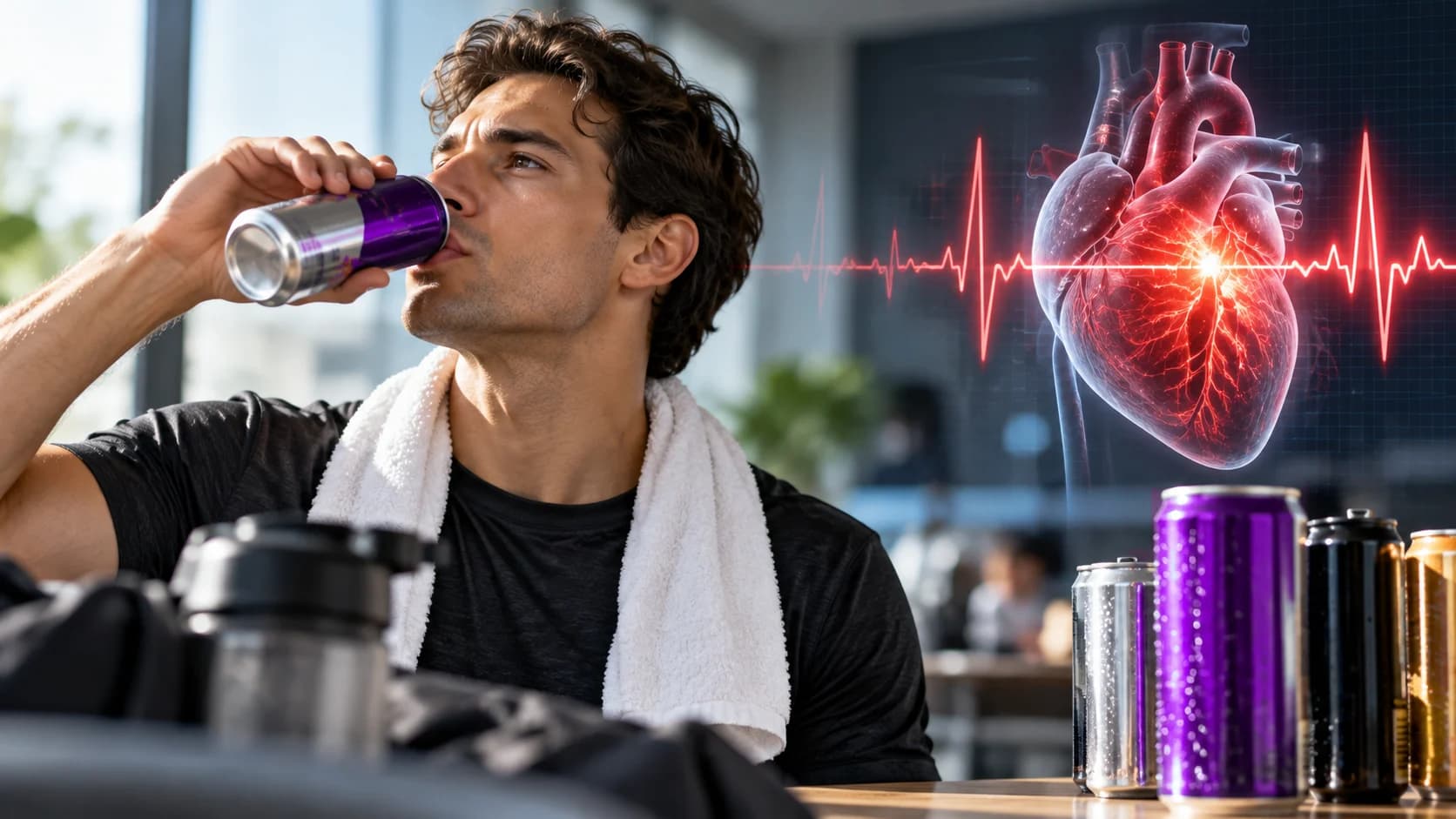
Quick Answer: A preliminary study presented at the American Heart Association Scientific Sessions in November 2026 reported that energy drinks and stimulant supplements have been associated with a higher incidence of cardiac events compared to non-stimulant products.
Key Takeaways:
- An analysis of US FDA adverse event records from 2017 through 2025 showed an 11-fold higher reporting rate of cardiac arrest for stimulant energy drinks compared to non-stimulant dietary supplements.
- Young adults aged 18 to 34 accounted for approximately 45 percent of all cardiac adverse events identified in the reviewed database.
- Cardiovascular strain stems from the interaction of concentrated caffeine with botanical stimulants like guarana, yohimbine, and synephrine, which can prolong the cardiac QTc interval and raise peripheral blood pressure.
- Mixing energy drinks with alcohol or drinking them right before intense physical exercise raises the risk of irregular heart rhythms and acute hemodynamic collapse.
- People with diagnosed structural heart conditions, electrical heart disorders, or chronic high blood pressure, along with pregnant individuals and teenagers, should avoid multi-stimulant energy beverages.
Energy drinks are commercial, non-alcoholic beverages formulated to raise alertness, concentration, and physical stamina through high doses of caffeine, amino acids, and concentrated herbal stimulants. Unlike traditional caffeinated drinks such as brewed drip coffee or steeped tea, these products combine multiple stimulant agents that act together on the autonomic nervous system. Understanding how energy drink-related heart problems develop requires examining both observational drug-safety reports and the specific electrical changes these multi-ingredient formulas cause in the human cardiovascular system.
Video · 2:22
Energy Drinks and Heart Problems: New AHA Study and Warning Signs
Video transcript
0:00 IntroCan energy drinks hurt your heart? A preliminary study for the American Heart Association's 2026 meeting looked at more than 28,000 safety reports. Here is what it found, what it can't prove, and who should be careful.
0:14 The new studyResearchers analysed FDA adverse event reports from 2017 to 2025. Compared with other foods and supplements, reports involving energy drinks and stimulant supplements mentioned cardiac arrest about 11 times more often, and heart attack about 4.5 times.
0:30 Other heart effectsPalpitations and dangerous heart rhythms appeared about four times more often, a fast heart rate nearly three times, chest pain almost three times, and fainting about twice as often.
0:41 Who was affectedAbout 45 percent of these heart reports involved young adults aged 18 to 34, and men and women showed similar patterns. But this is an early research abstract, not yet peer reviewed. The reports are voluntary, so no one knows how many people drank these products without problems. It shows a link, not proof of cause.
1:01 Hidden heart conditionsSome heart rhythm conditions, like long QT syndrome, are often inherited and can cause no symptoms at all. Reports like these can't show whether a hidden condition played a role.
1:12 How much caffeineCaffeine is the main stimulant. A can of cola has about 35 milligrams, a cup of coffee about 100, and a 16-ounce energy drink anywhere from 54 to over 300. Some also add guarana, another caffeine source.
1:28 Blood pressure and rhythmIn a randomized trial, healthy adults who drank about a liter of energy drink within an hour saw their blood pressure rise and their QT interval lengthen more than with a placebo drink.
1:38 Mixing with alcoholMixing energy drinks with alcohol is another concern. Caffeine can make people feel less drunk while their coordination and reaction time are still impaired. And young people who mix them binge drink more often.
1:51 Who should be carefulMedical experts advise against energy drinks for children and teens. If you're pregnant or breastfeeding, take medicines, or have a heart condition, talk to a doctor about caffeine first. Chest pain, a racing or pounding heart, or fainting after these drinks are signs to get checked. Chest pain that won't go away or comes with shortness of breath is an emergency. Call emergency services straight away. For the full guide with sources, visit the Voumed blog. And if this helped, subscribe for clear, sourced health explainers.
What the 2026 American Heart Association Energy Drink Study Found
Preliminary research presented at the American Heart Association Scientific Sessions in November 2026 evaluated US FDA adverse event reports from 2017 through 2025. The study found that cardiac arrest was reported roughly 11 times more frequently with energy drinks and stimulant supplements than with non-stimulant products.
Furthermore, approximately 45 percent of all cardiac adverse events in the database involved young adults aged 18 to 34. Because this evaluation relies on voluntary reporting databases and observational data, it demonstrates an observational link rather than direct causation, highlighting the need for regulated consumption and further clinical investigation.
The findings from this American Heart Association energy drink study drew on the US Food and Drug Administration Adverse Event Reporting System (FAERS). Researchers filtered nearly a decade of voluntary consumer, physician, and emergency department submissions to assess the cardiovascular burden linked to commercial dietary stimulants. The primary outcome was a distinct pattern: products containing high concentrations of synthetic caffeine, botanical extracts, and secondary thermogenic stimulants generated an elevated reporting signal for sudden cardiovascular collapse compared to standard nutritional supplements.
A key demographic finding was the disproportionate clustering of life-threatening events among young, active individuals. In general cardiology practice, sudden cardiac arrest occurs predominantly in older cohorts with extensive coronary artery disease or long-standing heart failure. In this safety registry, however, almost half of the severe cardiac outcomes occurred in individuals under 35 years old. This epidemiological pattern indicates that commercial stimulants can act as destabilizing triggers in younger groups who otherwise have no known history of cardiovascular disease.
Because the data come from spontaneous post-marketing safety filings rather than a prospective, randomized controlled trial, the findings cannot determine absolute incidence or individual baseline biological risk. Many submissions in spontaneous reporting databases lack complete toxicology panels or continuous ambulatory electrocardiographic documentation. Nevertheless, the statistical magnitude of the 11-fold reporting disparity provides clear evidence that high-stimulant energy formulas place physiological demands on the body that differ substantially from traditional dietary caffeine sources.
Energy Drinks and Cardiac Arrest: Correlation Versus Direct Causation
The reported 11-fold increase in cardiac arrest reports reflects a strong statistical signal within adverse event tracking, but it does not establish that energy drinks directly cause cardiac arrest on their own.
The FDA adverse event reporting system captures post-market incident submissions that often involve confounding variables. These include underlying undiagnosed heart conditions, structural defects, simultaneous substance use, or extreme physical exertion. For vulnerable individuals, the surge in stress hormones (catecholamines) triggered by high-dose stimulants can serve as an acute physiological catalyst rather than the sole cause.
Investigating the relationship between energy drinks and cardiac arrest requires navigating the practical limits of spontaneous safety reporting. The FAERS framework relies on unverified public and clinician submissions. This means adverse events are frequently subject to reporting bias, imprecise exposure details, and missing medical histories. For example, when an otherwise healthy 22-year-old collapses at a gym, an empty energy drink container can easily prompt a formal submission. By contrast, identical collapses without an obvious external trigger might simply be recorded as unexplained fainting (cardiac syncope).
Despite these methodological limits, cellular and clinical electrophysiology demonstrates how concentrated stimulants act as acute arrhythmic triggers. In many recorded instances of post-consumption cardiac arrest, clinical testing after resuscitation identifies previously hidden cardiovascular conditions, including:
- Congenital long QT syndrome (LQTS) affecting myocardial repolarization
- Subclinical Brugada syndrome altering ventricular sodium channel function
- Hypertrophic cardiomyopathy (HCM) causing left ventricular outflow tract obstruction
- Undetected anomalous coronary artery origins vulnerable to acute vasospasm
- Right ventricular dysplasia susceptible to adrenergic stimulation
In these susceptible clinical profiles, multi-stimulant formulas act as a physiological tipping point. The acute pharmacodynamic action does not generate a structural malformation on its own. Instead, the sudden surge of circulating epinephrine and norepinephrine destabilizes electrical conduction across an already vulnerable heart muscle, converting an otherwise stable baseline state into life-threatening ventricular tachycardia or ventricular fibrillation.
Why High Caffeine Energy Drinks and Multi-Stimulant Blends Strain the Heart
High caffeine energy drinks stress the cardiovascular system by raising circulating adrenaline, increasing peripheral vascular resistance, and prolonging the corrected QT interval (QTc) on an electrocardiogram.
While the US FDA suggests an upper intake of 400 milligrams of caffeine daily for healthy adults, many commercial energy beverages combine concentrated caffeine with botanical stimulants like guarana, yohimbine, and synephrine alongside taurine. This proprietary blend can prompt acute blood pressure spikes, irregular upper-chamber rhythms (supraventricular arrhythmias), and extra heartbeats (ventricular ectopy) far more aggressively than standard coffee.
To understand why energy drinks cause heart problems, clinicians evaluate the difference between an isolated cup of coffee and an engineered multi-stimulant beverage. A standard eight-ounce mug of drip coffee generally contains between 90 and 120 milligrams of natural caffeine. In contrast, modern high caffeine energy drinks frequently deliver between 200 and 350 milligrams of anhydrous caffeine in a single 16-ounce can, often combined with concentrated herbal extracts that escape standardized milligram labeling mandates.
Guarana (Paullinia cupana), for instance, contains guaranine, a compound chemically identical to caffeine, at roughly four times the concentration found in standard Coffea arabica beans. Because beverage manufacturers list guarana as a separate dietary ingredient, the actual functional caffeine content in a commercial can frequently exceeds the nominal caffeine figure declared on the nutrition panel. When coupled with synephrine (an adrenergic agonist structurally similar to ephedrine) and yohimbine (an alpha-2 adrenergic receptor blocker), the beverage produces pronounced narrowing of blood vessels (vasoconstriction).
| Beverage Type | Average Effective Caffeine (mg) | Secondary Stimulants Present | Impact on QTc Interval | Blood Pressure Response |
|---|---|---|---|---|
| Brewed Black Coffee (8 oz) | 95-120 mg | Trace polyphenols | Negligible change (<5 ms) | Transient, mild systolic rise (2-4 mmHg) |
| Traditional Green Tea (8 oz) | 30-50 mg | L-theanine (calming amino acid) | No measurable prolongation | Neutral to mild vasodilation |
| Standard Energy Drink (16 oz) | 160-200 mg | Taurine, B-vitamins, Inositol | Mild prolongation (5-10 ms) | Moderate systolic and diastolic spike (5-8 mmHg) |
| High-Potency "Super" Energy Beverage (16 oz) | 300-350 mg | Guarana, Yohimbine, Synephrine | Clinically significant prolongation (>15-20 ms) | Acute, sustained peripheral vasoconstriction (10-15 mmHg) |
| Energy Drink Mixed with Alcohol | 160-300 mg | Ethanol + proprietary stimulants | Unpredictable / Elevated arrhythmia vulnerability | Blunted baroreceptor response with high rebound tachycardia |
The cardiovascular strain is further compounded by changes in the cardiac electrical cycle. Controlled clinical studies show that high-stimulant energy drinks cause a measurable lengthening of the corrected QT interval (QTc) lasting up to two hours after consumption. The QT interval represents the time required for the lower chambers of the heart (ventricles) to contract and recharge electrically. When stimulants delay this recharging phase, the heart becomes vulnerable to the "R-on-T" phenomenon, where an early extra heartbeat triggers rapid, disorganized rhythms such as torsades de pointes.
Furthermore, high concentrations of free taurine and glucuronolactone influence calcium handling within heart muscle cells (cardiomyocytes). While baseline dietary taurine supports normal muscle contraction, massive bolus dosing combined with high stress hormones can trigger intracellular calcium overload. This state prompts erratic electrical firing, manifesting clinically as skipped beats (premature atrial complexes), extra ventricular beats, and sudden rapid heart rates (supraventricular tachycardia).
Dangerous Synergies: Combining Energy Drinks with Alcohol or Intense Exercise
Mixing energy drinks with alcohol or using them as pre-workout stimulants compounds cardiovascular risk by masking biological fatigue cues and accelerating dehydration.
Alcohol widens blood vessels and depresses heart muscle function, while concurrent stimulant intake counteracts drowsiness. This interaction often leads individuals to consume higher volumes of alcohol, which can trigger an irregular rhythm known as holiday heart syndrome (atrial fibrillation). Similarly, consuming high stimulant doses immediately before heavy training increases shear stress on coronary arteries, raising the likelihood of exercise-induced arrhythmias.
The practice of combining high-caffeine beverages with alcohol creates a dual physiological hazard. Known clinically as "wide-awake drunkenness," the strong central nervous system stimulation from caffeine, guarana, and taurine overrides the natural sedating cues of alcohol. Consequently, individuals often drink considerably more alcohol before recognizing physical impairment.
This combination places notable stress on the electrical pathways of the heart:
- Alcohol breakdown products, especially acetaldehyde, directly impair heart muscle contraction.
- Concurrent stimulant ingestion keeps the resting heart rate abnormally elevated, preventing natural compensatory rest.
- Rapid fluid loss through the kidneys from the diuretic effects of alcohol and concentrated caffeine depletes key electrolytes, including serum potassium and magnesium.
- Acute electrolyte loss destabilizes the resting electrical charge of atrial cells, raising the risk of episodic atrial fibrillation.
When consumed before high-intensity conditioning or heavy weight training, energy drinks create a challenging vascular environment. During strenuous exercise, cardiac output naturally rises to meet muscular oxygen demands, accompanied by an elevation in circulating stress hormones. Ingesting 300 milligrams of anhydrous caffeine combined with vasoconstrictive herbal extracts right before a workout causes an exaggerated spike in systemic vascular resistance.
This sharp increase in afterload forces the left ventricle to pump against constricted peripheral blood vessels while beating at near-maximal rates. In susceptible individuals, these intense pressures can trigger temporary reduced blood flow to the heart (myocardial ischemia), coronary artery spasms, or sudden exertional collapse.
Clinical Warning Signs of Acute Cardiovascular Distress
Acute cardiovascular distress from excessive stimulant consumption manifests as sudden crushing chest pressure, radiating arm or jaw pain, unprovoked shortness of breath, a sustained resting heart rate over 120 beats per minute, or fainting (syncope).
While mild restlessness, slight hand tremors, and minor stomach upset represent common caffeine responses, any episode of severe lightheadedness, racing heartbeats accompanied by dizziness, or chest tightness requires immediate emergency medical evaluation.
Differentiating expected caffeine stimulation from an acute cardiovascular emergency is vital for safety. A typical mild response to caffeine involves heightened alertness, a slight increase in urination, and mild fine motor tremors in the hands. These reactions are temporary and usually resolve as circulating caffeine levels decline over its 4-to-6-hour half-life.
By contrast, true cardiovascular emergencies triggered by stimulant toxicity involve clear warning signs that require urgent attention:
- Persistent Central Chest Discomfort: A sensation of crushing tightness, substernal fullness, burning, or pressure that radiates to the jaw, neck, back, or down the left arm.
- Abnormal Heart Palpitations: Sensations of fluttering, skipped beats, or an erratic pounding rhythm at rest, particularly alongside pale skin (pallor) or cold sweats (diaphoresis).
- Sustained Rapid Heart Rate: A resting pulse consistently measuring over 120 to 140 beats per minute without physical exertion or acute anxiety.
- Lightheadedness and Fainting (Syncope): Sudden loss of balance, visual dimming, or fainting, pointing to reduced blood flow to the brain from a temporary heart rhythm disturbance.
- Shortness of Breath (Dyspnea): Difficulty catching one's breath while seated or resting, sometimes accompanied by a sensation of chest tightness.
When these severe symptoms develop after consuming concentrated stimulant products, call emergency medical services (911 in the US) immediately. Sit upright, rest quietly, and avoid taking additional medications or supplements while awaiting paramedic evaluation.
High-Risk Profiles: Who Should Avoid Energy Drinks Completely?
Individuals diagnosed with congenital or acquired heart conditions, including long QT syndrome, Brugada syndrome, hypertrophic cardiomyopathy, coronary artery disease, or chronic high blood pressure, should avoid energy drinks entirely.
In addition, teenagers whose cardiovascular systems are still developing, pregnant or nursing individuals, and people taking stimulant medications face increased risks of adverse pharmacological interactions and sudden blood pressure spikes.
For certain groups, the clearance rates, vascular changes, and electrical shifts triggered by multi-stimulant formulas carry significant risk. Individuals with underlying clinical vulnerabilities often lack the cardiovascular reserve to handle sudden adrenaline surges and arterial constriction.
The following groups should avoid commercial energy drinks and multi-stimulant blends:
- Patients with Inherited Arrhythmia Syndromes: People with genetic ion channel disorders, such as Long QT Syndrome (types 1, 2, and 3), Catecholaminergic Polymorphic Ventricular Tachycardia (CPVT), or Brugada Syndrome, face elevated risks of ventricular arrhythmias due to QTc prolongation and strong adrenaline surges.
- Individuals with Structural or Coronary Heart Disease: Those with prior heart attacks, diagnosed coronary artery disease, heart enlargement (left ventricular hypertrophy), or heart failure face risks of acute myocardial ischemia when stimulants elevate oxygen demand while narrowing blood vessels.
- Patients with Chronic High Blood Pressure (Hypertension): Multi-stimulant energy drinks can trigger sharp, sustained increases in both systolic and diastolic blood pressure, counteracting antihypertensive treatments.
- Children and Adolescents Under Age 18: The American Academy of Pediatrics advises that children and adolescents avoid energy drinks. Pediatric body weights, developing cardiovascular systems, and sleep needs make this group vulnerable to rhythm disturbances and high blood pressure.
- Pregnant and Nursing Individuals: High caffeine doses cross the placenta, where the fetal liver lacks the cytochrome P450 1A2 enzyme needed to break it down, raising risks of reduced fetal growth and maternal cardiovascular strain.
- Individuals Taking Stimulant or Psychotropic Medications: Combining energy drinks with ADHD medications (such as methylphenidate or amphetamine salts), monoamine oxidase inhibitors (MAOIs), or select antidepressants can trigger severe blood pressure spikes or dangerous drug interactions.
Evidence-Based Guidance for Safe Daily Energy and Alertness
Sustainable daily energy relies on meeting core physiological needs rather than stimulating the central nervous system, starting with 7 to 9 hours of quality sleep, consistent daily routines, and adequate hydration.
For those seeking mild alertness, moderate intake of single-ingredient drinks like unsweetened green tea or black coffee (providing under 200 milligrams of caffeine per serving and capped below 400 milligrams daily) supports focus without the risks of concentrated stimulant blends.
Relying on artificial stimulant surges to counter ongoing exhaustion creates a tiring cycle. Caffeine works primarily by blocking adenosine receptors in the brain. It does not resolve cellular fatigue; it temporarily prevents the brain from sensing its natural need for rest. Once caffeine is metabolized, accumulated adenosine binds to those receptors, causing rebound fatigue that often leads individuals to reach for another drink.
To support healthy daytime alertness without straining the cardiovascular system, consider these evidence-based habits:
- Prioritize Consistent Sleep: Aim for 7 to 9 hours of uninterrupted sleep each night. Getting natural outdoor light within 30 minutes of waking helps set your internal circadian clock and supports natural morning cortisol production.
- Maintain Daily Hydration: Mild dehydration is a frequent and overlooked driver of daytime fatigue and reduced concentration. Drink 16 to 24 ounces of water after waking, and keep a consistent water intake throughout the day.
- Choose Single-Source Caffeinated Drinks: If you use caffeine, choose traditional black coffee or unsweetened green tea over multi-stimulant energy drinks. These provide predictable caffeine doses along with natural antioxidants like chlorogenic acid and catechins, avoiding interactions with guarana, yohimbine, or synephrine.
- Cap Daily Caffeine and Limit Evening Intake: Keep total daily caffeine intake to a maximum of 400 milligrams for healthy adults (and under 200 milligrams in a single serving). Stop caffeine intake at least 8 hours before bed so it clears your system without disrupting deep and REM sleep stages.
- Add Short Walking Breaks: Replace an afternoon energy drink with a 10-to-15-minute brisk walk. Light physical movement improves circulation, delivers oxygen to tissues, and boosts focus without placing extra stress on the heart.
Frequently Asked Questions
Can Energy Drinks Cause Heart Problems?
Yes, energy drinks can trigger acute heart problems, especially irregular heart rhythms (arrhythmias), sudden blood pressure spikes, and delayed electrical recovery of the heart muscle (prolonged QTc interval). While healthy adults often tolerate moderate caffeine intake, the high concentrations of caffeine and added herbal stimulants in energy drinks place extra electrical and mechanical demand on the heart. In people with undetected heart vulnerabilities, this surge in stress hormones can lead to atrial fibrillation, ventricular arrhythmias, or sudden cardiac arrest.
Can You Drink Energy Drinks with Heart Problems?
No, individuals with diagnosed heart problems should avoid energy drinks completely. If you have a history of coronary artery disease, heart failure, prior arrhythmias, genetic electrical conditions such as Long QT syndrome, or chronic high blood pressure, multi-stimulant drinks can destabilize your cardiovascular system. The sudden increase in blood pressure and heart rate raises myocardial oxygen demand, which can prompt reduced blood flow to the heart muscle or dangerous rhythm disruptions.
How Much Caffeine in an Energy Drink Is Considered Dangerous?
For healthy adults, consuming more than 400 milligrams of caffeine across a single day, or more than 200 milligrams in one sitting, increases the likelihood of cardiovascular and neurological symptoms. In commercial energy drinks, adverse effects can happen at lower caffeine levels because unlisted or proprietary botanical stimulants, such as guarana and synephrine, enhance the stimulant effect. This combination can cause heart palpitations, tremors, and sudden blood pressure elevations even below standard caffeine limits.
Why Did Young Adults Represent Nearly Half of the Reported Cardiac Events?
Young adults aged 18 to 34 accounted for approximately 45 percent of adverse cardiac events linked to energy drinks due to high consumption rates, targeted marketing, and specific drinking habits. Individuals in this demographic frequently consume multiple high-potency drinks during sports, long study hours, or social activities. In addition, young adults are the group most likely to mix energy drinks with alcohol or use them before high-intensity workouts, which can expose previously silent, congenital heart vulnerabilities through rapid adrenaline surges.
Not sure which hospital is right for your case?
Upload your medical reports and our AI will match them against the verified capabilities of every hospital in our network.
- Upload your reports (no account needed)
- Our AI matches your case with hospitals that can actually treat it
- You choose who receives your case. We present it in the hospital's own language, and the hospital replies directly to you
Free and anonymous. Your documents stay private until you decide to send them.