Dental Veneers
Istanbul
Dental Veneers in Istanbul is available at 9 hospitals in the Voumed network.
Dental veneers are thin, custom-made shells of porcelain or composite resin bonded to the front of the teeth to improve their colour, shape, alignment and spacing. Because they cover only the visible surface, veneers can transform a smile while removing very little or, with some types, none of the natural tooth. They are a versatile cosmetic solution for discoloured, chipped, worn or slightly uneven front teeth, and for gaps that a patient would like to close. Many people travel abroad to have a full set of veneers placed in one short, focused trip, working with experienced dental teams who plan, prepare and fit the veneers under one roof.
On this page
At a glance
- Anaesthesia
- usually none, or local anaesthesia for tooth preparation
- Hospital stay
- outpatient, no overnight stay
- Treatment time
- completed over about two to three visits across the trip
- Recovery
- no real downtime; mild sensitivity for a few days after preparation
- Time before flying home
- usually 5 to 8 days, to allow preparation, temporaries and final bonding
- Results visible
- a clear change once the final veneers are bonded, often previewed beforehand
What dental veneers are
A veneer is a wafer-thin shell, custom-made to match the natural look of teeth, that is permanently bonded to the front surface of a tooth. Rather than rebuilding the whole tooth, a veneer resurfaces only the part that shows when a person smiles, changing its colour, shape and proportion. Veneers are chosen mainly for cosmetic reasons, but they also restore lightly damaged or worn front teeth and protect the surface that is treated. Because each shell is made individually to suit the face and the neighbouring teeth, the aim is a result that looks natural for that person rather than artificial, blending seamlessly with the rest of the smile.
Types of veneer and what they fix
Veneers are made from two main materials. Porcelain veneers, including very thin laminate veneers and high-strength ceramic types, are crafted in a dental laboratory, resist staining well and reflect light much like natural enamel, which makes them durable and lifelike; they usually need a small amount of preparation. Composite veneers are built up from a tooth-coloured resin, often in a single visit, and are a more conservative, easily repaired option. Whichever material is used, veneers address the same common concerns: they brighten teeth that are discoloured or stained and do not respond well to whitening alone, repair chips and minor cracks, reshape teeth that are worn, short or irregular, and close small gaps between the front teeth. They can also make slightly crooked or uneven teeth look straighter without orthodontic treatment.
Candidacy and preparation
A good candidate has healthy gums and teeth that are free of significant decay or gum disease, a fully developed jaw, and realistic expectations about what veneers can achieve. Because a thin layer of enamel is often removed for porcelain veneers, the decision is planned carefully, as that step cannot be reversed. Any active decay, gum inflammation or infection is treated first, since a stable, healthy foundation protects the result and the longevity of the veneers. The dentist reviews the patient's dental history, medications and allergies, examines the teeth and gums and usually takes x-rays or 3D images to assess the teeth and the supporting bone. Habits such as grinding or clenching are discussed, as they may call for a protective night guard. For international patients much of this can begin remotely: clear photographs of the smile and any recent dental records let the team give an initial plan before travel, with the final assessment completed in person on arrival.
How it is done
Treatment usually unfolds over two or three visits. It begins with an examination and planning, in which the dentist assesses the colour, alignment and overall look of the teeth and, with the patient, chooses the size, shape and shade of the veneers; a preview of the planned smile is often shown before any permanent work starts. Next comes preparation, when a minimal amount of enamel is gently removed from the front of the teeth so the veneers fit seamlessly, usually under local anaesthesia so the patient feels nothing. Impressions or digital scans are taken, and temporary veneers are placed to protect the teeth while the final ones are made. At the final visit the custom veneers are checked for fit and colour and then bonded to the teeth with a strong dental adhesive, instantly changing the look of the smile. The dentist makes small adjustments to the bite, shape and finish so the result feels comfortable and looks balanced and harmonious.
Recovery and planning your treatment abroad
Veneers involve little or no downtime, so patients carry on with normal activities between visits. After the teeth are prepared, mild sensitivity to hot and cold is common for a few days and usually settles on its own; temporary veneers are worn until the final ones are bonded. There is no surgical wound to heal, so the main adjustment is getting used to the new shape over the first days. For an international trip, planning to stay in the destination city for about 5 to 8 days normally allows time for the consultation and planning, preparation and temporaries, and the fitting and bonding of the final veneers, with a check at the end. Air travel afterwards is comfortable once the veneers are fitted and reviewed. Follow-up then continues remotely by message, photo or video, and international patient teams commonly provide interpreters and coordinators so that language is never a barrier.
Results, longevity and care
The change is immediate once the final veneers are bonded, and a well-planned set looks natural and balanced with the rest of the smile. Veneers are durable rather than permanent: porcelain veneers commonly last many years and resist staining, while composite veneers tend to have a shorter lifespan but are easy to repair or refresh. How long they last depends largely on care. Brushing and flossing gently each day, attending routine check-ups and cleanings, and avoiding habits that can chip or stain restorations, such as biting hard objects or nails, all help the result endure. A night guard is recommended for anyone who grinds or clenches their teeth, as this protects both the veneers and the natural teeth. With good maintenance, veneers can keep a smile bright and even for a long time.
Frequently asked questions
These answers are general guidance and may vary by provider. Confirm the details with the hospital you choose.
What can dental veneers fix?
Veneers improve the look of the front teeth by addressing several concerns at once. They brighten discoloured or stained teeth that do not respond well to whitening, repair chips and minor cracks, reshape worn, short or irregular teeth, close small gaps and make slightly crooked teeth look straighter, all without orthodontic treatment.
Do veneers damage your natural teeth?
For many porcelain veneers a thin layer of enamel is gently removed so the shell sits flush and looks natural, and because that step cannot be reversed it is planned carefully. Some ultra-thin and composite veneers need little or no removal. Veneers are bonded to and protect the surface they cover, and with good care the underlying teeth stay healthy.
Are veneers painful?
The treatment is generally comfortable. Where teeth need light preparation, a local anaesthetic is used so you feel nothing during the appointment. Afterwards there may be mild, short-lived sensitivity to hot and cold rather than real pain, which settles within a few days and is easily managed.
How many trips or days should I plan for?
Most people complete their veneers in a single trip of about 5 to 8 days. That allows time for the consultation and planning, the preparation visit with temporary veneers, and the final visit where the veneers are bonded and checked before you fly home.
How long do dental veneers last?
Veneers are long lasting but not maintenance-free. Porcelain veneers commonly last many years and resist staining, while composite veneers usually last a shorter time and are easy to repair. Daily oral hygiene, routine check-ups and a night guard for grinding all help extend how long they last.
Can I eat and drink normally with veneers?
Yes. Once the final veneers are bonded you can eat and drink as usual. It is sensible to avoid biting very hard objects, such as ice or nails, which can chip any restoration, and to limit strongly staining drinks; otherwise normal eating, brushing and flossing keep the veneers looking their best.
Not sure which hospital fits your case?
Upload your medical records and let AI match you to the right hospital.
Upload records and get matchedAvailable at these hospitals

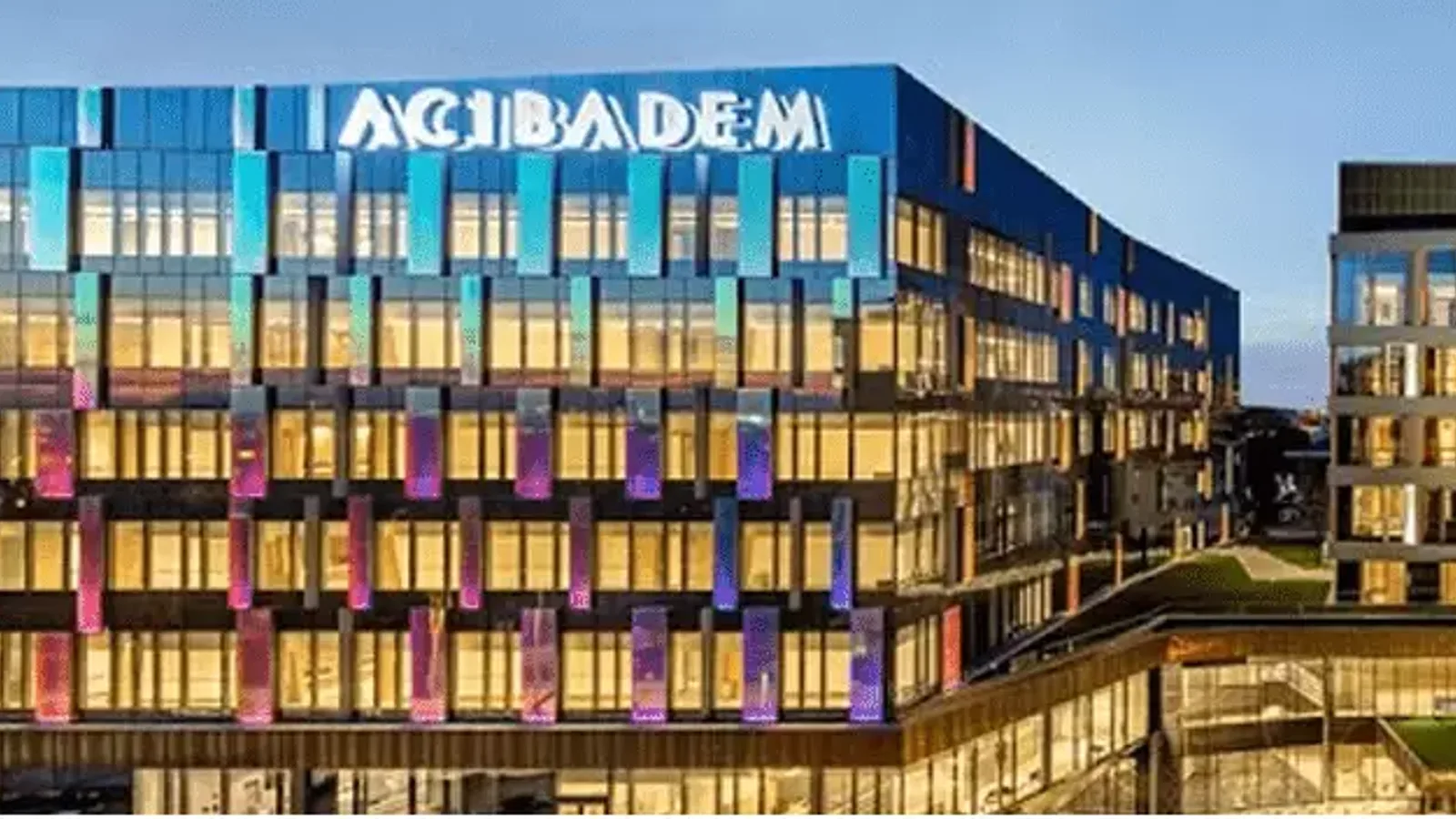
Acıbadem Altunizade Hospital
istanbul
- Specialties
- 28

Acıbadem Ataşehir Hospital
istanbul
- Specialties
- 29

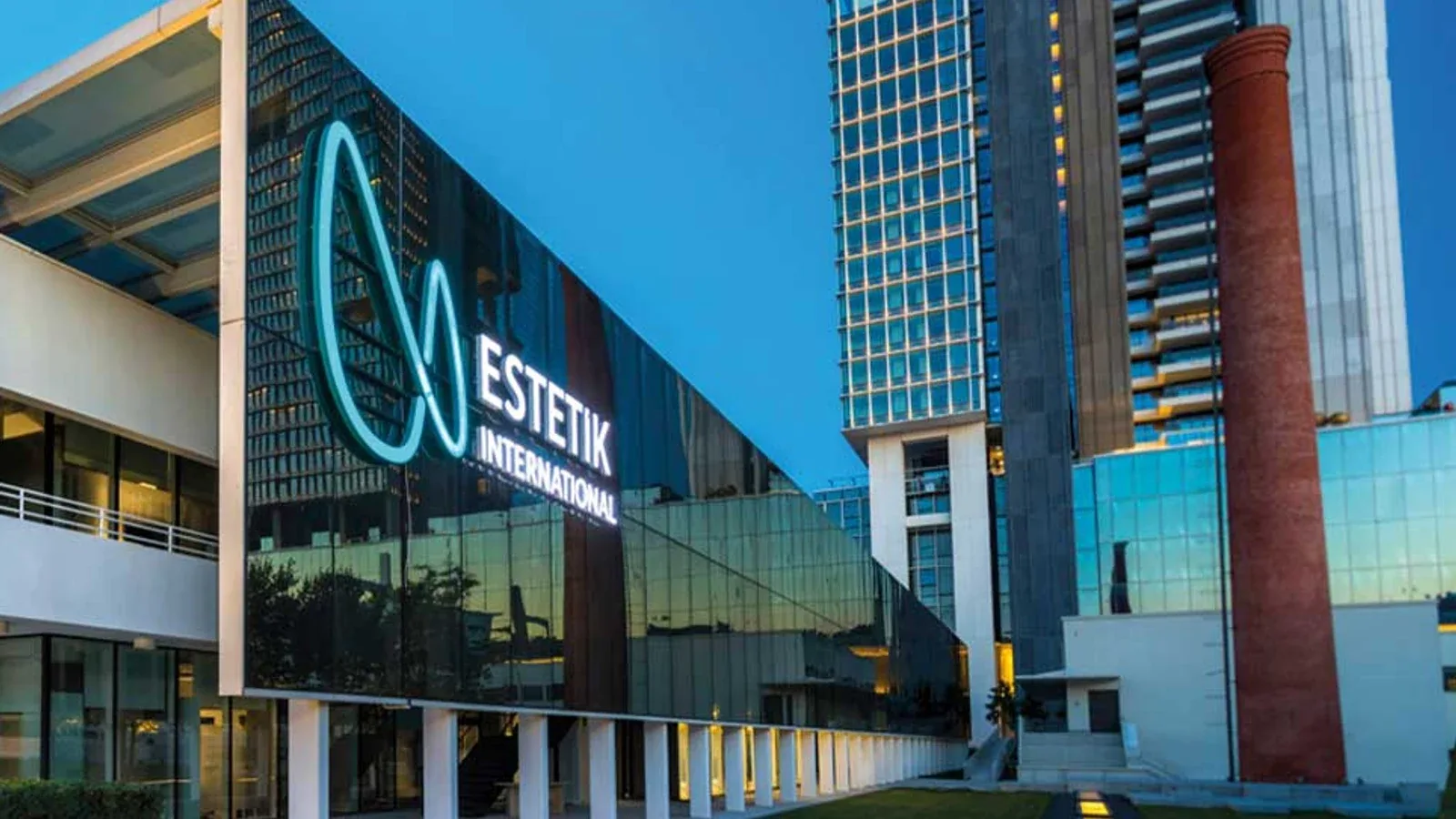
Estetik International Mecidiyeköy
istanbul
- Specialties
- 3
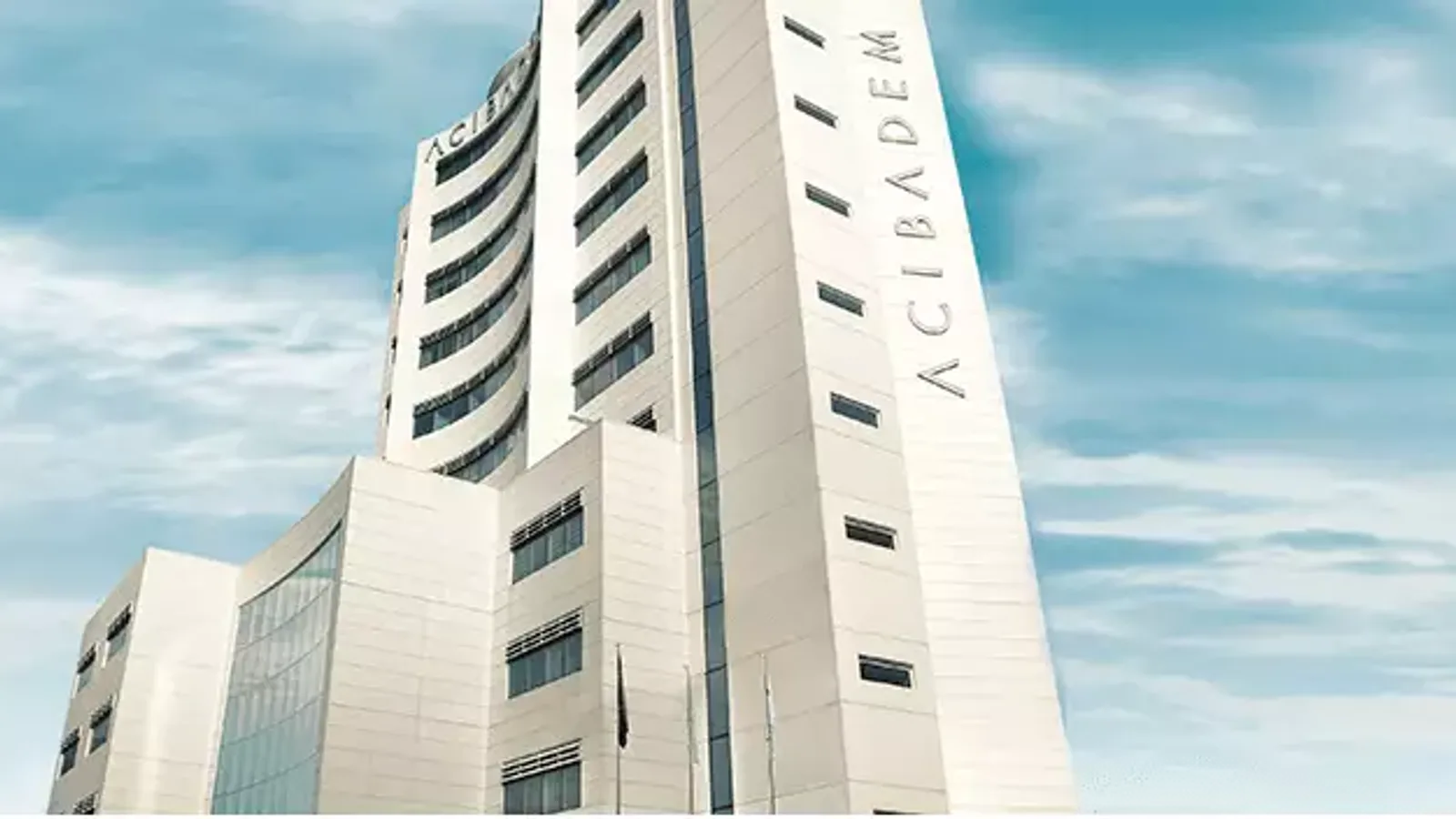
Acıbadem Fulya Hospital
istanbul
- Specialties
- 22

Acıbadem Maslak Hospital
istanbul
- Specialties
- 29

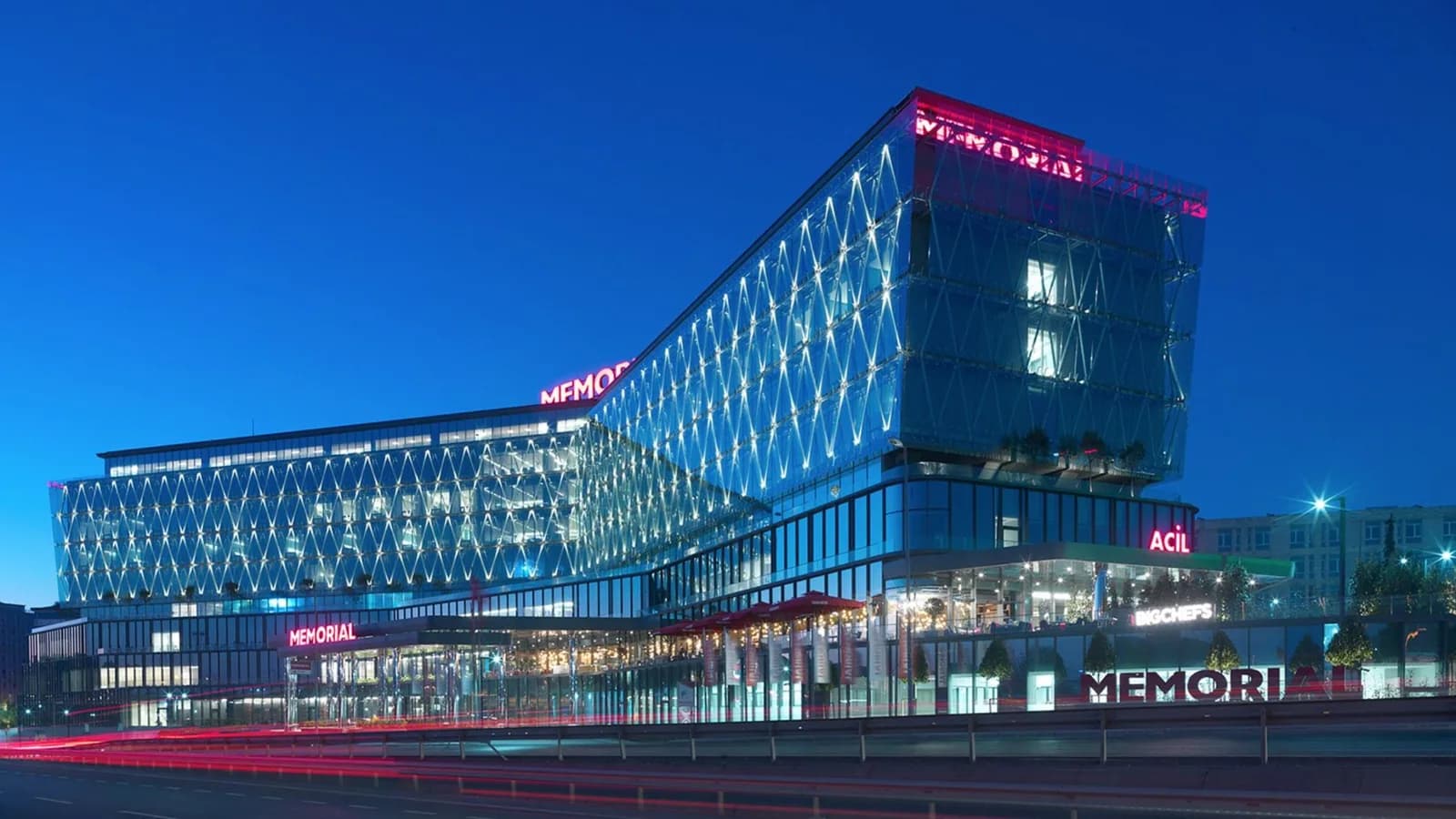
Memorial Bahçelievler Hospital
istanbul
- Specialties
- 31

Memorial Şişli Hospital
istanbul
- Specialties
- 29
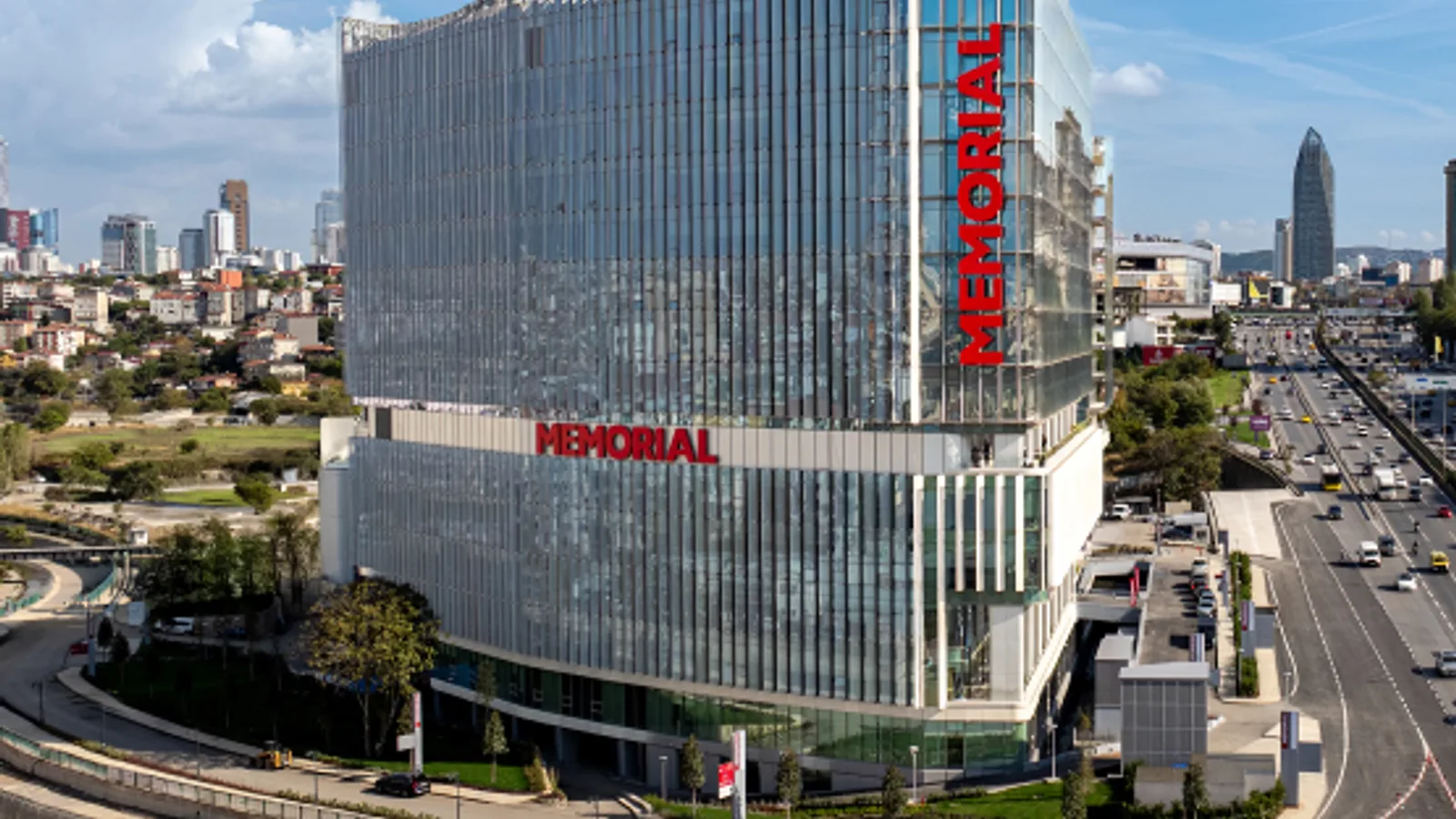
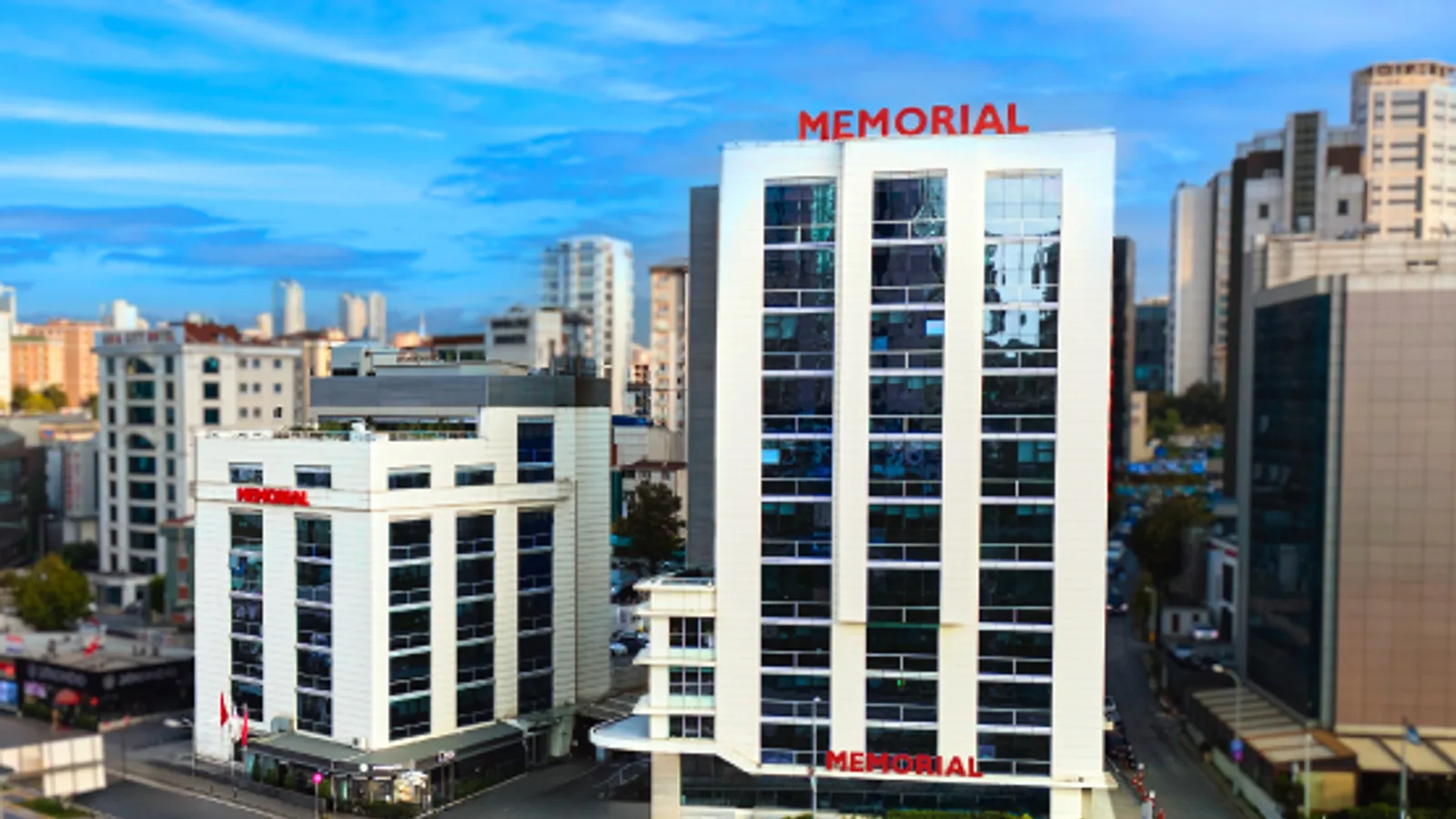
Memorial Göztepe Hospital
istanbul
- Specialties
- 24

Memorial Ataşehir Hospital
istanbul
- Specialties
- 28
Specialties
Not sure which hospital fits your case?
Upload your medical records and let AI match you to the right hospital.
Upload records and get matched